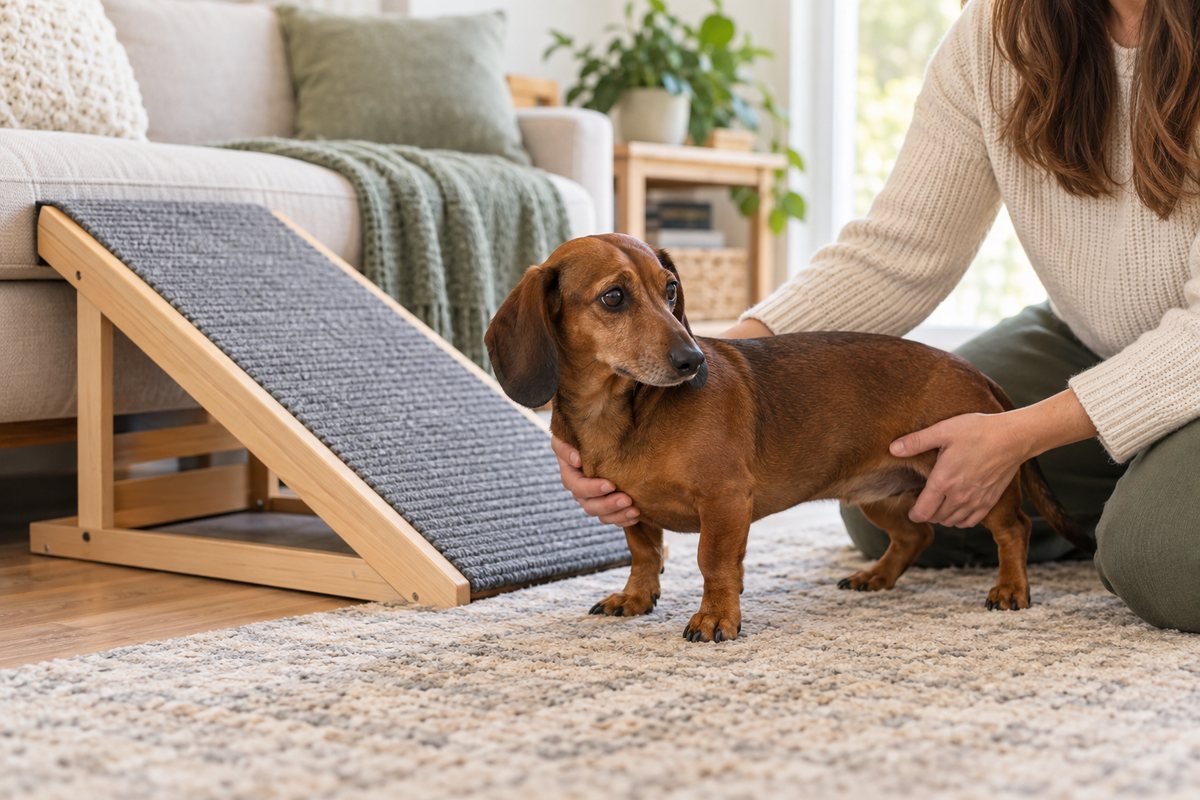
To groom a Dachshund, match the routine to the coat type: smooth, long-haired, or wire-haired. All Dachshunds need brushing, nail care, ear checks, dental care, paw checks, and skin monitoring. Long-haired Dachshunds need more tangle prevention, wire-haired Dachshunds need coat-specific maintenance, and smooth Dachshunds still need regular brushing and skin checks even though their coat is short.
How to groom a Dachshund: quick answer
Brush smooth Dachshunds weekly, long-haired Dachshunds several times per week, and wire-haired Dachshunds according to coat texture and groomer guidance. Check nails every 1 to 2 weeks, brush teeth daily if possible, clean ears only when needed, and inspect paws and belly after walks. VCA grooming guidance notes that long coats may need frequent brushing to prevent mats, while AKC recommends regular at-home grooming checks for skin, coat, nails, ears, and teeth.
| Task | Typical schedule | Dachshund note |
|---|---|---|
| Brushing | Weekly to daily depending on coat | Long-haired coats mat fastest |
| Nails | Every 1 to 2 weeks check | Long nails affect posture and traction |
| Teeth | Daily goal | Small dogs often need dental care |
| Ears | Check weekly | Watch odor, redness, debris |
| Paws | After walks | Low bodies collect dirt and ice |
| Bathing | As needed | Brush out tangles first |
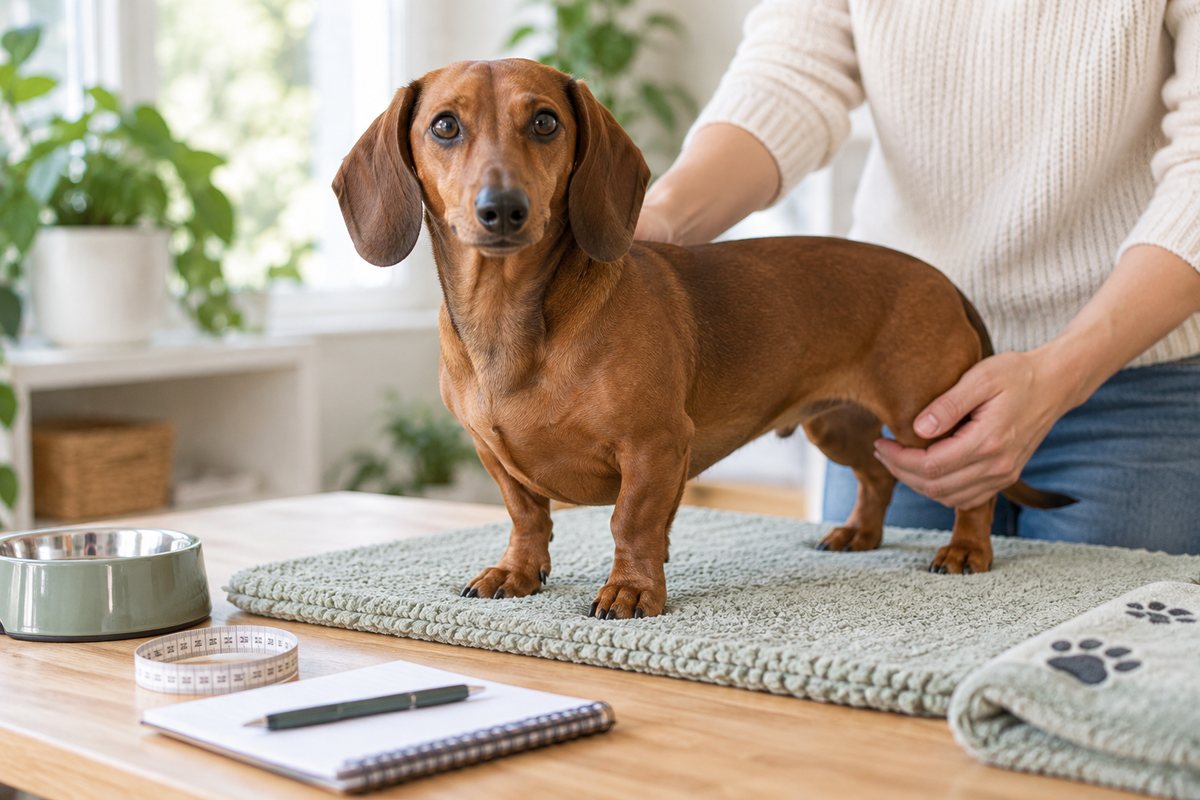
Grooming by coat type
- Smooth: use a soft brush or grooming mitt, wipe dirt from belly and paws, and monitor dry skin.
- Long-haired: brush in layers and comb behind ears, armpits, chest, belly, legs, and tail.
- Wire-haired: brush regularly and ask a groomer about hand-stripping or clipping based on coat and owner goals.
For deeper coat-specific guides, see how to brush a long haired Dachshund, long haired Dachshund haircut, and Dachshund coat types.
Step-by-step routine
- Set your Dachshund on a non-slip surface.
- Brush or comb the coat before bathing.
- Check skin for redness, bumps, odor, flakes, or sores.
- Inspect paws, nails, and between toes.
- Check ears for odor or debris.
- Brush teeth with dog toothpaste.
- Reward calm handling throughout.
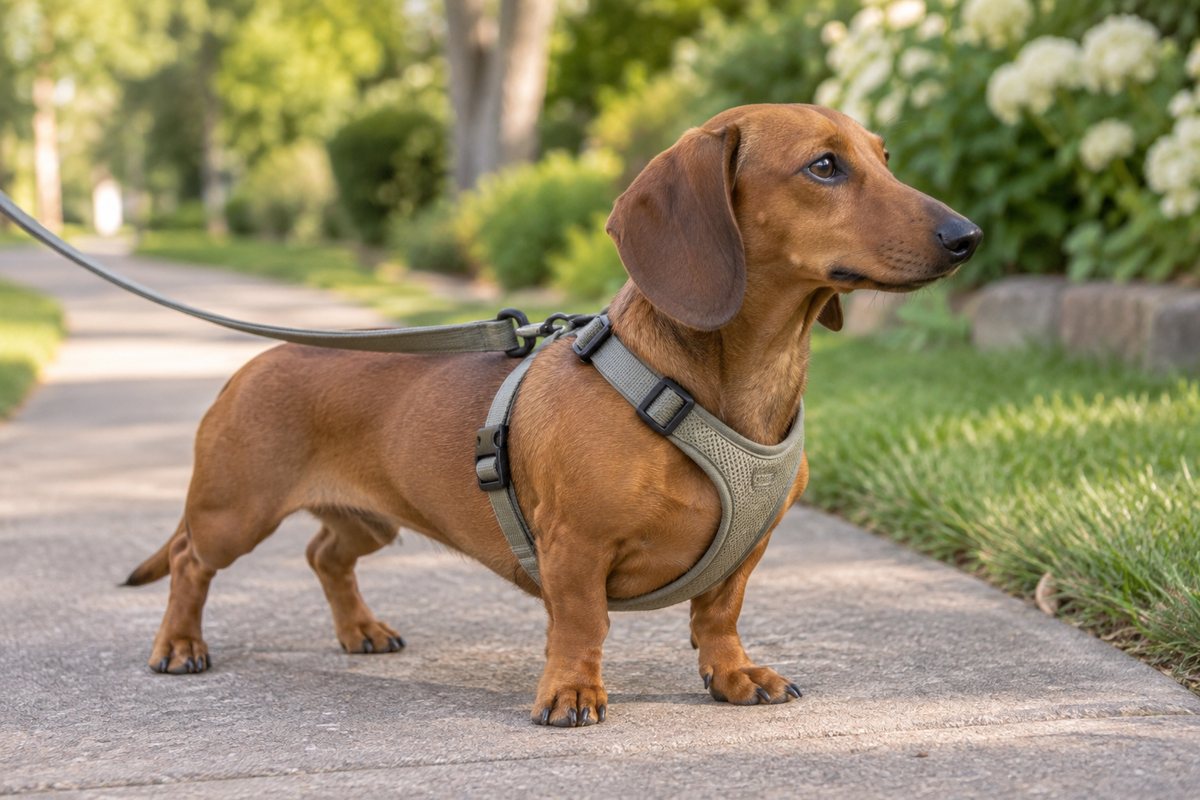
Common grooming mistakes
- Bathing a long-haired Dachshund before brushing out tangles.
- Ignoring harness friction behind the front legs.
- Letting nails grow until they change posture or traction.
- Using human toothpaste instead of dog toothpaste.
- Cleaning ears deeply without veterinary direction.
- Waiting until mats are painful before booking a groomer.
Make grooming boring in the best way. Use the same mat, the same order, and tiny rewards. A Dachshund that learns grooming is predictable is much easier to handle than one who only gets touched when something is already tangled, sore, or urgent.
When to call a groomer or veterinarian
Call a groomer for tight mats, paw trims you are not comfortable doing, sanitary trims, and coat shaping. Call a veterinarian for red skin, odor, ear pain, bleeding nails, sudden sensitivity, bald patches, or any lump or sore you find during grooming. Grooming is also a useful early-warning system for health problems.
Coat-specific grooming tools
The best grooming tool depends on the coat. Smooth Dachshunds usually need a soft brush, grooming mitt, or rubber curry. Long-haired Dachshunds need a slicker or pin brush plus a comb. Wire-haired Dachshunds may need a slicker, comb, and professional guidance for coat texture. Using the wrong tool can irritate skin or miss tangles near the skin.
| Coat | Helpful tools | Main goal |
|---|---|---|
| Smooth | Soft brush, grooming mitt | Loose hair and skin check |
| Long-haired | Slicker or pin brush, metal comb | Prevent mats and tangles |
| Wire-haired | Slicker, comb, groomer support | Maintain texture and remove debris |
| All coats | Nail trimmer, dog toothbrush | Comfort and preventive care |
Handling training for grooming
Grooming goes better when handling is trained outside grooming emergencies. Touch one paw, reward, and stop. Lift an ear, reward, and stop. Touch the toothbrush to one tooth, reward, and stop. These small rehearsals teach your Dachshund that handling predicts calm rewards, not a long struggle.
- Practice when your dog is calm, not when you are rushed.
- Use a non-slip surface for confidence.
- Keep sessions under a few minutes at first.
- Reward cooperation before your dog tries to leave.
- Stop if you find pain, swelling, odor, or bleeding.
Weekly Dachshund grooming routine
A simple weekly routine prevents most grooming from becoming a crisis. Smooth coats may need only a quick brush and skin check. Long-haired Dachshunds need more combing around friction areas. Wire-haired Dachshunds may need a groomer who understands the coat type. All Dachshunds need nail, ear, tooth, and body checks.
| Task | How often to check | Why it matters |
|---|---|---|
| Brush coat | Weekly or more for long hair | Removes loose hair and tangles |
| Comb ears and feathering | Several times weekly for long hair | Prevents mats |
| Trim nails | As needed | Improves traction and posture |
| Check ears | Weekly | Finds odor, redness, debris |
| Brush teeth | Daily if possible | Supports dental health |
Grooming warning signs
- Red skin, sores, hot spots, or strong odor.
- Mats that pull on the skin.
- Ear odor, head shaking, or discharge.
- Nails curling, splitting, or changing gait.
- Pain when touched or sudden grooming resistance.
Dachshund grooming FAQ
How often should I bathe a Dachshund?
Bathe when your Dachshund is dirty, smelly, or your vet recommends it for skin care. Many dogs do not need frequent full baths. Over-bathing can dry the skin, especially if you use harsh shampoo. Use dog-safe shampoo and rinse thoroughly.
Do long-haired Dachshunds need professional grooming?
Some owners manage long coats at home with brushing, combing, nail trims, and sanitary cleanup. Professional grooming helps when mats form, the dog resists handling, or the coat needs shaping. The key is not waiting until tangles become painful.
Should wire-haired Dachshunds be shaved?
Wire coats can require different care than smooth or long coats. Before shaving or clipping, ask a groomer familiar with wire-haired Dachshunds how it may affect coat texture. If your dog has mats or skin problems, comfort and veterinary guidance come first.
A complete Dachshund grooming rhythm
A good Dachshund grooming routine is short, predictable, and built around coat type. Smooth coats need simple brushing and skin checks. Long coats need combing where feathering tangles. Wire coats may need groomer guidance for coat texture and stripping decisions.
The routine should also include nails, ears, teeth, paws, and body checks. Dachshunds are close to the ground, so belly dirt, paw irritation, and hidden skin spots can sneak up between baths.
| Situation | What it suggests | Best next step |
|---|---|---|
| Smooth coat | Loose hair and skin checks | Brush weekly and wipe when dirty |
| Long coat | Mats behind ears and legs | Comb feathering several times weekly |
| Wire coat | Texture maintenance | Ask groomer about stripping vs clipping |
| Nails | Posture and traction | Trim before nails click loudly |
| Ears and teeth | Odor and buildup | Check weekly and clean as needed |
how to groom a Dachshund: practical checklist
- Brush before bathing to remove loose hair and tangles.
- Use dog-safe shampoo and rinse thoroughly.
- Dry ears, belly, and armpits carefully.
- Reward paw handling before nail trims.
- Check teeth and gums while your dog is calm.
- Stop if your dog becomes painful or panicked.
When to change course
If grooming reveals odor, bald spots, heavy dandruff, ear redness, bleeding nails, or a painful reaction to touch, make the next step veterinary care rather than another product swap.
how to groom a Dachshund: owner scenarios and fixes
The final step for how to groom a Dachshund is matching the advice to the exact situation in front of you. Dachshunds are small, persistent, routine-sensitive dogs, so a plan that looks correct on paper can fail if the room setup, timing, gear, reward value, or health context is wrong. Before changing everything, choose the one pattern that happens most often and work there first.
This also helps prevent mixed signals. If you sometimes reward the unwanted pattern, sometimes interrupt it, and sometimes ignore it, your Dachshund may keep trying the behavior because the rules are unclear. A simple plan that everyone in the home follows for one week is usually more useful than a complicated plan that changes every day.
| Owner situation | How to handle it |
|---|---|
| When the main issue is smooth coat | Start with the practical fix: brush weekly and wipe when dirty. Give it several calm repetitions before adding a second change. |
| When the pattern looks like long coat | Assume the setup is slightly wrong for your Dachshund and adjust the environment before expecting better behavior. |
| When you see wire coat | Slow the plan down. Dachshunds often improve faster when the next step is easier, clearer, and more predictable. |
| When nails keeps returning | Look for a trigger that happens before the problem. Changing that trigger usually works better than reacting afterward. |
| When ears and teeth is involved | Treat it as a sign to re-check fit, comfort, schedule, or health rather than assuming your dog is ignoring you. |
How to make the plan easier for your Dachshund
If progress stalls, make the next repetition easier instead of louder or longer. For how to groom a Dachshund, easier can mean more distance, a shorter session, a lower height, a quieter room, softer handling, smaller rewards, or fewer choices. The easier version should let your dog succeed while still practicing the skill you want.
Watch recovery time. A Dachshund who can return to sniffing, eating, resting, or walking normally is usually in a workable zone. A dog who stays frantic, stiff, avoidant, or obsessed with the trigger is telling you the setup is too difficult. That is useful information, not a training failure.
7-day improvement plan
- Day 1: write down when the how to groom a Dachshund problem happens, where it happens, and what happened right before it.
- Day 2: remove the easiest trigger or setup mistake connected to smooth coat.
- Day 3: practice the first checklist step: brush before bathing to remove loose hair and tangles..
- Day 4: repeat the same plan at an easier level instead of adding a new rule.
- Day 5: add one support step from the checklist: use dog-safe shampoo and rinse thoroughly..
- Day 6: ask whether your dog recovers faster than earlier in the week.
- Day 7: keep what improved, drop what confused your dog, and decide whether health or professional support is needed.
This seven-day plan will not solve every case of how to groom a Dachshund, but it gives you cleaner information. If the pattern improves, keep building gradually. If it stays the same or worsens, the cause may be discomfort, fear, poor fit, too much freedom, or a trigger that needs a different article-specific plan.
Quality check before you rely on the advice
The safest version of the advice should be specific, observable, and easy to repeat. You should know what you are changing, what success looks like, and when to stop. For Dachshunds, stop signs include pain, limping, yelping, frantic barking, snapping, refusal to eat rewards, vomiting, repeated accidents, or sudden behavior changes.
When in doubt, choose the lower-risk version: more distance, better traction, shorter sessions, calmer rewards, clearer routines, and earlier veterinary input. That keeps the how to groom a Dachshund plan helpful without pushing a small long-backed dog through stress, pain, or confusion.
Sources
- VCA: Grooming and Coat Care for Your Dog
- AKC: Dog Grooming at Home
- AKC: Dachshund Breed Information
- AVMA: Pet Dental Care