
Dachshund Colors: Complete Dachshund Owner Guide should answer the specific breed-reference query dachshund colors without replacing the broader size, coat, or breed-standard hubs. Dachshund owners often search these terms while comparing puppies, adults, coat labels, breeder claims, and what is normal for the breed.
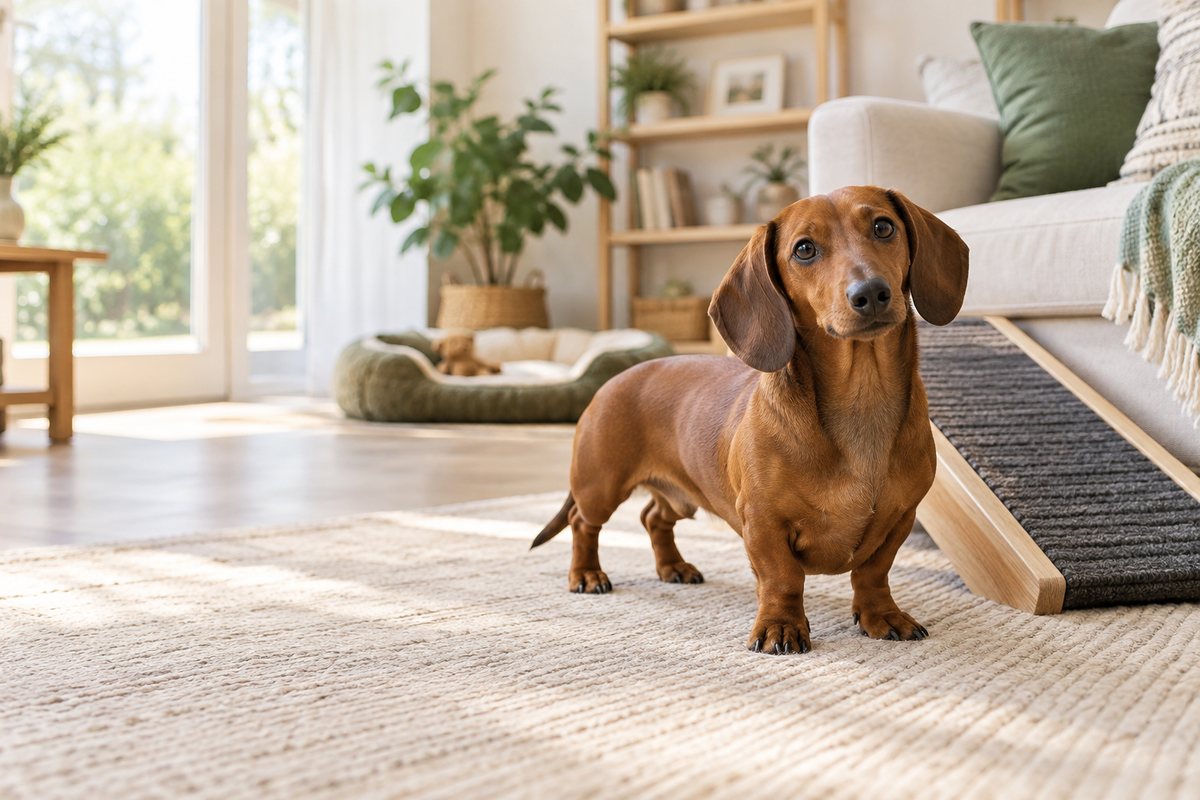
Quick answer
Dachshund Colors is a coat or appearance topic, not a promise about temperament or health. Describe the color or pattern accurately, understand breed-standard language, and be careful with marketing claims around rare colors or extreme pairings.
| Topic | What it means | What to verify |
|---|---|---|
| Color | Base shade or pigment description | May look different by coat type and lighting |
| Pattern | Marking distribution such as dapple, piebald, brindle, or sable | Pattern is not the same as coat length |
| Breed fit | Compare to recognized standard language | Avoid relying on sales labels alone |
| Health context | Ask about responsible breeding and health testing | Color should not be the only decision |
Search intent boundary
This page should not duplicate the broad coat-types article or the full colors hub. It answers the specific color or pattern search and sends readers to the broader guide when they need a complete comparison. This protects the Phase 3 cluster from overlapping with the existing size chart, mini versus standard article, coat-types article, and individual coat pages.

How to describe color and pattern accurately
Separate coat length, color, and pattern. A Dachshund can be smooth, longhaired, or wirehaired, and those coat types can appear with different colors or markings. Lighting, grooming, age, and photo editing can also change how a color looks online.
Use breed-standard language where possible and be careful with sales labels. Rare or fashionable wording should not be more important than temperament, structure, health testing, and responsible breeding. For pattern-specific pages, mention the pattern clearly without turning every article into the full color encyclopedia.
| Description layer | Example | Why it matters |
|---|---|---|
| Coat type | Smooth, longhaired, or wirehaired | Affects grooming and appearance |
| Base color | Red, cream, black and tan, chocolate and tan | Describes pigment |
| Pattern | Dapple, piebald, brindle, sable | Describes marking distribution |
| Health context | Breeding choices and health testing | Appearance should not override welfare |
Questions to ask before making decisions
- Is this an official breed-standard term, an informal label, or a marketing phrase?
- Does the claim match the dog’s age, parents, records, and veterinary checks?
- Is body condition, structure, and health being discussed alongside appearance?
- Does the breeder or source explain health testing and responsible pairings?
- Would the page still help a reader if they are not buying a puppy today?
Common mistakes
- Treating one label as a complete description of the dog.
- Confusing coat type with color or pattern.
- Assuming rare wording always means higher quality.
- Using weight charts without body condition or veterinary context.
- Letting this narrow page duplicate the broader Dachshund size or coat hub.

Internal links for the next step
Read next: dachshund size chart, dachshund patterns, dachshund coat types, Dachshund size chart. These related pages should provide the broader reference while this page stays focused on its exact keyword.
FAQ
Is dachshund colors an official term?
Some Dachshund terms are official breed-standard language, while others are informal or marketing labels. Use the article to clarify the term and send readers to the broader breed standard when needed.
Does appearance predict personality?
No. Color, size label, or pattern should not be treated as a reliable personality test. Temperament, socialization, health, and daily routine matter more.
What should owners prioritize?
Prioritize health, body condition, structure, temperament, responsible breeding, and veterinary guidance. Appearance is useful to describe, but it should not be the whole decision.
Publish-ready owner workflow
To make dachshund colors publish-ready, the article should define the term clearly and then explain what the term does not prove. Dachshund size, color, and pattern searches often come from owners comparing photos, breeder listings, puppy growth, or breed-standard language. The useful answer should be precise, but it should not encourage readers to treat a label as the whole dog.
For size and growth topics, the article should use weight, age, frame, body condition, parent size, and veterinary input together. For color and pattern topics, it should separate coat type, color, pattern, and marketing language. That structure keeps the page from competing with the main size chart or coat-types hub while still answering the specific query.
| Reader question | Good answer | Cannibalization risk to avoid |
|---|---|---|
| What does this term mean? | Define it in one clear paragraph | Repeating the full breed guide |
| Is it official? | Separate standard terms from informal labels | Treating marketing words as facts |
| Does it affect health? | Discuss responsible breeding and vet context carefully | Making unsupported claims |
| What should I read next? | Route to size chart, coat types, or health pages | Stuffing every related topic here |
Extra examples for owner decisions
A buyer comparing two puppies may focus on a color word or size label first. The article should gently widen the decision: ask about health history, temperament, parent information, body condition, and whether the source uses clear breed-standard language. Appearance is useful to describe, but it should not outrank welfare.
An owner of an adult Dachshund may use the page differently. They may want to know whether their dog is within a normal range, whether a pattern label is accurate, or whether a coat description explains grooming needs. The page should serve that reader too, without turning into a sales guide.
Pre-upload QA checklist
| QA item | Pass condition | Why it matters |
|---|---|---|
| Keyword focus | Title, intro, H2s, FAQ, and meta can support dachshund colors | Improves Rank Math alignment |
| Cannibalization | Intent boundary is clear and internal links route to sibling pages | Avoids competing with existing URLs |
| Media | At least three relevant images with keyword-aware alt text | Meets site image standard |
| WordPress QA | Category, slug, featured image, preview, and public 200 checked | Keeps upload workflow consistent |
Before publishing dachshund colors, compare it against the closest existing article in the same cluster. If the new draft answers the same primary question as an existing URL, merge the useful sections into the stronger URL and do not publish a second competing page. If the intent is distinct, keep the slug, title, meta description, featured image, and internal links aligned with this page’s narrower job.
Final depth pass before upload
For dachshund colors, the final editorial check should keep the tone factual and careful. Breed, size, color, and pattern pages can attract readers who are comparing puppies or breeder claims. The article should define the term, explain normal variation, and remind the reader that health, structure, temperament, and responsible breeding matter more than a label.
If the topic is size or growth, avoid making exact promises from one age, one photo, or one weigh-in. If the topic is color or pattern, avoid implying that appearance predicts personality. A helpful Dachshund reference page gives language the owner can use, then sends them to broader guides when they need the full size chart, coat-types overview, or health context.
This is also where the article can earn trust. Say plainly when a term is official, informal, or commonly used by owners. Explain when a marketing label should be treated with caution. Readers remember a page that helps them ask better questions, not just a page that repeats attractive words.
| Final review question | Keep as separate article if | Merge or revise if |
|---|---|---|
| Intent | The page answers a distinct search job | It gives the same answer as an existing URL |
| Depth | Examples and steps match the exact keyword | Sections are generic and could fit any page |
| Risk | Warnings and vet/trainer guidance are clear | Advice could delay needed help |
| Internal links | Links point to true next steps | Links are only added for SEO |
After this depth pass, dachshund colors should be treated as a local draft ready for WordPress QA, not automatic publication. The next workflow is still: check duplicate slug, compare closest keyword, assign category, set Rank Math focus keyword and meta, choose featured image, preview, then publish only after the page passes visual and cannibalization checks.
Editorial note for upload
For WordPress upload, treat dachshund colors as a finished local draft but not an automatic publish. The final editor should compare the live search intent against the nearest existing Dachshund Compass URL, keep the stronger page if two URLs answer the same primary question, and only publish when the article adds a distinct job for the reader. That final check is especially important in close clusters such as food, size, training, behavior, and health, where a small wording overlap can turn into keyword cannibalization after indexing.
Short upload note
This short upload note also helps the final reviewer confirm that the draft has enough standalone value for readers before it is moved from local storage to WordPress. Keep the page focused, useful, and distinct.
Sources
- AKC: Dachshund Dog Breed Information
- AKC: Official Dachshund Breed Standard
- Dachshund Club of America: Breed Standard
- Dachshund Club of California: Coat Colors and Patterns
Bottom line
dachshund colors should be a precise reference page. Define the term, show how it fits the Dachshund breed, avoid exaggerated claims, and link to the broader size or coat resources instead of repeating them.