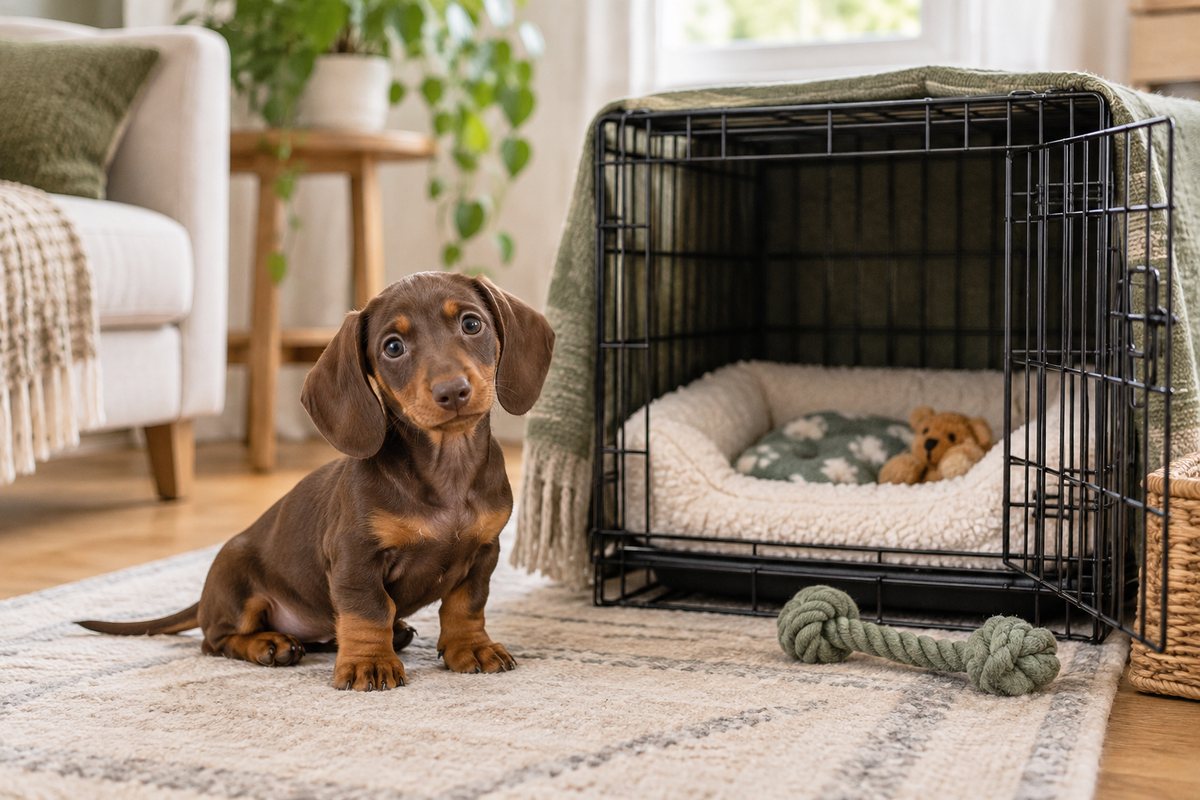
Your Dachshund may lick you because they like your attention, enjoy the salty taste of skin, want to greet you, feel affectionate, are asking for something, or have learned that licking makes you respond. Most occasional licking is normal dog behavior. The question is whether the licking is relaxed and manageable or intense, repetitive, and hard to interrupt.
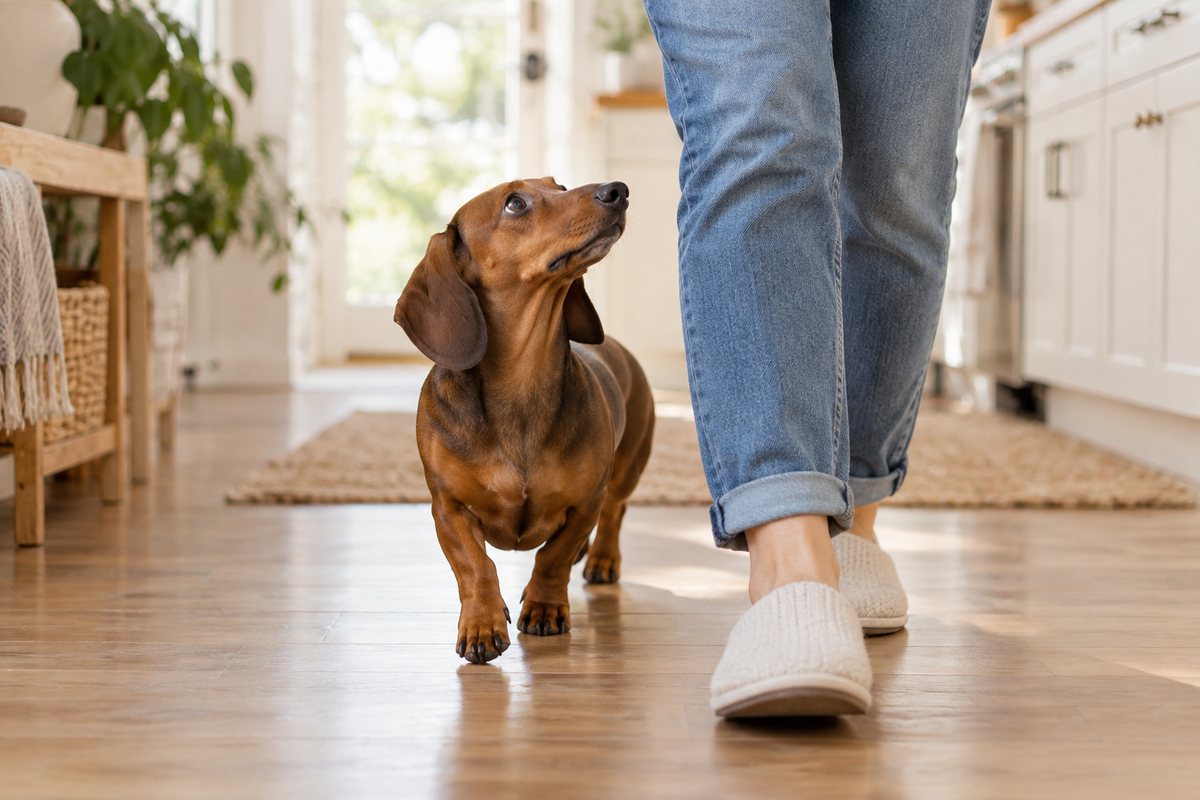
This article focuses on Dachshunds licking people. If your dog is licking paws, skin, objects, air, or the floor excessively, read why Dachshunds lick so much once live because that pattern may involve itch, pain, nausea, anxiety, or compulsive behavior.
Why does my Dachshund lick me?
Dachshunds lick people for affection, attention, greeting, taste, exploration, and learned rewards. AKC explains that dogs lick for several reasons and that owners often reinforce licking by talking, touching, laughing, or reacting. If licking reliably gets a response, many dogs do it more.
| Licking pattern | Likely reason | What to do |
|---|---|---|
| Soft greeting licks | Social behavior | Allow if you like it |
| Licks hands after food | Taste and smell | Wash hands or redirect |
| Licks until you pet them | Attention seeking | Reward calm sitting instead |
| Licks when nervous | Self-soothing or stress | Reduce pressure and add calm routine |
| Sudden intense licking | Possible discomfort or anxiety | Watch for other signs |
If licking gets attention
If your Dachshund licks and you talk, laugh, push them away, or pet them, the licking may be reinforced. Even “stop it” can be attention. Teach an alternate behavior instead.
- Ask for sit, down, or go to mat.
- Reward calm contact without licking.
- Stand up and pause attention briefly if licking continues.
- Offer a lick mat or chew when licking is about self-soothing.
- Keep greetings low-key if arrivals trigger frantic licking.
When licking deserves attention
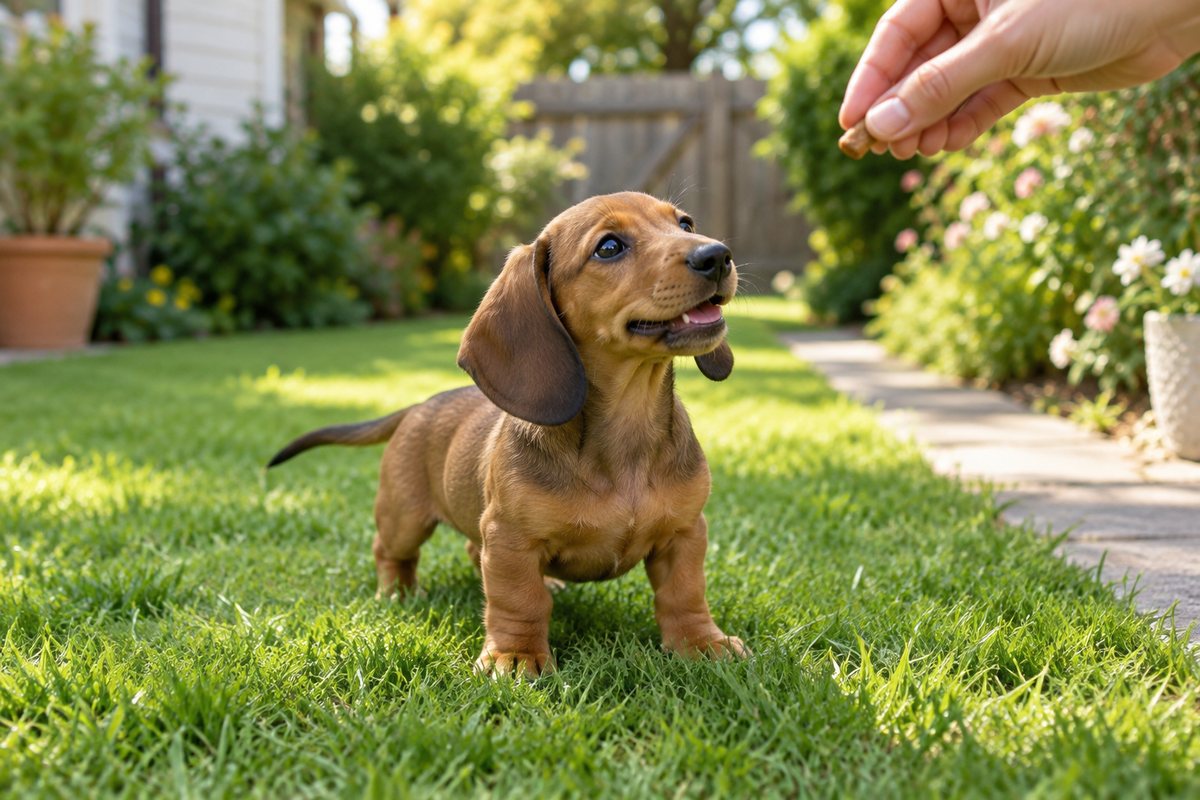
Human-directed licking is usually harmless behaviorally, but hygiene and intensity matter. Avoid face licking if you are immunocompromised, have open wounds, or simply dislike it. If your dog suddenly becomes obsessive, cannot be redirected, or also licks themselves, objects, or air, consider medical or anxiety causes.
For overall behavior context, see why Dachshunds follow you everywhere and why Dachshunds stare at you once live.
FAQ
Is licking always affection?
It can be affectionate, but licking can also mean attention seeking, taste, habit, or stress. Context matters.
How do I reduce unwanted licking?
Calmly remove attention, ask for another behavior, and reward that behavior. Do not turn it into a noisy wrestling game.
How to set licking boundaries
You can like your Dachshund’s affection and still set limits. The clearest approach is to teach what you want instead. If licking hands is fine but face licking is not, be consistent. If licking becomes pushy, ask for a sit, down, chin rest, or mat behavior before attention continues.
- Decide what licking is allowed.
- Interrupt calmly before the behavior escalates.
- Ask for an alternate behavior.
- Reward calm contact.
- Stand up briefly if licking continues.
- Offer a lick mat or chew if your dog needs soothing.
Licking children and guests
Do not assume guests or children enjoy licking. Teach your Dachshund to greet with four paws on the floor and give visitors instructions before they interact. Children should not put their faces near the dog’s face, tease with food, or squeal in a way that makes licking more frantic. Calm greetings protect both the dog and the person.
| Situation | Better behavior | Owner action |
|---|---|---|
| Guest arrives | Sit or mat | Reward before licking starts |
| Child is excited | Adult-guided greeting | Keep faces apart |
| Dog licks hands | Calm touch | Allow only if person agrees |
| Dog cannot stop | Break and redirect | Use gate or mat time |
What your Dachshund may be asking for
Licking is easier to understand when you look at what happens immediately before and after it. If licking starts when you stop petting, it may be attention seeking. If it starts after a stressful sound, it may be self-soothing. If it is focused on one part of your skin, the dog may like salt, lotion, or food smell. The pattern matters more than one isolated lick.
| Pattern | Likely meaning | Response |
|---|---|---|
| Licks when you stop petting | Requests attention | Ask for sit or settle first |
| Licks after stress | Self-soothing | Use calm routine or chew |
| Licks sweaty skin | Salt or scent interest | Redirect if unwanted |
| Licks obsessively | Possible anxiety or health issue | Track and ask your vet |
| Licks guests | Greeting habit | Use leash, mat, or gate |
When a licking change matters
A sudden increase in licking deserves more attention than a lifelong habit. Watch for nausea signs, drooling, lip licking, paw chewing, skin redness, new anxiety, pain, or changes in appetite. If the behavior is new, intense, or hard to interrupt, record a short video and discuss it with your veterinarian.
Dachshund licking you FAQ
Does licking mean my Dachshund loves me?
It can be affectionate, but licking can also mean attention seeking, stress relief, taste interest, or habit. The context tells you more than the behavior alone. A relaxed lick during cuddling is different from frantic licking after a stressful sound or pushy licking when you stop petting.
How do I stop face licking without being harsh?
Move your face away calmly, ask for a sit or down, and reward calm contact. Be consistent. If face licking sometimes creates laughing, attention, or play, your Dachshund will keep trying. Give affection for the behavior you want instead of arguing with the behavior you do not want.
When should licking worry me?
Be more cautious if licking increases suddenly, becomes hard to interrupt, or appears with vomiting, drooling, paw chewing, skin redness, anxiety, or pain signs. In those cases, the licking may be more than affection and should be discussed with your veterinarian.
How to respond when your Dachshund licks you
Owner licking is often social. Your Dachshund may be greeting you, asking for attention, tasting salt, self-soothing, or repeating a behavior that has worked before. The meaning depends on timing, body language, and whether the licking is relaxed or frantic.
You do not have to punish licking to reduce it. Set a predictable boundary, redirect to a calm behavior, and reward the version of closeness you do want. Consistency matters because random attention can make licking more persistent.
| Situation | What it suggests | Best next step |
|---|---|---|
| After you arrive home | Greeting and excitement | Wait for paws down, then greet calmly |
| While you eat | Food history | Use mat training away from table |
| At bedtime | Comfort routine | Offer blanket or settle cue |
| When you stop petting | Attention request | Reward quiet chin rest |
| Frantic licking | Stress or discomfort | Check context and health signs |
why does my Dachshund lick me: practical checklist
- Decide where licking is allowed and where it is not.
- Freeze attention for pushy licking instead of scolding.
- Cue a mat, chin rest, or sit before petting resumes.
- Keep greetings low-key for one week.
- Use enrichment before predictable clingy times.
- Watch for nausea, mouth pain, or skin issues if licking changes suddenly.
When to change course
If your Dachshund licks you and also pants, paces, trembles, hides, or cannot settle, treat the behavior as possible stress rather than simple affection.
why does my Dachshund lick me: owner scenarios and fixes
The final step for why does my Dachshund lick me is matching the advice to the exact situation in front of you. Dachshunds are small, persistent, routine-sensitive dogs, so a plan that looks correct on paper can fail if the room setup, timing, gear, reward value, or health context is wrong. Before changing everything, choose the one pattern that happens most often and work there first.
This also helps prevent mixed signals. If you sometimes reward the unwanted pattern, sometimes interrupt it, and sometimes ignore it, your Dachshund may keep trying the behavior because the rules are unclear. A simple plan that everyone in the home follows for one week is usually more useful than a complicated plan that changes every day.
| Owner situation | How to handle it |
|---|---|
| When the main issue is after you arrive home | Start with the practical fix: wait for paws down, then greet calmly. Give it several calm repetitions before adding a second change. |
| When the pattern looks like while you eat | Assume the setup is slightly wrong for your Dachshund and adjust the environment before expecting better behavior. |
| When you see at bedtime | Slow the plan down. Dachshunds often improve faster when the next step is easier, clearer, and more predictable. |
| When when you stop petting keeps returning | Look for a trigger that happens before the problem. Changing that trigger usually works better than reacting afterward. |
| When frantic licking is involved | Treat it as a sign to re-check fit, comfort, schedule, or health rather than assuming your dog is ignoring you. |
How to make the plan easier for your Dachshund
If progress stalls, make the next repetition easier instead of louder or longer. For why does my Dachshund lick me, easier can mean more distance, a shorter session, a lower height, a quieter room, softer handling, smaller rewards, or fewer choices. The easier version should let your dog succeed while still practicing the skill you want.
Watch recovery time. A Dachshund who can return to sniffing, eating, resting, or walking normally is usually in a workable zone. A dog who stays frantic, stiff, avoidant, or obsessed with the trigger is telling you the setup is too difficult. That is useful information, not a training failure.
7-day improvement plan
- Day 1: write down when the why does my Dachshund lick me problem happens, where it happens, and what happened right before it.
- Day 2: remove the easiest trigger or setup mistake connected to after you arrive home.
- Day 3: practice the first checklist step: decide where licking is allowed and where it is not..
- Day 4: repeat the same plan at an easier level instead of adding a new rule.
- Day 5: add one support step from the checklist: freeze attention for pushy licking instead of scolding..
- Day 6: ask whether your dog recovers faster than earlier in the week.
- Day 7: keep what improved, drop what confused your dog, and decide whether health or professional support is needed.
This seven-day plan will not solve every case of why does my Dachshund lick me, but it gives you cleaner information. If the pattern improves, keep building gradually. If it stays the same or worsens, the cause may be discomfort, fear, poor fit, too much freedom, or a trigger that needs a different article-specific plan.
Quality check before you rely on the advice
The safest version of the advice should be specific, observable, and easy to repeat. You should know what you are changing, what success looks like, and when to stop. For Dachshunds, stop signs include pain, limping, yelping, frantic barking, snapping, refusal to eat rewards, vomiting, repeated accidents, or sudden behavior changes.
When in doubt, choose the lower-risk version: more distance, better traction, shorter sessions, calmer rewards, clearer routines, and earlier veterinary input. That keeps the why does my Dachshund lick me plan helpful without pushing a small long-backed dog through stress, pain, or confusion.
Sources
- AKC: Why Does My Dog Lick Me?
- AKC: Why Do Dogs Lick?
- AKC: Tips for a Dog Who Is a Compulsive Kisser
- PetMD: Why Do Dogs Lick You?