Miniature Dachshund vs Standard Dachshund is mostly a size and weight comparison, not a separate-breed comparison. In the American Kennel Club standard, Dachshunds are one breed shown in two sizes: miniature and standard. Miniatures are 11 pounds and under at 12 months or older, while standards usually weigh 16 to 32 pounds.
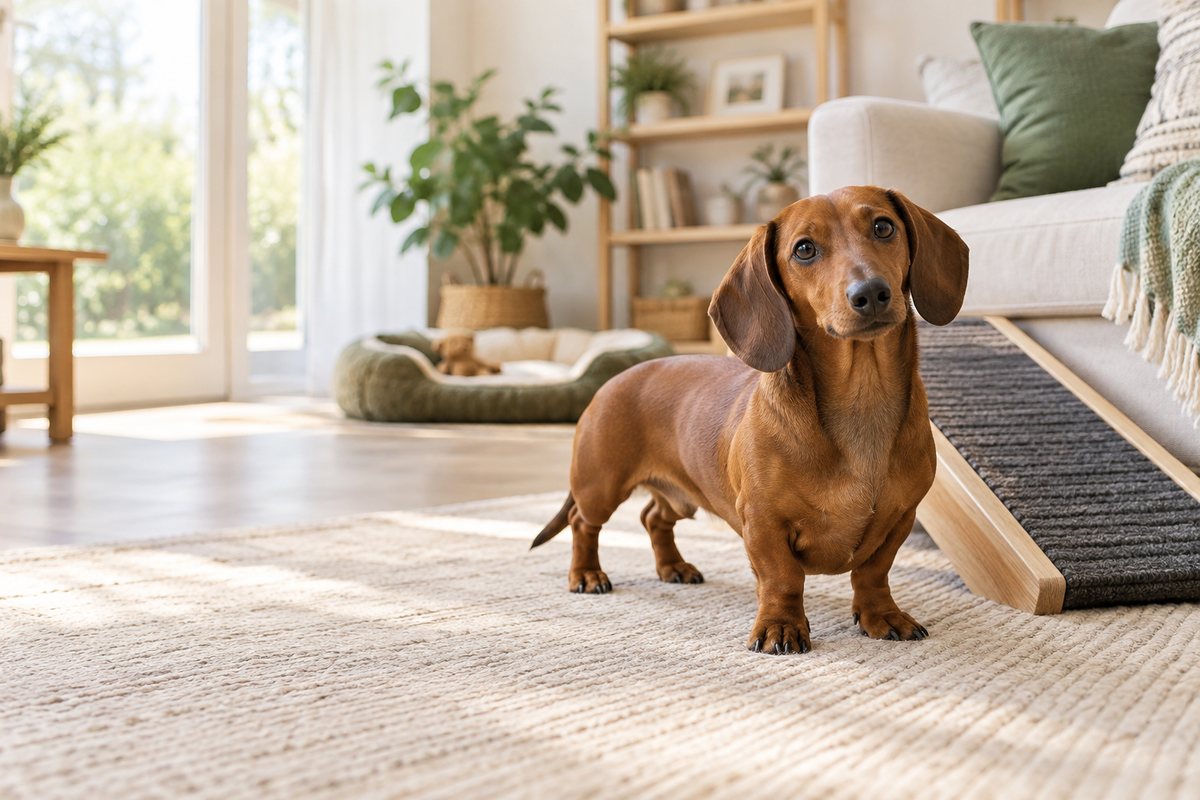
This Miniature Dachshund vs Standard Dachshund guide is meant to help you choose by lifestyle, handling, training needs, and health priorities. That weight difference can change daily life more than new owners expect. A standard may feel sturdier on walks and harder to carry. A miniature may be easier to travel with but more vulnerable to rough handling. Both sizes still need careful back protection, weight control, training, dental care, and a home set up for a long-bodied dog.
Table of Contents
Miniature Dachshund vs Standard Dachshund quick answer
The main difference between a miniature Dachshund and a standard Dachshund is adult weight. Under the AKC standard, a miniature Dachshund is 11 pounds or under at 12 months of age and older. A standard Dachshund usually weighs 16 to 32 pounds. Dogs between those ranges are often casually called “tweenies” by owners, but that is not an official AKC size division.
Miniature Dachshund vs Standard Dachshund at a glance
| Comparison point | Miniature Dachshund | Standard Dachshund |
|---|---|---|
| AKC weight reference | 11 lb and under at 12 months or older | Usually 16-32 lb |
| Breed status | Same breed, smaller size division | Same breed, larger size division |
| Portability | Easier to carry and travel with | Heavier to lift and transport |
| Handling risk | Can be easier for children to mishandle because of small size | May feel sturdier but still needs back-safe handling |
| Gear fit | Needs very small harnesses, collars, crates, coats, and bowls | Needs larger gear with the same long-body fit concerns |
| Best owner fit | Owners who want a smaller dog and can protect them from rough handling | Owners who want a bigger Dachshund and can manage the extra weight |
Are miniature and standard Dachshunds different breeds?
No. Miniature and standard Dachshunds are size divisions within the Dachshund breed. The AKC standard says Dachshunds are bred and shown in two sizes, standard and miniature, and that miniatures are not a separate classification. The Dachshund Club of America uses the same basic weight language in its education materials.
This matters because you should not choose a miniature expecting a totally different kind of dog. A miniature Dachshund is still a Dachshund: clever, bold, vocal when motivated, food-interested, stubborn at times, and built with a long back that needs sensible care.
Miniature Dachshund vs Standard Dachshund size and weight differences
For AKC purposes, size is defined by weight rather than height. Miniatures compete in a class division for dogs 11 pounds and under at 12 months of age and older. Standards usually weigh 16 to 32 pounds. That leaves a practical middle zone: many pet Dachshunds mature over 11 pounds but under the usual standard range. Owners often call those dogs “tweenies,” but that term is informal.
If your Dachshund is 12 to 15 pounds, do not panic. The more important question is whether your dog has a healthy body condition for their frame. A lean 13-pound Dachshund and an overweight 13-pound Dachshund are very different dogs.
Temperament: does size change personality?
Size can affect how a Dachshund moves through the world, but it does not guarantee temperament. A miniature is not automatically calmer or more delicate in attitude. A standard is not automatically easier to train. Both sizes can bark, dig, chase, cuddle, guard resources, resist bad weather, or decide that your schedule is open for negotiation.
Temperament depends on genetics, early socialization, daily structure, health, training, and the individual dog. If you are choosing a puppy, ask about the parents’ behavior and how the litter is raised. If you are adopting an adult, observe the dog you are actually bringing home.
Miniature Dachshund vs Standard Dachshund training differences
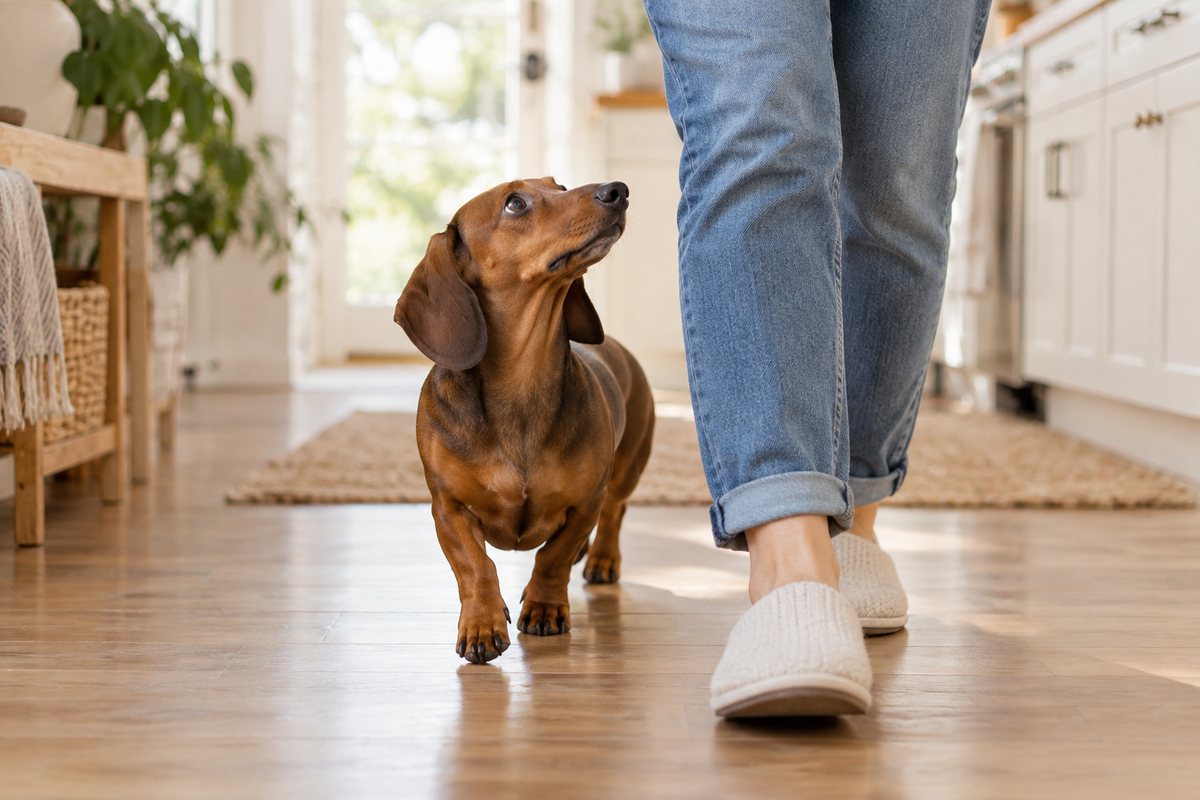
Miniature and standard Dachshunds usually need the same training principles: short sessions, clear cues, food rewards, consistent routines, and patience. The practical differences come from body size. A standard may pull harder on leash. A miniature may be easier to scoop up, which can accidentally replace training with carrying.
- For miniatures: avoid rescuing them from every challenge by picking them up. Teach recall, leash skills, crate comfort, and calm handling.
- For standards: practice loose-leash walking early because more body weight can make pulling harder to manage.
- For both: prevent jumping habits, teach ramps or waiting to be lifted, and reward calm behavior around doors, visitors, and food.
If you are starting with a young dog, use the Dachshund Compass guide on how to train a Dachshund puppy as your foundation.
Miniature Dachshund vs Standard Dachshund health and back safety
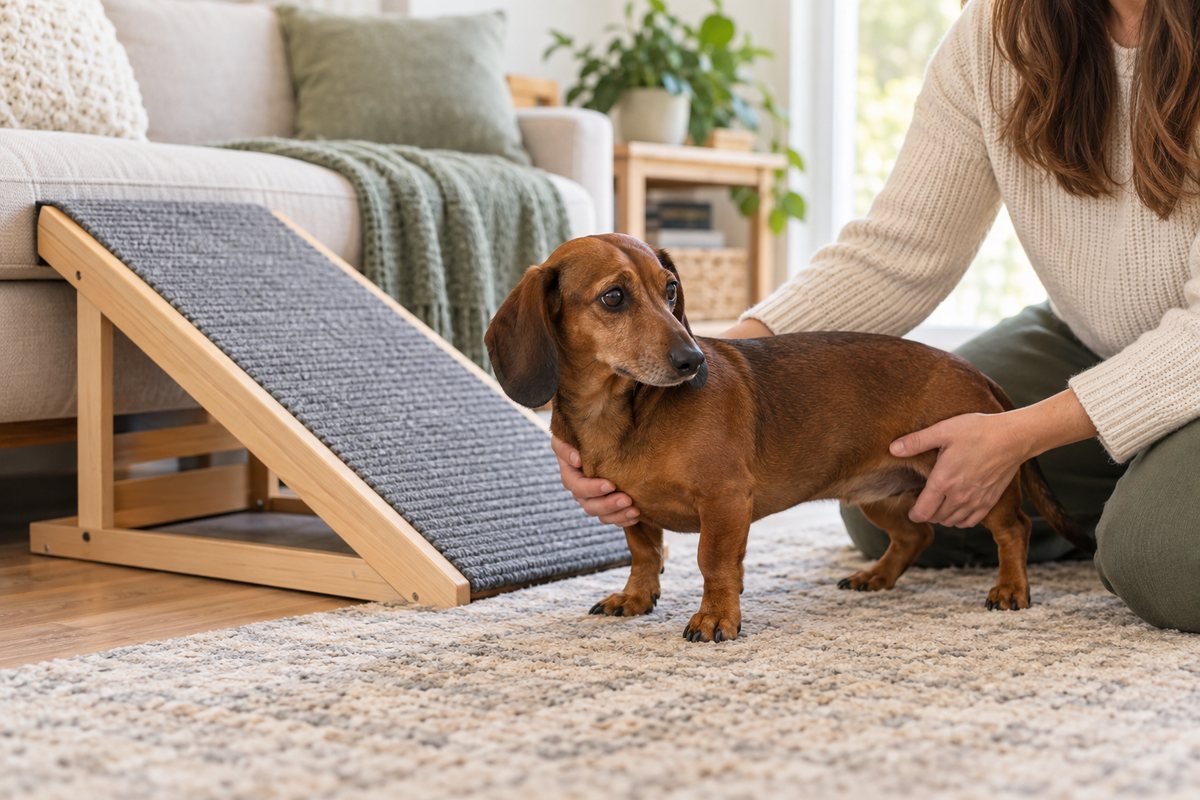
Both miniature and standard Dachshunds need back-aware care. The breed’s long body and short legs are part of its charm, but they also make everyday choices important: weight control, careful lifting, limiting repeated furniture jumping, using ramps where helpful, and calling a veterinarian quickly if back pain signs appear.
Do not assume a miniature is safer because they are lighter, or that a standard is safer because they feel sturdier. Body condition matters in both sizes. Extra weight puts more strain on a small long-backed dog. A mini that is only a few pounds overweight may be carrying a much bigger percentage of excess body weight than the number suggests.
For warning signs, read Dachshund back pain signs. For broader health context, see common Dachshund health problems.
Food, weight, and portion control
Miniature Dachshunds need smaller portions than standards, but both can gain weight quickly. Food labels are only starting points. Your dog’s ideal amount depends on age, neuter status, activity, body condition, treats, and veterinary needs.
- Measure meals instead of guessing.
- Count training treats as part of the day.
- Use body condition, not only the scale, to judge weight.
- Ask your veterinarian for a target weight if your Dachshund is gaining.
If diet is your next decision, start with best food for Dachshunds and what Dachshunds can eat.
Gear and home setup
The right size changes the gear you buy. A miniature may need very small harnesses, crates, coats, stairs, ramps, and bowls. A standard needs larger gear, but the fit problem is the same: long body, deep chest, short legs, and a back you do not want twisting awkwardly.
- Harness: look for secure chest fit without rubbing behind the front legs.
- Crate: your Dachshund should stand, turn, and lie down comfortably.
- Ramp: choose a stable ramp with a gentle angle and traction.
- Car travel: use safe restraint and avoid letting your dog jump out.
For walking gear, see the guide to the best harness for Dachshunds.
Miniature Dachshund pros and watch-outs
Miniature pros
- Easier to carry when necessary.
- Can be easier for apartment living and travel.
- Often needs smaller, less expensive gear.
- May be easier for some owners to manage physically.
Miniature watch-outs
- Can be injured by rough handling or falls.
- Owners may over-carry instead of training skills.
- Small weight gains matter a lot.
- Very small gear can be harder to fit securely.
Standard Dachshund pros and watch-outs
Standard pros
- May feel sturdier for active households.
- Often easier to see and manage around feet and furniture.
- Can suit owners who want a bigger small dog.
- Still compact compared with many medium breeds.
Standard watch-outs
- Harder to carry safely for some owners.
- Pulling on leash can be more difficult to manage.
- Larger crates, ramps, coats, and harnesses cost more.
- Back-safe lifting matters because the dog is heavier.
Miniature Dachshund vs Standard Dachshund: which size should you choose?
Choose a miniature Dachshund if you want the smaller size and are ready to protect the dog from rough handling, manage weight carefully, and avoid treating them like a toy. Choose a standard Dachshund if you want a sturdier-feeling dog and can safely lift, train, and manage the extra weight.
For most families, the better question is not “miniature or standard?” It is: can you meet this individual dog’s needs for training, back safety, weight control, companionship, and routine?
FAQ
Is a miniature Dachshund a separate breed?
No. Under the AKC standard, miniature and standard Dachshunds are size divisions within the Dachshund breed, not separate breeds.
What is a tweenie Dachshund?
“Tweenie” is an informal owner term for a Dachshund that falls between the common miniature and standard weight ranges. It is not an official AKC size division.
Are miniature Dachshunds easier than standards?
Not automatically. Miniatures are easier to carry, but they still need training, exercise, back safety, dental care, and weight control. A smaller dog can still be demanding.
Do standard Dachshunds have fewer back problems?
You should not choose a standard size assuming back risk disappears. Both sizes need back-aware handling, healthy body condition, and prompt veterinary attention for pain or neurological signs.
Sources
- American Kennel Club: Official Standard of the Dachshund
- American Kennel Club / Dachshund Club Flyer: An Introduction to the Dachshund
- Dachshund Club of America: Judges Education Materials
- The Royal Kennel Club: Dachshund Miniature Smooth Haired Breed Standard