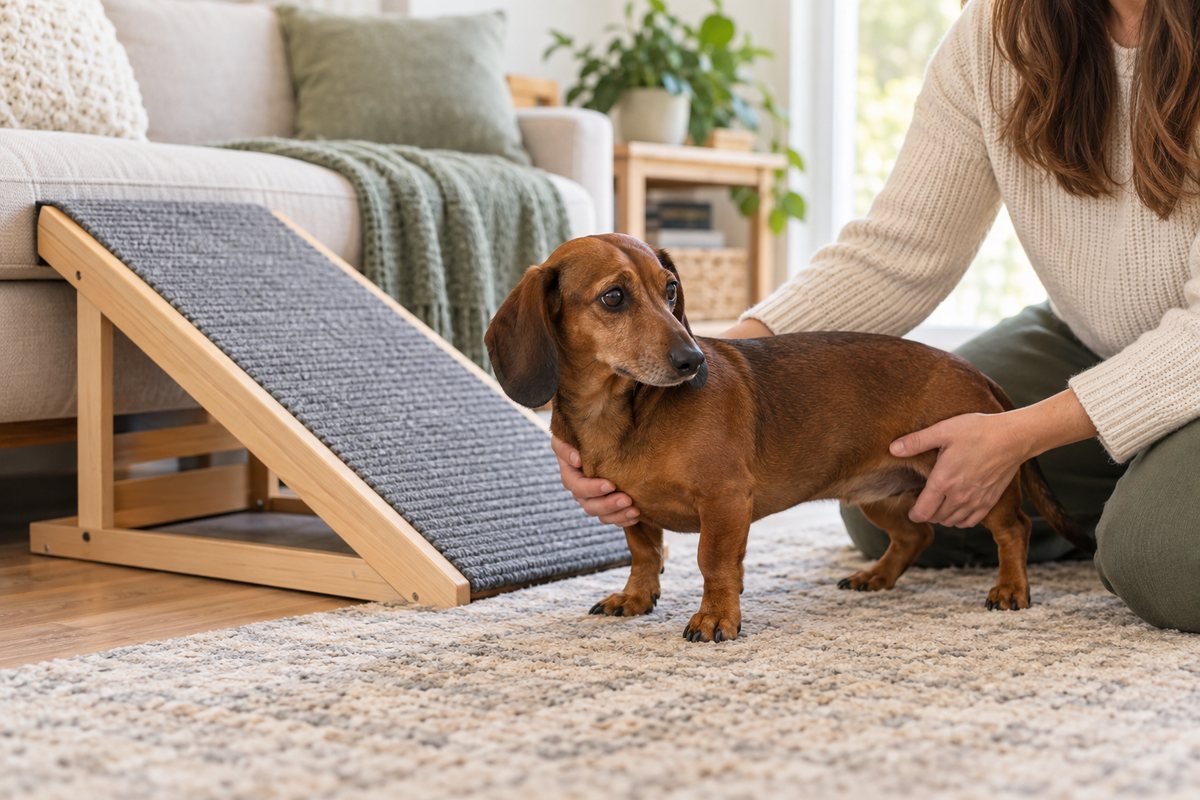
A long haired Dachshund haircut should keep the coat tidy, comfortable, and mat-free without removing more hair than necessary. Most long-haired Dachshunds do not need dramatic haircuts. They usually need regular brushing, paw trimming, sanitary trimming, light shaping around ears and feathering, and professional help when mats or heavy coat maintenance become difficult.

This guide explains common haircut options, what to trim, what to avoid, and how to decide between home maintenance and a professional groomer. If your Dachshund has mats tight to the skin, irritated skin, sores, ear odor, or pain when handled, do not try to cut the coat at home. Ask a groomer or veterinarian for help.
Table of Contents
Long haired Dachshund haircut: quick answer
Most long-haired Dachshunds need tidy trims, not full haircuts. Keep feathering brushed, trim paw hair for traction, keep the sanitary area clean, and lightly shape long ear or leg hair if it drags or mats. Avoid shaving the coat short unless mats, medical needs, or a groomer/veterinarian make it necessary.
VCA grooming guidance emphasizes regular brushing for long coats and warns that tangles should be brushed out before bathing because water can make them harder to remove. A haircut is not a replacement for brushing. It is a maintenance tool.
Does a long-haired Dachshund need a haircut?
Some long-haired Dachshunds need only brushing and small trims. Others need professional grooming because their coat mats quickly, they wear sweaters or harnesses often, or they dislike home handling. The right answer depends on coat texture, lifestyle, weather, and owner maintenance.
- Trim paw hair if your dog slips on floors.
- Trim sanitary areas if hair collects urine or stool.
- Shape feathering if it drags, mats, or catches debris.
- Leave protective coat length unless there is a clear reason to shorten it.
- Use a groomer for mats, sensitive dogs, or style cuts.
For daily coat care, read how to brush a long haired Dachshund once live. For winter-specific coat handling, use Dachshund winter coat care.
Haircut and trim options
| Trim option | Best for | Watch-out |
|---|---|---|
| Paw pad trim | Traction and cleanliness | Use caution around pads |
| Sanitary trim | Hygiene | Professional help is safer if dog wiggles |
| Feathering tidy | Legs, chest, belly, and tail neatness | Do not over-thin or chop unevenly |
| Ear trim | Reducing tangles and food debris | Comb first and protect ear leather |
| Outline trim | Natural neat shape | Keep breed-appropriate look |
| Full shave-down | Severe mats or medical need | Use only when necessary |
If you want a low-maintenance style, ask a groomer for a neat outline trim rather than trying to invent a cut at home. Bring photos and explain your real maintenance routine honestly.
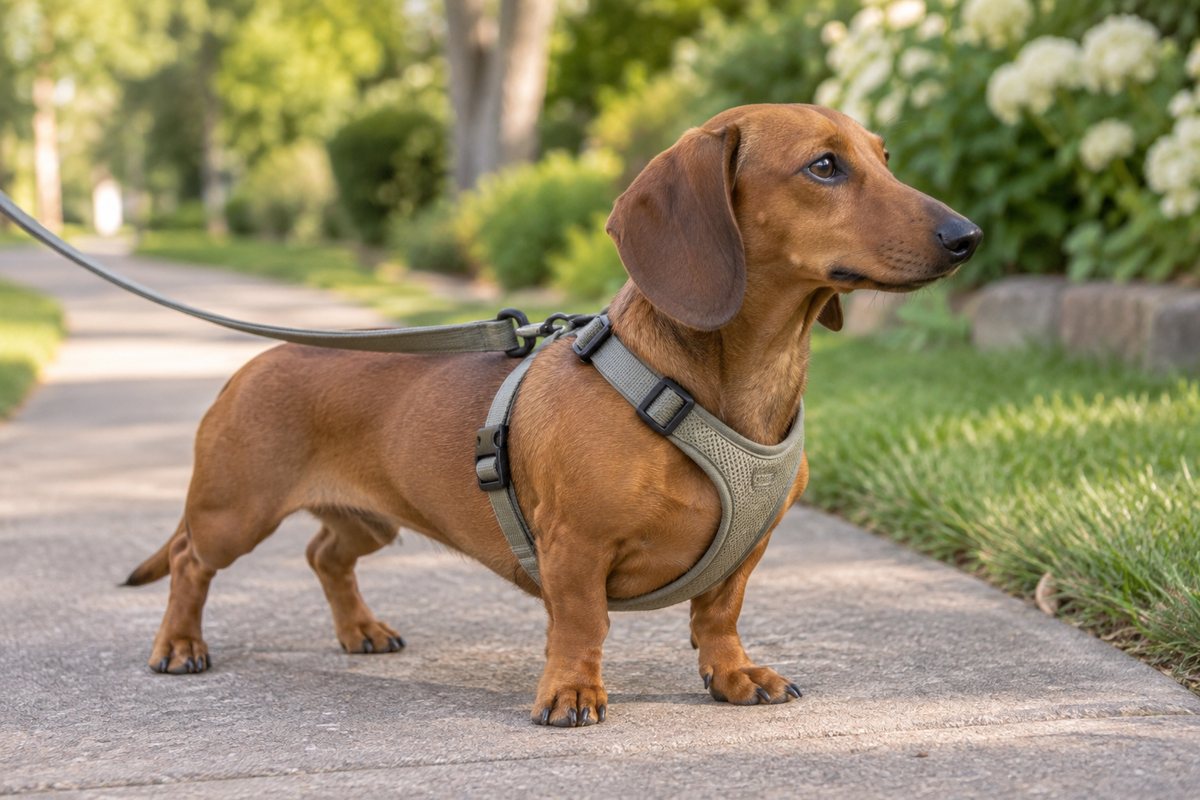
What owners can maintain at home
Owners can often maintain brushing, combing, gentle paw checks, and bath prep at home. Trimming depends on your comfort, tools, and your dog’s ability to stand calmly.
- Brush and comb the coat before trimming.
- Use good lighting and a non-slip surface.
- Trim tiny amounts at a time.
- Keep one hand aware of skin location.
- Stop if your dog wiggles, sits, or pulls away.
- Reward cooperation and keep sessions short.
- Use a professional for close work near skin, paws, ears, and sanitary areas if unsure.
Do not trim because you are frustrated with mats. Mats change how skin sits under the coat, and cutting into a mat can cut the dog.
What to avoid
- Avoid shaving a long-haired Dachshund short just because it is summer.
- Avoid cutting mats close to the skin with household scissors.
- Avoid bathing before removing tangles.
- Avoid trimming ears without knowing where the ear leather is.
- Avoid forcing a painful dog to stand through grooming.
- Avoid letting harness friction create hidden mats.
Regular grooming matters for comfort, but sudden sensitivity to brushing can also signal pain. If your Dachshund reacts strongly when you touch the back, neck, belly, or legs, consider a veterinary check. See Dachshund back pain signs.
Mats and shave-downs
Mats are not just messy hair. They can pull skin, trap moisture, hide irritation, and make movement uncomfortable. A groomer may recommend shaving a matted area because brushing it out would be painful or damaging. That is not a style failure. It can be the kindest option.
| Mat level | Home response | Professional help? |
|---|---|---|
| Small loose tangle | Detangling spray, brush, comb | Optional |
| Repeated tangles | Increase brushing schedule | Helpful for tool advice |
| Tight mat | Do not yank or cut close | Yes |
| Skin irritation | Stop grooming that area | Vet or groomer |
| Widespread matting | Do not bathe first | Yes, likely shave-down |
Grooming schedule
A practical schedule for many long-haired Dachshunds is a quick brush several times per week, a deeper comb-through weekly, and a professional trim every 6 to 12 weeks depending on coat, lifestyle, and owner maintenance. Dogs that mat easily may need a shorter interval.
- After walks: check belly, legs, and tail for debris.
- Several times weekly: brush and comb mat-prone areas.
- Monthly: check paw hair, nails, ears, and sanitary area.
- Every 6 to 12 weeks: groomer trim if needed.
- Before winter clothing season: reduce friction mats with a tidy trim.
FAQ
Should long-haired Dachshunds be shaved?
Usually no. Shaving may be needed for severe mats or medical reasons, but routine care usually means brushing, combing, paw trims, sanitary trims, and light shaping.
What is the best haircut for a long-haired Dachshund?
For most pets, a natural outline trim with tidy paws, sanitary area, ears, and feathering is the best balance of comfort and coat protection.
How often should long-haired Dachshunds go to the groomer?
Many do well every 6 to 12 weeks, but it depends on coat texture, matting, weather, and how much brushing you do at home.
How to choose a long-haired Dachshund trim
A long-haired Dachshund haircut should improve comfort and maintenance without removing coat protection unnecessarily. Most owners need tidy trims around feet, sanitary areas, ears, and feathering rather than a dramatic shave.
Before asking for a cut, decide what problem you are solving. Is your dog matting behind the ears, dragging belly hair through wet grass, collecting burrs, or overheating in a specific climate? The answer should shape the trim.
| Situation | What it suggests | Best next step |
|---|---|---|
| Mats behind ears | Friction and fine hair | Comb often and ask for tidy ear trim |
| Slippery paws | Hair between pads | Trim paw pads carefully |
| Dirty belly | Low body height | Use light belly tidy, not full shave |
| Sanitary mess | Long rear feathering | Ask for sanitary trim |
| Heavy coat | Seasonal maintenance | Brush and de-shed before cutting short |
long haired Dachshund haircut: practical checklist
- Brush out tangles before the grooming appointment if possible.
- Bring photos of the trim length you want.
- Ask the groomer to preserve natural coat function.
- Avoid shaving to the skin unless medically needed.
- Check ears, armpits, and tail feathering weekly.
- Use a comb, not only a brush, to find hidden mats.
When to change course
If mats are tight to the skin, painful, or widespread, do not cut them out at home with scissors. A groomer or vet clinic can remove them more safely.
long haired Dachshund haircut: owner scenarios and fixes
The final step for long haired Dachshund haircut is matching the advice to the exact situation in front of you. Dachshunds are small, persistent, routine-sensitive dogs, so a plan that looks correct on paper can fail if the room setup, timing, gear, reward value, or health context is wrong. Before changing everything, choose the one pattern that happens most often and work there first.
This also helps prevent mixed signals. If you sometimes reward the unwanted pattern, sometimes interrupt it, and sometimes ignore it, your Dachshund may keep trying the behavior because the rules are unclear. A simple plan that everyone in the home follows for one week is usually more useful than a complicated plan that changes every day.
| Owner situation | How to handle it |
|---|---|
| When the main issue is mats behind ears | Start with the practical fix: comb often and ask for tidy ear trim. Give it several calm repetitions before adding a second change. |
| When the pattern looks like slippery paws | Assume the setup is slightly wrong for your Dachshund and adjust the environment before expecting better behavior. |
| When you see dirty belly | Slow the plan down. Dachshunds often improve faster when the next step is easier, clearer, and more predictable. |
| When sanitary mess keeps returning | Look for a trigger that happens before the problem. Changing that trigger usually works better than reacting afterward. |
| When heavy coat is involved | Treat it as a sign to re-check fit, comfort, schedule, or health rather than assuming your dog is ignoring you. |
How to make the plan easier for your Dachshund
If progress stalls, make the next repetition easier instead of louder or longer. For long haired Dachshund haircut, easier can mean more distance, a shorter session, a lower height, a quieter room, softer handling, smaller rewards, or fewer choices. The easier version should let your dog succeed while still practicing the skill you want.
Watch recovery time. A Dachshund who can return to sniffing, eating, resting, or walking normally is usually in a workable zone. A dog who stays frantic, stiff, avoidant, or obsessed with the trigger is telling you the setup is too difficult. That is useful information, not a training failure.
7-day improvement plan
- Day 1: write down when the long haired Dachshund haircut problem happens, where it happens, and what happened right before it.
- Day 2: remove the easiest trigger or setup mistake connected to mats behind ears.
- Day 3: practice the first checklist step: brush out tangles before the grooming appointment if possible..
- Day 4: repeat the same plan at an easier level instead of adding a new rule.
- Day 5: add one support step from the checklist: bring photos of the trim length you want..
- Day 6: ask whether your dog recovers faster than earlier in the week.
- Day 7: keep what improved, drop what confused your dog, and decide whether health or professional support is needed.
This seven-day plan will not solve every case of long haired Dachshund haircut, but it gives you cleaner information. If the pattern improves, keep building gradually. If it stays the same or worsens, the cause may be discomfort, fear, poor fit, too much freedom, or a trigger that needs a different article-specific plan.
Quality check before you rely on the advice
The safest version of the advice should be specific, observable, and easy to repeat. You should know what you are changing, what success looks like, and when to stop. For Dachshunds, stop signs include pain, limping, yelping, frantic barking, snapping, refusal to eat rewards, vomiting, repeated accidents, or sudden behavior changes.
When in doubt, choose the lower-risk version: more distance, better traction, shorter sessions, calmer rewards, clearer routines, and earlier veterinary input. That keeps the long haired Dachshund haircut plan helpful without pushing a small long-backed dog through stress, pain, or confusion.
Sources
- VCA: Grooming and Coat Care for Your Dog
- AKC: Dog Grooming at Home
- VCA: How to Prevent Matting
- AKC: Dachshund Breed Information