Smooth Haired Dachshund Grooming is easiest when you match the routine to coat type, skin comfort, nail length, and your dog’s tolerance for handling. This guide focuses on loose hair, skin checks, nail care, ear checks, and simple weekly maintenance. Keep sessions short, reward cooperation, and use grooming time as a health check rather than a struggle.
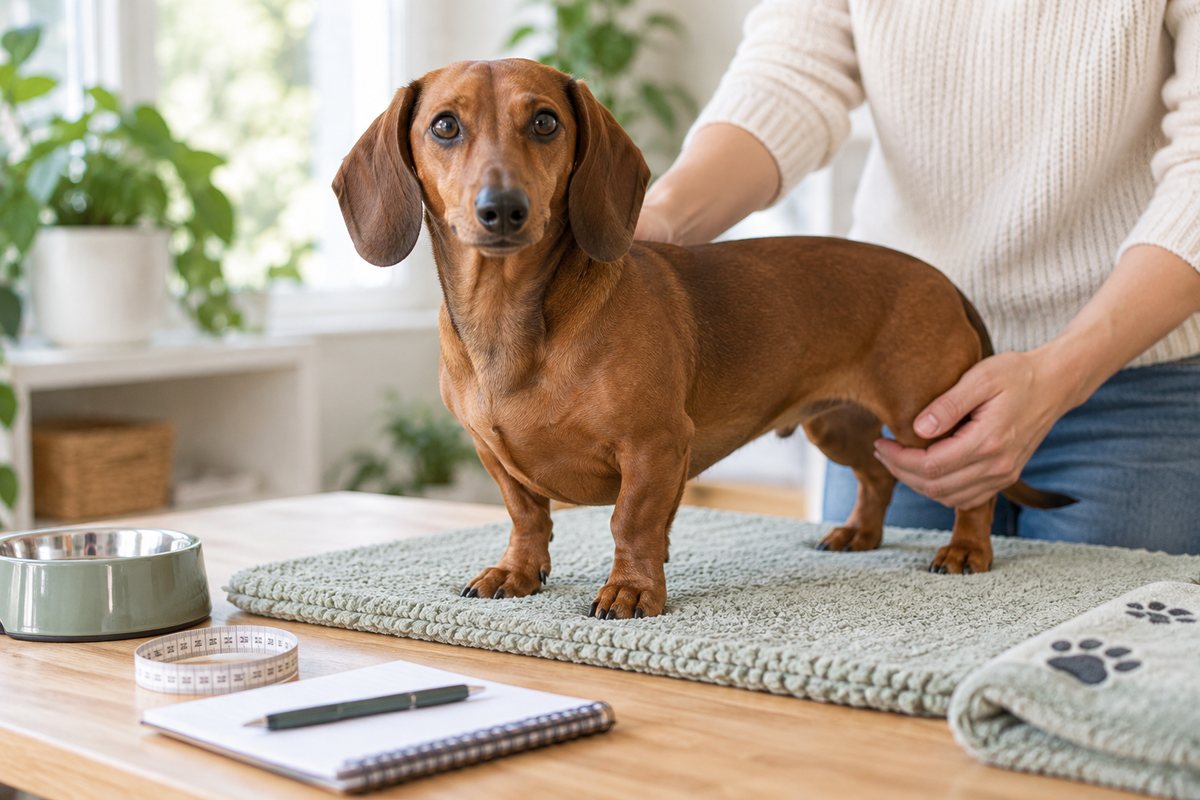
Smooth Haired Dachshund Grooming: quick answer
For most Dachshunds, smooth coat grooming should be simple, consistent, and gentle. Focus on loose hair, skin checks, nail care, ear checks, and simple weekly maintenance. The goal is not a perfect salon finish every time. The goal is a comfortable dog, healthy skin, short nails, clean ears, and early detection of problems.
| Area | What to check | Concern sign |
|---|---|---|
| Coat | Loose hair, mats, debris, dullness | Bald patches, sores, strong odor |
| Skin | Redness, flakes, bumps, parasites | Open sores or intense itching |
| Nails | Length, splitting, clicking on floors | Curling, bleeding, posture change |
| Ears | Odor, wax, redness, head shaking | Pain, discharge, repeated scratching |
| Mouth | Breath, gums, chewing comfort | Bad breath, red gums, loose teeth |
Best routine for this care task
Build the routine around your Dachshund’s coat type and tolerance. Smooth coats need less brushing but still need skin checks. Long-haired Dachshunds need more combing around ears, belly, legs, and tail. Wire-haired Dachshunds may need a groomer who understands coat texture. For this topic, the practical emphasis is loose hair, skin checks, nail care, ear checks, and simple weekly maintenance.
- Choose a non-slip surface before handling paws, ears, or coat.
- Keep sessions short enough that your dog can succeed.
- Reward small cooperation steps instead of waiting for a full session.
- Use dog-safe products and avoid harsh human shampoos or tools.
- Stop and check for pain if your Dachshund suddenly resists handling.
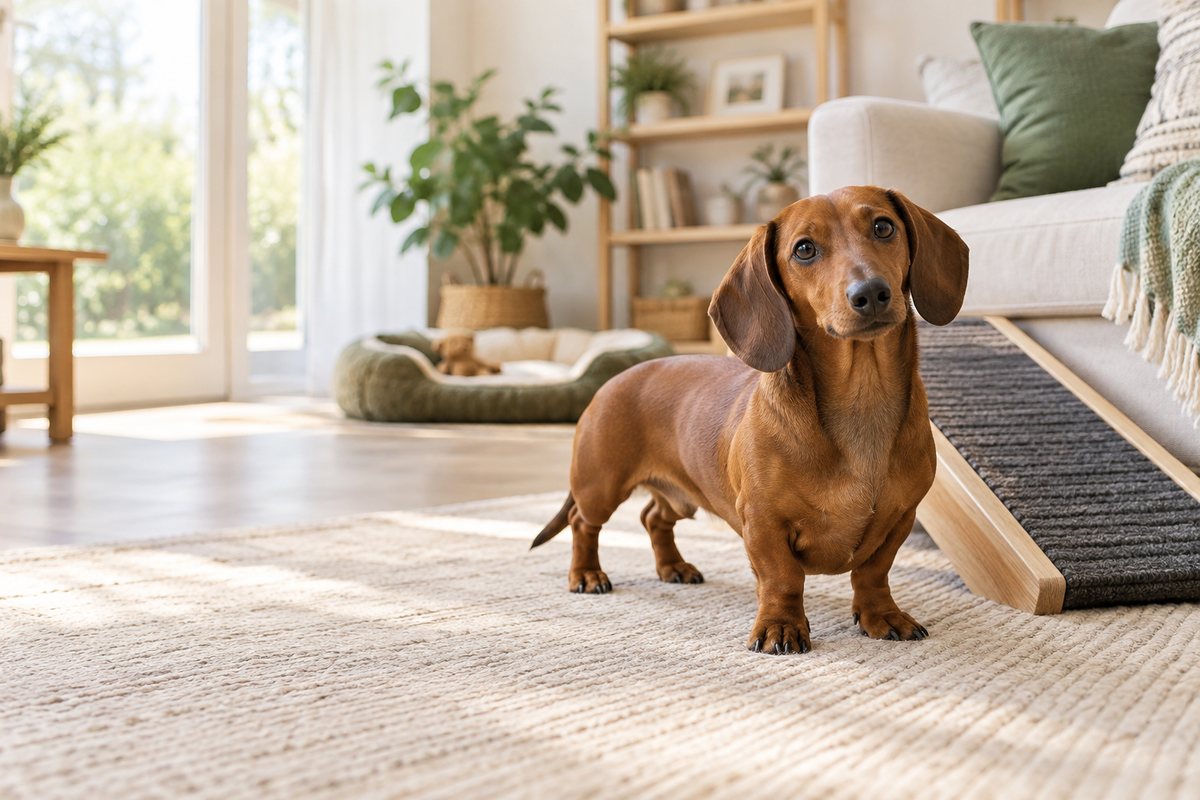
Schedule and frequency
Frequency depends on coat type, season, activity level, age, and health. A dog who hikes, wears harnesses often, or has long feathering may need more frequent checks than a smooth-coated indoor dog. Nails, ears, teeth, and skin should be checked on a schedule even when the coat looks fine.
| Task | Typical rhythm | Adjust when |
|---|---|---|
| Brushing | Weekly or more for long coats | Mats, shedding, mud, or harness friction |
| Bathing | As needed | Odor, dirt, vet-directed skin care |
| Nails | When they click or affect posture | Fast growth or low pavement wear |
| Ears | Weekly visual check | Odor, wax, redness, swimming, allergies |
| Teeth | Daily brushing if possible | Bad breath, red gums, tartar, pain |
Mistakes to avoid
Avoid waiting until grooming becomes urgent. Mats, overgrown nails, painful ears, and dental problems are harder to handle once your dog already feels discomfort. Do not force a long session when a short one would teach more cooperation. Do not use human products unless your veterinarian specifically approves them.
When to call a veterinarian or groomer
Call your veterinarian for skin sores, intense itching, repeated ear problems, limping, nail injuries, bad breath with red gums, pain, swelling, or sudden grooming resistance. Use a professional groomer for coat-specific trims, mats close to the skin, wire coat maintenance, or dogs who need a calmer trained setup than you can provide at home.
Focus area: coat-specific grooming workflow
This article should stay centered on smooth haired dachshund grooming. The practical focus is loose hair, skin checks, nail care, ear checks, and simple weekly maintenance. That keeps it separate from the broader grooming guide and from coat-type articles that answer different search intent.
| Area | What it means | Best next step |
|---|---|---|
| Smooth | Fast brush and skin check | Do not skip nails and teeth |
| Long | Comb friction areas | Do not brush only the top coat |
| Wire | Maintain texture with proper guidance | Do not clip without understanding tradeoffs |
At-home handling plan
Dachshunds often resist grooming because the session is too long, the surface is slippery, or the owner waits until something is already uncomfortable. Train handling separately from the full grooming job. Touch one paw, reward, and stop. Lift one ear, reward, and stop. Brush one small section, reward, and stop.
For smooth coat grooming, a calm two-minute routine repeated several times a week is usually more useful than a long session that becomes a wrestling match. Use the same place, the same reward style, and the same release cue so your dog can predict when the handling starts and ends.
- Use a towel or mat so your Dachshund does not slide.
- Keep tools within reach before you start.
- Reward cooperation while your dog is still calm.
- Stop before frustration builds.
- Book a vet or groomer visit for pain, odor, sores, mats, or sudden resistance.
Read next: how to groom a dachshund, wire haired dachshund grooming, how often to groom a dachshund. These related guides help you separate coat care, nail care, dental care, skin checks, and back-safe handling instead of trying to solve every care task in one session.
FAQ
How often should I check my Dachshund?
A quick weekly check is a good baseline. Long coats, itchy dogs, seniors, and dogs with ear or dental history may need more frequent checks.
What if my Dachshund hates grooming?
Make sessions shorter and easier. Reward one paw touch, one brush stroke, or one ear lift, then stop. Build cooperation before you attempt a full routine.
Can grooming help find health problems early?
Yes. Grooming lets you notice lumps, sore skin, parasites, ear odor, nail changes, dental issues, and pain responses before they become harder to treat.
Should I use a groomer or do it at home?
Many owners can handle basic brushing, checks, and toothbrushing at home. Use a groomer for coat-specific work, mats, nail help, or dogs who need experienced handling.
What should I avoid?
Avoid harsh products, forcing painful handling, shaving without a clear reason, ignoring red flags, or waiting until mats, nails, ears, or teeth become urgent.
Owner decision checklist
Use this checklist when handling smooth haired dachshund grooming at home. Keep the routine centered on smooth coat grooming. The care advice should stay practical: loose hair, skin checks, nail care, ear checks, and simple weekly maintenance. Home care is useful for prevention and monitoring, while pain, odor, sores, infection signs, and sudden resistance belong with a veterinarian or qualified groomer.
- Use a non-slip surface and set tools within reach before you start.
- Handle one small area at a time and reward cooperation early.
- Separate routine maintenance from pain, infection, allergy, or injury signs.
- Keep notes on timing, products used, visible changes, and what helped.
- Stop if your Dachshund shows pain, panic, bleeding, swelling, odor, or sudden resistance.
| Situation | Best response | Common mistake |
|---|---|---|
| Routine maintenance | Short home session with rewards | Doing too much at once |
| Mild change | Monitor for a few days and adjust products or schedule | Adding several new products at once |
| Pain or odor | Call the veterinarian or groomer | Covering the symptom with fragrance or trimming |
| Handling fear | Train touch separately from the full job | Holding the dog still until they give up |
What to do today, this week, and next month
| When | Action |
|---|---|
| Today | Do a short visual check and note any redness, odor, flakes, pain, or resistance |
| This week | Repeat small handling sessions and change only one product or routine at a time |
| This month | Compare coat, skin, nails, ears, mouth, and comfort with your notes |
| If symptoms persist | Book a veterinarian or groomer visit rather than layering home fixes |
The timeline matters because Dachshund problems often become habits through repetition. A single good purchase, one calm training session, or one careful grooming check is a start, but the result comes from repeating the same clear setup. Keep the routine small enough that you can actually follow it.
Real-life example
Imagine the problem happens on a normal weekday, not during a perfect training session. You are busy, your Dachshund is excited, and the old habit is easier than the new one. The useful plan is the one that still works in that moment. Set up the room, walk route, grooming surface, crate area, or product placement before your dog has a chance to rehearse the unwanted pattern. Reward the first small success, stop while the session is still calm, and repeat the same setup tomorrow. This is how a practical Dachshund routine becomes reliable. If the setup feels too complicated to repeat daily, simplify it until it fits normal life and your dog can predict it.
For grooming and care topics, define what you should do today, what you should monitor this week, and what should wait for a professional. That distinction is especially useful for Dachshunds because small handling problems can turn into avoidance. A simple home routine is fine for brushing, checking, and prevention. Pain, odor, sores, infection signs, sudden resistance, or repeated skin and ear problems belong with a veterinarian or qualified groomer. Keep notes on timing, products used, and visible changes.
Dachshund topics often overlap because behavior, gear, grooming, and health all affect one another. The best plan is specific: name the trigger or task, make the setup easier, reward cooperation, and watch whether your dog becomes calmer and more comfortable over time.
Sources
- AKC: Dog Grooming Tips
- AKC: How to Trim Dog Nails
- AKC: How to Clean Dog Ears
- AVMA: Dental Care for Pets
- VCA: Allergies in Dogs