Category: Behavior

Understand Dachshund barking, digging, anxiety, clinginess, sleeping habits, and everyday personality quirks.

  • Why Do Dachshunds Chase Squirrels? Causes, Meaning & What to Do

    Why Do Dachshunds Chase Squirrels? Causes, Meaning & What to Do

    If you are wondering why do dachshunds chase squirrels, the answer usually depends on context, body language, age, health, and what happens right before and after the behavior. For Dachshunds, the common pattern often involves prey drive, movement triggers, hunting history, and rehearsal on walks. This guide helps you separate normal breed behavior from signs that need training, management, or veterinary help.
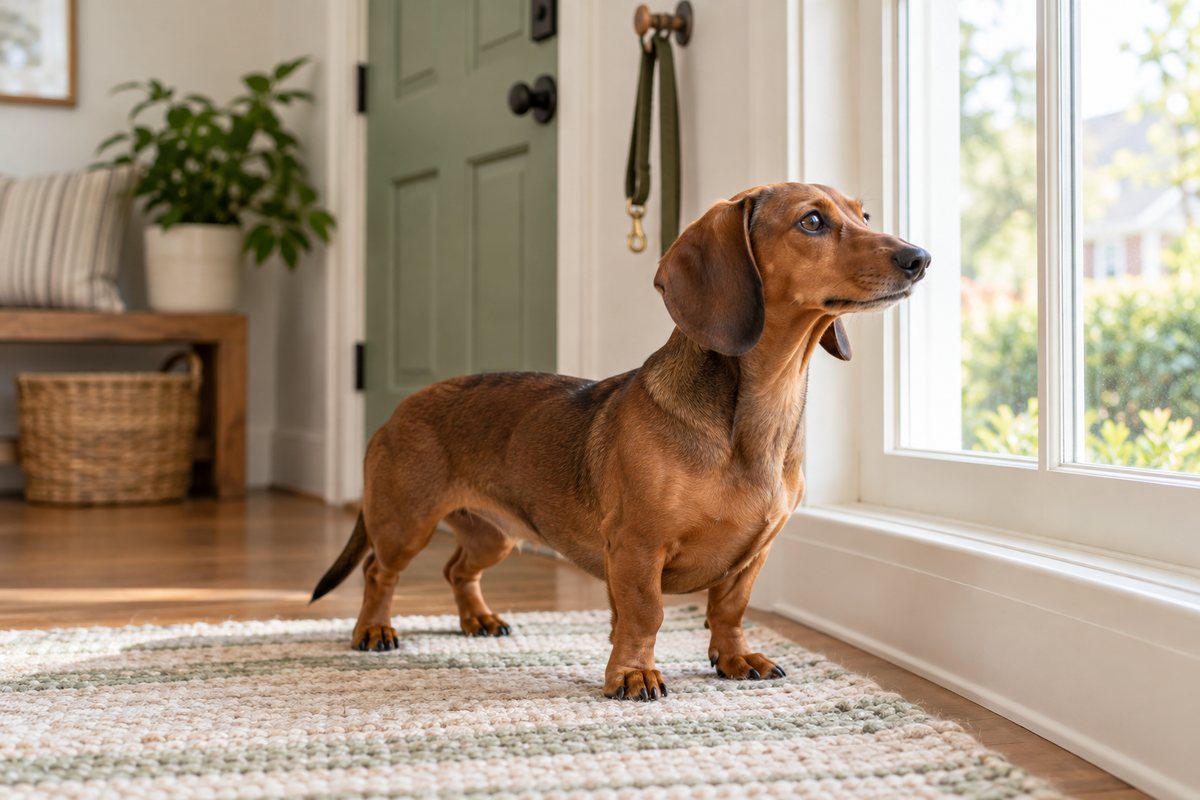
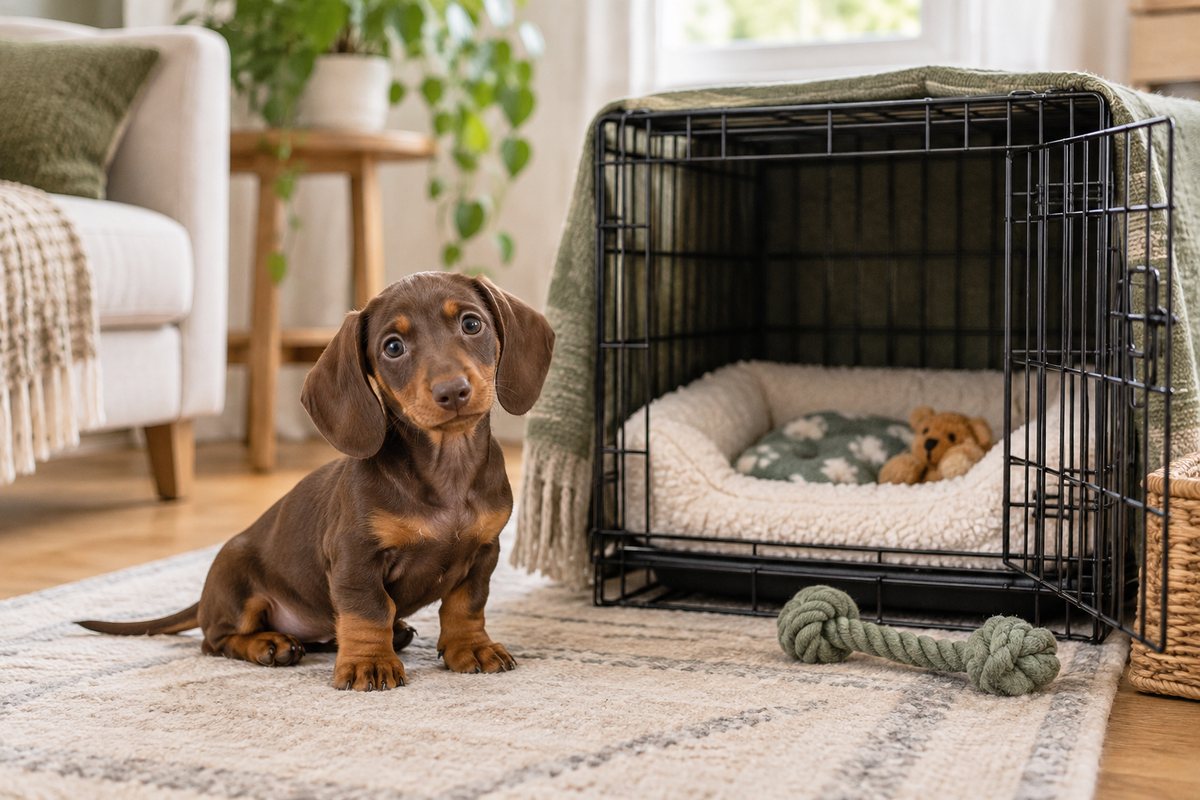
    Dachshund showing alert behavior at home for why do dachshunds chase squirrels

    Why Do Dachshunds Chase Squirrels: quick answer

    A Dachshund may do this because of prey drive, movement triggers, hunting history, and rehearsal on walks. The fastest way to understand it is to track the situation, the body language, and the result. In most homes, the first step is to use distance, leash safety, recall games, and legal chase alternatives. Do not punish communication, especially if the behavior may be linked to fear, pain, stress, or a learned request.

    ClueMore normalNeeds closer attention
    Body languageLoose body, soft eyes, easy recoveryStiff body, hard stare, hiding, or repeated escalation
    TimingPredictable and briefSudden, intense, or increasing
    InterruptsCan respond to name, treat, or cueCannot disengage or returns immediately
    HealthNormal appetite, movement, and moodPain, vomiting, limping, weakness, or appetite change
    PatternClear trigger and quick recoveryMany triggers or no obvious context

    Why Dachshunds may do this

    Dachshunds are alert, persistent, social dogs. Those traits can make small behaviors look intense. A dog who wants information may stare, paw, whine, or follow. A dog who feels pressured may growl, nip, freeze, or avoid. A dog who is bored may dig, chase, chew, or invent attention-seeking routines. The meaning changes with context.

    For this specific behavior, pay special attention to prey drive, movement triggers, hunting history, and rehearsal on walks. If it happens at the same time every day, around the same person, near food or toys, during weather changes, or when you leave, the pattern is giving you the training plan.

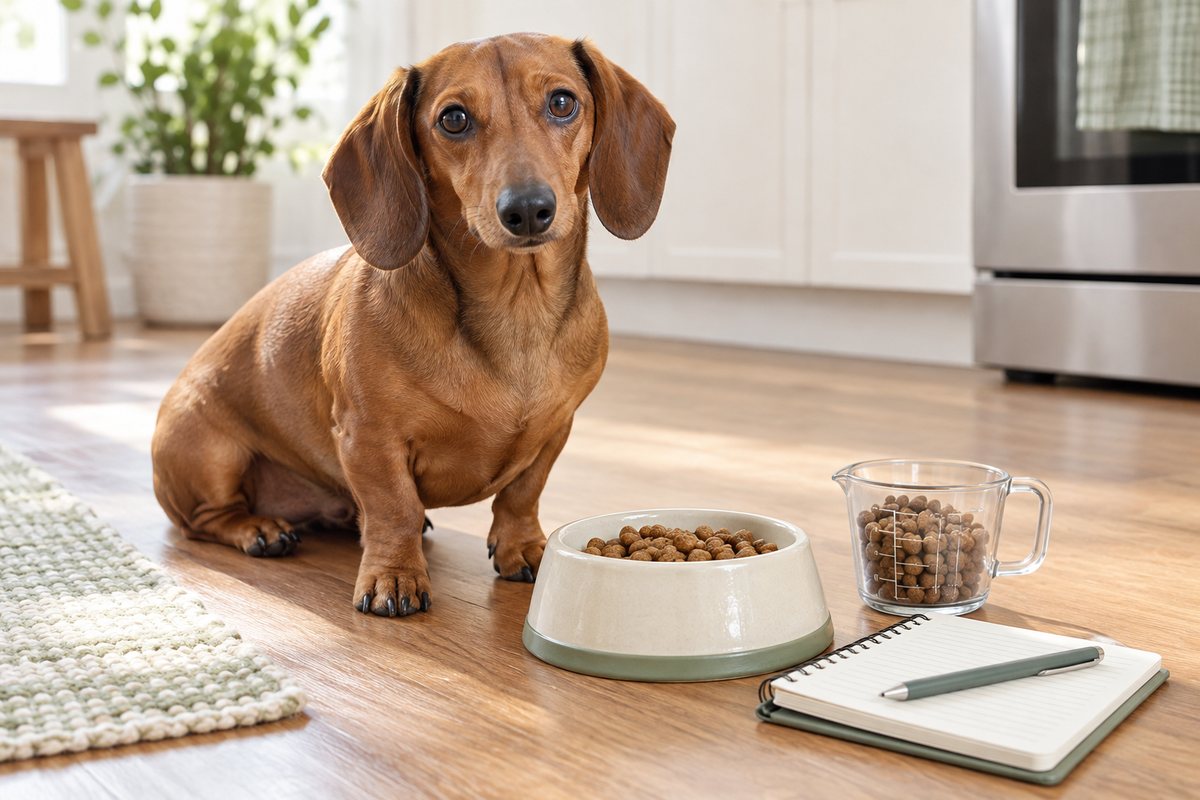
    Dachshund watching their owner for social cues for why do dachshunds chase squirrels

    What to do first

    1. Write down when the behavior happens for three days.
    2. Note what happened right before and what your dog got afterward.
    3. Reduce rehearsal by changing the environment before the trigger appears.
    4. Teach one replacement behavior such as mat, check-in, leave it, settle, or a polite request.
    5. Reward calm choices early, before the behavior becomes intense.
    6. Call your veterinarian for sudden behavior changes or signs of pain or illness.

    Training and management plan

    Start with management, then train. Management prevents the behavior from getting stronger while you teach a better option. For example, use gates, leashes, blocked windows, predictable bedtime routines, safe chew options, rain gear, or a covered potty area depending on the trigger.

    Owner moveWhy it helpsExample
    Add distanceLowers pressureMove away from strangers, dogs, or exciting wildlife
    Reward earlyCatches the calm momentTreat before whining, barking, or jumping starts
    Use a cueGives the dog a clear jobMat, sit, touch, leave it, or come
    Change routineRemoves predictable failure pointsPotty before storms or settle before departures
    Track healthAvoids missing pain or illnessVet check for sudden changes

    When to get help

    Get professional help sooner if the behavior includes biting, repeated growling, panic when alone, sudden personality change, loss of appetite, pain signs, or behavior that puts people or dogs at risk. A qualified reward-based trainer can help with fear, reactivity, guarding, and separation-related problems. A veterinarian should be involved when pain, nausea, skin discomfort, mobility changes, or age-related changes are possible.

    Focus area: instinct, enrichment, and trigger control

    The important part of why do dachshunds chase squirrels is not the behavior label by itself. It is the pattern. For this article, focus on prey drive, movement triggers, hunting history, and rehearsal on walks. The first owner move is to use distance, leash safety, recall games, and legal chase alternatives. That keeps the topic distinct from broader Dachshund behavior articles.

    PatternPossible meaningOwner response
    Happens outdoorsScent or movement triggerUse leash distance and recall games
    Happens when boredNeeds a legal outletAdd sniffing, digging box, or puzzle work
    Happens before routinesPrediction and excitementReward calm waiting early

    A 7-day observation reset

    For one week, treat the behavior like data. Write down the time, location, trigger, body language, your response, and how quickly your Dachshund recovered. Do not try five fixes at once. Change one setup, reward one replacement behavior, and compare whether the behavior becomes shorter, softer, or easier to interrupt.

    1. Day 1 to 2: track without changing much so you can see the real pattern.
    2. Day 3 to 4: reduce the most obvious trigger or rehearsal point.
    3. Day 5: teach or refresh one replacement cue.
    4. Day 6: reward the earliest calm moment before the behavior escalates.
    5. Day 7: decide whether this is training, management, or a vet/trainer question.

    Progress may look small at first. A Dachshund who recovers in thirty seconds instead of three minutes is improving. A dog who can take a treat, look back at you, or move away from the trigger is giving you workable behavior.

    Read next: why do dachshunds bark so much, dachshund prey drive, why do dachshunds roll on their backs. Use those guides when the behavior connects to barking, training foundations, fear, handling, sleep, or other trigger-specific patterns.

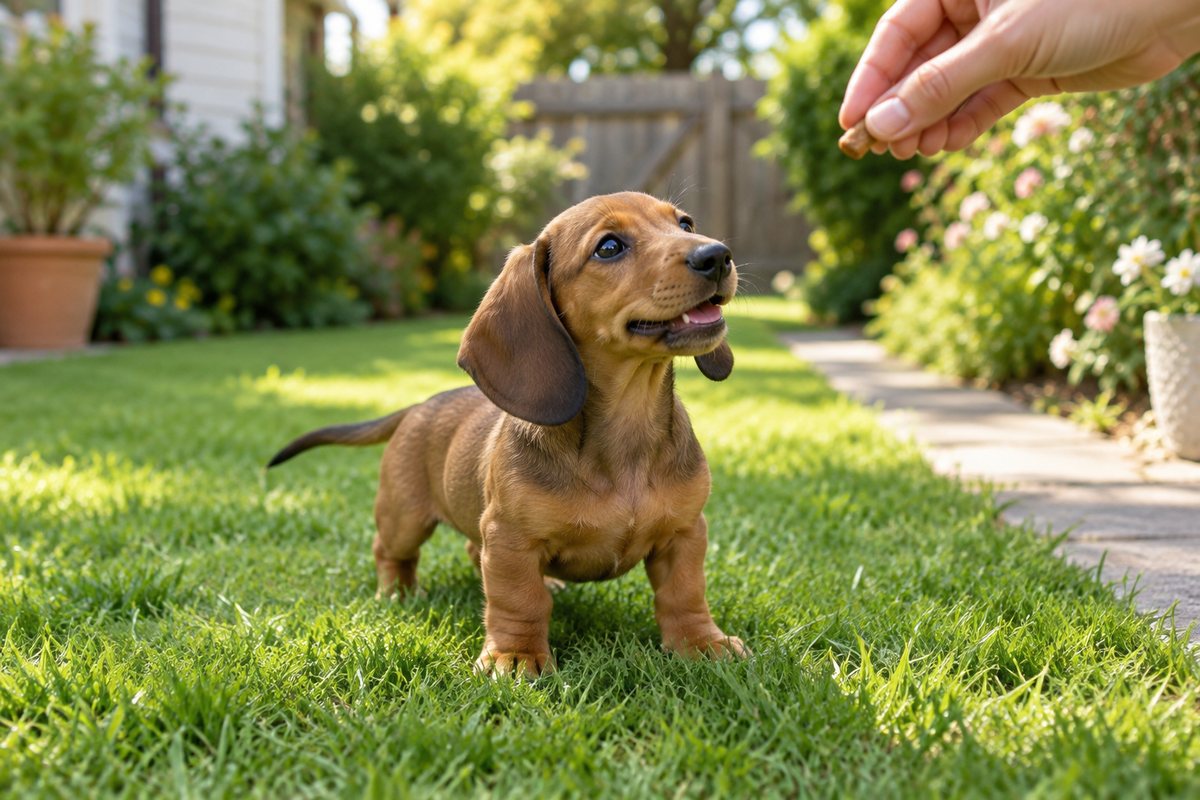
    Dachshund resting calmly after a predictable routine for why do dachshunds chase squirrels

    FAQ

    Is this behavior normal for Dachshunds?

    It can be normal when it is mild, predictable, and easy to interrupt. It deserves more attention when it is new, intense, unsafe, or paired with stress or health changes.

    Should I punish the behavior?

    Punishment can hide warning signs and increase stress. It is usually safer to change the setup, reward a replacement behavior, and address the reason behind the behavior.

    How long does training take?

    Simple learned habits may improve in a few weeks. Fear, pain, separation issues, and long-rehearsed behavior can take longer and may need professional support.

    What if the behavior started suddenly?

    Sudden changes should be treated as information. Check for pain, illness, medication changes, environment changes, and stress before assuming it is stubbornness.

    Can enrichment help?

    Yes, enrichment can reduce boredom and frustration. It works best when matched to the trigger and paired with training, not used as the only solution.

    Owner decision checklist

    Use this checklist when you are trying to understand why do dachshunds chase squirrels at home. Keep the focus on the behavior pattern, not just the label. The most useful clues are still prey drive, movement triggers, hunting history, and rehearsal on walks, and the first move is to use distance, leash safety, recall games, and legal chase alternatives.

    • Write down the trigger, time, location, and what happened afterward.
    • Look at the whole body: posture, eyes, tail, mouth, movement, and recovery.
    • Change the setup before the behavior reaches full intensity.
    • Reward one calmer replacement behavior instead of arguing with the old one.
    • Ask for help if the behavior is sudden, unsafe, painful, or getting worse.
    SituationBest responseCommon mistake
    Mild and predictableTrack pattern and reward an alternate behaviorAssuming it will disappear by itself
    Sudden changeCheck pain, illness, stress, and environment changesCalling it stubbornness immediately
    Fear or guardingAdd distance and lower pressurePunishing the warning sign
    Panic or bite riskUse management and professional helpTesting the dog repeatedly

    What to do today, this week, and next month

    WhenAction
    TodayWrite down the trigger, body language, and your response
    This weekReduce one rehearsal point and reward one calmer replacement behavior
    After seven daysCompare recovery time, intensity, and interruptibility
    If worsePause experiments and contact a veterinarian or reward-based trainer

    The timeline matters because Dachshund problems often become habits through repetition. A single good purchase, one calm training session, or one careful grooming check is a start, but the result comes from repeating the same clear setup. Keep the routine small enough that you can actually follow it.

    Real-life example

    Imagine the problem happens on a normal weekday, not during a perfect training session. You are busy, your Dachshund is excited, and the old habit is easier than the new one. The useful plan is the one that still works in that moment. Set up the room, walk route, grooming surface, crate area, or product placement before your dog has a chance to rehearse the unwanted pattern. Reward the first small success, stop while the session is still calm, and repeat the same setup tomorrow. This is how a practical Dachshund routine becomes reliable. If the setup feels too complicated to repeat daily, simplify it until it fits normal life and your dog can predict it.

    A narrow plan is easier to follow than a long list of unrelated tips. Solve the exact problem in front of you first, then use related guides for nearby questions such as training, safe handling, grooming, toys, crates, ramps, or health warning signs.

    Dachshund topics often overlap because behavior, gear, grooming, and health all affect one another. The best plan is specific: name the trigger or task, make the setup easier, reward cooperation, and watch whether your dog becomes calmer and more comfortable over time.

    Sources


    Related Dachshund guides

  • Why Does my Dachshund Nip? Causes, Meaning & What to Do

    Why Does my Dachshund Nip? Causes, Meaning & What to Do

    If you are wondering why does my dachshund nip, the answer usually depends on context, body language, age, health, and what happens right before and after the behavior. For Dachshunds, the common pattern often involves puppy play, excitement, herding-style grabbing, overtiredness, or attention. This guide helps you separate normal breed behavior from signs that need training, management, or veterinary help.

    Dachshund showing alert behavior at home for why does my dachshund nip

    Why Does my Dachshund Nip: quick answer

    A Dachshund may do this because of puppy play, excitement, herding-style grabbing, overtiredness, or attention. The fastest way to understand it is to track the situation, the body language, and the result. In most homes, the first step is to redirect early and add naps before nipping becomes a habit. Do not punish communication, especially if the behavior may be linked to fear, pain, stress, or a learned request.

    ClueMore normalNeeds closer attention
    Body languageLoose body, soft eyes, easy recoveryStiff body, hard stare, hiding, or repeated escalation
    TimingPredictable and briefSudden, intense, or increasing
    InterruptsCan respond to name, treat, or cueCannot disengage or returns immediately
    HealthNormal appetite, movement, and moodPain, vomiting, limping, weakness, or appetite change
    PatternClear trigger and quick recoveryMany triggers or no obvious context

    Why Dachshunds may do this

    Dachshunds are alert, persistent, social dogs. Those traits can make small behaviors look intense. A dog who wants information may stare, paw, whine, or follow. A dog who feels pressured may growl, nip, freeze, or avoid. A dog who is bored may dig, chase, chew, or invent attention-seeking routines. The meaning changes with context.

    For this specific behavior, pay special attention to puppy play, excitement, herding-style grabbing, overtiredness, or attention. If it happens at the same time every day, around the same person, near food or toys, during weather changes, or when you leave, the pattern is giving you the training plan.

    Dachshund watching their owner for social cues for why does my dachshund nip

    What to do first

    1. Write down when the behavior happens for three days.
    2. Note what happened right before and what your dog got afterward.
    3. Reduce rehearsal by changing the environment before the trigger appears.
    4. Teach one replacement behavior such as mat, check-in, leave it, settle, or a polite request.
    5. Reward calm choices early, before the behavior becomes intense.
    6. Call your veterinarian for sudden behavior changes or signs of pain or illness.

    Training and management plan

    Start with management, then train. Management prevents the behavior from getting stronger while you teach a better option. For example, use gates, leashes, blocked windows, predictable bedtime routines, safe chew options, rain gear, or a covered potty area depending on the trigger.

    Owner moveWhy it helpsExample
    Add distanceLowers pressureMove away from strangers, dogs, or exciting wildlife
    Reward earlyCatches the calm momentTreat before whining, barking, or jumping starts
    Use a cueGives the dog a clear jobMat, sit, touch, leave it, or come
    Change routineRemoves predictable failure pointsPotty before storms or settle before departures
    Track healthAvoids missing pain or illnessVet check for sudden changes

    When to get help

    Get professional help sooner if the behavior includes biting, repeated growling, panic when alone, sudden personality change, loss of appetite, pain signs, or behavior that puts people or dogs at risk. A qualified reward-based trainer can help with fear, reactivity, guarding, and separation-related problems. A veterinarian should be involved when pain, nausea, skin discomfort, mobility changes, or age-related changes are possible.

    Focus area: safety and warning signs

    The important part of why does my dachshund nip is not the behavior label by itself. It is the pattern. For this article, focus on puppy play, excitement, herding-style grabbing, overtiredness, or attention. The first owner move is to redirect early and add naps before nipping becomes a habit. That keeps the topic distinct from broader Dachshund behavior articles.

    PatternPossible meaningOwner response
    Food, toy, or lap conflictPossible guarding or pressureCreate space and train trades
    Handling or liftingPain, fear, or restraint concernStop and rebuild handling gradually
    Overtired puppyArousal and poor impulse controlAdd naps and redirect to legal chewing

    A 7-day observation reset

    For one week, treat the behavior like data. Write down the time, location, trigger, body language, your response, and how quickly your Dachshund recovered. Do not try five fixes at once. Change one setup, reward one replacement behavior, and compare whether the behavior becomes shorter, softer, or easier to interrupt.

    1. Day 1 to 2: track without changing much so you can see the real pattern.
    2. Day 3 to 4: reduce the most obvious trigger or rehearsal point.
    3. Day 5: teach or refresh one replacement cue.
    4. Day 6: reward the earliest calm moment before the behavior escalates.
    5. Day 7: decide whether this is training, management, or a vet/trainer question.

    Progress may look small at first. A Dachshund who recovers in thirty seconds instead of three minutes is improving. A dog who can take a treat, look back at you, or move away from the trigger is giving you workable behavior.

    Read next: why do dachshunds bark so much, why does my dachshund bite, dachshund resource guarding. Use those guides when the behavior connects to barking, training foundations, fear, handling, sleep, or other trigger-specific patterns.

    Dachshund resting calmly after a predictable routine for why does my dachshund nip

    FAQ

    Is this behavior normal for Dachshunds?

    It can be normal when it is mild, predictable, and easy to interrupt. It deserves more attention when it is new, intense, unsafe, or paired with stress or health changes.

    Should I punish the behavior?

    Punishment can hide warning signs and increase stress. It is usually safer to change the setup, reward a replacement behavior, and address the reason behind the behavior.

    How long does training take?

    Simple learned habits may improve in a few weeks. Fear, pain, separation issues, and long-rehearsed behavior can take longer and may need professional support.

    What if the behavior started suddenly?

    Sudden changes should be treated as information. Check for pain, illness, medication changes, environment changes, and stress before assuming it is stubbornness.

    Can enrichment help?

    Yes, enrichment can reduce boredom and frustration. It works best when matched to the trigger and paired with training, not used as the only solution.

    Owner decision checklist

    Use this checklist when you are trying to understand why does my dachshund nip at home. Keep the focus on the behavior pattern, not just the label. The most useful clues are still puppy play, excitement, herding-style grabbing, overtiredness, or attention, and the first move is to redirect early and add naps before nipping becomes a habit.

    • Write down the trigger, time, location, and what happened afterward.
    • Look at the whole body: posture, eyes, tail, mouth, movement, and recovery.
    • Change the setup before the behavior reaches full intensity.
    • Reward one calmer replacement behavior instead of arguing with the old one.
    • Ask for help if the behavior is sudden, unsafe, painful, or getting worse.
    SituationBest responseCommon mistake
    Mild and predictableTrack pattern and reward an alternate behaviorAssuming it will disappear by itself
    Sudden changeCheck pain, illness, stress, and environment changesCalling it stubbornness immediately
    Fear or guardingAdd distance and lower pressurePunishing the warning sign
    Panic or bite riskUse management and professional helpTesting the dog repeatedly

    What to do today, this week, and next month

    WhenAction
    TodayWrite down the trigger, body language, and your response
    This weekReduce one rehearsal point and reward one calmer replacement behavior
    After seven daysCompare recovery time, intensity, and interruptibility
    If worsePause experiments and contact a veterinarian or reward-based trainer

    The timeline matters because Dachshund problems often become habits through repetition. A single good purchase, one calm training session, or one careful grooming check is a start, but the result comes from repeating the same clear setup. Keep the routine small enough that you can actually follow it.

    Real-life example

    Imagine the problem happens on a normal weekday, not during a perfect training session. You are busy, your Dachshund is excited, and the old habit is easier than the new one. The useful plan is the one that still works in that moment. Set up the room, walk route, grooming surface, crate area, or product placement before your dog has a chance to rehearse the unwanted pattern. Reward the first small success, stop while the session is still calm, and repeat the same setup tomorrow. This is how a practical Dachshund routine becomes reliable. If the setup feels too complicated to repeat daily, simplify it until it fits normal life and your dog can predict it.

    A narrow plan is easier to follow than a long list of unrelated tips. Solve the exact problem in front of you first, then use related guides for nearby questions such as training, safe handling, grooming, toys, crates, ramps, or health warning signs.

    Dachshund topics often overlap because behavior, gear, grooming, and health all affect one another. The best plan is specific: name the trigger or task, make the setup easier, reward cooperation, and watch whether your dog becomes calmer and more comfortable over time.

    Sources


    Related Dachshund guides

  • Why Does my Dachshund Bite? Causes, Meaning & What to Do

    Why Does my Dachshund Bite? Causes, Meaning & What to Do

    If you are wondering why does my dachshund bite, the answer usually depends on context, body language, age, health, and what happens right before and after the behavior. For Dachshunds, the common pattern often involves fear, pain, guarding, over-arousal, or poor handling. This guide helps you separate normal breed behavior from signs that need training, management, or veterinary help.

    Dachshund showing alert behavior at home for why does my dachshund bite

    Why Does my Dachshund Bite: quick answer

    A Dachshund may do this because of fear, pain, guarding, over-arousal, or poor handling. The fastest way to understand it is to track the situation, the body language, and the result. In most homes, the first step is to manage safety first and use professional help for repeated biting. Do not punish communication, especially if the behavior may be linked to fear, pain, stress, or a learned request.

    ClueMore normalNeeds closer attention
    Body languageLoose body, soft eyes, easy recoveryStiff body, hard stare, hiding, or repeated escalation
    TimingPredictable and briefSudden, intense, or increasing
    InterruptsCan respond to name, treat, or cueCannot disengage or returns immediately
    HealthNormal appetite, movement, and moodPain, vomiting, limping, weakness, or appetite change
    PatternClear trigger and quick recoveryMany triggers or no obvious context

    Why Dachshunds may do this

    Dachshunds are alert, persistent, social dogs. Those traits can make small behaviors look intense. A dog who wants information may stare, paw, whine, or follow. A dog who feels pressured may growl, nip, freeze, or avoid. A dog who is bored may dig, chase, chew, or invent attention-seeking routines. The meaning changes with context.

    For this specific behavior, pay special attention to fear, pain, guarding, over-arousal, or poor handling. If it happens at the same time every day, around the same person, near food or toys, during weather changes, or when you leave, the pattern is giving you the training plan.

    Dachshund watching their owner for social cues for why does my dachshund bite

    What to do first

    1. Write down when the behavior happens for three days.
    2. Note what happened right before and what your dog got afterward.
    3. Reduce rehearsal by changing the environment before the trigger appears.
    4. Teach one replacement behavior such as mat, check-in, leave it, settle, or a polite request.
    5. Reward calm choices early, before the behavior becomes intense.
    6. Call your veterinarian for sudden behavior changes or signs of pain or illness.

    Training and management plan

    Start with management, then train. Management prevents the behavior from getting stronger while you teach a better option. For example, use gates, leashes, blocked windows, predictable bedtime routines, safe chew options, rain gear, or a covered potty area depending on the trigger.

    Owner moveWhy it helpsExample
    Add distanceLowers pressureMove away from strangers, dogs, or exciting wildlife
    Reward earlyCatches the calm momentTreat before whining, barking, or jumping starts
    Use a cueGives the dog a clear jobMat, sit, touch, leave it, or come
    Change routineRemoves predictable failure pointsPotty before storms or settle before departures
    Track healthAvoids missing pain or illnessVet check for sudden changes

    When to get help

    Get professional help sooner if the behavior includes biting, repeated growling, panic when alone, sudden personality change, loss of appetite, pain signs, or behavior that puts people or dogs at risk. A qualified reward-based trainer can help with fear, reactivity, guarding, and separation-related problems. A veterinarian should be involved when pain, nausea, skin discomfort, mobility changes, or age-related changes are possible.

    Focus area: safety and warning signs

    The important part of why does my dachshund bite is not the behavior label by itself. It is the pattern. For this article, focus on fear, pain, guarding, over-arousal, or poor handling. The first owner move is to manage safety first and use professional help for repeated biting. That keeps the topic distinct from broader Dachshund behavior articles.

    PatternPossible meaningOwner response
    Food, toy, or lap conflictPossible guarding or pressureCreate space and train trades
    Handling or liftingPain, fear, or restraint concernStop and rebuild handling gradually
    Overtired puppyArousal and poor impulse controlAdd naps and redirect to legal chewing

    A 7-day observation reset

    For one week, treat the behavior like data. Write down the time, location, trigger, body language, your response, and how quickly your Dachshund recovered. Do not try five fixes at once. Change one setup, reward one replacement behavior, and compare whether the behavior becomes shorter, softer, or easier to interrupt.

    1. Day 1 to 2: track without changing much so you can see the real pattern.
    2. Day 3 to 4: reduce the most obvious trigger or rehearsal point.
    3. Day 5: teach or refresh one replacement cue.
    4. Day 6: reward the earliest calm moment before the behavior escalates.
    5. Day 7: decide whether this is training, management, or a vet/trainer question.

    Progress may look small at first. A Dachshund who recovers in thirty seconds instead of three minutes is improving. A dog who can take a treat, look back at you, or move away from the trigger is giving you workable behavior.

    Read next: why do dachshunds bark so much, why does my dachshund growl, why does my dachshund nip. Use those guides when the behavior connects to barking, training foundations, fear, handling, sleep, or other trigger-specific patterns.

    Dachshund resting calmly after a predictable routine for why does my dachshund bite

    FAQ

    Is this behavior normal for Dachshunds?

    It can be normal when it is mild, predictable, and easy to interrupt. It deserves more attention when it is new, intense, unsafe, or paired with stress or health changes.

    Should I punish the behavior?

    Punishment can hide warning signs and increase stress. It is usually safer to change the setup, reward a replacement behavior, and address the reason behind the behavior.

    How long does training take?

    Simple learned habits may improve in a few weeks. Fear, pain, separation issues, and long-rehearsed behavior can take longer and may need professional support.

    What if the behavior started suddenly?

    Sudden changes should be treated as information. Check for pain, illness, medication changes, environment changes, and stress before assuming it is stubbornness.

    Can enrichment help?

    Yes, enrichment can reduce boredom and frustration. It works best when matched to the trigger and paired with training, not used as the only solution.

    Owner decision checklist

    Use this checklist when you are trying to understand why does my dachshund bite at home. Keep the focus on the behavior pattern, not just the label. The most useful clues are still fear, pain, guarding, over-arousal, or poor handling, and the first move is to manage safety first and use professional help for repeated biting.

    • Write down the trigger, time, location, and what happened afterward.
    • Look at the whole body: posture, eyes, tail, mouth, movement, and recovery.
    • Change the setup before the behavior reaches full intensity.
    • Reward one calmer replacement behavior instead of arguing with the old one.
    • Ask for help if the behavior is sudden, unsafe, painful, or getting worse.
    SituationBest responseCommon mistake
    Mild and predictableTrack pattern and reward an alternate behaviorAssuming it will disappear by itself
    Sudden changeCheck pain, illness, stress, and environment changesCalling it stubbornness immediately
    Fear or guardingAdd distance and lower pressurePunishing the warning sign
    Panic or bite riskUse management and professional helpTesting the dog repeatedly

    What to do today, this week, and next month

    WhenAction
    TodayWrite down the trigger, body language, and your response
    This weekReduce one rehearsal point and reward one calmer replacement behavior
    After seven daysCompare recovery time, intensity, and interruptibility
    If worsePause experiments and contact a veterinarian or reward-based trainer

    The timeline matters because Dachshund problems often become habits through repetition. A single good purchase, one calm training session, or one careful grooming check is a start, but the result comes from repeating the same clear setup. Keep the routine small enough that you can actually follow it.

    Real-life example

    Imagine the problem happens on a normal weekday, not during a perfect training session. You are busy, your Dachshund is excited, and the old habit is easier than the new one. The useful plan is the one that still works in that moment. Set up the room, walk route, grooming surface, crate area, or product placement before your dog has a chance to rehearse the unwanted pattern. Reward the first small success, stop while the session is still calm, and repeat the same setup tomorrow. This is how a practical Dachshund routine becomes reliable. If the setup feels too complicated to repeat daily, simplify it until it fits normal life and your dog can predict it.

    A narrow plan is easier to follow than a long list of unrelated tips. Solve the exact problem in front of you first, then use related guides for nearby questions such as training, safe handling, grooming, toys, crates, ramps, or health warning signs.

    Dachshund topics often overlap because behavior, gear, grooming, and health all affect one another. The best plan is specific: name the trigger or task, make the setup easier, reward cooperation, and watch whether your dog becomes calmer and more comfortable over time.

    Sources


    Related Dachshund guides

  • Why Does my Dachshund Growl? Causes, Meaning & What to Do

    Why Does my Dachshund Growl? Causes, Meaning & What to Do

    If you are wondering why does my dachshund growl, the answer usually depends on context, body language, age, health, and what happens right before and after the behavior. For Dachshunds, the common pattern often involves warning communication, fear, pain, guarding, or pressure. This guide helps you separate normal breed behavior from signs that need training, management, or veterinary help.

    Dachshund showing alert behavior at home for why does my dachshund growl

    Why Does my Dachshund Growl: quick answer

    A Dachshund may do this because of warning communication, fear, pain, guarding, or pressure. The fastest way to understand it is to track the situation, the body language, and the result. In most homes, the first step is to respect the warning and change the setup instead of punishing the growl. Do not punish communication, especially if the behavior may be linked to fear, pain, stress, or a learned request.

    ClueMore normalNeeds closer attention
    Body languageLoose body, soft eyes, easy recoveryStiff body, hard stare, hiding, or repeated escalation
    TimingPredictable and briefSudden, intense, or increasing
    InterruptsCan respond to name, treat, or cueCannot disengage or returns immediately
    HealthNormal appetite, movement, and moodPain, vomiting, limping, weakness, or appetite change
    PatternClear trigger and quick recoveryMany triggers or no obvious context

    Why Dachshunds may do this

    Dachshunds are alert, persistent, social dogs. Those traits can make small behaviors look intense. A dog who wants information may stare, paw, whine, or follow. A dog who feels pressured may growl, nip, freeze, or avoid. A dog who is bored may dig, chase, chew, or invent attention-seeking routines. The meaning changes with context.

    For this specific behavior, pay special attention to warning communication, fear, pain, guarding, or pressure. If it happens at the same time every day, around the same person, near food or toys, during weather changes, or when you leave, the pattern is giving you the training plan.

    Dachshund watching their owner for social cues for why does my dachshund growl

    What to do first

    1. Write down when the behavior happens for three days.
    2. Note what happened right before and what your dog got afterward.
    3. Reduce rehearsal by changing the environment before the trigger appears.
    4. Teach one replacement behavior such as mat, check-in, leave it, settle, or a polite request.
    5. Reward calm choices early, before the behavior becomes intense.
    6. Call your veterinarian for sudden behavior changes or signs of pain or illness.

    Training and management plan

    Start with management, then train. Management prevents the behavior from getting stronger while you teach a better option. For example, use gates, leashes, blocked windows, predictable bedtime routines, safe chew options, rain gear, or a covered potty area depending on the trigger.

    Owner moveWhy it helpsExample
    Add distanceLowers pressureMove away from strangers, dogs, or exciting wildlife
    Reward earlyCatches the calm momentTreat before whining, barking, or jumping starts
    Use a cueGives the dog a clear jobMat, sit, touch, leave it, or come
    Change routineRemoves predictable failure pointsPotty before storms or settle before departures
    Track healthAvoids missing pain or illnessVet check for sudden changes

    When to get help

    Get professional help sooner if the behavior includes biting, repeated growling, panic when alone, sudden personality change, loss of appetite, pain signs, or behavior that puts people or dogs at risk. A qualified reward-based trainer can help with fear, reactivity, guarding, and separation-related problems. A veterinarian should be involved when pain, nausea, skin discomfort, mobility changes, or age-related changes are possible.

    Focus area: safety and warning signs

    The important part of why does my dachshund growl is not the behavior label by itself. It is the pattern. For this article, focus on warning communication, fear, pain, guarding, or pressure. The first owner move is to respect the warning and change the setup instead of punishing the growl. That keeps the topic distinct from broader Dachshund behavior articles.

    PatternPossible meaningOwner response
    Food, toy, or lap conflictPossible guarding or pressureCreate space and train trades
    Handling or liftingPain, fear, or restraint concernStop and rebuild handling gradually
    Overtired puppyArousal and poor impulse controlAdd naps and redirect to legal chewing

    A 7-day observation reset

    For one week, treat the behavior like data. Write down the time, location, trigger, body language, your response, and how quickly your Dachshund recovered. Do not try five fixes at once. Change one setup, reward one replacement behavior, and compare whether the behavior becomes shorter, softer, or easier to interrupt.

    1. Day 1 to 2: track without changing much so you can see the real pattern.
    2. Day 3 to 4: reduce the most obvious trigger or rehearsal point.
    3. Day 5: teach or refresh one replacement cue.
    4. Day 6: reward the earliest calm moment before the behavior escalates.
    5. Day 7: decide whether this is training, management, or a vet/trainer question.

    Progress may look small at first. A Dachshund who recovers in thirty seconds instead of three minutes is improving. A dog who can take a treat, look back at you, or move away from the trigger is giving you workable behavior.

    Read next: why do dachshunds bark so much, are dachshunds aggressive, why does my dachshund bite. Use those guides when the behavior connects to barking, training foundations, fear, handling, sleep, or other trigger-specific patterns.

    Dachshund resting calmly after a predictable routine for why does my dachshund growl

    FAQ

    Is this behavior normal for Dachshunds?

    It can be normal when it is mild, predictable, and easy to interrupt. It deserves more attention when it is new, intense, unsafe, or paired with stress or health changes.

    Should I punish the behavior?

    Punishment can hide warning signs and increase stress. It is usually safer to change the setup, reward a replacement behavior, and address the reason behind the behavior.

    How long does training take?

    Simple learned habits may improve in a few weeks. Fear, pain, separation issues, and long-rehearsed behavior can take longer and may need professional support.

    What if the behavior started suddenly?

    Sudden changes should be treated as information. Check for pain, illness, medication changes, environment changes, and stress before assuming it is stubbornness.

    Can enrichment help?

    Yes, enrichment can reduce boredom and frustration. It works best when matched to the trigger and paired with training, not used as the only solution.

    Owner decision checklist

    Use this checklist when you are trying to understand why does my dachshund growl at home. Keep the focus on the behavior pattern, not just the label. The most useful clues are still warning communication, fear, pain, guarding, or pressure, and the first move is to respect the warning and change the setup instead of punishing the growl.

    • Write down the trigger, time, location, and what happened afterward.
    • Look at the whole body: posture, eyes, tail, mouth, movement, and recovery.
    • Change the setup before the behavior reaches full intensity.
    • Reward one calmer replacement behavior instead of arguing with the old one.
    • Ask for help if the behavior is sudden, unsafe, painful, or getting worse.
    SituationBest responseCommon mistake
    Mild and predictableTrack pattern and reward an alternate behaviorAssuming it will disappear by itself
    Sudden changeCheck pain, illness, stress, and environment changesCalling it stubbornness immediately
    Fear or guardingAdd distance and lower pressurePunishing the warning sign
    Panic or bite riskUse management and professional helpTesting the dog repeatedly

    What to do today, this week, and next month

    WhenAction
    TodayWrite down the trigger, body language, and your response
    This weekReduce one rehearsal point and reward one calmer replacement behavior
    After seven daysCompare recovery time, intensity, and interruptibility
    If worsePause experiments and contact a veterinarian or reward-based trainer

    The timeline matters because Dachshund problems often become habits through repetition. A single good purchase, one calm training session, or one careful grooming check is a start, but the result comes from repeating the same clear setup. Keep the routine small enough that you can actually follow it.

    Real-life example

    Imagine the problem happens on a normal weekday, not during a perfect training session. You are busy, your Dachshund is excited, and the old habit is easier than the new one. The useful plan is the one that still works in that moment. Set up the room, walk route, grooming surface, crate area, or product placement before your dog has a chance to rehearse the unwanted pattern. Reward the first small success, stop while the session is still calm, and repeat the same setup tomorrow. This is how a practical Dachshund routine becomes reliable. If the setup feels too complicated to repeat daily, simplify it until it fits normal life and your dog can predict it.

    A narrow plan is easier to follow than a long list of unrelated tips. Solve the exact problem in front of you first, then use related guides for nearby questions such as training, safe handling, grooming, toys, crates, ramps, or health warning signs.

    Dachshund topics often overlap because behavior, gear, grooming, and health all affect one another. The best plan is specific: name the trigger or task, make the setup easier, reward cooperation, and watch whether your dog becomes calmer and more comfortable over time.

    Sources


    Related Dachshund guides

  • Why Does my Dachshund Cry When I Leave? Causes, Meaning & What to Do

    Why Does my Dachshund Cry When I Leave? Causes, Meaning & What to Do

    If you are wondering why does my dachshund cry when I leave, the answer usually depends on context, body language, age, health, and what happens right before and after the behavior. For Dachshunds, the common pattern often involves separation distress, frustration, routine changes, and under-built independence. This guide helps you separate normal breed behavior from signs that need training, management, or veterinary help.

    Dachshund showing alert behavior at home for why does my dachshund cry when I leave

    Why Does my Dachshund Cry When I Leave: quick answer

    A Dachshund may do this because of separation distress, frustration, routine changes, and under-built independence. The fastest way to understand it is to track the situation, the body language, and the result. In most homes, the first step is to build departures in tiny steps and avoid sudden long absences. Do not punish communication, especially if the behavior may be linked to fear, pain, stress, or a learned request.

    ClueMore normalNeeds closer attention
    Body languageLoose body, soft eyes, easy recoveryStiff body, hard stare, hiding, or repeated escalation
    TimingPredictable and briefSudden, intense, or increasing
    InterruptsCan respond to name, treat, or cueCannot disengage or returns immediately
    HealthNormal appetite, movement, and moodPain, vomiting, limping, weakness, or appetite change
    PatternClear trigger and quick recoveryMany triggers or no obvious context

    Why Dachshunds may do this

    Dachshunds are alert, persistent, social dogs. Those traits can make small behaviors look intense. A dog who wants information may stare, paw, whine, or follow. A dog who feels pressured may growl, nip, freeze, or avoid. A dog who is bored may dig, chase, chew, or invent attention-seeking routines. The meaning changes with context.

    For this specific behavior, pay special attention to separation distress, frustration, routine changes, and under-built independence. If it happens at the same time every day, around the same person, near food or toys, during weather changes, or when you leave, the pattern is giving you the training plan.

    Dachshund watching their owner for social cues for why does my dachshund cry when I leave

    What to do first

    1. Write down when the behavior happens for three days.
    2. Note what happened right before and what your dog got afterward.
    3. Reduce rehearsal by changing the environment before the trigger appears.
    4. Teach one replacement behavior such as mat, check-in, leave it, settle, or a polite request.
    5. Reward calm choices early, before the behavior becomes intense.
    6. Call your veterinarian for sudden behavior changes or signs of pain or illness.

    Training and management plan

    Start with management, then train. Management prevents the behavior from getting stronger while you teach a better option. For example, use gates, leashes, blocked windows, predictable bedtime routines, safe chew options, rain gear, or a covered potty area depending on the trigger.

    Owner moveWhy it helpsExample
    Add distanceLowers pressureMove away from strangers, dogs, or exciting wildlife
    Reward earlyCatches the calm momentTreat before whining, barking, or jumping starts
    Use a cueGives the dog a clear jobMat, sit, touch, leave it, or come
    Change routineRemoves predictable failure pointsPotty before storms or settle before departures
    Track healthAvoids missing pain or illnessVet check for sudden changes

    When to get help

    Get professional help sooner if the behavior includes biting, repeated growling, panic when alone, sudden personality change, loss of appetite, pain signs, or behavior that puts people or dogs at risk. A qualified reward-based trainer can help with fear, reactivity, guarding, and separation-related problems. A veterinarian should be involved when pain, nausea, skin discomfort, mobility changes, or age-related changes are possible.

    Focus area: attention, attachment, and independence

    The important part of why does my dachshund cry when I leave is not the behavior label by itself. It is the pattern. For this article, focus on separation distress, frustration, routine changes, and under-built independence. The first owner move is to build departures in tiny steps and avoid sudden long absences. That keeps the topic distinct from broader Dachshund behavior articles.

    PatternPossible meaningOwner response
    Owner stands upPredicting departure or attention lossReward calm mat time
    Whining or pawing worksLearned request behaviorAsk for a polite cue first
    Dog cannot settle aloneUnder-built independencePractice short separations while home

    A 7-day observation reset

    For one week, treat the behavior like data. Write down the time, location, trigger, body language, your response, and how quickly your Dachshund recovered. Do not try five fixes at once. Change one setup, reward one replacement behavior, and compare whether the behavior becomes shorter, softer, or easier to interrupt.

    1. Day 1 to 2: track without changing much so you can see the real pattern.
    2. Day 3 to 4: reduce the most obvious trigger or rehearsal point.
    3. Day 5: teach or refresh one replacement cue.
    4. Day 6: reward the earliest calm moment before the behavior escalates.
    5. Day 7: decide whether this is training, management, or a vet/trainer question.

    Progress may look small at first. A Dachshund who recovers in thirty seconds instead of three minutes is improving. A dog who can take a treat, look back at you, or move away from the trigger is giving you workable behavior.

    Read next: why do dachshunds bark so much, why does my dachshund whine, dachshund separation anxiety. Use those guides when the behavior connects to barking, training foundations, fear, handling, sleep, or other trigger-specific patterns.

    Dachshund resting calmly after a predictable routine for why does my dachshund cry when I leave

    FAQ

    Is this behavior normal for Dachshunds?

    It can be normal when it is mild, predictable, and easy to interrupt. It deserves more attention when it is new, intense, unsafe, or paired with stress or health changes.

    Should I punish the behavior?

    Punishment can hide warning signs and increase stress. It is usually safer to change the setup, reward a replacement behavior, and address the reason behind the behavior.

    How long does training take?

    Simple learned habits may improve in a few weeks. Fear, pain, separation issues, and long-rehearsed behavior can take longer and may need professional support.

    What if the behavior started suddenly?

    Sudden changes should be treated as information. Check for pain, illness, medication changes, environment changes, and stress before assuming it is stubbornness.

    Can enrichment help?

    Yes, enrichment can reduce boredom and frustration. It works best when matched to the trigger and paired with training, not used as the only solution.

    Owner decision checklist

    Use this checklist when you are trying to understand why does my dachshund cry when I leave at home. Keep the focus on the behavior pattern, not just the label. The most useful clues are still separation distress, frustration, routine changes, and under-built independence, and the first move is to build departures in tiny steps and avoid sudden long absences.

    • Write down the trigger, time, location, and what happened afterward.
    • Look at the whole body: posture, eyes, tail, mouth, movement, and recovery.
    • Change the setup before the behavior reaches full intensity.
    • Reward one calmer replacement behavior instead of arguing with the old one.
    • Ask for help if the behavior is sudden, unsafe, painful, or getting worse.
    SituationBest responseCommon mistake
    Mild and predictableTrack pattern and reward an alternate behaviorAssuming it will disappear by itself
    Sudden changeCheck pain, illness, stress, and environment changesCalling it stubbornness immediately
    Fear or guardingAdd distance and lower pressurePunishing the warning sign
    Panic or bite riskUse management and professional helpTesting the dog repeatedly

    What to do today, this week, and next month

    WhenAction
    TodayWrite down the trigger, body language, and your response
    This weekReduce one rehearsal point and reward one calmer replacement behavior
    After seven daysCompare recovery time, intensity, and interruptibility
    If worsePause experiments and contact a veterinarian or reward-based trainer

    The timeline matters because Dachshund problems often become habits through repetition. A single good purchase, one calm training session, or one careful grooming check is a start, but the result comes from repeating the same clear setup. Keep the routine small enough that you can actually follow it.

    Real-life example

    Imagine the problem happens on a normal weekday, not during a perfect training session. You are busy, your Dachshund is excited, and the old habit is easier than the new one. The useful plan is the one that still works in that moment. Set up the room, walk route, grooming surface, crate area, or product placement before your dog has a chance to rehearse the unwanted pattern. Reward the first small success, stop while the session is still calm, and repeat the same setup tomorrow. This is how a practical Dachshund routine becomes reliable. If the setup feels too complicated to repeat daily, simplify it until it fits normal life and your dog can predict it.

    A narrow plan is easier to follow than a long list of unrelated tips. Solve the exact problem in front of you first, then use related guides for nearby questions such as training, safe handling, grooming, toys, crates, ramps, or health warning signs.

    Dachshund topics often overlap because behavior, gear, grooming, and health all affect one another. The best plan is specific: name the trigger or task, make the setup easier, reward cooperation, and watch whether your dog becomes calmer and more comfortable over time.

    Sources


    Related Dachshund guides

  • Why Does my Dachshund Whine? Causes, Meaning & What to Do

    Why Does my Dachshund Whine? Causes, Meaning & What to Do

    If you are wondering why does my dachshund whine, the answer usually depends on context, body language, age, health, and what happens right before and after the behavior. For Dachshunds, the common pattern often involves attention, stress, pain, potty needs, excitement, and learned communication. This guide helps you separate normal breed behavior from signs that need training, management, or veterinary help.

    Dachshund showing alert behavior at home for why does my dachshund whine

    Why Does my Dachshund Whine: quick answer

    A Dachshund may do this because of attention, stress, pain, potty needs, excitement, and learned communication. The fastest way to understand it is to track the situation, the body language, and the result. In most homes, the first step is to identify the trigger before rewarding or ignoring it. Do not punish communication, especially if the behavior may be linked to fear, pain, stress, or a learned request.

    ClueMore normalNeeds closer attention
    Body languageLoose body, soft eyes, easy recoveryStiff body, hard stare, hiding, or repeated escalation
    TimingPredictable and briefSudden, intense, or increasing
    InterruptsCan respond to name, treat, or cueCannot disengage or returns immediately
    HealthNormal appetite, movement, and moodPain, vomiting, limping, weakness, or appetite change
    PatternClear trigger and quick recoveryMany triggers or no obvious context

    Why Dachshunds may do this

    Dachshunds are alert, persistent, social dogs. Those traits can make small behaviors look intense. A dog who wants information may stare, paw, whine, or follow. A dog who feels pressured may growl, nip, freeze, or avoid. A dog who is bored may dig, chase, chew, or invent attention-seeking routines. The meaning changes with context.

    For this specific behavior, pay special attention to attention, stress, pain, potty needs, excitement, and learned communication. If it happens at the same time every day, around the same person, near food or toys, during weather changes, or when you leave, the pattern is giving you the training plan.

    Dachshund watching their owner for social cues for why does my dachshund whine

    What to do first

    1. Write down when the behavior happens for three days.
    2. Note what happened right before and what your dog got afterward.
    3. Reduce rehearsal by changing the environment before the trigger appears.
    4. Teach one replacement behavior such as mat, check-in, leave it, settle, or a polite request.
    5. Reward calm choices early, before the behavior becomes intense.
    6. Call your veterinarian for sudden behavior changes or signs of pain or illness.

    Training and management plan

    Start with management, then train. Management prevents the behavior from getting stronger while you teach a better option. For example, use gates, leashes, blocked windows, predictable bedtime routines, safe chew options, rain gear, or a covered potty area depending on the trigger.

    Owner moveWhy it helpsExample
    Add distanceLowers pressureMove away from strangers, dogs, or exciting wildlife
    Reward earlyCatches the calm momentTreat before whining, barking, or jumping starts
    Use a cueGives the dog a clear jobMat, sit, touch, leave it, or come
    Change routineRemoves predictable failure pointsPotty before storms or settle before departures
    Track healthAvoids missing pain or illnessVet check for sudden changes

    When to get help

    Get professional help sooner if the behavior includes biting, repeated growling, panic when alone, sudden personality change, loss of appetite, pain signs, or behavior that puts people or dogs at risk. A qualified reward-based trainer can help with fear, reactivity, guarding, and separation-related problems. A veterinarian should be involved when pain, nausea, skin discomfort, mobility changes, or age-related changes are possible.

    Focus area: attention, attachment, and independence

    The important part of why does my dachshund whine is not the behavior label by itself. It is the pattern. For this article, focus on attention, stress, pain, potty needs, excitement, and learned communication. The first owner move is to identify the trigger before rewarding or ignoring it. That keeps the topic distinct from broader Dachshund behavior articles.

    PatternPossible meaningOwner response
    Owner stands upPredicting departure or attention lossReward calm mat time
    Whining or pawing worksLearned request behaviorAsk for a polite cue first
    Dog cannot settle aloneUnder-built independencePractice short separations while home

    A 7-day observation reset

    For one week, treat the behavior like data. Write down the time, location, trigger, body language, your response, and how quickly your Dachshund recovered. Do not try five fixes at once. Change one setup, reward one replacement behavior, and compare whether the behavior becomes shorter, softer, or easier to interrupt.

    1. Day 1 to 2: track without changing much so you can see the real pattern.
    2. Day 3 to 4: reduce the most obvious trigger or rehearsal point.
    3. Day 5: teach or refresh one replacement cue.
    4. Day 6: reward the earliest calm moment before the behavior escalates.
    5. Day 7: decide whether this is training, management, or a vet/trainer question.

    Progress may look small at first. A Dachshund who recovers in thirty seconds instead of three minutes is improving. A dog who can take a treat, look back at you, or move away from the trigger is giving you workable behavior.

    Read next: why do dachshunds bark so much, why do dachshunds dig, why does my dachshund cry when i leave. Use those guides when the behavior connects to barking, training foundations, fear, handling, sleep, or other trigger-specific patterns.

    Dachshund resting calmly after a predictable routine for why does my dachshund whine

    FAQ

    Is this behavior normal for Dachshunds?

    It can be normal when it is mild, predictable, and easy to interrupt. It deserves more attention when it is new, intense, unsafe, or paired with stress or health changes.

    Should I punish the behavior?

    Punishment can hide warning signs and increase stress. It is usually safer to change the setup, reward a replacement behavior, and address the reason behind the behavior.

    How long does training take?

    Simple learned habits may improve in a few weeks. Fear, pain, separation issues, and long-rehearsed behavior can take longer and may need professional support.

    What if the behavior started suddenly?

    Sudden changes should be treated as information. Check for pain, illness, medication changes, environment changes, and stress before assuming it is stubbornness.

    Can enrichment help?

    Yes, enrichment can reduce boredom and frustration. It works best when matched to the trigger and paired with training, not used as the only solution.

    Owner decision checklist

    Use this checklist when you are trying to understand why does my dachshund whine at home. Keep the focus on the behavior pattern, not just the label. The most useful clues are still attention, stress, pain, potty needs, excitement, and learned communication, and the first move is to identify the trigger before rewarding or ignoring it.

    • Write down the trigger, time, location, and what happened afterward.
    • Look at the whole body: posture, eyes, tail, mouth, movement, and recovery.
    • Change the setup before the behavior reaches full intensity.
    • Reward one calmer replacement behavior instead of arguing with the old one.
    • Ask for help if the behavior is sudden, unsafe, painful, or getting worse.
    SituationBest responseCommon mistake
    Mild and predictableTrack pattern and reward an alternate behaviorAssuming it will disappear by itself
    Sudden changeCheck pain, illness, stress, and environment changesCalling it stubbornness immediately
    Fear or guardingAdd distance and lower pressurePunishing the warning sign
    Panic or bite riskUse management and professional helpTesting the dog repeatedly

    What to do today, this week, and next month

    WhenAction
    TodayWrite down the trigger, body language, and your response
    This weekReduce one rehearsal point and reward one calmer replacement behavior
    After seven daysCompare recovery time, intensity, and interruptibility
    If worsePause experiments and contact a veterinarian or reward-based trainer

    The timeline matters because Dachshund problems often become habits through repetition. A single good purchase, one calm training session, or one careful grooming check is a start, but the result comes from repeating the same clear setup. Keep the routine small enough that you can actually follow it.

    Real-life example

    Imagine the problem happens on a normal weekday, not during a perfect training session. You are busy, your Dachshund is excited, and the old habit is easier than the new one. The useful plan is the one that still works in that moment. Set up the room, walk route, grooming surface, crate area, or product placement before your dog has a chance to rehearse the unwanted pattern. Reward the first small success, stop while the session is still calm, and repeat the same setup tomorrow. This is how a practical Dachshund routine becomes reliable. If the setup feels too complicated to repeat daily, simplify it until it fits normal life and your dog can predict it.

    A narrow plan is easier to follow than a long list of unrelated tips. Solve the exact problem in front of you first, then use related guides for nearby questions such as training, safe handling, grooming, toys, crates, ramps, or health warning signs.

    Dachshund topics often overlap because behavior, gear, grooming, and health all affect one another. The best plan is specific: name the trigger or task, make the setup easier, reward cooperation, and watch whether your dog becomes calmer and more comfortable over time.

    Sources


    Related Dachshund guides

  • Why Do Dachshunds Dig? Causes, Meaning & What to Do

    Why Do Dachshunds Dig? Causes, Meaning & What to Do

    If you are wondering why do dachshunds dig, the answer usually depends on context, body language, age, health, and what happens right before and after the behavior. For Dachshunds, the common pattern often involves instinct, boredom, scent, escape attempts, and under-enrichment. This guide helps you separate normal breed behavior from signs that need training, management, or veterinary help.

    Dachshund showing alert behavior at home for why do dachshunds dig

    Why Do Dachshunds Dig: quick answer

    A Dachshund may do this because of instinct, boredom, scent, escape attempts, and under-enrichment. The fastest way to understand it is to track the situation, the body language, and the result. In most homes, the first step is to offer legal digging or scent games before correcting the habit. Do not punish communication, especially if the behavior may be linked to fear, pain, stress, or a learned request.

    ClueMore normalNeeds closer attention
    Body languageLoose body, soft eyes, easy recoveryStiff body, hard stare, hiding, or repeated escalation
    TimingPredictable and briefSudden, intense, or increasing
    InterruptsCan respond to name, treat, or cueCannot disengage or returns immediately
    HealthNormal appetite, movement, and moodPain, vomiting, limping, weakness, or appetite change
    PatternClear trigger and quick recoveryMany triggers or no obvious context

    Why Dachshunds may do this

    Dachshunds are alert, persistent, social dogs. Those traits can make small behaviors look intense. A dog who wants information may stare, paw, whine, or follow. A dog who feels pressured may growl, nip, freeze, or avoid. A dog who is bored may dig, chase, chew, or invent attention-seeking routines. The meaning changes with context.

    For this specific behavior, pay special attention to instinct, boredom, scent, escape attempts, and under-enrichment. If it happens at the same time every day, around the same person, near food or toys, during weather changes, or when you leave, the pattern is giving you the training plan.

    Dachshund watching their owner for social cues for why do dachshunds dig

    What to do first

    1. Write down when the behavior happens for three days.
    2. Note what happened right before and what your dog got afterward.
    3. Reduce rehearsal by changing the environment before the trigger appears.
    4. Teach one replacement behavior such as mat, check-in, leave it, settle, or a polite request.
    5. Reward calm choices early, before the behavior becomes intense.
    6. Call your veterinarian for sudden behavior changes or signs of pain or illness.

    Training and management plan

    Start with management, then train. Management prevents the behavior from getting stronger while you teach a better option. For example, use gates, leashes, blocked windows, predictable bedtime routines, safe chew options, rain gear, or a covered potty area depending on the trigger.

    Owner moveWhy it helpsExample
    Add distanceLowers pressureMove away from strangers, dogs, or exciting wildlife
    Reward earlyCatches the calm momentTreat before whining, barking, or jumping starts
    Use a cueGives the dog a clear jobMat, sit, touch, leave it, or come
    Change routineRemoves predictable failure pointsPotty before storms or settle before departures
    Track healthAvoids missing pain or illnessVet check for sudden changes

    When to get help

    Get professional help sooner if the behavior includes biting, repeated growling, panic when alone, sudden personality change, loss of appetite, pain signs, or behavior that puts people or dogs at risk. A qualified reward-based trainer can help with fear, reactivity, guarding, and separation-related problems. A veterinarian should be involved when pain, nausea, skin discomfort, mobility changes, or age-related changes are possible.

    Focus area: instinct, enrichment, and trigger control

    The important part of why do dachshunds dig is not the behavior label by itself. It is the pattern. For this article, focus on instinct, boredom, scent, escape attempts, and under-enrichment. The first owner move is to offer legal digging or scent games before correcting the habit. That keeps the topic distinct from broader Dachshund behavior articles.

    PatternPossible meaningOwner response
    Happens outdoorsScent or movement triggerUse leash distance and recall games
    Happens when boredNeeds a legal outletAdd sniffing, digging box, or puzzle work
    Happens before routinesPrediction and excitementReward calm waiting early

    A 7-day observation reset

    For one week, treat the behavior like data. Write down the time, location, trigger, body language, your response, and how quickly your Dachshund recovered. Do not try five fixes at once. Change one setup, reward one replacement behavior, and compare whether the behavior becomes shorter, softer, or easier to interrupt.

    1. Day 1 to 2: track without changing much so you can see the real pattern.
    2. Day 3 to 4: reduce the most obvious trigger or rehearsal point.
    3. Day 5: teach or refresh one replacement cue.
    4. Day 6: reward the earliest calm moment before the behavior escalates.
    5. Day 7: decide whether this is training, management, or a vet/trainer question.

    Progress may look small at first. A Dachshund who recovers in thirty seconds instead of three minutes is improving. A dog who can take a treat, look back at you, or move away from the trigger is giving you workable behavior.

    Read next: why do dachshunds bark so much, why does my dachshund burrow, why does my dachshund whine. Use those guides when the behavior connects to barking, training foundations, fear, handling, sleep, or other trigger-specific patterns.

    Dachshund resting calmly after a predictable routine for why do dachshunds dig

    FAQ

    Is this behavior normal for Dachshunds?

    It can be normal when it is mild, predictable, and easy to interrupt. It deserves more attention when it is new, intense, unsafe, or paired with stress or health changes.

    Should I punish the behavior?

    Punishment can hide warning signs and increase stress. It is usually safer to change the setup, reward a replacement behavior, and address the reason behind the behavior.

    How long does training take?

    Simple learned habits may improve in a few weeks. Fear, pain, separation issues, and long-rehearsed behavior can take longer and may need professional support.

    What if the behavior started suddenly?

    Sudden changes should be treated as information. Check for pain, illness, medication changes, environment changes, and stress before assuming it is stubbornness.

    Can enrichment help?

    Yes, enrichment can reduce boredom and frustration. It works best when matched to the trigger and paired with training, not used as the only solution.

    Owner decision checklist

    Use this checklist when you are trying to understand why do dachshunds dig at home. Keep the focus on the behavior pattern, not just the label. The most useful clues are still instinct, boredom, scent, escape attempts, and under-enrichment, and the first move is to offer legal digging or scent games before correcting the habit.

    • Write down the trigger, time, location, and what happened afterward.
    • Look at the whole body: posture, eyes, tail, mouth, movement, and recovery.
    • Change the setup before the behavior reaches full intensity.
    • Reward one calmer replacement behavior instead of arguing with the old one.
    • Ask for help if the behavior is sudden, unsafe, painful, or getting worse.
    SituationBest responseCommon mistake
    Mild and predictableTrack pattern and reward an alternate behaviorAssuming it will disappear by itself
    Sudden changeCheck pain, illness, stress, and environment changesCalling it stubbornness immediately
    Fear or guardingAdd distance and lower pressurePunishing the warning sign
    Panic or bite riskUse management and professional helpTesting the dog repeatedly

    What to do today, this week, and next month

    WhenAction
    TodayWrite down the trigger, body language, and your response
    This weekReduce one rehearsal point and reward one calmer replacement behavior
    After seven daysCompare recovery time, intensity, and interruptibility
    If worsePause experiments and contact a veterinarian or reward-based trainer

    The timeline matters because Dachshund problems often become habits through repetition. A single good purchase, one calm training session, or one careful grooming check is a start, but the result comes from repeating the same clear setup. Keep the routine small enough that you can actually follow it.

    Real-life example

    Imagine the problem happens on a normal weekday, not during a perfect training session. You are busy, your Dachshund is excited, and the old habit is easier than the new one. The useful plan is the one that still works in that moment. Set up the room, walk route, grooming surface, crate area, or product placement before your dog has a chance to rehearse the unwanted pattern. Reward the first small success, stop while the session is still calm, and repeat the same setup tomorrow. This is how a practical Dachshund routine becomes reliable. If the setup feels too complicated to repeat daily, simplify it until it fits normal life and your dog can predict it.

    A narrow plan is easier to follow than a long list of unrelated tips. Solve the exact problem in front of you first, then use related guides for nearby questions such as training, safe handling, grooming, toys, crates, ramps, or health warning signs.

    Dachshund topics often overlap because behavior, gear, grooming, and health all affect one another. The best plan is specific: name the trigger or task, make the setup easier, reward cooperation, and watch whether your dog becomes calmer and more comfortable over time.

    Sources


    Related Dachshund guides

  • Why Does my Dachshund Burrow? Causes, Meaning & What to Do

    Why Does my Dachshund Burrow? Causes, Meaning & What to Do

    If you are wondering why does my dachshund burrow, the answer usually depends on context, body language, age, health, and what happens right before and after the behavior. For Dachshunds, the common pattern often involves comfort, warmth, scent security, and the breed’s love of cozy covered spaces. This guide helps you separate normal breed behavior from signs that need training, management, or veterinary help.

    Dachshund showing alert behavior at home for why does my dachshund burrow

    Why Does my Dachshund Burrow: quick answer

    A Dachshund may do this because of comfort, warmth, scent security, and the breed’s love of cozy covered spaces. The fastest way to understand it is to track the situation, the body language, and the result. In most homes, the first step is to give safe blankets and teach an easy settle cue. Do not punish communication, especially if the behavior may be linked to fear, pain, stress, or a learned request.

    ClueMore normalNeeds closer attention
    Body languageLoose body, soft eyes, easy recoveryStiff body, hard stare, hiding, or repeated escalation
    TimingPredictable and briefSudden, intense, or increasing
    InterruptsCan respond to name, treat, or cueCannot disengage or returns immediately
    HealthNormal appetite, movement, and moodPain, vomiting, limping, weakness, or appetite change
    PatternClear trigger and quick recoveryMany triggers or no obvious context

    Why Dachshunds may do this

    Dachshunds are alert, persistent, social dogs. Those traits can make small behaviors look intense. A dog who wants information may stare, paw, whine, or follow. A dog who feels pressured may growl, nip, freeze, or avoid. A dog who is bored may dig, chase, chew, or invent attention-seeking routines. The meaning changes with context.

    For this specific behavior, pay special attention to comfort, warmth, scent security, and the breed’s love of cozy covered spaces. If it happens at the same time every day, around the same person, near food or toys, during weather changes, or when you leave, the pattern is giving you the training plan.

    Dachshund watching their owner for social cues for why does my dachshund burrow

    What to do first

    1. Write down when the behavior happens for three days.
    2. Note what happened right before and what your dog got afterward.
    3. Reduce rehearsal by changing the environment before the trigger appears.
    4. Teach one replacement behavior such as mat, check-in, leave it, settle, or a polite request.
    5. Reward calm choices early, before the behavior becomes intense.
    6. Call your veterinarian for sudden behavior changes or signs of pain or illness.

    Training and management plan

    Start with management, then train. Management prevents the behavior from getting stronger while you teach a better option. For example, use gates, leashes, blocked windows, predictable bedtime routines, safe chew options, rain gear, or a covered potty area depending on the trigger.

    Owner moveWhy it helpsExample
    Add distanceLowers pressureMove away from strangers, dogs, or exciting wildlife
    Reward earlyCatches the calm momentTreat before whining, barking, or jumping starts
    Use a cueGives the dog a clear jobMat, sit, touch, leave it, or come
    Change routineRemoves predictable failure pointsPotty before storms or settle before departures
    Track healthAvoids missing pain or illnessVet check for sudden changes

    When to get help

    Get professional help sooner if the behavior includes biting, repeated growling, panic when alone, sudden personality change, loss of appetite, pain signs, or behavior that puts people or dogs at risk. A qualified reward-based trainer can help with fear, reactivity, guarding, and separation-related problems. A veterinarian should be involved when pain, nausea, skin discomfort, mobility changes, or age-related changes are possible.

    Focus area: instinct, enrichment, and trigger control

    The important part of why does my dachshund burrow is not the behavior label by itself. It is the pattern. For this article, focus on comfort, warmth, scent security, and the breed’s love of cozy covered spaces. The first owner move is to give safe blankets and teach an easy settle cue. That keeps the topic distinct from broader Dachshund behavior articles.

    PatternPossible meaningOwner response
    Happens outdoorsScent or movement triggerUse leash distance and recall games
    Happens when boredNeeds a legal outletAdd sniffing, digging box, or puzzle work
    Happens before routinesPrediction and excitementReward calm waiting early

    A 7-day observation reset

    For one week, treat the behavior like data. Write down the time, location, trigger, body language, your response, and how quickly your Dachshund recovered. Do not try five fixes at once. Change one setup, reward one replacement behavior, and compare whether the behavior becomes shorter, softer, or easier to interrupt.

    1. Day 1 to 2: track without changing much so you can see the real pattern.
    2. Day 3 to 4: reduce the most obvious trigger or rehearsal point.
    3. Day 5: teach or refresh one replacement cue.
    4. Day 6: reward the earliest calm moment before the behavior escalates.
    5. Day 7: decide whether this is training, management, or a vet/trainer question.

    Progress may look small at first. A Dachshund who recovers in thirty seconds instead of three minutes is improving. A dog who can take a treat, look back at you, or move away from the trigger is giving you workable behavior.

    Read next: why do dachshunds bark so much, why does my dachshund sleep on me, why do dachshunds dig. Use those guides when the behavior connects to barking, training foundations, fear, handling, sleep, or other trigger-specific patterns.

    Dachshund resting calmly after a predictable routine for why does my dachshund burrow

    FAQ

    Is this behavior normal for Dachshunds?

    It can be normal when it is mild, predictable, and easy to interrupt. It deserves more attention when it is new, intense, unsafe, or paired with stress or health changes.

    Should I punish the behavior?

    Punishment can hide warning signs and increase stress. It is usually safer to change the setup, reward a replacement behavior, and address the reason behind the behavior.

    How long does training take?

    Simple learned habits may improve in a few weeks. Fear, pain, separation issues, and long-rehearsed behavior can take longer and may need professional support.

    What if the behavior started suddenly?

    Sudden changes should be treated as information. Check for pain, illness, medication changes, environment changes, and stress before assuming it is stubbornness.

    Can enrichment help?

    Yes, enrichment can reduce boredom and frustration. It works best when matched to the trigger and paired with training, not used as the only solution.

    Owner decision checklist

    Use this checklist when you are trying to understand why does my dachshund burrow at home. Keep the focus on the behavior pattern, not just the label. The most useful clues are still comfort, warmth, scent security, and the breed’s love of cozy covered spaces, and the first move is to give safe blankets and teach an easy settle cue.

    • Write down the trigger, time, location, and what happened afterward.
    • Look at the whole body: posture, eyes, tail, mouth, movement, and recovery.
    • Change the setup before the behavior reaches full intensity.
    • Reward one calmer replacement behavior instead of arguing with the old one.
    • Ask for help if the behavior is sudden, unsafe, painful, or getting worse.
    SituationBest responseCommon mistake
    Mild and predictableTrack pattern and reward an alternate behaviorAssuming it will disappear by itself
    Sudden changeCheck pain, illness, stress, and environment changesCalling it stubbornness immediately
    Fear or guardingAdd distance and lower pressurePunishing the warning sign
    Panic or bite riskUse management and professional helpTesting the dog repeatedly

    What to do today, this week, and next month

    WhenAction
    TodayWrite down the trigger, body language, and your response
    This weekReduce one rehearsal point and reward one calmer replacement behavior
    After seven daysCompare recovery time, intensity, and interruptibility
    If worsePause experiments and contact a veterinarian or reward-based trainer

    The timeline matters because Dachshund problems often become habits through repetition. A single good purchase, one calm training session, or one careful grooming check is a start, but the result comes from repeating the same clear setup. Keep the routine small enough that you can actually follow it.

    Real-life example

    Imagine the problem happens on a normal weekday, not during a perfect training session. You are busy, your Dachshund is excited, and the old habit is easier than the new one. The useful plan is the one that still works in that moment. Set up the room, walk route, grooming surface, crate area, or product placement before your dog has a chance to rehearse the unwanted pattern. Reward the first small success, stop while the session is still calm, and repeat the same setup tomorrow. This is how a practical Dachshund routine becomes reliable. If the setup feels too complicated to repeat daily, simplify it until it fits normal life and your dog can predict it.

    A narrow plan is easier to follow than a long list of unrelated tips. Solve the exact problem in front of you first, then use related guides for nearby questions such as training, safe handling, grooming, toys, crates, ramps, or health warning signs.

    Dachshund topics often overlap because behavior, gear, grooming, and health all affect one another. The best plan is specific: name the trigger or task, make the setup easier, reward cooperation, and watch whether your dog becomes calmer and more comfortable over time.

    Sources


    Related Dachshund guides

  • Dachshund Puppy Fear Stages: Timeline & Calm Fixes

    Dachshund Puppy Fear Stages: Timeline & Calm Fixes

    Dachshund puppy fear stages can feel sudden. One week your puppy trots past trash cans, strangers, umbrellas, and barking dogs. The next week that same puppy freezes at a plastic bag, backs away from a neighbor, barks at a stroller, or refuses to walk past a familiar corner. This does not always mean your Dachshund is becoming a fearful dog. Puppies can go through normal fear periods as their brain matures.

    Dachshund puppy choosing a safe blanket spot during a fear stage

    The key is how you respond. Dachshunds are clever, sensitive, and often very committed to their opinions. If you force them toward scary things, you can make the fear stronger. If you avoid everything forever, you can shrink their world. The sweet spot is calm support, distance, positive exposure, and short confidence-building wins.

    Dachshund puppy fear stages quick answer

    Dachshund puppy fear stages are temporary windows when a puppy becomes more sensitive to new people, sounds, places, surfaces, or objects. AKC describes two common fear periods: the first around 8-11 weeks and a second during adolescence, often around 6-14 months. During these windows, your puppy may startle more easily, hesitate on walks, bark at unfamiliar things, hide, refuse treats, or cling to you.

    Your job is not to prove that the scary thing is harmless. Your job is to keep your puppy feeling safe enough to learn. Increase distance, lower expectations, use food or play, and end sessions before your Dachshund feels overwhelmed. If the fear is intense, escalating, or tied to pain, talk with your veterinarian or a qualified behavior professional.

    Dachshund puppy fear stages timeline

    Fear stages do not follow a perfect calendar. Some puppies move through them quickly. Some have mild blips. Others seem to become suspicious overnight. Use the timeline below as a guide, not a diagnosis.

    Age rangeWhat may happenOwner priority
    3-16 weeksPrimary socialization window; puppy is learning what is normalUse safe, positive exposure without overwhelming the puppy
    8-11 weeksFirst fear period may appear near homecomingKeep new experiences gentle, short, and successful
    12-24 weeksCuriosity increases; teething and independence growContinue socialization, training, naps, and routine
    6-14 monthsSecond fear period may appear during adolescenceLower criteria, avoid force, and rebuild confidence
    12-18 monthsEmotional maturity continues, especially around triggersKeep practicing calm exposure and reward recovery

    VCA describes the sensitive socialization period as a time when puppies are especially ready to accept new people, animals, and situations. AVSAB’s puppy socialization statement also emphasizes that the first three months are a primary window for safe exposure. That does not mean you should overwhelm a Dachshund puppy. It means safe, pleasant introductions matter.

    Dachshund puppy checking in with owner during a confidence walk

    Signs your puppy is in a fear stage

    Fear does not always look like cowering. Many Dachshunds express uncertainty with barking, refusal, pulling backward, or frantic movement. Watch the whole body, not just the sound.

    • Freezing, backing away, hiding, or trying to go home.
    • Barking at a person, dog, bag, bike, stroller, statue, or sound.
    • Refusing treats that your puppy normally loves.
    • Tail tucked, ears back, lowered body, whale eye, or lip licking.
    • Sudden suspicion of familiar objects or routes.
    • Clinging to you, jumping up, or asking to be picked up.
    • Panting, shaking, yawning, or sniffing frantically outside of normal context.

    VCA notes that signs of fear can include cowering, urinating, and refusing food treats. If your Dachshund refuses food near a trigger, that is useful information. The puppy is probably too close or too stressed to learn well.

    What to do during a fear stage

    The right response is calm, practical, and boring in the best way. You are showing your Dachshund that scary things do not need drama.

    1. Pause and give your puppy space from the trigger.
    2. Use a cheerful voice, but do not drag the puppy forward.
    3. Reward looking at the trigger from a comfortable distance.
    4. Let your puppy choose to investigate if they relax.
    5. Move away if the puppy freezes, barks repeatedly, or refuses food.
    6. End with an easy win, such as a sit, hand target, or sniff break.

    AKC’s training guidance recommends lowering training criteria during fear periods and keeping sessions short and fun. This is especially important for Dachshunds because pressure can create stubborn-looking behavior. Often, the puppy is not being stubborn; the puppy is worried.

    Dachshund puppy watching a trigger from a safe training distance

    What to avoid

    A fear stage is a bad time for big dramatic lessons. Avoid anything that teaches your puppy that people ignore their fear.

    Avoid thisWhy it backfiresDo this instead
    Dragging the puppy toward the triggerCan confirm that scary things are inescapableCreate distance and reward calm looking
    Flooding with busy placesToo much exposure can overwhelm learningUse quiet places and short sessions
    Punishing barking or growlingMay suppress warning signs without changing fearIncrease distance and reward quiet recovery
    Picking up every timeMay prevent the puppy from practicing confidenceMove away on leash when safe and reward following
    Assuming it is defianceMisses the emotional reason for the behaviorTreat fear as information, then adjust the plan

    If your puppy startles at something harmless, do not panic. Model calm. Give space. Let the puppy recover. Then make the next repetition easier.

    Socialization without flooding

    Socialization is not a checklist of crowded places. It is the process of helping your puppy form positive, safe associations with the world. VCA’s socialization guidance recommends starting at a comfortable distance, moving closer only if the puppy stays calm, and letting the puppy set the pace.

    For a Dachshund puppy in a fear stage, good socialization may look quiet and simple: watching children from across the park, hearing traffic while eating treats in your car, sniffing a new surface in the driveway, or meeting one calm visitor instead of ten excited people.

    • Pair new sights and sounds with high-value treats.
    • Keep greetings short and optional.
    • Choose calm adult dogs instead of chaotic dog parks.
    • Use distance before your puppy reacts.
    • Leave before your puppy melts down.
    • Repeat easy exposures instead of chasing harder ones.

    If your puppy becomes mouthy or destructive after scary outings, reduce intensity and use the routines in Dachshund puppy chewing everything and Dachshund puppy biting. Stress often comes out through teeth.

    Dachshund puppy resting in a calm crate after a fear-stage outing

    A confidence-building daily routine

    A predictable routine helps a worried puppy recover. Use small daily repetitions instead of one huge weekend adventure.

    1. Morning potty and breakfast before any challenging outing.
    2. One tiny exposure: a sound, surface, person, object, or quiet location.
    3. Reward calm looking, sniffing, turning back to you, and taking food.
    4. Stop while your puppy is still successful.
    5. Schedule a nap in a crate or safe pen.
    6. Use short play or training later, not another scary challenge.

    The structure in Dachshund puppy schedule can help you place exposures between meals, potty breaks, and naps. If crate time is hard, use Dachshund crate training so the rest zone supports recovery instead of adding stress.

    When to ask for help

    Normal fear stages usually soften with time, distance, and positive exposure. Get help if your Dachshund puppy cannot recover after triggers, refuses walks for several days, growls or snaps, panics when left alone, stops eating, seems painful, or becomes more fearful each week.

    Start with your veterinarian to rule out pain, illness, vision issues, hearing issues, or medication concerns. For ongoing behavior support, look for a qualified positive-reinforcement trainer or a veterinary behavior professional. Fear is easier to help when it is handled early and gently.

    FAQ

    What age are Dachshund puppy fear stages?

    Many puppies show a first fear period around 8-11 weeks and a second during adolescence, often somewhere from 6-14 months. Timing varies, so watch behavior more than the exact calendar.

    Why is my Dachshund puppy suddenly scared of everything?

    Your puppy may be in a fear period, overwhelmed, under-socialized, tired, sick, or reacting to a bad experience. If the change is intense or sudden, check with your veterinarian.

    Should I force my puppy to face scary things?

    No. Forcing can make fear stronger. Use distance, treats, play, and short sessions so your puppy can notice the trigger without feeling trapped.

    Can I comfort my Dachshund puppy when they are scared?

    Yes. Calm support is not the same as rewarding fear. Speak softly, create distance, and help your puppy feel safe enough to recover and try again later.

    Do puppy fear stages go away?

    Most normal fear stages pass, but the experiences your puppy has during them matter. Gentle, positive exposure can build confidence; frightening or forced experiences can create longer-term problems.

    Sources


    Related Dachshund guides

  • Why Does my Dachshund Stare at Me? Causes, Meaning & What to Do

    Why Does my Dachshund Stare at Me? Causes, Meaning & What to Do

    Your Dachshund may stare at you because they want information, attention, food, reassurance, direction, or a chance to predict what happens next. Dachshunds are people-focused dogs, and staring often means, “What are we doing?” It can be sweet, pushy, anxious, or learned behavior depending on the situation.

    Dachshund staring at owner for attention and guidance

    This guide explains normal staring, attention staring, food begging, anxious staring, training check-ins, and when staring may point to discomfort. If your Dachshund suddenly stares into space, seems confused, bumps into things, has seizure-like signs, or acts unlike themselves, call your veterinarian.

    Why does my Dachshund stare at me?

    Most Dachshund staring is communication. Your dog may be watching your body language, asking for food, waiting for a cue, seeking reassurance, or trying a behavior that has earned attention before. AKC describes dog eye contact as context-dependent: it can be affectionate, trained, expectant, or a sign that the dog is watching for information.

    Staring patternLikely meaningWhat to do
    Soft eyes, relaxed bodyAffection or connectionEnjoy it and reward calm
    Stares near foodBeggingDo not feed from the table
    Stares before walksAnticipationReward calm waiting
    Stares and follows constantlyAttention or anxietyTeach independent settle
    Hard stare with stiffnessResource guarding or stressGive space and get help if needed
    Sudden blank staringPossible medical concernCall your veterinarian

    Attention and food staring

    Dachshunds learn patterns fast. If staring at you leads to snacks, play, being picked up, or going outside, your dog may stare more often. That does not mean they are manipulating you in a dramatic way. It means the behavior works.

    • Reward calm sitting or lying down instead of intense staring.
    • Use scheduled meals and training treats, not table begging.
    • Give your Dachshund clear cues instead of guessing every stare.
    • Teach “go to mat” for dinner time.
    • Use puzzle feeders when boredom drives attention-seeking.
    Dachshund staring near food bowl during meal routine

    Anxious staring

    If your Dachshund stares while pacing, whining, trembling, following you from room to room, or barking when separated, anxiety may be part of the pattern. VCA separation anxiety guidance emphasizes predictable routines and reinforcing calm independence rather than reinforcing constant attention-seeking.

    For a related pattern, read why Dachshunds follow you everywhere. For calming enrichment, see best games for Dachshunds.

    Turn staring into a useful check-in

    1. Say your dog’s name once.
    2. Mark eye contact with “yes.”
    3. Reward with a tiny treat.
    4. Add distractions slowly.
    5. Reward looking at you during walks before barking starts.
    6. Do not reward intense begging at the table.

    Eye contact can be helpful in training when it is relaxed and voluntary. It should not be forced by grabbing your dog’s face or staring them down.

    Dachshund making calm eye contact during training

    FAQ

    Is it bad if my Dachshund stares at me?

    Usually no. Relaxed staring is often communication or affection. Be more concerned if it is sudden, blank, paired with confusion, or part of guarding or anxiety.

    Why does my Dachshund stare while I eat?

    Because food has probably paid off before, or because your dog hopes it will. Use a mat cue, food puzzle, or separate resting spot during meals.

    Decode the stare by context

    The same stare can mean different things in different moments. A soft stare while resting beside you is different from a fixed stare at dinner or a hard stare over a chew. Read the body, the setting, and what usually happens next.

    ContextLikely meaningBest response
    You pick up keysPredicting a walk or departureReward calm waiting
    You eat dinnerBeggingSend to mat
    Dog holds toyInvitation to playStart a short game if appropriate
    Dog guards chewConcern or guardingGive space and train trades
    Dog stares blanklyPossible medical concernRecord and call vet if abnormal

    Build a useful check-in cue

    Instead of discouraging all staring, turn relaxed eye contact into a useful check-in. Say your dog’s name once, mark the glance, and reward. This helps on walks, at the door, and around triggers. The goal is not intense staring. The goal is a quick voluntary look that says your Dachshund can still think and respond.

    • Practice in quiet rooms first.
    • Reward one-second glances.
    • Add mild distractions gradually.
    • Use it before barking starts.
    • Do not force eye contact with your hands.

    When staring needs boundaries

    Some staring is sweet communication. Some staring becomes demanding. If your Dachshund stares until you feed, play, pick them up, or share food, the behavior can become pushy. Teach a polite request pattern instead: one cue, one calm behavior, then a reward when appropriate.

    • For dinner staring, use a mat during human meals.
    • For toy staring, ask for sit before play starts.
    • For walk staring, reward calm waiting while you get ready.
    • For anxious staring, add predictable routines and independence practice.
    • For hard staring over objects, avoid confrontation and train trades.

    When staring may be medical

    A blank stare, confusion, bumping into objects, sudden disorientation, or staring paired with weakness is different from normal attention. Senior Dachshunds may also show behavior changes as senses or comfort change. If the staring is new, strange, or paired with other symptoms, record details and call your veterinarian.

    Normal contextConcerning context
    Soft eyes before a walkBlank stare and confusion
    Watching you prepare foodStaring at walls repeatedly
    Waiting for a cueStaring with weakness or wobbling
    Inviting playSudden behavior change in senior dog

    Dachshund staring FAQ

    Why does my Dachshund stare at me while I eat?

    Food staring usually means the behavior has been rewarded before, even once in a while. Send your Dachshund to a mat before you sit down, reward calm waiting, and avoid feeding from the table. Intermittent scraps make staring more persistent.

    Why does my Dachshund stare before bedtime?

    Your dog may be predicting a routine: potty trip, blanket, bed, crate, or cuddle. If the stare is relaxed, it may be simple communication. If it comes with pacing, whining, or restlessness, check potty needs, comfort, temperature, and evening activity.

    Should I stare back at my Dachshund?

    Soft eye contact during training and affection can be fine. Hard staring over food, toys, or space is different. Avoid challenging your dog with intense eye contact if their body is stiff. Instead, create space and use reward-based training for trades or calm check-ins.

    What your Dachshund's stare is asking for

    A Dachshund stare can mean affection, anticipation, learned begging, confusion, anxiety, or a request. The clue is the rest of the body. Soft eyes and loose posture feel different from a frozen body, hard eyes, or a stare over food.

    Ask what usually happens after the stare. If you feed, pet, walk, or talk every time, your dog may be using eye contact as a button. That is not bad, but it helps to teach a clearer way to ask.

    SituationWhat it suggestsBest next step
    Stares near foodBegging historyUse mat cue before meals
    Stares by doorPotty or walk requestConfirm schedule and teach bell or cue
    Stares at nightRoutine predictionCheck comfort and bedtime pattern
    Hard stare over itemGuarding concernDo not challenge; trade safely
    Stares during trainingEngagementReward focus and clarity

    why does my Dachshund stare at me: practical checklist

    1. Look at ears, tail, mouth, and body tension.
    2. Decide which stare requests you want to answer.
    3. Teach a mat, bell, or sit cue for common requests.
    4. Avoid feeding from the table after staring.
    5. Give reassurance if staring comes with anxiety signs.
    6. Get help for hard staring around food, toys, or space.

    When to change course

    If the stare is new and paired with confusion, pacing, pain, or changed appetite, consider health and age-related causes before treating it as a cute habit.

    why does my Dachshund stare at me: owner scenarios and fixes

    The final step for why does my Dachshund stare at me is matching the advice to the exact situation in front of you. Dachshunds are small, persistent, routine-sensitive dogs, so a plan that looks correct on paper can fail if the room setup, timing, gear, reward value, or health context is wrong. Before changing everything, choose the one pattern that happens most often and work there first.

    This also helps prevent mixed signals. If you sometimes reward the unwanted pattern, sometimes interrupt it, and sometimes ignore it, your Dachshund may keep trying the behavior because the rules are unclear. A simple plan that everyone in the home follows for one week is usually more useful than a complicated plan that changes every day.

    Owner situationHow to handle it
    When the main issue is stares near foodStart with the practical fix: use mat cue before meals. Give it several calm repetitions before adding a second change.
    When the pattern looks like stares by doorAssume the setup is slightly wrong for your Dachshund and adjust the environment before expecting better behavior.
    When you see stares at nightSlow the plan down. Dachshunds often improve faster when the next step is easier, clearer, and more predictable.
    When hard stare over item keeps returningLook for a trigger that happens before the problem. Changing that trigger usually works better than reacting afterward.
    When stares during training is involvedTreat it as a sign to re-check fit, comfort, schedule, or health rather than assuming your dog is ignoring you.

    How to make the plan easier for your Dachshund

    If progress stalls, make the next repetition easier instead of louder or longer. For why does my Dachshund stare at me, easier can mean more distance, a shorter session, a lower height, a quieter room, softer handling, smaller rewards, or fewer choices. The easier version should let your dog succeed while still practicing the skill you want.

    Watch recovery time. A Dachshund who can return to sniffing, eating, resting, or walking normally is usually in a workable zone. A dog who stays frantic, stiff, avoidant, or obsessed with the trigger is telling you the setup is too difficult. That is useful information, not a training failure.

    7-day improvement plan

    1. Day 1: write down when the why does my Dachshund stare at me problem happens, where it happens, and what happened right before it.
    2. Day 2: remove the easiest trigger or setup mistake connected to stares near food.
    3. Day 3: practice the first checklist step: look at ears, tail, mouth, and body tension..
    4. Day 4: repeat the same plan at an easier level instead of adding a new rule.
    5. Day 5: add one support step from the checklist: decide which stare requests you want to answer..
    6. Day 6: ask whether your dog recovers faster than earlier in the week.
    7. Day 7: keep what improved, drop what confused your dog, and decide whether health or professional support is needed.

    This seven-day plan will not solve every case of why does my Dachshund stare at me, but it gives you cleaner information. If the pattern improves, keep building gradually. If it stays the same or worsens, the cause may be discomfort, fear, poor fit, too much freedom, or a trigger that needs a different article-specific plan.

    Quality check before you rely on the advice

    The safest version of the advice should be specific, observable, and easy to repeat. You should know what you are changing, what success looks like, and when to stop. For Dachshunds, stop signs include pain, limping, yelping, frantic barking, snapping, refusal to eat rewards, vomiting, repeated accidents, or sudden behavior changes.

    When in doubt, choose the lower-risk version: more distance, better traction, shorter sessions, calmer rewards, clearer routines, and earlier veterinary input. That keeps the why does my Dachshund stare at me plan helpful without pushing a small long-backed dog through stress, pain, or confusion.

    Sources


    Related Dachshund guides