Dachshund puppy biting is normal, but it should not become a daily battle with sharp teeth, torn sleeves, and kids afraid to walk across the room. Most Dachshund puppies nip because they are teething, playing, overtired, excited, or looking for attention. The goal is not to scare the biting out of them. The goal is to teach bite inhibition, redirect the mouth to legal chew items, and build a calmer routine before your puppy gets wild.
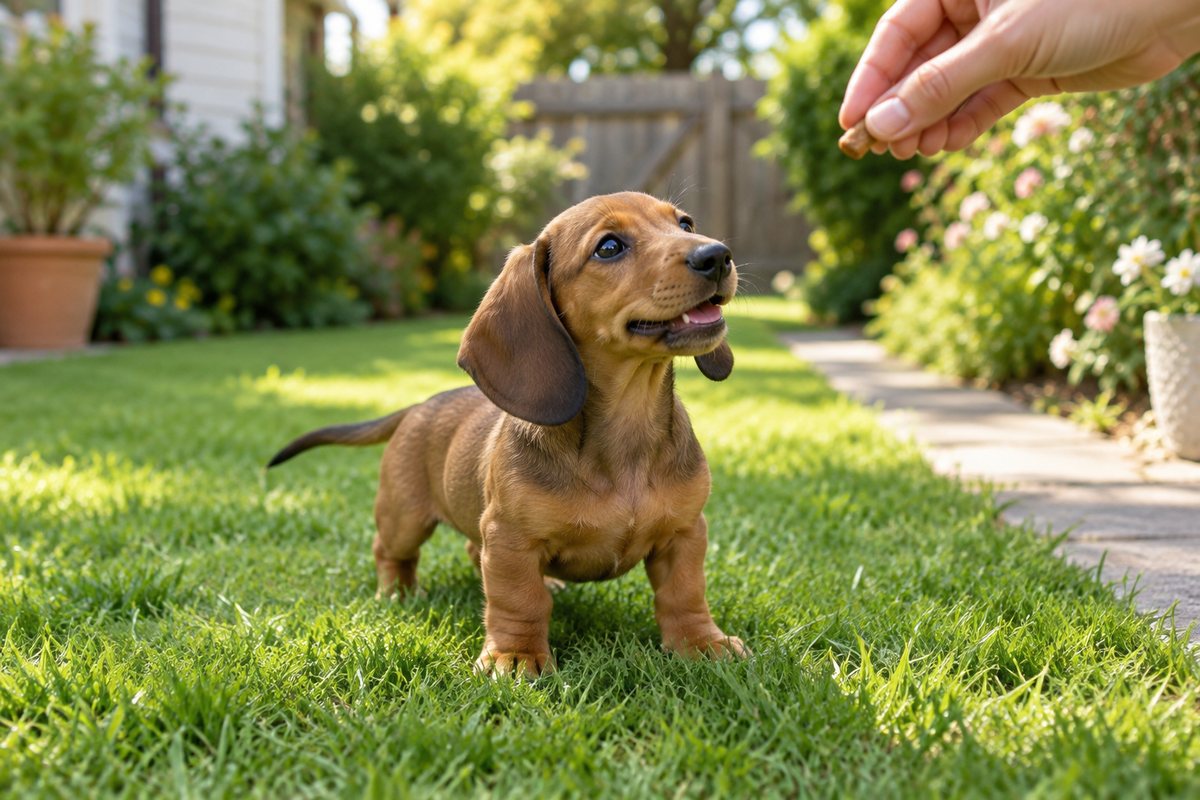
This guide gives Dachshund owners a practical, humane plan for puppy biting: what causes it, how to respond in the moment, how to prevent evening biting bursts, what to do with children, and when biting needs help from a veterinarian or qualified behavior professional.
Table of Contents
Dachshund puppy biting quick answer
To reduce Dachshund puppy biting, stop rough hand play, keep chew toys nearby, redirect before teeth land on skin, end play calmly when biting gets hard, reward quiet mouth behavior, add naps, and keep training reward-based. AKC puppy biting guidance explains that puppy biting is common during teething and development, and that puppies can learn better mouth habits through bite inhibition, redirection, brief calm breaks, and reinforcement for desired behavior.
For Dachshunds, the routine matters as much as the correction. A tired, hungry, overexcited Dachshund puppy often bites more. Before assuming your puppy is being stubborn, check the basics: potty break, water, nap, chew outlet, and a calmer play setup.
Why Dachshund puppies bite so much
Dachshund puppies explore the world with their mouths. They also have a bold, persistent temperament that can make biting feel more intense than owners expected from such a small puppy. The behavior usually comes from one of several normal causes.
| Common cause | What it looks like | Best first response |
|---|---|---|
| Teething discomfort | Chewing fingers, sleeves, chair legs, blankets, or crate bedding | Offer safe puppy chews and rotate textures |
| Play biting | Nipping during tug, chase, petting, or floor play | Pause play, redirect to a toy, reward gentle mouth |
| Overtired behavior | Evening biting, frantic zooming, barking, inability to settle | Potty break, water check, then nap or quiet crate time |
| Attention seeking | Biting hands, ankles, socks, or pant legs when ignored | Manage access, ask for an easy cue, reward calm attention |
| Overarousal | Biting gets harder during exciting greetings or rough games | Lower the energy, use barriers, shorten play sessions |
| Fear, guarding, or pain | Growling, stiff posture, snapping near food, toys, handling, or sore areas | Stop pushing the situation and get professional help |
VCA notes that puppy nipping and mouthing are often social play, not only teething. That distinction matters. If you only buy more chew toys but keep wrestling with your hands, your puppy may still learn that human skin is part of the game.
Bite inhibition comes before no biting
Bite inhibition means a puppy learns to control the force of their mouth. ASPCA explains that puppies usually start learning this during play with other puppies; when one puppy bites too hard, the other may yelp and stop playing. With people, the lesson is similar: hard teeth make the fun pause.
Do not expect a young Dachshund to understand “never put teeth on people” in one day. Start with the message that hard bites end interaction. Then shape toward softer mouth, then toward toys instead of hands. This step-by-step approach is usually more realistic than waiting until the puppy is wild and shouting “no” over and over.
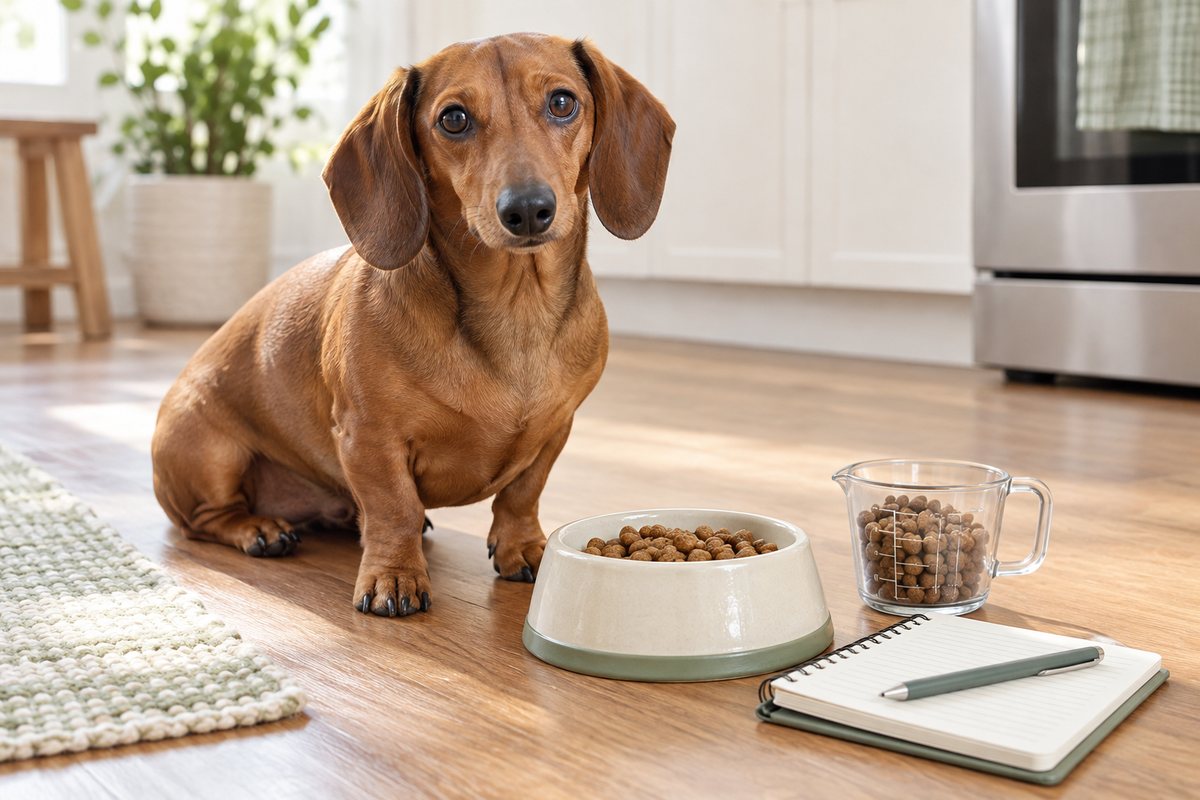
7-step plan to stop Dachshund puppy biting
1. Remove hand wrestling from the game
If hands are toys on Monday, your puppy will not understand why hands are forbidden on Tuesday. Use tug toys, food puzzles, flirt-pole style games on the floor, and short retrieve games instead. Keep your fingers out of the puppy’s mouth when playing, teasing, or petting an excited puppy.
2. Redirect before the bite lands
Keep a toy in reach during the biting windows you can predict: morning wake-up, after meals, after potty trips, and early evening. When your puppy starts aiming for hands or ankles, move the toy low and away from your body so the puppy can chase and bite the toy instead. Praise the switch immediately.
3. Make hard biting end the fun
When teeth hit skin hard, freeze, remove your hands, stand up if needed, and pause the game for a few seconds. If your puppy keeps jumping and biting, step behind a baby gate or place the puppy in a safe pen with a chew. Keep the reset calm and boring. AKC advises that biting during play should make playtime stop, while yelling can accidentally become exciting attention.
4. Reward the behavior you want
Do not only react when the puppy bites. Notice soft choices: sniffing instead of grabbing, licking instead of nipping, carrying a toy, lying on a mat, or watching your hands calmly. Mark the behavior with “yes” and give a small treat, a toy, or gentle praise. AVSAB’s humane training position supports reward-based training and warns against fear, intimidation, and pain in behavior work.
5. Add naps before the biting storm
Many owners try to exercise a bitey puppy more, but an overtired Dachshund puppy often gets sharper. If biting predictably spikes after 45 to 90 minutes awake, try a potty break and nap before the chaos starts. The full Dachshund puppy schedule guide can help you build a better rhythm.
6. Teach simple replacement cues
Train easy skills when your puppy is calm: name response, sit, touch, drop it, trade, crate, and go to mat. Then use those cues before biting starts. For example, when your puppy locks onto pant legs, toss a treat away and cue “touch” or “sit” when they return. For a broader foundation, pair this plan with how to train a Dachshund puppy.
7. Use the crate or pen as a calm reset, not punishment
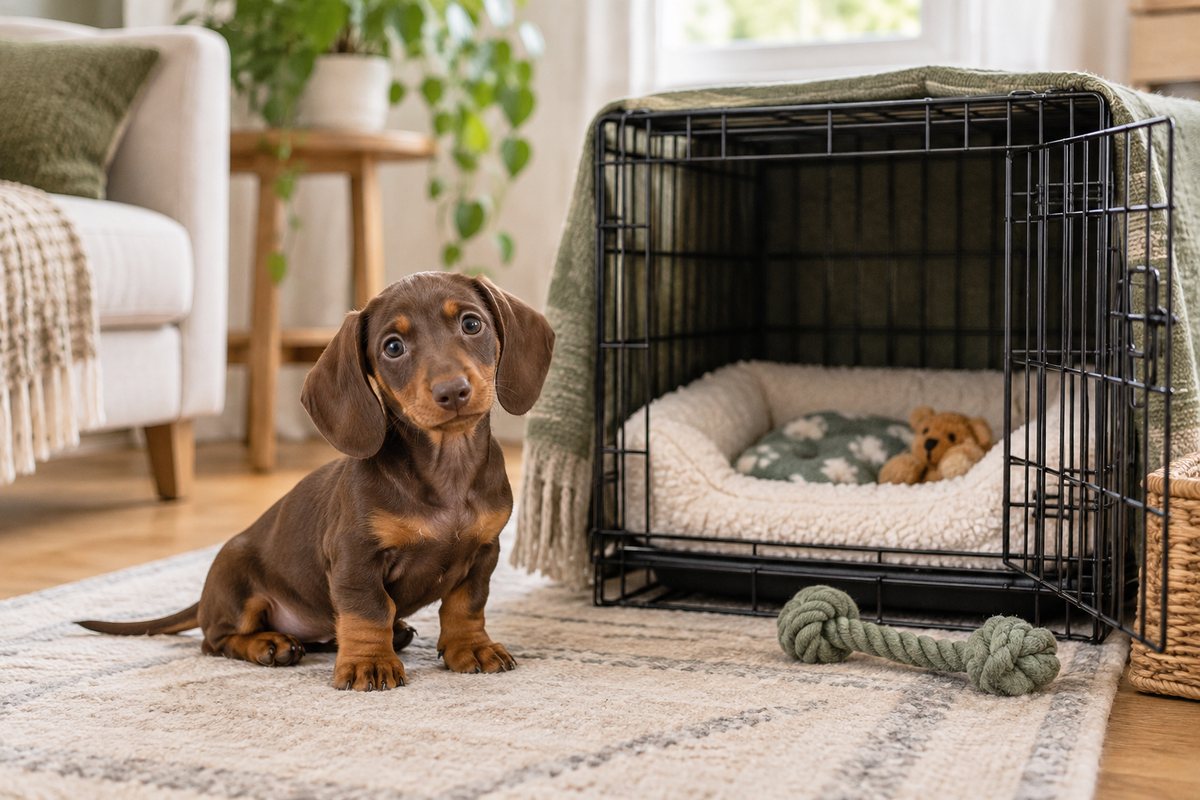
A crate or pen can help a puppy settle, but only if it has been trained positively. Add a chew, keep your voice neutral, and release the puppy when calm. If your puppy panics in confinement, go back to Dachshund crate training basics before using it during biting bursts.
Daily routine that reduces biting
A biting plan works faster when the day is predictable. Dachshund puppies are small, low to the ground, and enthusiastic. They need play and enrichment, but they also need potty breaks, chew outlets, sleep, and back-safe movement instead of chaotic jumping from furniture.
| Time or trigger | What to do | Why it reduces biting |
|---|---|---|
| After waking | Potty trip, calm praise, breakfast if scheduled | Prevents frantic wake-up nipping |
| After meals | Potty, short sniff walk, then calm chew | Gives the mouth a legal job |
| Before play | Pick a tug toy or soft toy before puppy gets excited | Keeps teeth away from hands |
| During play | Pause if teeth touch skin; resume when calm | Teaches bite inhibition and self-control |
| Evening | Short training, food puzzle, potty, nap or quiet time | Reduces overtired biting bursts |
| Bedtime | Final potty, dim room, safe chew if appropriate | Builds a predictable wind-down routine |
For house-training overlap, use the Dachshund potty training plan. Some “biting” moments are really a puppy trying to say they need something: outside, water, food, sleep, or distance from too much handling.
Kids, guests, and ankle biting
Dachshund puppy biting becomes more stressful when children run, squeal, wave hands, or drop to the floor. Do not ask kids to be the trainers during hard biting phases. Adults should manage the setup first.
- Use baby gates so the puppy cannot chase running children.
- Teach children to stand still, fold arms, and call an adult instead of pushing the puppy away.
- Give visitors a toy or treat plan before they greet the puppy.
- Keep greetings short and low-key.
- End play before the puppy becomes frantic.
Ankle biting often gets worse because moving feet are exciting. If your puppy stalks socks and pant legs, avoid running games in narrow hallways. Carry treats, cue a simple behavior, and reward the puppy for moving beside you instead of grabbing you. If your puppy also barks during arousal, the guide on why Dachshunds bark so much may help you separate excitement from anxiety.
Mistakes that make Dachshund puppy biting worse
Yelling, smacking, or pinning the puppy
Physical punishment can make puppy mouthing more intense and can damage trust. ASPCA warns that hitting puppies for playful mouthing can make them bite harder, react more aggressively, or become afraid. AVSAB also recommends reward-based training methods for behavior problems instead of aversive methods.
Giving attention after every nip
If biting makes you chase, shout, pick up the puppy, or start a dramatic conversation, biting may become a reliable attention button. Make the bite boring. Then reward the better choice when the puppy offers it.
Expecting one chew toy to solve everything
Rotate chew items and match them to the moment. A puppy who wants to tug may not want a hard chew. A teething puppy may want a cold rubber toy. A hungry puppy may settle better with part of their meal in a food puzzle. Always choose safe, size-appropriate items and supervise new chews.
Letting the puppy rehearse wild behavior on furniture
Rough couch games can create two problems for Dachshunds: harder biting and unsafe jumping. Use floor-level play and block access to repeated sofa launches. If your puppy ever yelps, stiffens, drags a leg, arches their back, or suddenly resists handling, review Dachshund back pain signs and contact your veterinarian.
When puppy biting is not normal
Most Dachshund puppy biting improves with maturity, structure, and consistent training. Get professional help sooner if the biting is escalating, breaking skin often, paired with stiff body language, linked to food or toy guarding, triggered by touch, or directed at children in a way you cannot safely manage.
Talk to your veterinarian if biting appears suddenly, your puppy seems painful, or behavior changes after an injury. For serious fear, aggression, or guarding, work with a veterinarian, veterinary behaviorist, certified applied animal behaviorist, or qualified reward-based trainer.
FAQ
Is Dachshund puppy biting normal?
Yes. Dachshund puppy biting is usually normal during teething, play, and early learning. It still needs calm training so your puppy learns bite inhibition and stops using people as chew toys.
When do Dachshund puppies stop biting?
Many puppies improve as adult teeth come in and training becomes consistent, but there is no magic date. If hard biting is still a major issue around six months, or it is getting worse, ask for help from a qualified trainer or behavior professional.
Should I yelp when my Dachshund puppy bites?
A brief “ouch” may help some puppies, but it can excite others. If your puppy bites harder after noise, skip the yelp and calmly pause play or step behind a barrier for a few seconds.
Are Dachshunds more bitey than other puppies?
Dachshunds are often bold, persistent, and quick to repeat behavior that works. That can make normal puppy biting feel intense. A predictable routine, toy redirection, and reward-based training usually help.
What is the best toy for Dachshund puppy biting?
The best toy depends on the reason for biting. Use soft tug toys for play biting, safe rubber chews for teething, food puzzles for hungry or busy mouths, and calm chew options during crate or pen breaks.
Sources
- American Kennel Club: How to Stop Puppy Biting and Train Bite Inhibition
- American Kennel Club: How to Stop a Teething Puppy From Biting You
- VCA Animal Hospitals: Play Biting in Puppies
- ASPCA: Mouthing, Nipping and Biting in Puppies
- AVSAB: Humane Dog Training Position Statement
Affiliate disclosure: If you buy through links on this page, I may earn a commission at no extra cost to you.
For owners who want a structured, positive-reinforcement training plan at home, Brain Training for Dogs is an online course that can pair well with short daily Dachshund training sessions.