Dachshund puppy teething can turn a sweet little puppy into a tiny chewing machine. Between sore gums, loose baby teeth, new adult teeth, and normal puppy curiosity, your Dachshund may chew fingers, socks, furniture, crate bedding, leash handles, and anything that feels good in the mouth. The good news is that teething is temporary. The training habits you build during this stage can last for life.
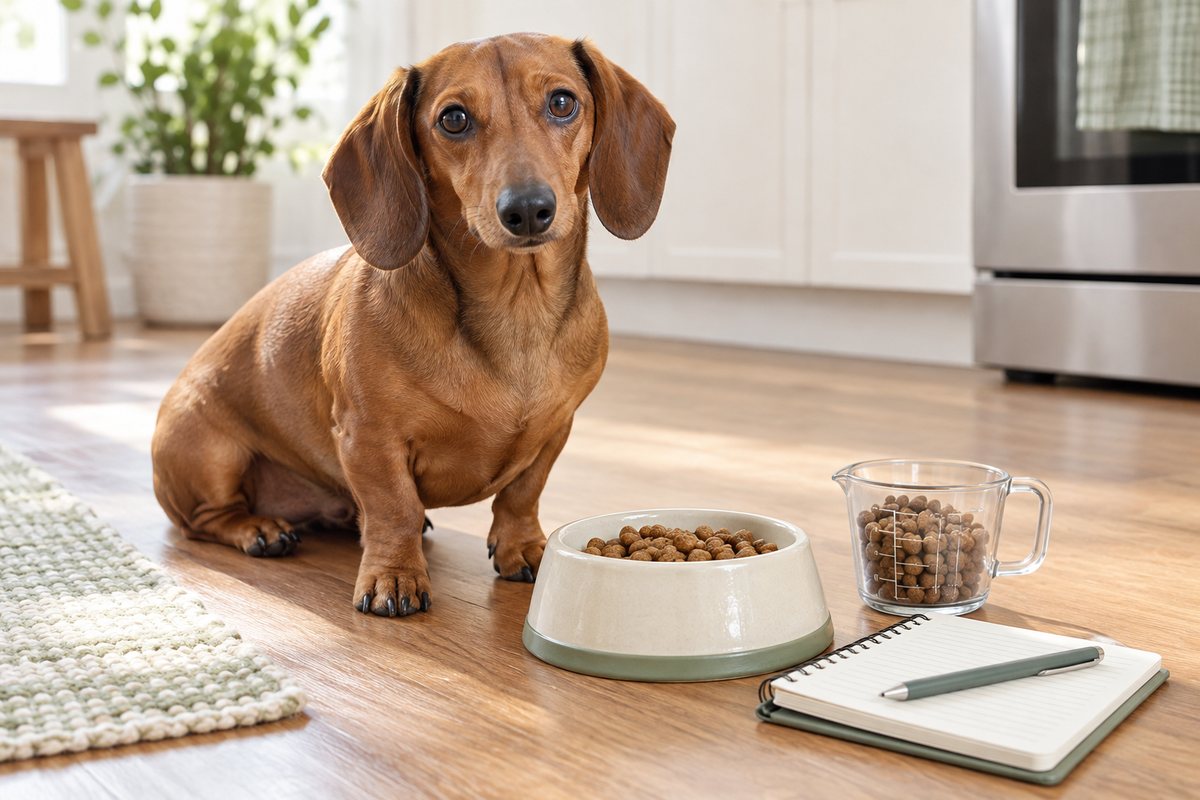
This guide explains the Dachshund puppy teething timeline, common signs, what chew items are safer, what to avoid, how to protect furniture, and when mouth pain or chewing needs a veterinarian. It is written for Dachshund owners, so it also includes back-safe play, crate rest, and routines that reduce frantic chewing without turning teething into a punishment cycle.
Table of Contents
Dachshund puppy teething quick answer
Dachshund puppy teething usually starts before the puppy comes home and becomes most obvious around the months when baby teeth loosen and adult teeth erupt. AKC’s puppy teething timeline explains that puppies develop baby teeth early, then lose them as adult teeth come in, often finishing around the six-month mark. During that window, chewing is normal. Your job is to provide safe chew outlets, supervise, redirect calmly, and protect your puppy from unsafe objects.
A practical teething plan has four parts: puppy-safe chews, short supervised play, enough sleep, and management. Do not wait until your Dachshund is chewing a chair leg to start training. Put legal chew items in the environment before the puppy makes their own choices.
Dachshund puppy teething timeline
Every puppy develops at a slightly different pace, but most Dachshunds follow the same general teething pattern as other dogs. If your puppy is much earlier, much later, or seems painful, your veterinarian can check the mouth and make sure teeth are erupting normally.
| Age range | What is happening | What owners should do |
|---|---|---|
| 2-4 weeks | Baby teeth begin coming in while the puppy is still with the breeder or rescue | Monitor general mouth comfort if you are caring for a very young litter |
| 6-8 weeks | Most baby teeth are present | Start gentle handling, toy play, and safe chewing habits |
| 3-4 months | Baby teeth may loosen and fall out | Offer soft puppy chews, frozen rubber toys, and calm redirection |
| 4-6 months | Adult teeth erupt; chewing often peaks | Increase supervision and rotate chew textures |
| 6-7 months | Many puppies have most or all adult teeth | Keep chew rules consistent and schedule a mouth check if baby teeth remain |
You may never find lost baby teeth. Puppies often swallow them during normal eating or play. That is usually not a problem. What matters more is whether the adult teeth come in cleanly and whether your puppy can eat, chew, and play without obvious pain.
Common teething signs
Dachshund puppy teething can look like a behavior problem because the puppy suddenly chews more. Before assuming stubbornness, look for normal teething signs.
- Chewing toys, blankets, crate mats, shoes, socks, hands, or furniture more than usual.
- Drooling or wet toys after chewing.
- Small spots of blood on a toy when a baby tooth loosens.
- Temporary bad breath.
- Preference for softer or cooler chew textures.
- More nipping during excited play.
- Brief fussiness when tired, hungry, or overstimulated.
Some chewing is not caused by teething alone. VCA notes that puppies also chew because they investigate, play, seek attention, and satisfy a natural urge to gnaw. That means a good plan should not rely on teething ending by itself. Teach your Dachshund what to chew now.

Safe chew setup for teething puppies
The best chew for a teething Dachshund puppy is not just “the toughest toy.” Dachshunds are small dogs with a long back and a strong personality. You want chew options that match the puppy’s size, tooth stage, chewing style, and supervision level.
| Chew option | Best use | Safety notes |
|---|---|---|
| Soft rubber puppy teething toy | Daily chewing and redirection | Choose puppy size; remove if pieces break off |
| Freezable rubber toy | Sore gums during peak teething | Use cold, not rock-hard; supervise closely |
| Wet washcloth, chilled and supervised | Short gum-soothing sessions | Remove before shredding or swallowing fabric |
| Food puzzle with soft food | Busy mouth after meals or before naps | Count calories and clean after use |
| Puppy-safe edible chew | Occasional supervised chewing | Pick size carefully; stop if chunks break off |
| Soft tug toy | Interactive play without fingers | Keep tug low and controlled to protect the back |
VCA’s puppy teething toy guidance emphasizes choosing puppy-appropriate toys and removing toys that start breaking apart. ASPCA’s chew/treat position statement also reminds owners to supervise chewing and contact a veterinarian if a puppy consumes a chunk of chew material. No chew is perfect if the puppy is left alone long enough to destroy and swallow it.
Chews and habits to avoid
A teething puppy does not know the difference between a safe chew, an electrical cord, a child’s toy, and the corner of a rug. You have to make the safe choice easy and the unsafe choice unavailable.
Avoid hard objects that do not give
If an object is hard enough that you would not want it banged against your own knee, it may be too hard for a young puppy’s teeth. Skip rocks, hard plastic fragments, cooked bones, antlers, and anything that seems likely to crack teeth or splinter.
Avoid unsupervised fabric chewing
Blankets, towels, crate pads, and plush toys can feel wonderful on sore gums, but fabric can become dangerous when shredded and swallowed. If your puppy destroys fabric, use it only under direct supervision or remove it from the crate.
Avoid turning hands into chew toys
Hand play teaches a teething puppy that human skin is part of the game. Use the plan in Dachshund puppy biting if your puppy is already nipping people. For teething, the rule is simple: teeth go on toys, not fingers.

Daily routine that protects your home
Teething feels worse when your puppy is bored, overtired, hungry, or roaming unsupervised. The routine below helps many Dachshund puppies get through peak chewing months with fewer damaged belongings.
- Start the day with potty, breakfast, and a short calm chew.
- Use 5-minute training sessions before the puppy gets wild.
- Offer a legal chew before sofa time, not after the puppy grabs the furniture.
- Rotate two or three chew textures instead of leaving every toy out all day.
- Use a puppy pen, gate, or crate when you cannot supervise.
- Schedule naps before evening biting and chewing spikes.
- End rough games early and redirect to a toy or food puzzle.
The Dachshund puppy schedule guide can help you put potty breaks, meals, naps, and training into a predictable rhythm. For crate comfort, pair this teething routine with Dachshund crate training so confinement feels safe instead of frustrating.
Back safety matters too. Do not use teething as a reason to encourage rough jumping games. Play on the floor, keep tug low, avoid repeated sofa launches, and read Dachshund back pain signs if your puppy yelps, stiffens, drags a leg, or suddenly resists movement.
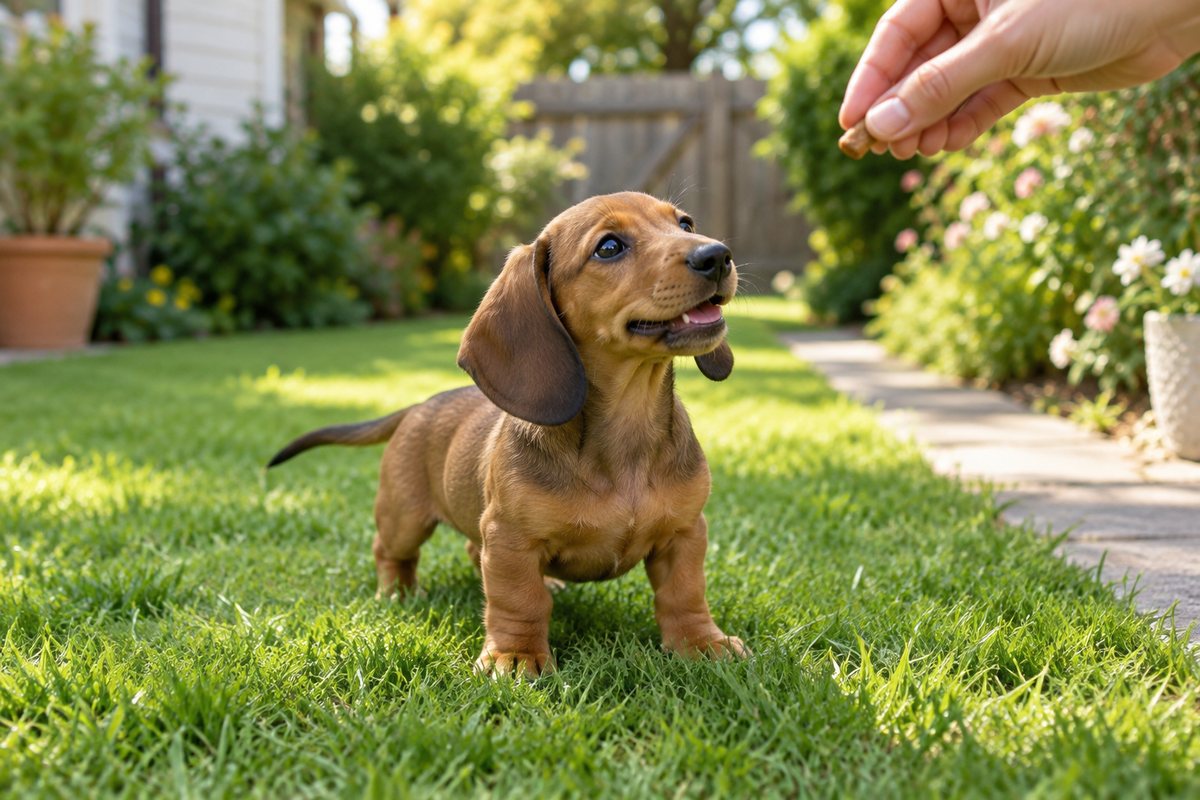
Teething vs puppy biting
Teething and biting overlap, but they are not exactly the same problem. A puppy chewing the corner of a blanket may have sore gums. A puppy chasing ankles may be playing, overtired, or seeking attention. A puppy guarding a chew with a stiff body needs a different plan from a puppy calmly gnawing a rubber toy.
If your Dachshund bites people during teething, redirect early and reward the toy choice. If teeth hit skin hard, calmly pause the game. Do not yell, hit, pin, or pry the puppy’s mouth open. ASPCA puppy mouthing guidance warns that rough responses can make some puppies bite harder or become afraid.
For household chewing, use management first. Pick up shoes, block cords, close laundry doors, and supervise. ASPCA destructive chewing guidance explains that puppies need appropriate chew outlets and gentle direction toward their own items. Deterrent sprays alone rarely solve the problem if the puppy is bored or unsupervised.
When to call your veterinarian
Most Dachshund puppy teething is normal. Call your veterinarian if your puppy will not eat, seems very painful, has heavy bleeding, has swelling or pus in the mouth, breaks a tooth, has a baby tooth that will not fall out, has breath that smells unusually foul, or swallows part of a chew toy.
You should also ask your veterinarian before using very hard chews, dental chews, rawhide-type products, or edible chews if your puppy gulps food, guards items, has a sensitive stomach, or has had any choking or obstruction scare. Small puppies can get into trouble quickly, and Dachshunds are often determined chewers once they like something.
FAQ
When do Dachshund puppies start teething?
Dachshund puppies get baby teeth early, often before they come home. Owners usually notice teething most when baby teeth begin loosening and adult teeth start coming in around the next few months.
When does Dachshund puppy teething stop?
Many puppies are through the most obvious teething stage by around six months, though chewing habits can continue if they have been reinforced. Keep toy rules consistent even after adult teeth arrive.
What can I give my Dachshund puppy for teething?
Offer puppy-safe rubber chews, freezable teething toys, short supervised chilled washcloth sessions, food puzzles, and size-appropriate edible chews recommended by your veterinarian. Always supervise new chew items.
Is blood on a puppy toy normal during teething?
A tiny spot of blood can happen when a baby tooth loosens. Heavy bleeding, swelling, pus, broken teeth, severe pain, or refusal to eat should be checked by a veterinarian.
Why is my teething Dachshund chewing furniture?
Furniture chewing can come from sore gums, boredom, attention seeking, or too much freedom. Block access, supervise, rotate legal chews, reward toy choices, and use a pen or crate when you cannot watch closely.
Sources
- American Kennel Club: Puppy Teething Timeline
- American Kennel Club: Puppy Teething and Nipping
- VCA Animal Hospitals: Dos and Don’ts of Puppy Teething Toys
- ASPCA: Position Statement on Dog Chews and Treats
- ASPCA: Destructive Chewing
- HumanePro: Puppy Teething Fact Sheet