Dachshund puppy chewing everything is frustrating, but it is also one of the most normal puppy problems you will face. A young Dachshund explores with the mouth, relieves teething pressure, burns energy, asks for attention, and practices natural chewing. The mistake is treating every chewed shoe like defiance. Your puppy is not planning household damage. Your puppy is making fast puppy choices in an environment that has too many tempting objects.
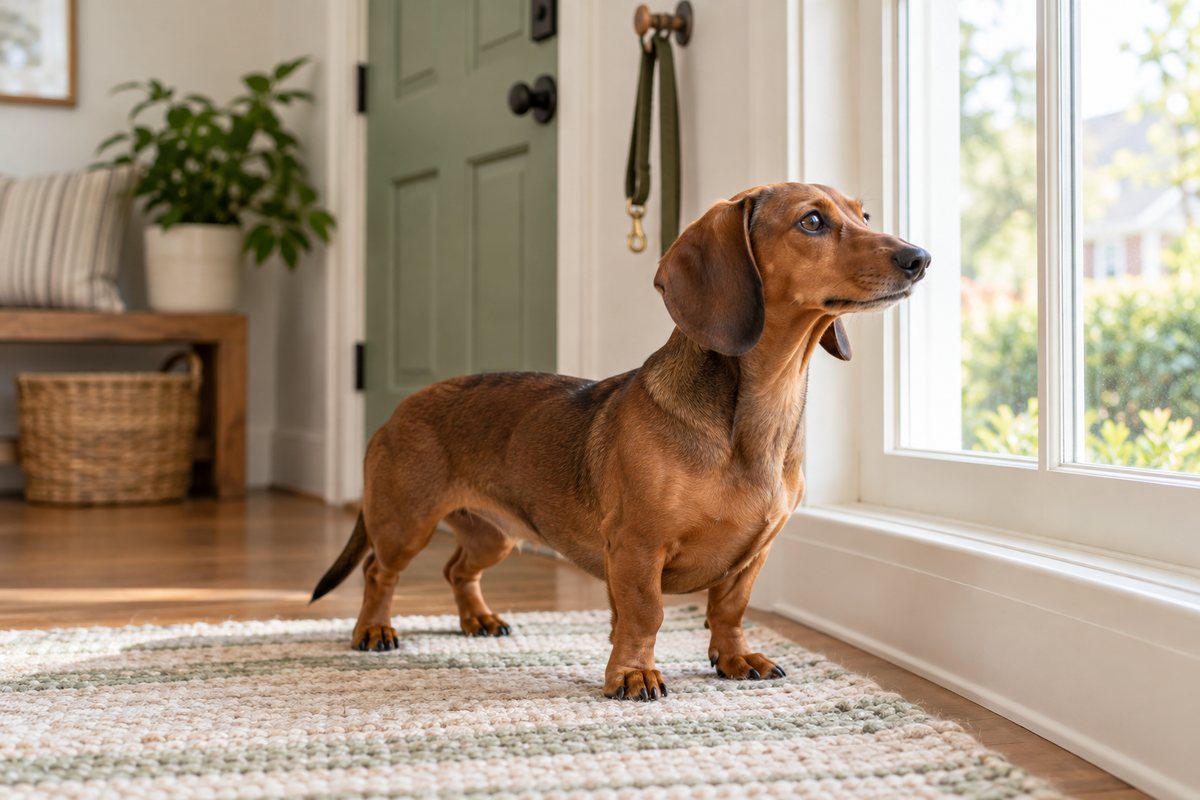
The solution is not one magic spray or one indestructible toy. Dachshund puppy chewing improves when you combine puppy-proofing, supervision, safe chew choices, calm redirection, short training, naps, and a predictable daily routine. This guide shows you exactly how to stop your Dachshund puppy from chewing everything without scaring them, chasing them, or turning chewing into a bigger game.
Table of Contents
Dachshund puppy chewing everything quick answer
If your Dachshund puppy is chewing everything, assume the puppy needs better management before assuming a behavior problem. Pick up tempting items, block access to cords and furniture edges, supervise during all free time, use a crate or puppy pen when you cannot watch, and keep several safe chew options ready. When your puppy grabs the wrong item, calmly trade for a better chew and praise the switch.
ASPCA destructive chewing guidance emphasizes that puppies do need to chew, but owners can teach them to limit chewing to appropriate objects. AKC also notes that if puppies are not given suitable chew options, they will make their own choices from whatever they can reach. For Dachshunds, this matters because they are curious, persistent, and low enough to find socks, cords, rug corners, and chair legs before you notice.
Why Dachshund puppies chew everything
Chewing can come from several causes at once. A 4-month-old puppy may chew because gums hurt. A 7-month-old puppy may chew because the habit has worked for months. A bored puppy may chew because it creates activity. A lonely puppy may chew because it smells like you. A puppy with too much freedom may chew because nobody has shown them what is legal.
| Cause | What it looks like | Best first fix |
|---|---|---|
| Teething | Chewing rises around 3-6 months, with sore gums or loose baby teeth | Use puppy-safe soft rubber chews and cold teething options |
| Boredom | Chewing happens after quiet periods or when the puppy is ignored | Add short training, food puzzles, sniff walks, and toy rotation |
| Too much freedom | Puppy chews in another room or under furniture | Use gates, leash supervision, crate, or pen |
| Attention seeking | Puppy grabs shoes, laundry, or remotes and waits for a reaction | Trade calmly; reward legal chewing before trouble starts |
| Anxiety | Chewing happens mainly when alone, with panic signs or escape attempts | Talk to your veterinarian or a qualified behavior professional |
VCA explains that puppies naturally investigate by sniffing, tasting, and chewing household objects. VCA also separates normal chewing from chewing linked to anxiety, escape, garbage raiding, and other causes. That distinction is useful: the plan for a playful teething puppy is not the same as the plan for a puppy panicking when left alone.
What chewing is dangerous?
Some chewing is annoying. Some chewing is dangerous. Prioritize safety first, then training. A Dachshund puppy has a small body, a determined mouth, and very little judgment.
- Electrical cords, chargers, batteries, and small electronics.
- Medication bottles, dropped pills, supplements, and nicotine products.
- Kids’ toys, hair ties, socks, underwear, and fabric that can be swallowed.
- Cooked bones, splintering sticks, hard plastic fragments, and sharp objects.
- Houseplants, mulch, garbage, food wrappers, and anything toxic to dogs.
- Furniture legs, baseboards, rugs, and crate bedding that your puppy can shred.
Do a floor-level inspection. Sit where your Dachshund puppy stands and look under tables, behind sofas, around nightstands, and beside charging stations. If the puppy can reach it, the puppy may test it. Puppy-proofing is not optional while this habit is active.
The 3-zone setup that prevents chewing
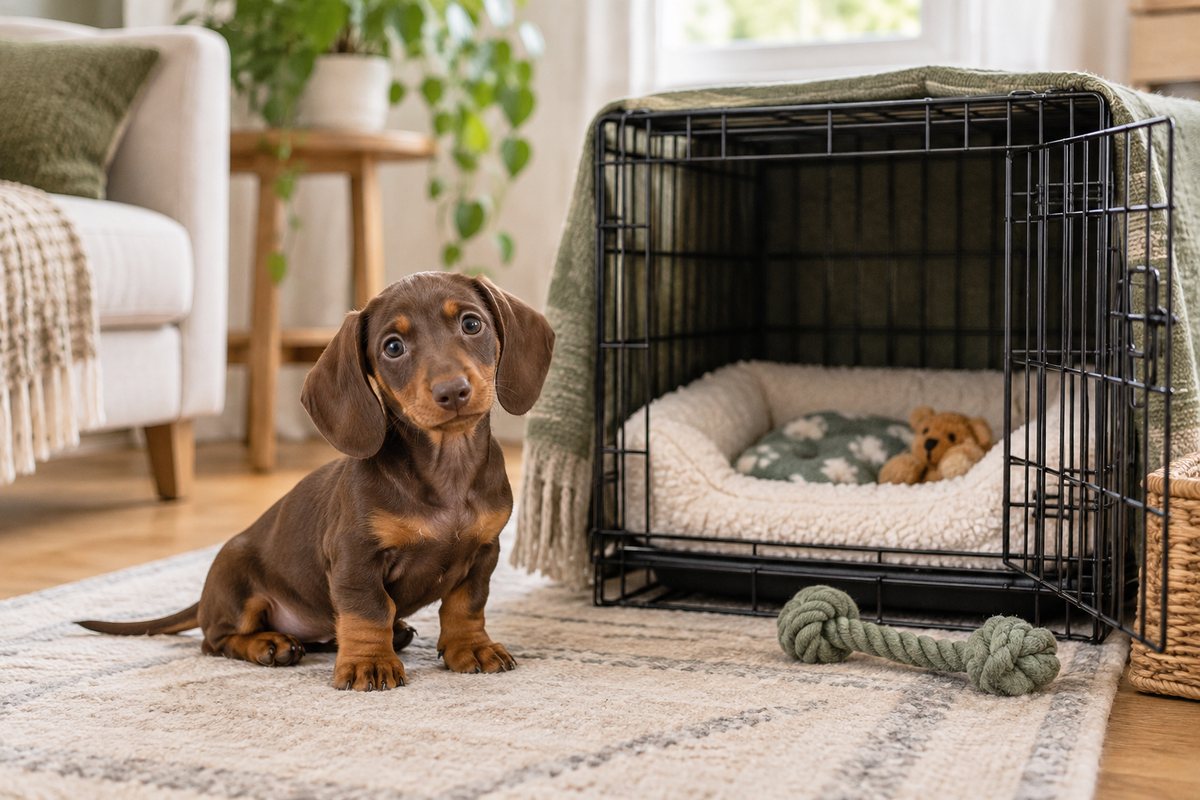
The fastest way to reduce chewing is to stop giving your puppy unsupervised access to the whole home. Use three zones: a supervised zone, a puppy-proofed safe zone, and a rest zone.
| Zone | Use it when | What belongs there |
|---|---|---|
| Supervised zone | You are actively watching and training | Leash, toys, treats, legal chew, blocked cords |
| Safe zone | You are nearby but cannot watch every second | Puppy pen, baby gate, water, chew toys, washable mat |
| Rest zone | Puppy is overtired or you need a break | Crate or quiet pen, safe chew, calm bedding if not shredded |
VCA’s destructive puppy guidance recommends using a safe space with good chew toys and notes that crate training can help prevent destructive chewing during the puppy phase. Pair confinement with comfort. The goal is not to trap a frustrated puppy. The goal is to let your puppy rest and chew legal items when you cannot actively supervise.
If your puppy already chews crate bedding, remove soft bedding temporarily and use safer chew items only under supervision. Read Dachshund crate training if the crate causes whining, panic, or digging. A crate should feel predictable, not scary.
How to redirect chewing in the moment
When your puppy grabs something wrong, stay boring. If you run, yell, or chase, many puppies learn that stolen objects start a fantastic game. Instead, trade and redirect.
- Walk over calmly with a treat or better toy.
- Say “drop” once if your puppy knows it, or place the better item near the nose.
- Trade for the unsafe object instead of prying the mouth open.
- Move the wrong item out of reach.
- Give the legal chew back and praise when your puppy takes it.
- Reset the environment so the same mistake cannot happen again.
AKC recommends teaching “leave it” and “drop it” cues for puppies chewing inappropriate items, and warns against chasing unless there is an immediate safety issue. ASPCA also recommends removing the wrong item, inserting something the dog can chew, and praising the right choice. For a Dachshund, calm trades are especially important because the breed can turn conflict into keep-away very quickly.
Best chew options for Dachshund puppies
The best chew is safe for your puppy’s size, interesting enough to compete with household items, and durable enough that chunks do not break off. Rotate textures so your puppy does not get bored.
- Soft rubber puppy chews for daily redirection.
- Freezable teething toys for sore gums.
- Food-stuffed rubber toys for crate or pen time.
- Short supervised chilled washcloth sessions if your puppy does not shred fabric.
- Appropriately sized edible chews approved by your veterinarian.
- Food puzzles that use part of the daily meal instead of extra calories.
VCA recommends offering a variety of tastes, odors, and textures to discover what appeals to your dog. AKC adds that chew choices should match the puppy’s chewing strength and that your veterinarian can advise what is safe for your puppy. ASPCA cautions that edible chews can create choking risks if a dog bites off and swallows large pieces, so supervise edible chewing closely.
Daily anti-chewing routine
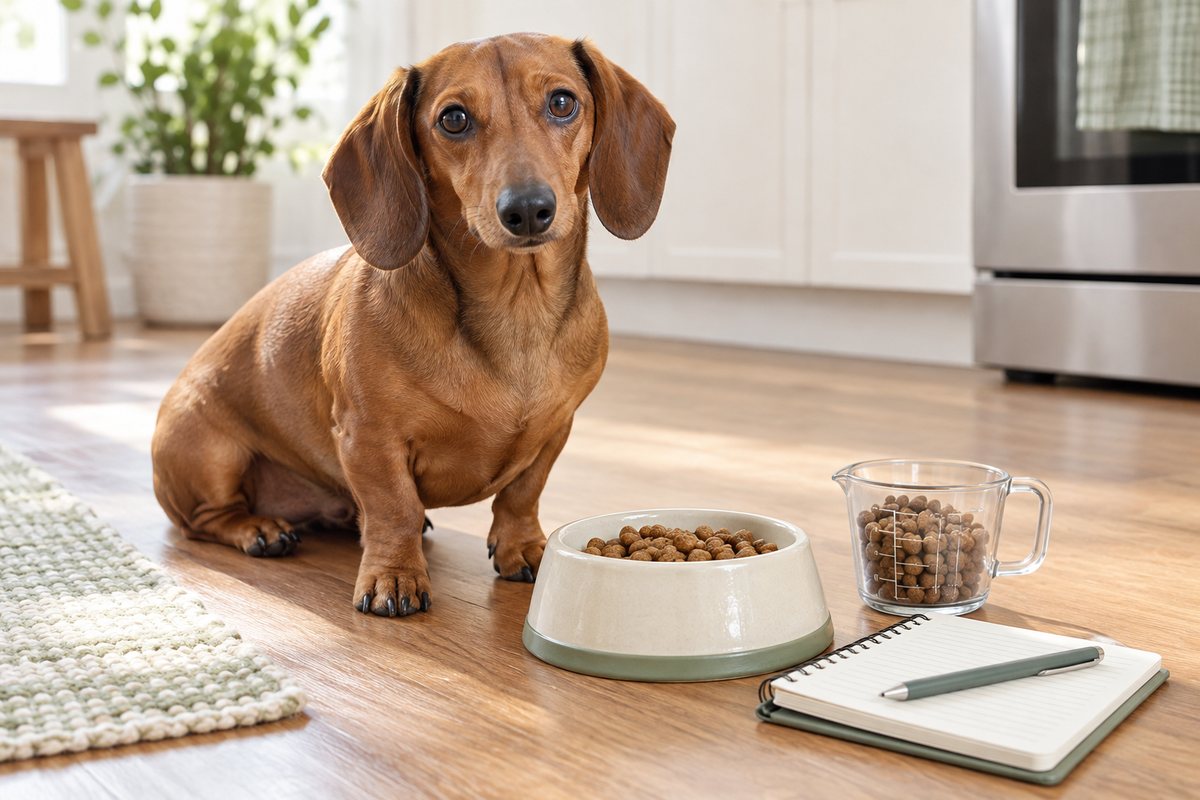
Dachshund puppy chewing gets worse when the day has no rhythm. Use predictable cycles: potty, short activity, chew, nap. Many puppies chew most intensely when they are tired, overstimulated, or overdue for a potty break.
- Morning: potty, breakfast, 5 minutes of training, then a safe chew.
- Midmorning: nap in crate or pen before the puppy becomes wild.
- Midday: potty, short sniff walk, toy play, then food puzzle.
- Afternoon: supervised free time on leash or in one puppy-proofed room.
- Evening: calm chew before sofa time, not after furniture chewing starts.
- Bedtime: potty, quiet crate routine, and no rough play right before sleep.
Use the routine in Dachshund puppy schedule if your puppy’s chewing spikes at predictable times. If chewing overlaps with sore gums, use the more specific plan in Dachshund puppy teething. If teeth land on hands and ankles, pair this with Dachshund puppy biting.
Mistakes that make chewing worse
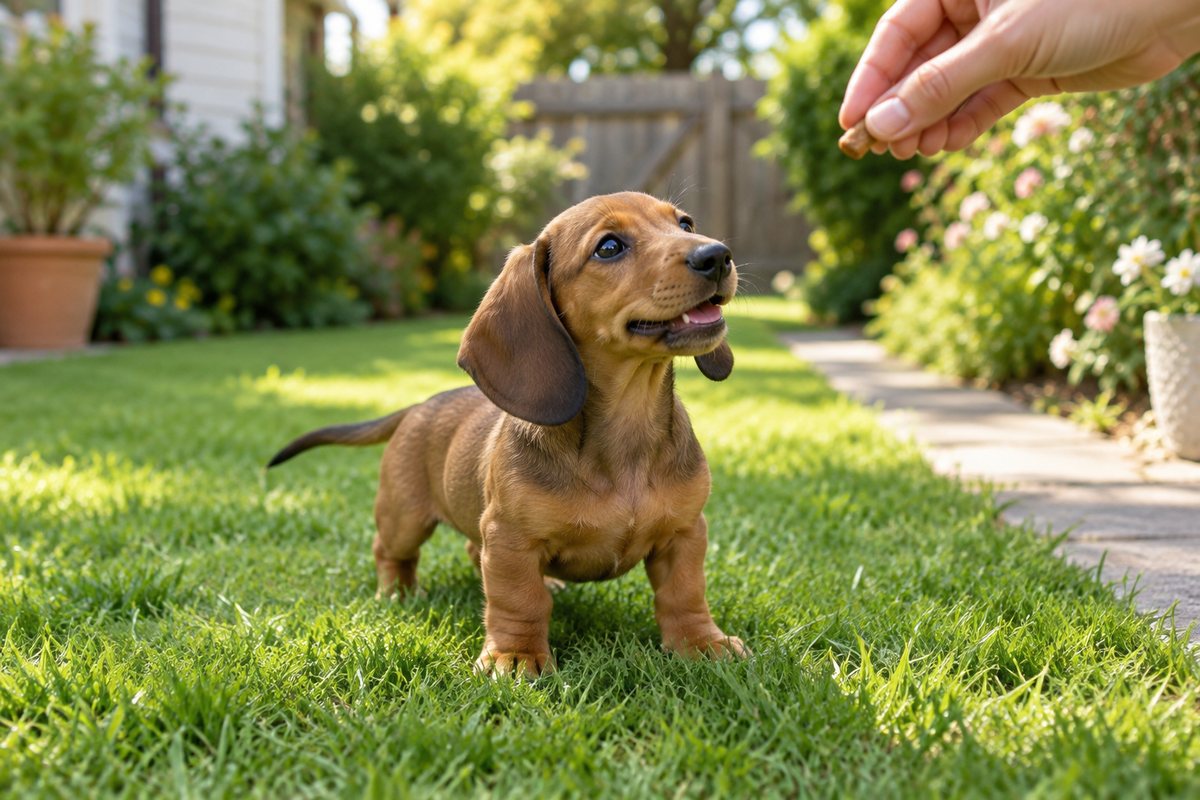
Some common owner reactions accidentally teach a Dachshund puppy to chew more. Avoid these patterns while you build better habits.
Chasing stolen objects
Chasing can turn socks and shoes into trophies. Trade instead. Then close the laundry door, move the shoes, and reduce access.
Punishing after the damage is done
AKC warns against punishment after the fact because the puppy is no longer connecting the correction to the old chewing. VCA similarly notes that arriving home and punishing completed damage can increase anxiety. If you find chewed furniture later, change management. Do not punish a puppy for yesterday’s choice.
Relying only on bitter spray
Deterrents may help some dogs, but ASPCA stresses that chewing treatment requires more than deterrent sprays. Your puppy still needs to learn what they can chew. Spray without supervision, legal chews, and management is usually weak training.
Giving too much freedom too soon
A puppy who has chewed three rugs is not ready for unsupervised living room time. Freedom should expand after several weeks of good choices, not because the puppy looks cute and quiet for one afternoon.
When to get extra help
Most puppy chewing improves with age, structure, and consistent redirection. Get extra help if your Dachshund puppy chews frantically only when alone, injures the mouth, swallows fabric or toy pieces, guards stolen items, growls when approached, cannot settle, or keeps chewing despite strong puppy-proofing and supervision.
Call your veterinarian if chewing seems tied to pain, broken teeth, severe teething discomfort, vomiting, appetite changes, or possible swallowed objects. If the chewing looks like separation anxiety or resource guarding, ask your veterinarian for a referral to a qualified trainer or veterinary behavior professional. Early help is easier than waiting until the habit becomes a household pattern.
FAQ
Why is my Dachshund puppy chewing everything?
Your Dachshund puppy may be teething, exploring, bored, overtired, seeking attention, or getting too much unsupervised freedom. Start with puppy-proofing, supervision, and safe chew outlets.
At what age do Dachshund puppies stop chewing everything?
Many puppies improve after teething, often around the later puppy months, but chewing can continue if the puppy has practiced the habit. Training and management matter as much as age.
How do I stop my Dachshund puppy chewing furniture?
Block access, supervise closely, use a pen or crate when you cannot watch, redirect to legal chews, and reward your puppy for chewing toys. Deterrent spray may help, but it should not be the whole plan.
Should I punish my puppy for chewing?
No. Punishment after the fact is confusing and can increase fear or anxiety. Interrupt calmly if you catch chewing in the moment, trade for a safe chew, praise the right choice, and change the environment.
What if my Dachshund puppy swallows part of a toy?
Call your veterinarian for advice, especially if the piece was large, sharp, fabric, rubber, plastic, or if your puppy vomits, refuses food, becomes lethargic, or strains to poop.
Sources
- ASPCA: Destructive Chewing
- VCA Animal Hospitals: Dogs and Destructive Chewing
- VCA Animal Hospitals: How To Handle Destructive Behavior In Puppies
- American Kennel Club: What Can Puppies Safely Chew?
- American Kennel Club: Puppy Teething and Nipping
- VCA Animal Hospitals: Behavior Management Products for Dogs