Dachshunds can be hard to potty train because they are small, low to the ground, stubborn about weather, quick to form habits, and easy to accidentally give too much freedom too soon. They are not impossible to train. They need a tighter schedule, better supervision, smaller success zones, and more consistency than many owners expect.
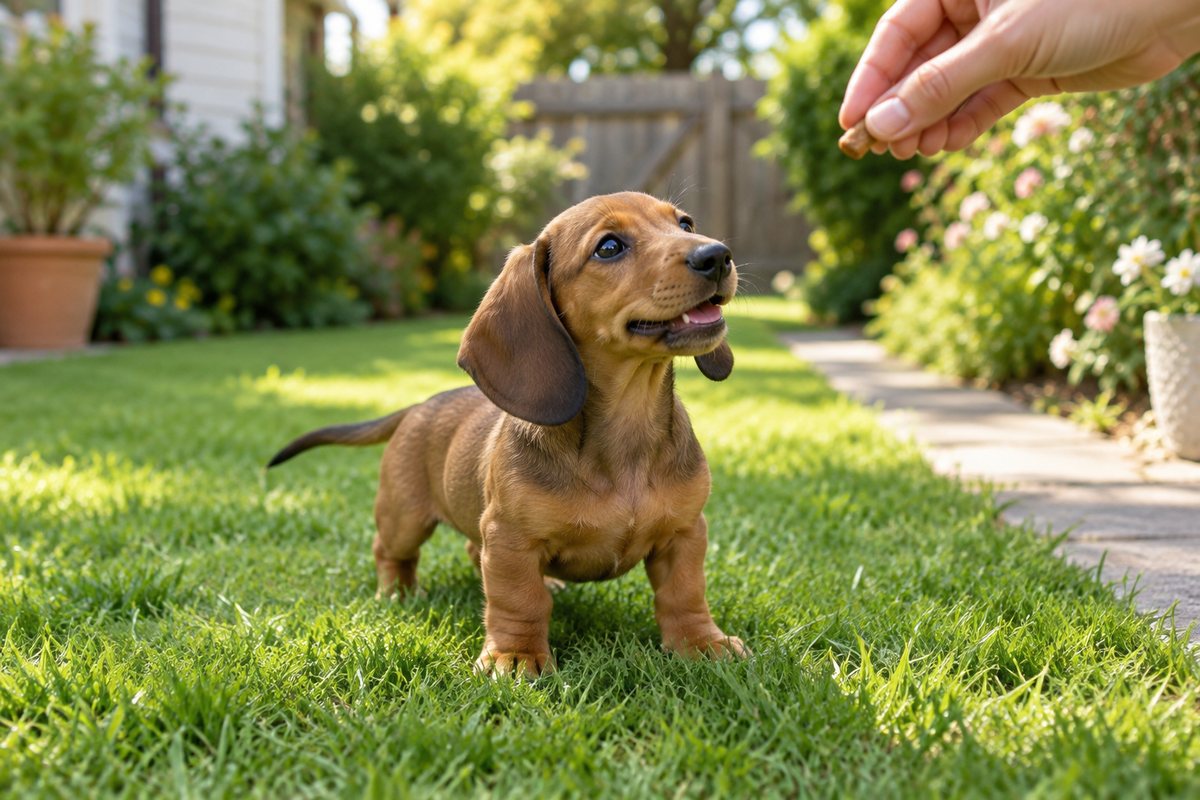
Why are Dachshunds hard to potty train?
Dachshunds are often hard to potty train because owners miss early signals, allow unsupervised roaming, skip bad-weather practice, or rely on punishment after accidents. AKC puppy housetraining guidance emphasizes schedules, supervision, confinement, and rewarding outdoor potty promptly. Those basics matter even more with Dachshunds.
| Challenge | Why it happens | Fix |
|---|---|---|
| Rain refusal | Low body and weather dislike | Use covered spot and reward heavily |
| Hidden accidents | Too much freedom | Use gates, crate, or leash supervision |
| Frequent potty needs | Small puppy bladder | Schedule more trips |
| Repeat indoor spots | Odor remains | Use enzymatic cleaner |
| Owner inconsistency | Mixed rules | Same cue, same door, same reward |
For the full action plan, use Dachshund potty training and how to potty train a Dachshund puppy.
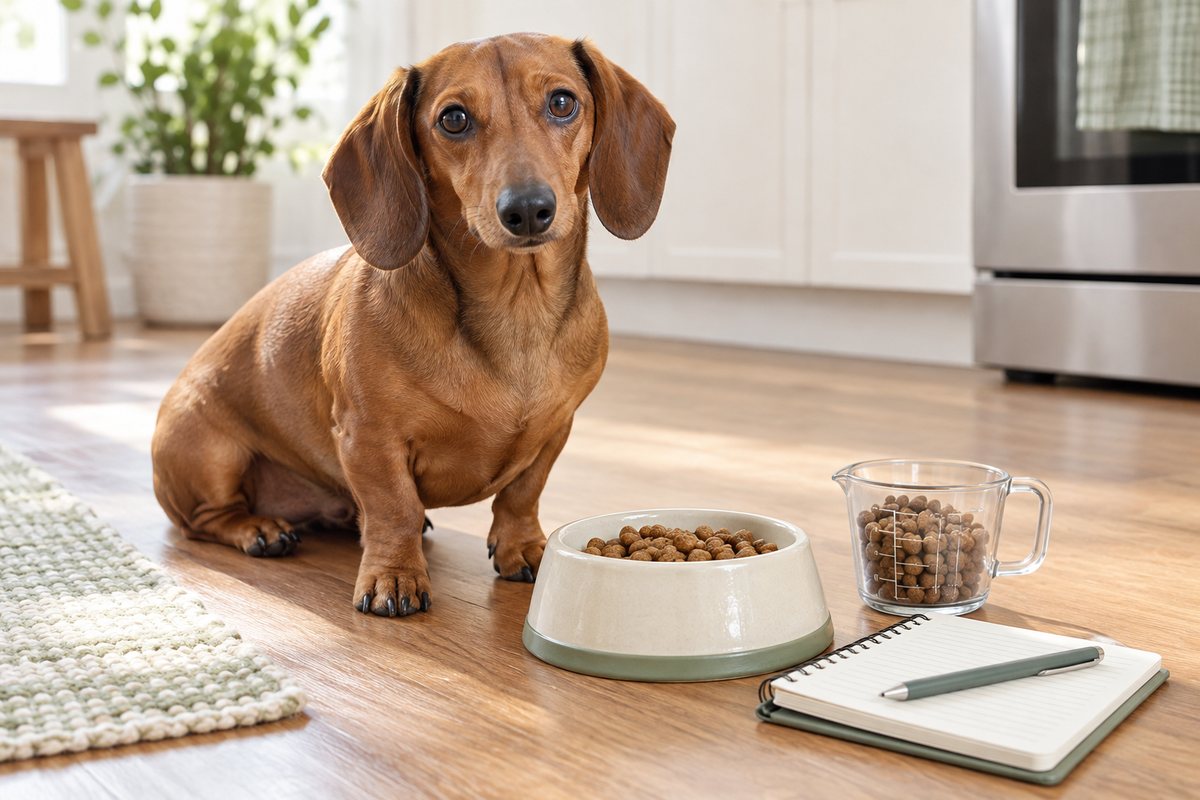
What works
- Take puppies out after waking, eating, playing, and training.
- Reward outside potty within seconds.
- Use a crate or pen when you cannot supervise.
- Clean accidents with enzymatic cleaner.
- Practice bad-weather potty before bad weather arrives.
- Do not punish after-the-fact accidents.
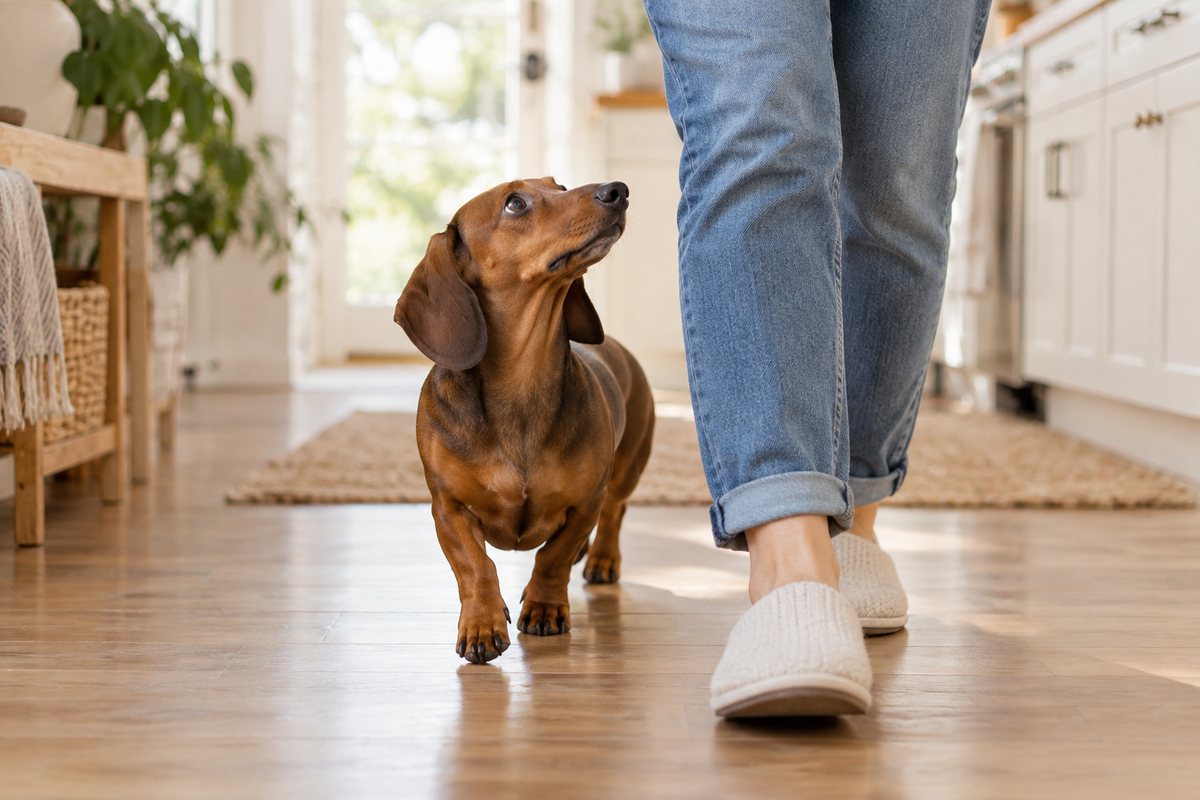
The Dachshund weather problem
Many Dachshunds dislike rain, wet grass, wind, cold, or deep snow. If the only potty option is unpleasant, some dogs learn to hold it outside and sneak away indoors later. Create a protected potty spot, use a jacket when needed, and reward outdoor potty heavily in bad weather instead of waiting for perfect conditions.
How to reset after accidents
- Clean accidents with enzymatic cleaner.
- Reduce freedom for several days.
- Take your Dachshund out more often than you think they need.
- Reward immediately outside.
- Use a leash indoors if your dog sneaks away.
- Track accident time to find schedule gaps.
The freedom problem
Many Dachshunds struggle because they get freedom before they have earned it. A puppy who can wander behind furniture, into bedrooms, or down a hallway can practice indoor accidents quietly. Every hidden accident makes potty training slower because the indoor spot becomes part of the habit.
| Stage | Freedom level | Goal |
|---|---|---|
| Accidents happening | Leash, crate, pen, or one small room | Prevent hidden potty |
| One clean week | One supervised room | Build reliability |
| Two clean weeks | Add one area | Test slowly |
| Accident returns | Reduce freedom again | Protect the habit |
Adult Dachshunds that are still not trained
Adult Dachshunds can still improve, but you must treat the problem like a full reset. Rule out urinary tract issues, pain, medication side effects, and age-related changes. Then go back to puppy-level supervision for a few weeks. Use a schedule, reward outdoor potty, clean old spots deeply, and remove access to favorite accident areas.
- Use a vet check for sudden changes.
- Track water, meals, naps, and accidents.
- Reward outside potty every time at first.
- Do not punish old accidents you find later.
- Use belly bands or diapers only as management, not training.
Common mistakes that make Dachshunds harder to potty train
Most potty training problems are not caused by a Dachshund being impossible. They come from small gaps that repeat every day. The most common gap is waiting until the puppy asks to go out. Many Dachshund puppies do not give obvious signals at first. They sniff, wander, pause, or quietly leave the room. By the time they scratch the door, the habit may already be half built.
Another mistake is using the yard as playtime before the potty habit is clear. If your Dachshund runs, sniffs, chases leaves, and then comes inside to pee, the trip was too unfocused. Use a leash, go to the same spot, wait quietly, reward the potty, then play after the success. This order teaches that outside potty opens the fun, not the other way around.
| Mistake | What it teaches | Better habit |
|---|---|---|
| Waiting for signals | Owner reacts too late | Use scheduled trips |
| Free roaming | Hidden accidents are easy | Gate, crate, pen, or leash |
| Long outdoor play first | Potty is optional | Potty first, play second |
| Scolding accidents | Dog hides the behavior | Interrupt, clean, reset |
| Changing potty spots | Routine stays unclear | Same door and same area |
Realistic timeline for a stubborn Dachshund
A good reset often takes two to four focused weeks before owners feel relief, and longer before freedom can expand across the whole home. A young puppy, a rescue dog, or a Dachshund with months of indoor accidents may need more time. Judge progress by fewer accidents, faster outdoor success, and better owner timing, not by perfection in the first week.
- Week 1: prevent hidden accidents and reward every outdoor potty.
- Week 2: identify schedule gaps and improve bad-weather practice.
- Week 3: test one small area of supervised freedom.
- Week 4: keep the routine while reducing rewards slowly.
- Any accident: reduce freedom again for several clean days.
A simple owner script for hard potty days
On a difficult day, keep the routine almost boring. Clip the leash, walk to the same door, use the same potty cue, stand in the same area, and wait quietly. If your Dachshund goes, reward immediately and give a little freedom afterward. If nothing happens after a few minutes, go back inside to a crate, pen, or leash-supervised area, then try again soon. This prevents the puppy from treating “outside” as optional play and “inside” as the real bathroom.
Do not stretch the schedule because the previous trip was successful. Many accidents happen right after owners think the dog finally understands. Keep the plan tight until your Dachshund has a clean streak across different weather, different times of day, and normal household distractions.
Final potty-training check
If the plan still feels hard, audit the environment before blaming the dog. Check whether old accident spots are truly cleaned, whether doors to hidden rooms are closed, whether the potty route is fast, and whether every family member uses the same cue and reward timing. Dachshunds learn patterns quickly, including patterns owners do not mean to teach.
Where Dachshund potty training usually breaks down
Dachshunds are often called hard to potty train because small mistakes become habits fast. Freedom comes too early, outdoor trips are not frequent enough, weather makes the yard unpleasant, and accidents leave scent clues indoors.
The solution is usually less freedom, clearer timing, better rewards, and a realistic cleanup routine. A Dachshund who sneaks away to potty is not being spiteful; they have learned that indoor options are available.
| Situation | What it suggests | Best next step |
|---|---|---|
| Accidents in another room | Too much freedom | Use gates, leash, or pen |
| Accidents after coming inside | Trip ended too soon | Wait longer and reward outside |
| Rain refusal | Weather discomfort | Use covered potty area and coat |
| Same indoor spot | Scent remains | Use enzymatic cleaner |
| Puppy pees often | Age and bladder capacity | Increase schedule frequency |
why are Dachshunds hard to potty train: practical checklist
- Take your dog out after sleep, meals, play, and excitement.
- Reward outside potty immediately, not after coming indoors.
- Supervise or confine between trips.
- Clean accidents with enzymatic cleaner.
- Track times for three days to find patterns.
- Rule out medical causes if a trained dog regresses.
When to change course
If accidents are sudden, frequent, painful, bloody, or paired with excessive drinking, stop treating it as a training problem and call your veterinarian.
why are Dachshunds hard to potty train: owner scenarios and fixes
The final step for why are Dachshunds hard to potty train is matching the advice to the exact situation in front of you. Dachshunds are small, persistent, routine-sensitive dogs, so a plan that looks correct on paper can fail if the room setup, timing, gear, reward value, or health context is wrong. Before changing everything, choose the one pattern that happens most often and work there first.
This also helps prevent mixed signals. If you sometimes reward the unwanted pattern, sometimes interrupt it, and sometimes ignore it, your Dachshund may keep trying the behavior because the rules are unclear. A simple plan that everyone in the home follows for one week is usually more useful than a complicated plan that changes every day.
| Owner situation | How to handle it |
|---|---|
| When the main issue is accidents in another room | Start with the practical fix: use gates, leash, or pen. Give it several calm repetitions before adding a second change. |
| When the pattern looks like accidents after coming inside | Assume the setup is slightly wrong for your Dachshund and adjust the environment before expecting better behavior. |
| When you see rain refusal | Slow the plan down. Dachshunds often improve faster when the next step is easier, clearer, and more predictable. |
| When same indoor spot keeps returning | Look for a trigger that happens before the problem. Changing that trigger usually works better than reacting afterward. |
| When puppy pees often is involved | Treat it as a sign to re-check fit, comfort, schedule, or health rather than assuming your dog is ignoring you. |
How to make the plan easier for your Dachshund
If progress stalls, make the next repetition easier instead of louder or longer. For why are Dachshunds hard to potty train, easier can mean more distance, a shorter session, a lower height, a quieter room, softer handling, smaller rewards, or fewer choices. The easier version should let your dog succeed while still practicing the skill you want.
Watch recovery time. A Dachshund who can return to sniffing, eating, resting, or walking normally is usually in a workable zone. A dog who stays frantic, stiff, avoidant, or obsessed with the trigger is telling you the setup is too difficult. That is useful information, not a training failure.
7-day improvement plan
- Day 1: write down when the why are Dachshunds hard to potty train problem happens, where it happens, and what happened right before it.
- Day 2: remove the easiest trigger or setup mistake connected to accidents in another room.
- Day 3: practice the first checklist step: take your dog out after sleep, meals, play, and excitement..
- Day 4: repeat the same plan at an easier level instead of adding a new rule.
- Day 5: add one support step from the checklist: reward outside potty immediately, not after coming indoors..
- Day 6: ask whether your dog recovers faster than earlier in the week.
- Day 7: keep what improved, drop what confused your dog, and decide whether health or professional support is needed.
This seven-day plan will not solve every case of why are Dachshunds hard to potty train, but it gives you cleaner information. If the pattern improves, keep building gradually. If it stays the same or worsens, the cause may be discomfort, fear, poor fit, too much freedom, or a trigger that needs a different article-specific plan.
Quality check before you rely on the advice
The safest version of the advice should be specific, observable, and easy to repeat. You should know what you are changing, what success looks like, and when to stop. For Dachshunds, stop signs include pain, limping, yelping, frantic barking, snapping, refusal to eat rewards, vomiting, repeated accidents, or sudden behavior changes.
When in doubt, choose the lower-risk version: more distance, better traction, shorter sessions, calmer rewards, clearer routines, and earlier veterinary input. That keeps the why are Dachshunds hard to potty train plan helpful without pushing a small long-backed dog through stress, pain, or confusion.