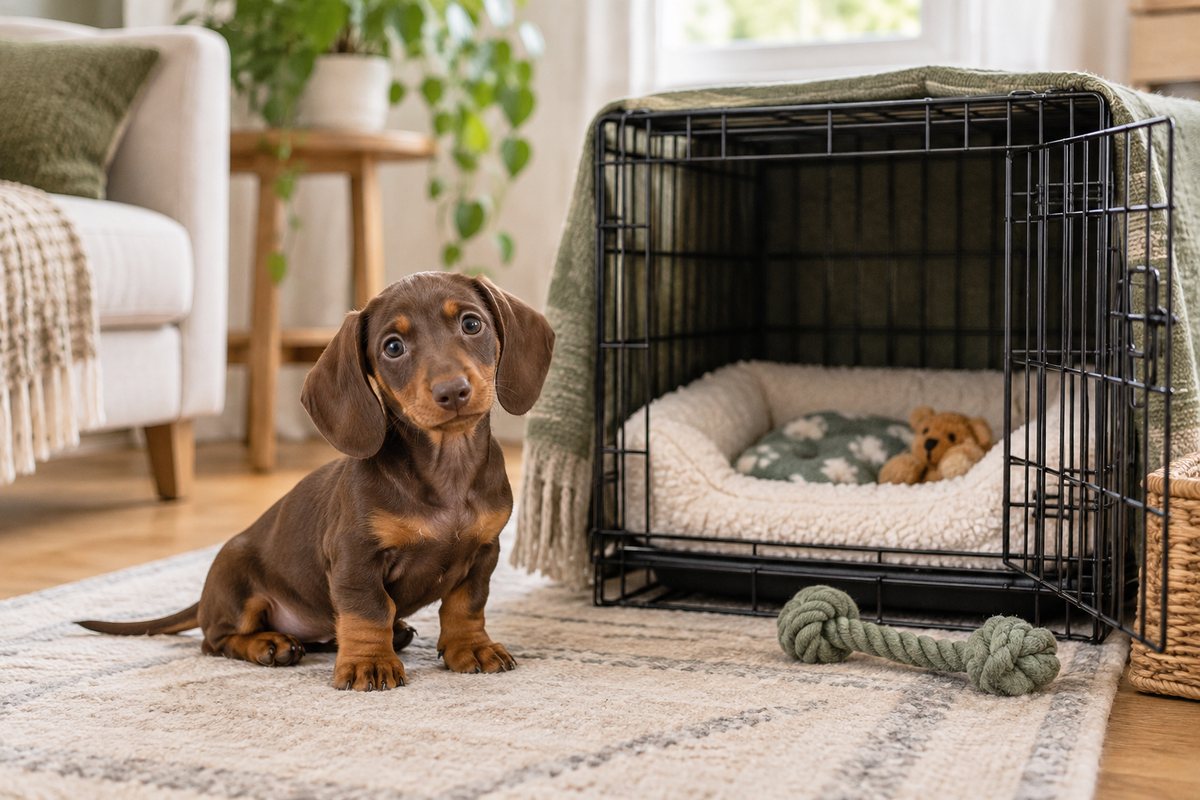
Dachshund enrichment ideas should use the breed’s nose, brain, and problem-solving style without encouraging risky jumping. Good enrichment includes scent games, food puzzles, digging boxes, training games, safe chews, calm exploration, and predictable routines. The best activities leave your Dachshund satisfied, not frantic.
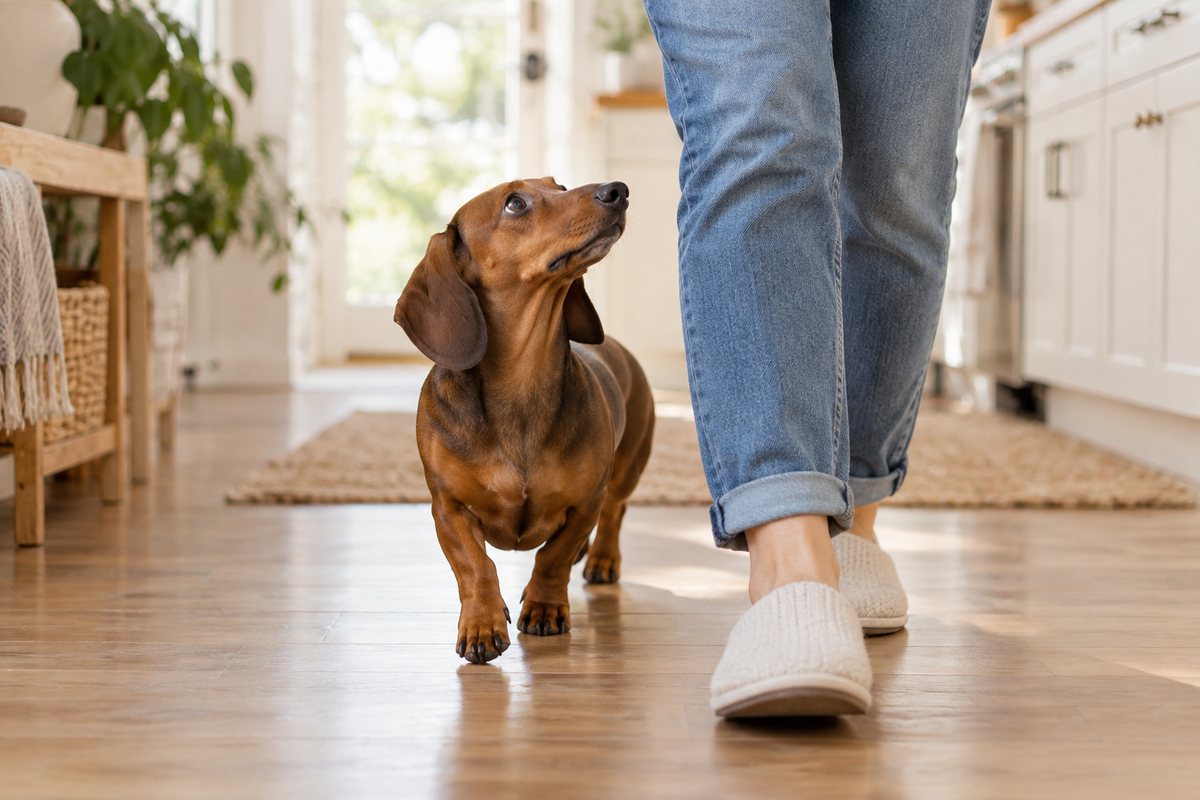
Best Dachshund enrichment ideas
| Enrichment type | Idea | Dachshund benefit |
|---|---|---|
| Scent | Find-it treats | Uses natural tracking drive |
| Food | Snuffle mat | Slows eating and adds work |
| Training | Hand target | Builds focus |
| Digging | Towel or cardboard dig box | Safer outlet for instinct |
| Chewing | Vet-approved chew | Calm independent activity |
| Movement | Low-impact hallway search | Activity without jumping |
AKC recommends giving dogs jobs at home and using scent work to channel natural instincts. This fits Dachshunds well because sniffing and searching can tire the brain without high-impact movement.
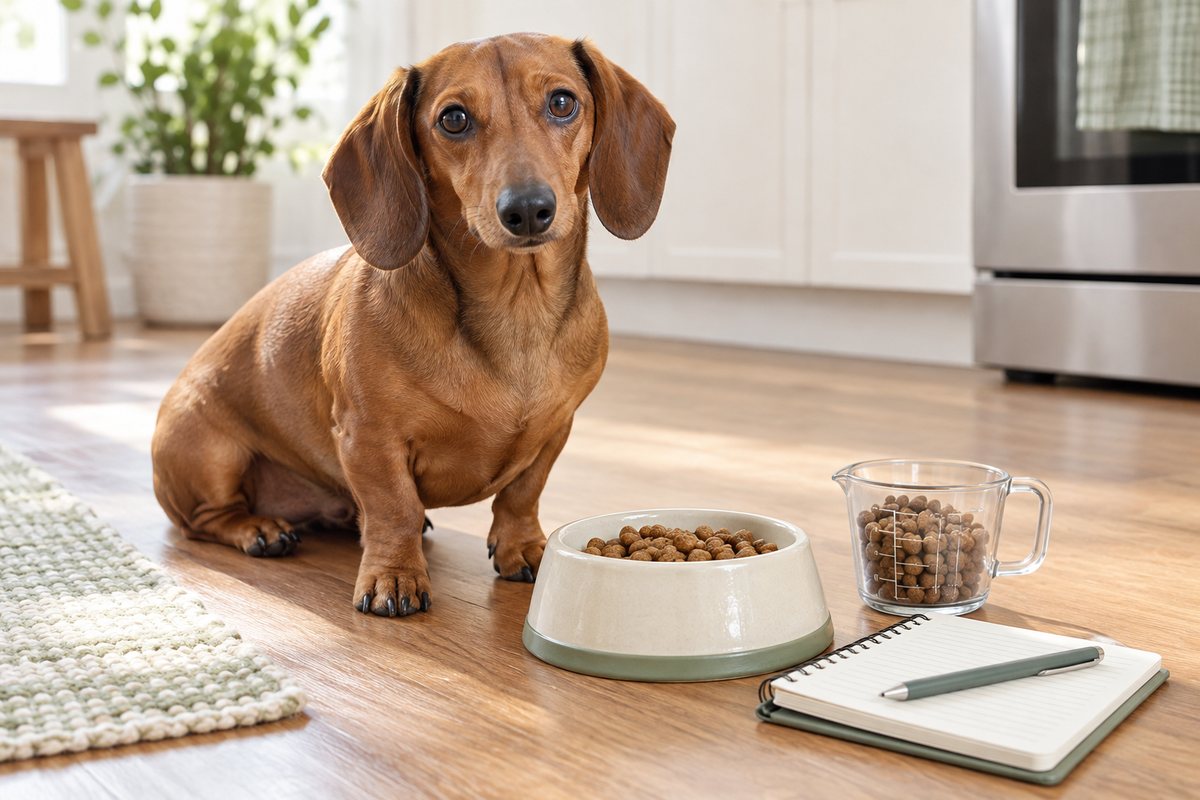
Simple daily enrichment routine
- Morning: scatter part of breakfast in a snuffle mat.
- Midday: 3 minutes of trick training.
- Afternoon: cardboard box search game.
- Evening: calm chew or lick mat if appropriate.
- Rainy day: hide toys around one room.
For more game-specific ideas, see best games for Dachshunds. For treat choices, see best treats for Dachshund training.
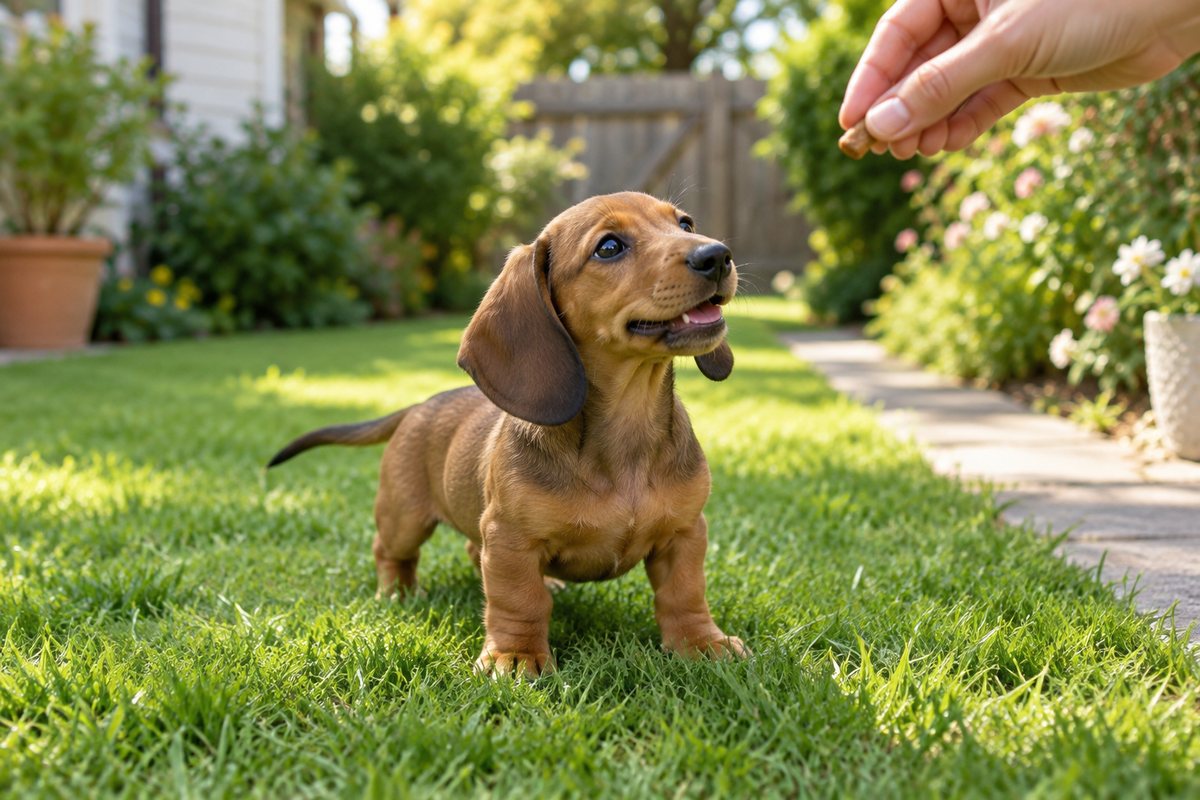
Avoid
- High jumping games.
- Stair fetch.
- Food puzzles that create frustration.
- Unsafe chews or tiny toy parts.
- Too many treat calories.
Enrichment by age
| Age | Best enrichment | Watch-out |
|---|---|---|
| Puppy | Short sniff games, handling practice, simple puzzles | Overtired puppies get bitey and wild |
| Adult | Scent work, trick training, puzzle meals | Do not rely only on high-energy play |
| Senior | Gentle sniff walks, easy food games, soft toys | Adjust for teeth, vision, hearing, and mobility |
If enrichment makes your Dachshund bark, guard toys, or become frantic, make it easier. Good enrichment should lower stress over time. It should not create a daily competition your dog cannot win.
Room-by-room enrichment ideas
Dachshund enrichment works best when it is easy to repeat. Put one simple activity in each part of the home instead of relying on one big play session. In the kitchen, use a snuffle mat for a few pieces of kibble. In the living room, hide one toy behind a pillow and ask your Dachshund to find it. In the hallway, roll a treat slowly across the floor instead of throwing a ball into the air. In the bedroom, practice a calm settle on a mat before bedtime.
| Place | Enrichment idea | Why it helps |
|---|---|---|
| Kitchen | Snuffle mat breakfast | Slows eating and uses scent |
| Living room | Find the toy | Builds problem solving |
| Hallway | Low treat roll | Adds movement without jumping |
| Bedroom | Settle mat | Builds calm independence |
| Yard | Leashed sniffari | Lets the nose lead safely |
Match enrichment to behavior
If your Dachshund barks at windows, use scent work away from the window before high-traffic times. If your dog chews household items, offer legal chewing and food puzzles before boredom peaks. If your Dachshund follows you everywhere, add short independent activities where you stay nearby but do not constantly interact. If your puppy gets wild in the evening, choose sniffing and settle games rather than chase games.
- For barky dogs, choose sniffing before movement.
- For clingy dogs, reward short independent mat time.
- For food-driven dogs, use part of the meal instead of extra treats.
- For seniors, lower the difficulty and avoid slick floors.
- For puppies, stop before they become overtired.
How to choose the right difficulty level
Enrichment should make your Dachshund think, not frustrate them. Start with easy wins. If your dog gives up, barks at the puzzle, or tries to chew the equipment apart, the activity is too hard or too exciting. Make the next round easier by leaving drawers partly open, scattering food more visibly, or using a familiar toy.
| Dog response | What it means | Adjustment |
|---|---|---|
| Sniffs and solves | Good level | Repeat or add one small challenge |
| Walks away | Too hard or low value | Make it easier |
| Barks at puzzle | Frustrated or over-aroused | Pause and lower difficulty |
| Chews equipment | Unsafe setup | Switch to supervised food scatter |
| Finishes too fast | Too easy | Add hiding spots or rotation |
Simple daily enrichment schedule
- Morning: scatter part of breakfast in a towel or snuffle mat.
- Midday: offer a short sniff walk or indoor find-it game.
- Afternoon: practice two minutes of cues your dog already knows.
- Evening: use a calm lick mat, chew, or settle routine.
- Busy days: choose one easy activity rather than skipping enrichment completely.
Dachshund enrichment FAQ
How much enrichment does a Dachshund need each day?
Most Dachshunds do well with several small enrichment moments instead of one long session. Try one food puzzle or scent game, one short training game, and one calm chew or settle activity. If your dog becomes frantic, guards items, or cannot relax afterward, reduce the difficulty and excitement.
What is the easiest enrichment idea for a busy day?
Scatter part of a meal on a towel, in a snuffle mat, or across a small safe room. This uses the nose, slows eating, and requires little setup. For puppies, keep the area small. For seniors, choose a surface that is easy to stand on and avoid making them reach or twist.
Can enrichment reduce barking and chewing?
It can help, but it works best as part of a plan. Enrichment can lower boredom and give your Dachshund legal work to do. It will not fully solve barking at strangers, separation anxiety, pain, or under-trained potty habits. Match the activity to the reason behind the behavior.
Final enrichment tip
Rotate activities instead of buying more and more toys. A cardboard box, towel, kibble scatter, training cue, and sniff walk can create many different sessions. The value comes from novelty, scent, problem solving, and calm success, not from complicated equipment.
Final enrichment check
If an activity makes your Dachshund calmer afterward, it is probably a good fit. If it creates barking, guarding, frantic chewing, or jumping, change the setup. Good enrichment should leave your dog satisfied, not more stressed.
Build a weekly Dachshund enrichment menu
Dachshund enrichment works best when it rotates through nose work, chewing, food puzzles, training, gentle movement, and rest. Doing the same puzzle every day can become boring; doing everything at once can create a frantic dog who never settles.
Think of enrichment as a menu. Pick one sniffing activity, one chew or lick option, one short training game, and one calm recovery period. The goal is a more satisfied dog, not a more exhausted one.
| Situation | What it suggests | Best next step |
|---|---|---|
| Rainy day | Less outdoor time | Use towel scatter, hide-and-seek, and calm chewing |
| Busy workday | Short owner time | Use meal puzzle and five-minute training |
| Puppy | Short attention span | Keep games easy and add naps |
| Senior | Mobility limits | Use low-impact scent games |
| Barker | Trigger rehearsal | Add decompression before hard moments |
Dachshund enrichment ideas: practical checklist
- Use part of meals for enrichment instead of extra calories.
- Start puzzles easy enough that your dog succeeds.
- Supervise chews and remove small pieces.
- Avoid jumping games for high-impact excitement.
- Rotate activities before frustration appears.
- End with rest so arousal comes back down.
When to change course
If enrichment makes your Dachshund guard food, bark more, or become frantic, simplify the activity and choose calmer sniffing or licking options.
Dachshund enrichment ideas: owner scenarios and fixes
The final step for Dachshund enrichment ideas is matching the advice to the exact situation in front of you. Dachshunds are small, persistent, routine-sensitive dogs, so a plan that looks correct on paper can fail if the room setup, timing, gear, reward value, or health context is wrong. Before changing everything, choose the one pattern that happens most often and work there first.
This also helps prevent mixed signals. If you sometimes reward the unwanted pattern, sometimes interrupt it, and sometimes ignore it, your Dachshund may keep trying the behavior because the rules are unclear. A simple plan that everyone in the home follows for one week is usually more useful than a complicated plan that changes every day.
| Owner situation | How to handle it |
|---|---|
| When the main issue is rainy day | Start with the practical fix: use towel scatter, hide-and-seek, and calm chewing. Give it several calm repetitions before adding a second change. |
| When the pattern looks like busy workday | Assume the setup is slightly wrong for your Dachshund and adjust the environment before expecting better behavior. |
| When you see puppy | Slow the plan down. Dachshunds often improve faster when the next step is easier, clearer, and more predictable. |
| When senior keeps returning | Look for a trigger that happens before the problem. Changing that trigger usually works better than reacting afterward. |
| When barker is involved | Treat it as a sign to re-check fit, comfort, schedule, or health rather than assuming your dog is ignoring you. |
How to make the plan easier for your Dachshund
If progress stalls, make the next repetition easier instead of louder or longer. For Dachshund enrichment ideas, easier can mean more distance, a shorter session, a lower height, a quieter room, softer handling, smaller rewards, or fewer choices. The easier version should let your dog succeed while still practicing the skill you want.
Watch recovery time. A Dachshund who can return to sniffing, eating, resting, or walking normally is usually in a workable zone. A dog who stays frantic, stiff, avoidant, or obsessed with the trigger is telling you the setup is too difficult. That is useful information, not a training failure.
7-day improvement plan
- Day 1: write down when the Dachshund enrichment ideas problem happens, where it happens, and what happened right before it.
- Day 2: remove the easiest trigger or setup mistake connected to rainy day.
- Day 3: practice the first checklist step: use part of meals for enrichment instead of extra calories..
- Day 4: repeat the same plan at an easier level instead of adding a new rule.
- Day 5: add one support step from the checklist: start puzzles easy enough that your dog succeeds..
- Day 6: ask whether your dog recovers faster than earlier in the week.
- Day 7: keep what improved, drop what confused your dog, and decide whether health or professional support is needed.
This seven-day plan will not solve every case of Dachshund enrichment ideas, but it gives you cleaner information. If the pattern improves, keep building gradually. If it stays the same or worsens, the cause may be discomfort, fear, poor fit, too much freedom, or a trigger that needs a different article-specific plan.
Quality check before you rely on the advice
The safest version of the advice should be specific, observable, and easy to repeat. You should know what you are changing, what success looks like, and when to stop. For Dachshunds, stop signs include pain, limping, yelping, frantic barking, snapping, refusal to eat rewards, vomiting, repeated accidents, or sudden behavior changes.
When in doubt, choose the lower-risk version: more distance, better traction, shorter sessions, calmer rewards, clearer routines, and earlier veterinary input. That keeps the Dachshund enrichment ideas plan helpful without pushing a small long-backed dog through stress, pain, or confusion.
Sources
- AKC: Give Your Dog Jobs to Do at Home
- AKC: How to Teach Your Dog Scent Work
- AKC: Dog Training Basics
- Cornell: Intervertebral Disc Disease