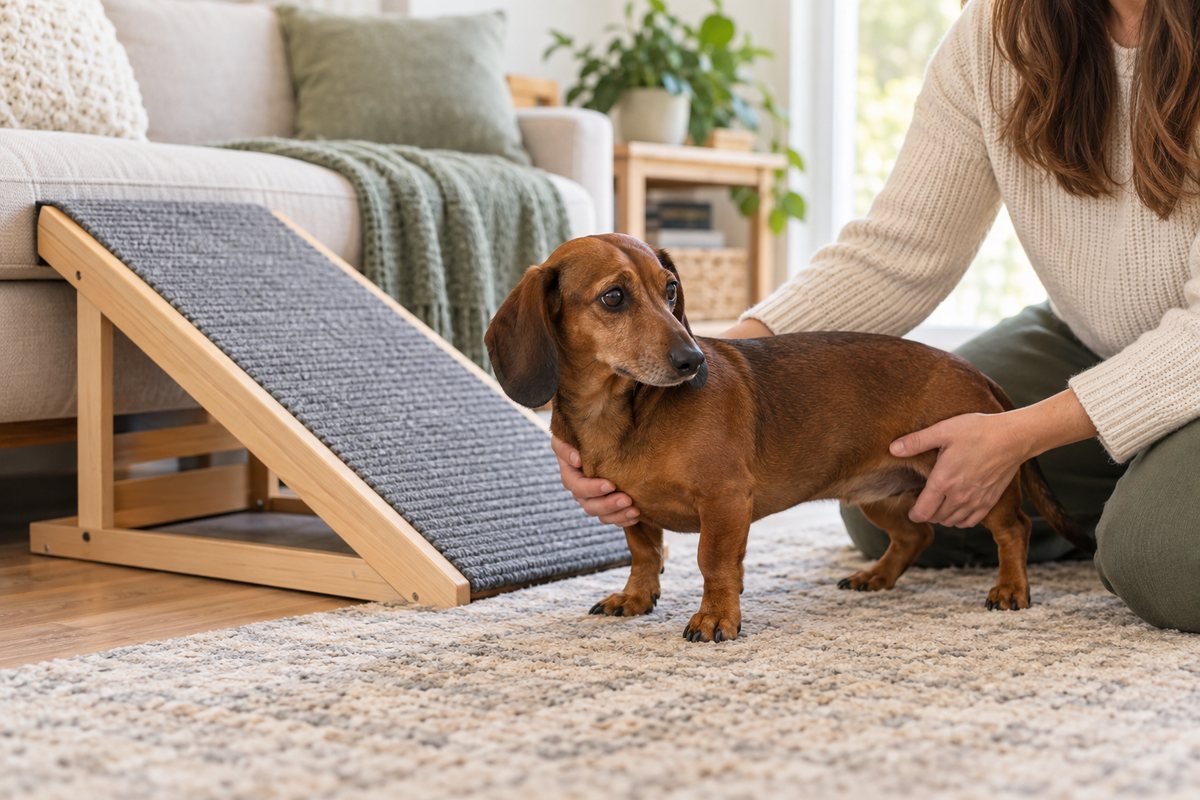
Category: Grooming & Care

Bathing, brushing, shedding, nail trimming, dental care, ears, coats, and simple home care routines.

  • Smooth Haired Dachshund Grooming: Complete Owner Guide

    Smooth Haired Dachshund Grooming: Complete Owner Guide

    Smooth Haired Dachshund Grooming is easiest when you match the routine to coat type, skin comfort, nail length, and your dog’s tolerance for handling. This guide focuses on loose hair, skin checks, nail care, ear checks, and simple weekly maintenance. Keep sessions short, reward cooperation, and use grooming time as a health check rather than a struggle.
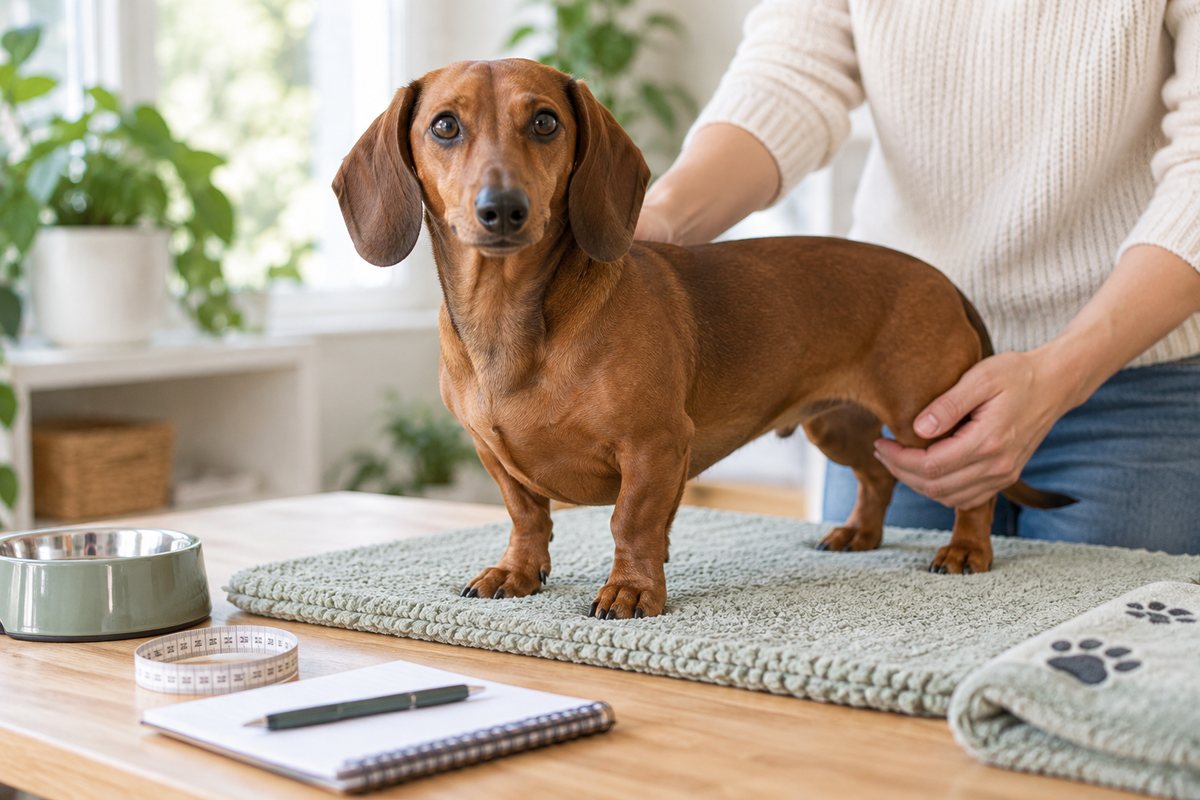
    Dachshund health and grooming check at home for smooth haired dachshund grooming

    Smooth Haired Dachshund Grooming: quick answer

    For most Dachshunds, smooth coat grooming should be simple, consistent, and gentle. Focus on loose hair, skin checks, nail care, ear checks, and simple weekly maintenance. The goal is not a perfect salon finish every time. The goal is a comfortable dog, healthy skin, short nails, clean ears, and early detection of problems.

    AreaWhat to checkConcern sign
    CoatLoose hair, mats, debris, dullnessBald patches, sores, strong odor
    SkinRedness, flakes, bumps, parasitesOpen sores or intense itching
    NailsLength, splitting, clicking on floorsCurling, bleeding, posture change
    EarsOdor, wax, redness, head shakingPain, discharge, repeated scratching
    MouthBreath, gums, chewing comfortBad breath, red gums, loose teeth

    Best routine for this care task

    Build the routine around your Dachshund’s coat type and tolerance. Smooth coats need less brushing but still need skin checks. Long-haired Dachshunds need more combing around ears, belly, legs, and tail. Wire-haired Dachshunds may need a groomer who understands coat texture. For this topic, the practical emphasis is loose hair, skin checks, nail care, ear checks, and simple weekly maintenance.

    • Choose a non-slip surface before handling paws, ears, or coat.
    • Keep sessions short enough that your dog can succeed.
    • Reward small cooperation steps instead of waiting for a full session.
    • Use dog-safe products and avoid harsh human shampoos or tools.
    • Stop and check for pain if your Dachshund suddenly resists handling.
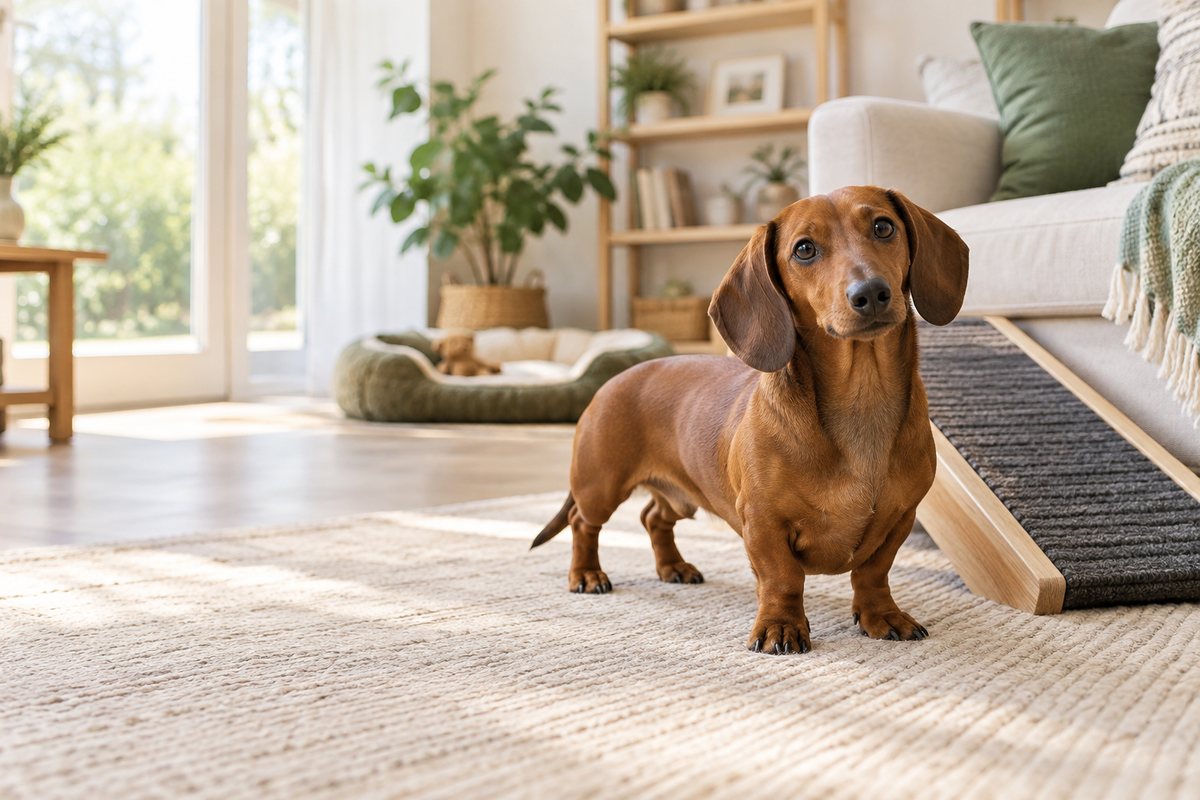
    Dachshund standing calmly for daily care for smooth haired dachshund grooming

    Schedule and frequency

    Frequency depends on coat type, season, activity level, age, and health. A dog who hikes, wears harnesses often, or has long feathering may need more frequent checks than a smooth-coated indoor dog. Nails, ears, teeth, and skin should be checked on a schedule even when the coat looks fine.

    TaskTypical rhythmAdjust when
    BrushingWeekly or more for long coatsMats, shedding, mud, or harness friction
    BathingAs neededOdor, dirt, vet-directed skin care
    NailsWhen they click or affect postureFast growth or low pavement wear
    EarsWeekly visual checkOdor, wax, redness, swimming, allergies
    TeethDaily brushing if possibleBad breath, red gums, tartar, pain

    Mistakes to avoid

    Avoid waiting until grooming becomes urgent. Mats, overgrown nails, painful ears, and dental problems are harder to handle once your dog already feels discomfort. Do not force a long session when a short one would teach more cooperation. Do not use human products unless your veterinarian specifically approves them.

    When to call a veterinarian or groomer

    Call your veterinarian for skin sores, intense itching, repeated ear problems, limping, nail injuries, bad breath with red gums, pain, swelling, or sudden grooming resistance. Use a professional groomer for coat-specific trims, mats close to the skin, wire coat maintenance, or dogs who need a calmer trained setup than you can provide at home.

    Focus area: coat-specific grooming workflow

    This article should stay centered on smooth haired dachshund grooming. The practical focus is loose hair, skin checks, nail care, ear checks, and simple weekly maintenance. That keeps it separate from the broader grooming guide and from coat-type articles that answer different search intent.

    AreaWhat it meansBest next step
    SmoothFast brush and skin checkDo not skip nails and teeth
    LongComb friction areasDo not brush only the top coat
    WireMaintain texture with proper guidanceDo not clip without understanding tradeoffs

    At-home handling plan

    Dachshunds often resist grooming because the session is too long, the surface is slippery, or the owner waits until something is already uncomfortable. Train handling separately from the full grooming job. Touch one paw, reward, and stop. Lift one ear, reward, and stop. Brush one small section, reward, and stop.

    For smooth coat grooming, a calm two-minute routine repeated several times a week is usually more useful than a long session that becomes a wrestling match. Use the same place, the same reward style, and the same release cue so your dog can predict when the handling starts and ends.

    • Use a towel or mat so your Dachshund does not slide.
    • Keep tools within reach before you start.
    • Reward cooperation while your dog is still calm.
    • Stop before frustration builds.
    • Book a vet or groomer visit for pain, odor, sores, mats, or sudden resistance.

    Read next: how to groom a dachshund, wire haired dachshund grooming, how often to groom a dachshund. These related guides help you separate coat care, nail care, dental care, skin checks, and back-safe handling instead of trying to solve every care task in one session.
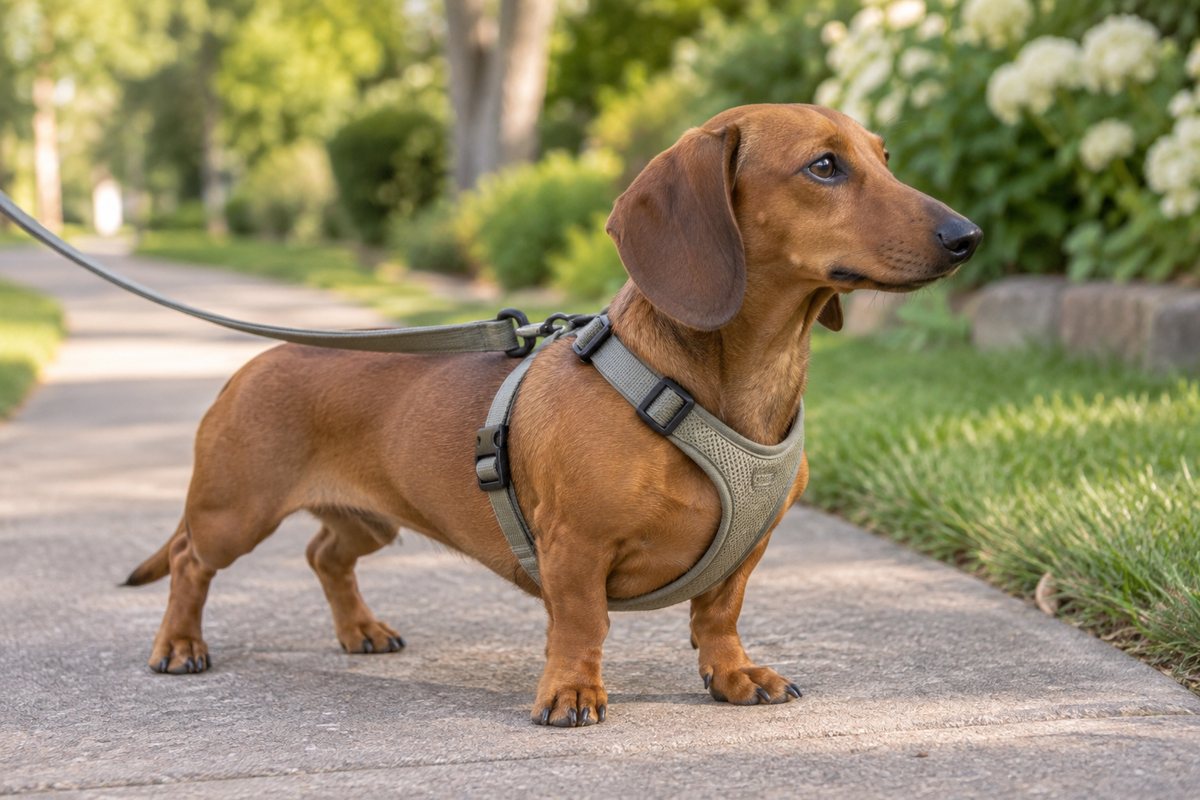
    Dachshund wearing well-fitted gear during care routine for smooth haired dachshund grooming

    FAQ

    How often should I check my Dachshund?

    A quick weekly check is a good baseline. Long coats, itchy dogs, seniors, and dogs with ear or dental history may need more frequent checks.

    What if my Dachshund hates grooming?

    Make sessions shorter and easier. Reward one paw touch, one brush stroke, or one ear lift, then stop. Build cooperation before you attempt a full routine.

    Can grooming help find health problems early?

    Yes. Grooming lets you notice lumps, sore skin, parasites, ear odor, nail changes, dental issues, and pain responses before they become harder to treat.

    Should I use a groomer or do it at home?

    Many owners can handle basic brushing, checks, and toothbrushing at home. Use a groomer for coat-specific work, mats, nail help, or dogs who need experienced handling.

    What should I avoid?

    Avoid harsh products, forcing painful handling, shaving without a clear reason, ignoring red flags, or waiting until mats, nails, ears, or teeth become urgent.

    Owner decision checklist

    Use this checklist when handling smooth haired dachshund grooming at home. Keep the routine centered on smooth coat grooming. The care advice should stay practical: loose hair, skin checks, nail care, ear checks, and simple weekly maintenance. Home care is useful for prevention and monitoring, while pain, odor, sores, infection signs, and sudden resistance belong with a veterinarian or qualified groomer.

    • Use a non-slip surface and set tools within reach before you start.
    • Handle one small area at a time and reward cooperation early.
    • Separate routine maintenance from pain, infection, allergy, or injury signs.
    • Keep notes on timing, products used, visible changes, and what helped.
    • Stop if your Dachshund shows pain, panic, bleeding, swelling, odor, or sudden resistance.
    SituationBest responseCommon mistake
    Routine maintenanceShort home session with rewardsDoing too much at once
    Mild changeMonitor for a few days and adjust products or scheduleAdding several new products at once
    Pain or odorCall the veterinarian or groomerCovering the symptom with fragrance or trimming
    Handling fearTrain touch separately from the full jobHolding the dog still until they give up

    What to do today, this week, and next month

    WhenAction
    TodayDo a short visual check and note any redness, odor, flakes, pain, or resistance
    This weekRepeat small handling sessions and change only one product or routine at a time
    This monthCompare coat, skin, nails, ears, mouth, and comfort with your notes
    If symptoms persistBook a veterinarian or groomer visit rather than layering home fixes

    The timeline matters because Dachshund problems often become habits through repetition. A single good purchase, one calm training session, or one careful grooming check is a start, but the result comes from repeating the same clear setup. Keep the routine small enough that you can actually follow it.

    Real-life example

    Imagine the problem happens on a normal weekday, not during a perfect training session. You are busy, your Dachshund is excited, and the old habit is easier than the new one. The useful plan is the one that still works in that moment. Set up the room, walk route, grooming surface, crate area, or product placement before your dog has a chance to rehearse the unwanted pattern. Reward the first small success, stop while the session is still calm, and repeat the same setup tomorrow. This is how a practical Dachshund routine becomes reliable. If the setup feels too complicated to repeat daily, simplify it until it fits normal life and your dog can predict it.

    For grooming and care topics, define what you should do today, what you should monitor this week, and what should wait for a professional. That distinction is especially useful for Dachshunds because small handling problems can turn into avoidance. A simple home routine is fine for brushing, checking, and prevention. Pain, odor, sores, infection signs, sudden resistance, or repeated skin and ear problems belong with a veterinarian or qualified groomer. Keep notes on timing, products used, and visible changes.

    Dachshund topics often overlap because behavior, gear, grooming, and health all affect one another. The best plan is specific: name the trigger or task, make the setup easier, reward cooperation, and watch whether your dog becomes calmer and more comfortable over time.

    Sources


    Related Dachshund guides

  • Wire Haired Dachshund Grooming: Complete Owner Guide

    Wire Haired Dachshund Grooming: Complete Owner Guide

    Wire Haired Dachshund Grooming is easiest when you match the routine to coat type, skin comfort, nail length, and your dog’s tolerance for handling. This guide focuses on coat texture, debris removal, brushing, professional guidance, and hand-stripping questions. Keep sessions short, reward cooperation, and use grooming time as a health check rather than a struggle.

    Dachshund health and grooming check at home for wire haired dachshund grooming

    Wire Haired Dachshund Grooming: quick answer

    For most Dachshunds, wire coat grooming should be simple, consistent, and gentle. Focus on coat texture, debris removal, brushing, professional guidance, and hand-stripping questions. The goal is not a perfect salon finish every time. The goal is a comfortable dog, healthy skin, short nails, clean ears, and early detection of problems.

    AreaWhat to checkConcern sign
    CoatLoose hair, mats, debris, dullnessBald patches, sores, strong odor
    SkinRedness, flakes, bumps, parasitesOpen sores or intense itching
    NailsLength, splitting, clicking on floorsCurling, bleeding, posture change
    EarsOdor, wax, redness, head shakingPain, discharge, repeated scratching
    MouthBreath, gums, chewing comfortBad breath, red gums, loose teeth

    Best routine for this care task

    Build the routine around your Dachshund’s coat type and tolerance. Smooth coats need less brushing but still need skin checks. Long-haired Dachshunds need more combing around ears, belly, legs, and tail. Wire-haired Dachshunds may need a groomer who understands coat texture. For this topic, the practical emphasis is coat texture, debris removal, brushing, professional guidance, and hand-stripping questions.

    • Choose a non-slip surface before handling paws, ears, or coat.
    • Keep sessions short enough that your dog can succeed.
    • Reward small cooperation steps instead of waiting for a full session.
    • Use dog-safe products and avoid harsh human shampoos or tools.
    • Stop and check for pain if your Dachshund suddenly resists handling.
    Dachshund standing calmly for daily care for wire haired dachshund grooming

    Schedule and frequency

    Frequency depends on coat type, season, activity level, age, and health. A dog who hikes, wears harnesses often, or has long feathering may need more frequent checks than a smooth-coated indoor dog. Nails, ears, teeth, and skin should be checked on a schedule even when the coat looks fine.

    TaskTypical rhythmAdjust when
    BrushingWeekly or more for long coatsMats, shedding, mud, or harness friction
    BathingAs neededOdor, dirt, vet-directed skin care
    NailsWhen they click or affect postureFast growth or low pavement wear
    EarsWeekly visual checkOdor, wax, redness, swimming, allergies
    TeethDaily brushing if possibleBad breath, red gums, tartar, pain

    Mistakes to avoid

    Avoid waiting until grooming becomes urgent. Mats, overgrown nails, painful ears, and dental problems are harder to handle once your dog already feels discomfort. Do not force a long session when a short one would teach more cooperation. Do not use human products unless your veterinarian specifically approves them.

    When to call a veterinarian or groomer

    Call your veterinarian for skin sores, intense itching, repeated ear problems, limping, nail injuries, bad breath with red gums, pain, swelling, or sudden grooming resistance. Use a professional groomer for coat-specific trims, mats close to the skin, wire coat maintenance, or dogs who need a calmer trained setup than you can provide at home.

    Focus area: coat-specific grooming workflow

    This article should stay centered on wire haired dachshund grooming. The practical focus is coat texture, debris removal, brushing, professional guidance, and hand-stripping questions. That keeps it separate from the broader grooming guide and from coat-type articles that answer different search intent.

    AreaWhat it meansBest next step
    SmoothFast brush and skin checkDo not skip nails and teeth
    LongComb friction areasDo not brush only the top coat
    WireMaintain texture with proper guidanceDo not clip without understanding tradeoffs

    At-home handling plan

    Dachshunds often resist grooming because the session is too long, the surface is slippery, or the owner waits until something is already uncomfortable. Train handling separately from the full grooming job. Touch one paw, reward, and stop. Lift one ear, reward, and stop. Brush one small section, reward, and stop.

    For wire coat grooming, a calm two-minute routine repeated several times a week is usually more useful than a long session that becomes a wrestling match. Use the same place, the same reward style, and the same release cue so your dog can predict when the handling starts and ends.

    • Use a towel or mat so your Dachshund does not slide.
    • Keep tools within reach before you start.
    • Reward cooperation while your dog is still calm.
    • Stop before frustration builds.
    • Book a vet or groomer visit for pain, odor, sores, mats, or sudden resistance.

    Read next: how to groom a dachshund, long haired dachshund grooming, smooth haired dachshund grooming. These related guides help you separate coat care, nail care, dental care, skin checks, and back-safe handling instead of trying to solve every care task in one session.

    Dachshund wearing well-fitted gear during care routine for wire haired dachshund grooming

    FAQ

    How often should I check my Dachshund?

    A quick weekly check is a good baseline. Long coats, itchy dogs, seniors, and dogs with ear or dental history may need more frequent checks.

    What if my Dachshund hates grooming?

    Make sessions shorter and easier. Reward one paw touch, one brush stroke, or one ear lift, then stop. Build cooperation before you attempt a full routine.

    Can grooming help find health problems early?

    Yes. Grooming lets you notice lumps, sore skin, parasites, ear odor, nail changes, dental issues, and pain responses before they become harder to treat.

    Should I use a groomer or do it at home?

    Many owners can handle basic brushing, checks, and toothbrushing at home. Use a groomer for coat-specific work, mats, nail help, or dogs who need experienced handling.

    What should I avoid?

    Avoid harsh products, forcing painful handling, shaving without a clear reason, ignoring red flags, or waiting until mats, nails, ears, or teeth become urgent.

    Owner decision checklist

    Use this checklist when handling wire haired dachshund grooming at home. Keep the routine centered on wire coat grooming. The care advice should stay practical: coat texture, debris removal, brushing, professional guidance, and hand-stripping questions. Home care is useful for prevention and monitoring, while pain, odor, sores, infection signs, and sudden resistance belong with a veterinarian or qualified groomer.

    • Use a non-slip surface and set tools within reach before you start.
    • Handle one small area at a time and reward cooperation early.
    • Separate routine maintenance from pain, infection, allergy, or injury signs.
    • Keep notes on timing, products used, visible changes, and what helped.
    • Stop if your Dachshund shows pain, panic, bleeding, swelling, odor, or sudden resistance.
    SituationBest responseCommon mistake
    Routine maintenanceShort home session with rewardsDoing too much at once
    Mild changeMonitor for a few days and adjust products or scheduleAdding several new products at once
    Pain or odorCall the veterinarian or groomerCovering the symptom with fragrance or trimming
    Handling fearTrain touch separately from the full jobHolding the dog still until they give up

    What to do today, this week, and next month

    WhenAction
    TodayDo a short visual check and note any redness, odor, flakes, pain, or resistance
    This weekRepeat small handling sessions and change only one product or routine at a time
    This monthCompare coat, skin, nails, ears, mouth, and comfort with your notes
    If symptoms persistBook a veterinarian or groomer visit rather than layering home fixes

    The timeline matters because Dachshund problems often become habits through repetition. A single good purchase, one calm training session, or one careful grooming check is a start, but the result comes from repeating the same clear setup. Keep the routine small enough that you can actually follow it.

    Real-life example

    Imagine the problem happens on a normal weekday, not during a perfect training session. You are busy, your Dachshund is excited, and the old habit is easier than the new one. The useful plan is the one that still works in that moment. Set up the room, walk route, grooming surface, crate area, or product placement before your dog has a chance to rehearse the unwanted pattern. Reward the first small success, stop while the session is still calm, and repeat the same setup tomorrow. This is how a practical Dachshund routine becomes reliable. If the setup feels too complicated to repeat daily, simplify it until it fits normal life and your dog can predict it.

    For grooming and care topics, define what you should do today, what you should monitor this week, and what should wait for a professional. That distinction is especially useful for Dachshunds because small handling problems can turn into avoidance. A simple home routine is fine for brushing, checking, and prevention. Pain, odor, sores, infection signs, sudden resistance, or repeated skin and ear problems belong with a veterinarian or qualified groomer. Keep notes on timing, products used, and visible changes.

    Dachshund topics often overlap because behavior, gear, grooming, and health all affect one another. The best plan is specific: name the trigger or task, make the setup easier, reward cooperation, and watch whether your dog becomes calmer and more comfortable over time.

    Sources


    Related Dachshund guides

  • Long Haired Dachshund Grooming: Complete Owner Guide

    Long Haired Dachshund Grooming: Complete Owner Guide

    Long Haired Dachshund Grooming is easiest when you match the routine to coat type, skin comfort, nail length, and your dog’s tolerance for handling. This guide focuses on feathering, ears, belly, mats, line brushing, and post-walk checks. Keep sessions short, reward cooperation, and use grooming time as a health check rather than a struggle.

    Dachshund health and grooming check at home for long haired dachshund grooming

    Long Haired Dachshund Grooming: quick answer

    For most Dachshunds, long coat grooming should be simple, consistent, and gentle. Focus on feathering, ears, belly, mats, line brushing, and post-walk checks. The goal is not a perfect salon finish every time. The goal is a comfortable dog, healthy skin, short nails, clean ears, and early detection of problems.

    AreaWhat to checkConcern sign
    CoatLoose hair, mats, debris, dullnessBald patches, sores, strong odor
    SkinRedness, flakes, bumps, parasitesOpen sores or intense itching
    NailsLength, splitting, clicking on floorsCurling, bleeding, posture change
    EarsOdor, wax, redness, head shakingPain, discharge, repeated scratching
    MouthBreath, gums, chewing comfortBad breath, red gums, loose teeth

    Best routine for this care task

    Build the routine around your Dachshund’s coat type and tolerance. Smooth coats need less brushing but still need skin checks. Long-haired Dachshunds need more combing around ears, belly, legs, and tail. Wire-haired Dachshunds may need a groomer who understands coat texture. For this topic, the practical emphasis is feathering, ears, belly, mats, line brushing, and post-walk checks.

    • Choose a non-slip surface before handling paws, ears, or coat.
    • Keep sessions short enough that your dog can succeed.
    • Reward small cooperation steps instead of waiting for a full session.
    • Use dog-safe products and avoid harsh human shampoos or tools.
    • Stop and check for pain if your Dachshund suddenly resists handling.
    Dachshund standing calmly for daily care for long haired dachshund grooming

    Schedule and frequency

    Frequency depends on coat type, season, activity level, age, and health. A dog who hikes, wears harnesses often, or has long feathering may need more frequent checks than a smooth-coated indoor dog. Nails, ears, teeth, and skin should be checked on a schedule even when the coat looks fine.

    TaskTypical rhythmAdjust when
    BrushingWeekly or more for long coatsMats, shedding, mud, or harness friction
    BathingAs neededOdor, dirt, vet-directed skin care
    NailsWhen they click or affect postureFast growth or low pavement wear
    EarsWeekly visual checkOdor, wax, redness, swimming, allergies
    TeethDaily brushing if possibleBad breath, red gums, tartar, pain

    Mistakes to avoid

    Avoid waiting until grooming becomes urgent. Mats, overgrown nails, painful ears, and dental problems are harder to handle once your dog already feels discomfort. Do not force a long session when a short one would teach more cooperation. Do not use human products unless your veterinarian specifically approves them.

    When to call a veterinarian or groomer

    Call your veterinarian for skin sores, intense itching, repeated ear problems, limping, nail injuries, bad breath with red gums, pain, swelling, or sudden grooming resistance. Use a professional groomer for coat-specific trims, mats close to the skin, wire coat maintenance, or dogs who need a calmer trained setup than you can provide at home.

    Focus area: coat-specific grooming workflow

    This article should stay centered on long haired dachshund grooming. The practical focus is feathering, ears, belly, mats, line brushing, and post-walk checks. That keeps it separate from the broader grooming guide and from coat-type articles that answer different search intent.

    AreaWhat it meansBest next step
    SmoothFast brush and skin checkDo not skip nails and teeth
    LongComb friction areasDo not brush only the top coat
    WireMaintain texture with proper guidanceDo not clip without understanding tradeoffs

    At-home handling plan

    Dachshunds often resist grooming because the session is too long, the surface is slippery, or the owner waits until something is already uncomfortable. Train handling separately from the full grooming job. Touch one paw, reward, and stop. Lift one ear, reward, and stop. Brush one small section, reward, and stop.

    For long coat grooming, a calm two-minute routine repeated several times a week is usually more useful than a long session that becomes a wrestling match. Use the same place, the same reward style, and the same release cue so your dog can predict when the handling starts and ends.

    • Use a towel or mat so your Dachshund does not slide.
    • Keep tools within reach before you start.
    • Reward cooperation while your dog is still calm.
    • Stop before frustration builds.
    • Book a vet or groomer visit for pain, odor, sores, mats, or sudden resistance.

    Read next: how to groom a dachshund, dachshund grooming guide, wire haired dachshund grooming. These related guides help you separate coat care, nail care, dental care, skin checks, and back-safe handling instead of trying to solve every care task in one session.

    Dachshund wearing well-fitted gear during care routine for long haired dachshund grooming

    FAQ

    How often should I check my Dachshund?

    A quick weekly check is a good baseline. Long coats, itchy dogs, seniors, and dogs with ear or dental history may need more frequent checks.

    What if my Dachshund hates grooming?

    Make sessions shorter and easier. Reward one paw touch, one brush stroke, or one ear lift, then stop. Build cooperation before you attempt a full routine.

    Can grooming help find health problems early?

    Yes. Grooming lets you notice lumps, sore skin, parasites, ear odor, nail changes, dental issues, and pain responses before they become harder to treat.

    Should I use a groomer or do it at home?

    Many owners can handle basic brushing, checks, and toothbrushing at home. Use a groomer for coat-specific work, mats, nail help, or dogs who need experienced handling.

    What should I avoid?

    Avoid harsh products, forcing painful handling, shaving without a clear reason, ignoring red flags, or waiting until mats, nails, ears, or teeth become urgent.

    Owner decision checklist

    Use this checklist when handling long haired dachshund grooming at home. Keep the routine centered on long coat grooming. The care advice should stay practical: feathering, ears, belly, mats, line brushing, and post-walk checks. Home care is useful for prevention and monitoring, while pain, odor, sores, infection signs, and sudden resistance belong with a veterinarian or qualified groomer.

    • Use a non-slip surface and set tools within reach before you start.
    • Handle one small area at a time and reward cooperation early.
    • Separate routine maintenance from pain, infection, allergy, or injury signs.
    • Keep notes on timing, products used, visible changes, and what helped.
    • Stop if your Dachshund shows pain, panic, bleeding, swelling, odor, or sudden resistance.
    SituationBest responseCommon mistake
    Routine maintenanceShort home session with rewardsDoing too much at once
    Mild changeMonitor for a few days and adjust products or scheduleAdding several new products at once
    Pain or odorCall the veterinarian or groomerCovering the symptom with fragrance or trimming
    Handling fearTrain touch separately from the full jobHolding the dog still until they give up

    What to do today, this week, and next month

    WhenAction
    TodayDo a short visual check and note any redness, odor, flakes, pain, or resistance
    This weekRepeat small handling sessions and change only one product or routine at a time
    This monthCompare coat, skin, nails, ears, mouth, and comfort with your notes
    If symptoms persistBook a veterinarian or groomer visit rather than layering home fixes

    The timeline matters because Dachshund problems often become habits through repetition. A single good purchase, one calm training session, or one careful grooming check is a start, but the result comes from repeating the same clear setup. Keep the routine small enough that you can actually follow it.

    Real-life example

    Imagine the problem happens on a normal weekday, not during a perfect training session. You are busy, your Dachshund is excited, and the old habit is easier than the new one. The useful plan is the one that still works in that moment. Set up the room, walk route, grooming surface, crate area, or product placement before your dog has a chance to rehearse the unwanted pattern. Reward the first small success, stop while the session is still calm, and repeat the same setup tomorrow. This is how a practical Dachshund routine becomes reliable. If the setup feels too complicated to repeat daily, simplify it until it fits normal life and your dog can predict it.

    For grooming and care topics, define what you should do today, what you should monitor this week, and what should wait for a professional. That distinction is especially useful for Dachshunds because small handling problems can turn into avoidance. A simple home routine is fine for brushing, checking, and prevention. Pain, odor, sores, infection signs, sudden resistance, or repeated skin and ear problems belong with a veterinarian or qualified groomer. Keep notes on timing, products used, and visible changes.

    Dachshund topics often overlap because behavior, gear, grooming, and health all affect one another. The best plan is specific: name the trigger or task, make the setup easier, reward cooperation, and watch whether your dog becomes calmer and more comfortable over time.

    Sources


    Related Dachshund guides

  • Dachshund Grooming Guide: Complete Owner Guide

    Dachshund Grooming Guide: Complete Owner Guide

    Dachshund Grooming Guide is easiest when you match the routine to coat type, skin comfort, nail length, and your dog’s tolerance for handling. This guide focuses on coat, nails, ears, teeth, skin checks, and handling practice. Keep sessions short, reward cooperation, and use grooming time as a health check rather than a struggle.

    Dachshund health and grooming check at home for dachshund grooming guide

    Dachshund Grooming Guide: quick answer

    For most Dachshunds, full grooming routine should be simple, consistent, and gentle. Focus on coat, nails, ears, teeth, skin checks, and handling practice. The goal is not a perfect salon finish every time. The goal is a comfortable dog, healthy skin, short nails, clean ears, and early detection of problems.

    AreaWhat to checkConcern sign
    CoatLoose hair, mats, debris, dullnessBald patches, sores, strong odor
    SkinRedness, flakes, bumps, parasitesOpen sores or intense itching
    NailsLength, splitting, clicking on floorsCurling, bleeding, posture change
    EarsOdor, wax, redness, head shakingPain, discharge, repeated scratching
    MouthBreath, gums, chewing comfortBad breath, red gums, loose teeth

    Best routine for this care task

    Build the routine around your Dachshund’s coat type and tolerance. Smooth coats need less brushing but still need skin checks. Long-haired Dachshunds need more combing around ears, belly, legs, and tail. Wire-haired Dachshunds may need a groomer who understands coat texture. For this topic, the practical emphasis is coat, nails, ears, teeth, skin checks, and handling practice.

    • Choose a non-slip surface before handling paws, ears, or coat.
    • Keep sessions short enough that your dog can succeed.
    • Reward small cooperation steps instead of waiting for a full session.
    • Use dog-safe products and avoid harsh human shampoos or tools.
    • Stop and check for pain if your Dachshund suddenly resists handling.
    Dachshund standing calmly for daily care for dachshund grooming guide

    Schedule and frequency

    Frequency depends on coat type, season, activity level, age, and health. A dog who hikes, wears harnesses often, or has long feathering may need more frequent checks than a smooth-coated indoor dog. Nails, ears, teeth, and skin should be checked on a schedule even when the coat looks fine.

    TaskTypical rhythmAdjust when
    BrushingWeekly or more for long coatsMats, shedding, mud, or harness friction
    BathingAs neededOdor, dirt, vet-directed skin care
    NailsWhen they click or affect postureFast growth or low pavement wear
    EarsWeekly visual checkOdor, wax, redness, swimming, allergies
    TeethDaily brushing if possibleBad breath, red gums, tartar, pain

    Mistakes to avoid

    Avoid waiting until grooming becomes urgent. Mats, overgrown nails, painful ears, and dental problems are harder to handle once your dog already feels discomfort. Do not force a long session when a short one would teach more cooperation. Do not use human products unless your veterinarian specifically approves them.

    When to call a veterinarian or groomer

    Call your veterinarian for skin sores, intense itching, repeated ear problems, limping, nail injuries, bad breath with red gums, pain, swelling, or sudden grooming resistance. Use a professional groomer for coat-specific trims, mats close to the skin, wire coat maintenance, or dogs who need a calmer trained setup than you can provide at home.

    Focus area: coat-specific grooming workflow

    This article should stay centered on dachshund grooming guide. The practical focus is coat, nails, ears, teeth, skin checks, and handling practice. That keeps it separate from the broader grooming guide and from coat-type articles that answer different search intent.

    AreaWhat it meansBest next step
    SmoothFast brush and skin checkDo not skip nails and teeth
    LongComb friction areasDo not brush only the top coat
    WireMaintain texture with proper guidanceDo not clip without understanding tradeoffs

    At-home handling plan

    Dachshunds often resist grooming because the session is too long, the surface is slippery, or the owner waits until something is already uncomfortable. Train handling separately from the full grooming job. Touch one paw, reward, and stop. Lift one ear, reward, and stop. Brush one small section, reward, and stop.

    For full grooming routine, a calm two-minute routine repeated several times a week is usually more useful than a long session that becomes a wrestling match. Use the same place, the same reward style, and the same release cue so your dog can predict when the handling starts and ends.

    • Use a towel or mat so your Dachshund does not slide.
    • Keep tools within reach before you start.
    • Reward cooperation while your dog is still calm.
    • Stop before frustration builds.
    • Book a vet or groomer visit for pain, odor, sores, mats, or sudden resistance.

    Read next: how to groom a dachshund, long haired dachshund grooming, things dachshunds hate. These related guides help you separate coat care, nail care, dental care, skin checks, and back-safe handling instead of trying to solve every care task in one session.

    Dachshund wearing well-fitted gear during care routine for dachshund grooming guide

    FAQ

    How often should I check my Dachshund?

    A quick weekly check is a good baseline. Long coats, itchy dogs, seniors, and dogs with ear or dental history may need more frequent checks.

    What if my Dachshund hates grooming?

    Make sessions shorter and easier. Reward one paw touch, one brush stroke, or one ear lift, then stop. Build cooperation before you attempt a full routine.

    Can grooming help find health problems early?

    Yes. Grooming lets you notice lumps, sore skin, parasites, ear odor, nail changes, dental issues, and pain responses before they become harder to treat.

    Should I use a groomer or do it at home?

    Many owners can handle basic brushing, checks, and toothbrushing at home. Use a groomer for coat-specific work, mats, nail help, or dogs who need experienced handling.

    What should I avoid?

    Avoid harsh products, forcing painful handling, shaving without a clear reason, ignoring red flags, or waiting until mats, nails, ears, or teeth become urgent.

    Owner decision checklist

    Use this checklist when handling dachshund grooming guide at home. Keep the routine centered on full grooming routine. The care advice should stay practical: coat, nails, ears, teeth, skin checks, and handling practice. Home care is useful for prevention and monitoring, while pain, odor, sores, infection signs, and sudden resistance belong with a veterinarian or qualified groomer.

    • Use a non-slip surface and set tools within reach before you start.
    • Handle one small area at a time and reward cooperation early.
    • Separate routine maintenance from pain, infection, allergy, or injury signs.
    • Keep notes on timing, products used, visible changes, and what helped.
    • Stop if your Dachshund shows pain, panic, bleeding, swelling, odor, or sudden resistance.
    SituationBest responseCommon mistake
    Routine maintenanceShort home session with rewardsDoing too much at once
    Mild changeMonitor for a few days and adjust products or scheduleAdding several new products at once
    Pain or odorCall the veterinarian or groomerCovering the symptom with fragrance or trimming
    Handling fearTrain touch separately from the full jobHolding the dog still until they give up

    What to do today, this week, and next month

    WhenAction
    TodayDo a short visual check and note any redness, odor, flakes, pain, or resistance
    This weekRepeat small handling sessions and change only one product or routine at a time
    This monthCompare coat, skin, nails, ears, mouth, and comfort with your notes
    If symptoms persistBook a veterinarian or groomer visit rather than layering home fixes

    The timeline matters because Dachshund problems often become habits through repetition. A single good purchase, one calm training session, or one careful grooming check is a start, but the result comes from repeating the same clear setup. Keep the routine small enough that you can actually follow it.

    Real-life example

    Imagine the problem happens on a normal weekday, not during a perfect training session. You are busy, your Dachshund is excited, and the old habit is easier than the new one. The useful plan is the one that still works in that moment. Set up the room, walk route, grooming surface, crate area, or product placement before your dog has a chance to rehearse the unwanted pattern. Reward the first small success, stop while the session is still calm, and repeat the same setup tomorrow. This is how a practical Dachshund routine becomes reliable. If the setup feels too complicated to repeat daily, simplify it until it fits normal life and your dog can predict it.

    For grooming and care topics, define what you should do today, what you should monitor this week, and what should wait for a professional. That distinction is especially useful for Dachshunds because small handling problems can turn into avoidance. A simple home routine is fine for brushing, checking, and prevention. Pain, odor, sores, infection signs, sudden resistance, or repeated skin and ear problems belong with a veterinarian or qualified groomer. Keep notes on timing, products used, and visible changes.

    Dachshund topics often overlap because behavior, gear, grooming, and health all affect one another. The best plan is specific: name the trigger or task, make the setup easier, reward cooperation, and watch whether your dog becomes calmer and more comfortable over time.

    Sources


    Related Dachshund guides

  • How to Groom a Dachshund: Step-by-Step Guide

    How to Groom a Dachshund: Step-by-Step Guide

    To groom a Dachshund, match the routine to the coat type: smooth, long-haired, or wire-haired. All Dachshunds need brushing, nail care, ear checks, dental care, paw checks, and skin monitoring. Long-haired Dachshunds need more tangle prevention, wire-haired Dachshunds need coat-specific maintenance, and smooth Dachshunds still need regular brushing and skin checks even though their coat is short.

    Dachshund grooming routine for coat paws ears and teeth

    How to groom a Dachshund: quick answer

    Brush smooth Dachshunds weekly, long-haired Dachshunds several times per week, and wire-haired Dachshunds according to coat texture and groomer guidance. Check nails every 1 to 2 weeks, brush teeth daily if possible, clean ears only when needed, and inspect paws and belly after walks. VCA grooming guidance notes that long coats may need frequent brushing to prevent mats, while AKC recommends regular at-home grooming checks for skin, coat, nails, ears, and teeth.

    TaskTypical scheduleDachshund note
    BrushingWeekly to daily depending on coatLong-haired coats mat fastest
    NailsEvery 1 to 2 weeks checkLong nails affect posture and traction
    TeethDaily goalSmall dogs often need dental care
    EarsCheck weeklyWatch odor, redness, debris
    PawsAfter walksLow bodies collect dirt and ice
    BathingAs neededBrush out tangles first
    Dachshund skin and coat health check during grooming

    Grooming by coat type

    • Smooth: use a soft brush or grooming mitt, wipe dirt from belly and paws, and monitor dry skin.
    • Long-haired: brush in layers and comb behind ears, armpits, chest, belly, legs, and tail.
    • Wire-haired: brush regularly and ask a groomer about hand-stripping or clipping based on coat and owner goals.

    For deeper coat-specific guides, see how to brush a long haired Dachshund, long haired Dachshund haircut, and Dachshund coat types.

    Step-by-step routine

    1. Set your Dachshund on a non-slip surface.
    2. Brush or comb the coat before bathing.
    3. Check skin for redness, bumps, odor, flakes, or sores.
    4. Inspect paws, nails, and between toes.
    5. Check ears for odor or debris.
    6. Brush teeth with dog toothpaste.
    7. Reward calm handling throughout.
    Dachshund harness areas checked for mats during grooming

    Common grooming mistakes

    • Bathing a long-haired Dachshund before brushing out tangles.
    • Ignoring harness friction behind the front legs.
    • Letting nails grow until they change posture or traction.
    • Using human toothpaste instead of dog toothpaste.
    • Cleaning ears deeply without veterinary direction.
    • Waiting until mats are painful before booking a groomer.

    Make grooming boring in the best way. Use the same mat, the same order, and tiny rewards. A Dachshund that learns grooming is predictable is much easier to handle than one who only gets touched when something is already tangled, sore, or urgent.

    When to call a groomer or veterinarian

    Call a groomer for tight mats, paw trims you are not comfortable doing, sanitary trims, and coat shaping. Call a veterinarian for red skin, odor, ear pain, bleeding nails, sudden sensitivity, bald patches, or any lump or sore you find during grooming. Grooming is also a useful early-warning system for health problems.

    Coat-specific grooming tools

    The best grooming tool depends on the coat. Smooth Dachshunds usually need a soft brush, grooming mitt, or rubber curry. Long-haired Dachshunds need a slicker or pin brush plus a comb. Wire-haired Dachshunds may need a slicker, comb, and professional guidance for coat texture. Using the wrong tool can irritate skin or miss tangles near the skin.

    CoatHelpful toolsMain goal
    SmoothSoft brush, grooming mittLoose hair and skin check
    Long-hairedSlicker or pin brush, metal combPrevent mats and tangles
    Wire-hairedSlicker, comb, groomer supportMaintain texture and remove debris
    All coatsNail trimmer, dog toothbrushComfort and preventive care

    Handling training for grooming

    Grooming goes better when handling is trained outside grooming emergencies. Touch one paw, reward, and stop. Lift an ear, reward, and stop. Touch the toothbrush to one tooth, reward, and stop. These small rehearsals teach your Dachshund that handling predicts calm rewards, not a long struggle.

    • Practice when your dog is calm, not when you are rushed.
    • Use a non-slip surface for confidence.
    • Keep sessions under a few minutes at first.
    • Reward cooperation before your dog tries to leave.
    • Stop if you find pain, swelling, odor, or bleeding.

    Weekly Dachshund grooming routine

    A simple weekly routine prevents most grooming from becoming a crisis. Smooth coats may need only a quick brush and skin check. Long-haired Dachshunds need more combing around friction areas. Wire-haired Dachshunds may need a groomer who understands the coat type. All Dachshunds need nail, ear, tooth, and body checks.

    TaskHow often to checkWhy it matters
    Brush coatWeekly or more for long hairRemoves loose hair and tangles
    Comb ears and featheringSeveral times weekly for long hairPrevents mats
    Trim nailsAs neededImproves traction and posture
    Check earsWeeklyFinds odor, redness, debris
    Brush teethDaily if possibleSupports dental health

    Grooming warning signs

    • Red skin, sores, hot spots, or strong odor.
    • Mats that pull on the skin.
    • Ear odor, head shaking, or discharge.
    • Nails curling, splitting, or changing gait.
    • Pain when touched or sudden grooming resistance.

    Dachshund grooming FAQ

    How often should I bathe a Dachshund?

    Bathe when your Dachshund is dirty, smelly, or your vet recommends it for skin care. Many dogs do not need frequent full baths. Over-bathing can dry the skin, especially if you use harsh shampoo. Use dog-safe shampoo and rinse thoroughly.

    Do long-haired Dachshunds need professional grooming?

    Some owners manage long coats at home with brushing, combing, nail trims, and sanitary cleanup. Professional grooming helps when mats form, the dog resists handling, or the coat needs shaping. The key is not waiting until tangles become painful.

    Should wire-haired Dachshunds be shaved?

    Wire coats can require different care than smooth or long coats. Before shaving or clipping, ask a groomer familiar with wire-haired Dachshunds how it may affect coat texture. If your dog has mats or skin problems, comfort and veterinary guidance come first.

    A complete Dachshund grooming rhythm

    A good Dachshund grooming routine is short, predictable, and built around coat type. Smooth coats need simple brushing and skin checks. Long coats need combing where feathering tangles. Wire coats may need groomer guidance for coat texture and stripping decisions.

    The routine should also include nails, ears, teeth, paws, and body checks. Dachshunds are close to the ground, so belly dirt, paw irritation, and hidden skin spots can sneak up between baths.

    SituationWhat it suggestsBest next step
    Smooth coatLoose hair and skin checksBrush weekly and wipe when dirty
    Long coatMats behind ears and legsComb feathering several times weekly
    Wire coatTexture maintenanceAsk groomer about stripping vs clipping
    NailsPosture and tractionTrim before nails click loudly
    Ears and teethOdor and buildupCheck weekly and clean as needed

    how to groom a Dachshund: practical checklist

    1. Brush before bathing to remove loose hair and tangles.
    2. Use dog-safe shampoo and rinse thoroughly.
    3. Dry ears, belly, and armpits carefully.
    4. Reward paw handling before nail trims.
    5. Check teeth and gums while your dog is calm.
    6. Stop if your dog becomes painful or panicked.

    When to change course

    If grooming reveals odor, bald spots, heavy dandruff, ear redness, bleeding nails, or a painful reaction to touch, make the next step veterinary care rather than another product swap.

    how to groom a Dachshund: owner scenarios and fixes

    The final step for how to groom a Dachshund is matching the advice to the exact situation in front of you. Dachshunds are small, persistent, routine-sensitive dogs, so a plan that looks correct on paper can fail if the room setup, timing, gear, reward value, or health context is wrong. Before changing everything, choose the one pattern that happens most often and work there first.

    This also helps prevent mixed signals. If you sometimes reward the unwanted pattern, sometimes interrupt it, and sometimes ignore it, your Dachshund may keep trying the behavior because the rules are unclear. A simple plan that everyone in the home follows for one week is usually more useful than a complicated plan that changes every day.

    Owner situationHow to handle it
    When the main issue is smooth coatStart with the practical fix: brush weekly and wipe when dirty. Give it several calm repetitions before adding a second change.
    When the pattern looks like long coatAssume the setup is slightly wrong for your Dachshund and adjust the environment before expecting better behavior.
    When you see wire coatSlow the plan down. Dachshunds often improve faster when the next step is easier, clearer, and more predictable.
    When nails keeps returningLook for a trigger that happens before the problem. Changing that trigger usually works better than reacting afterward.
    When ears and teeth is involvedTreat it as a sign to re-check fit, comfort, schedule, or health rather than assuming your dog is ignoring you.

    How to make the plan easier for your Dachshund

    If progress stalls, make the next repetition easier instead of louder or longer. For how to groom a Dachshund, easier can mean more distance, a shorter session, a lower height, a quieter room, softer handling, smaller rewards, or fewer choices. The easier version should let your dog succeed while still practicing the skill you want.

    Watch recovery time. A Dachshund who can return to sniffing, eating, resting, or walking normally is usually in a workable zone. A dog who stays frantic, stiff, avoidant, or obsessed with the trigger is telling you the setup is too difficult. That is useful information, not a training failure.

    7-day improvement plan

    1. Day 1: write down when the how to groom a Dachshund problem happens, where it happens, and what happened right before it.
    2. Day 2: remove the easiest trigger or setup mistake connected to smooth coat.
    3. Day 3: practice the first checklist step: brush before bathing to remove loose hair and tangles..
    4. Day 4: repeat the same plan at an easier level instead of adding a new rule.
    5. Day 5: add one support step from the checklist: use dog-safe shampoo and rinse thoroughly..
    6. Day 6: ask whether your dog recovers faster than earlier in the week.
    7. Day 7: keep what improved, drop what confused your dog, and decide whether health or professional support is needed.

    This seven-day plan will not solve every case of how to groom a Dachshund, but it gives you cleaner information. If the pattern improves, keep building gradually. If it stays the same or worsens, the cause may be discomfort, fear, poor fit, too much freedom, or a trigger that needs a different article-specific plan.

    Quality check before you rely on the advice

    The safest version of the advice should be specific, observable, and easy to repeat. You should know what you are changing, what success looks like, and when to stop. For Dachshunds, stop signs include pain, limping, yelping, frantic barking, snapping, refusal to eat rewards, vomiting, repeated accidents, or sudden behavior changes.

    When in doubt, choose the lower-risk version: more distance, better traction, shorter sessions, calmer rewards, clearer routines, and earlier veterinary input. That keeps the how to groom a Dachshund plan helpful without pushing a small long-backed dog through stress, pain, or confusion.

    Sources


    Related Dachshund guides

  • How to Brush a Long Haired Dachshund: Step-by-Step Guide

    How to Brush a Long Haired Dachshund: Step-by-Step Guide

    To brush a long haired Dachshund, work in small sections, lift the coat in layers, brush gently from the skin outward, and finish each section with a metal comb to catch hidden tangles. The most important areas are behind the ears, armpits, chest, belly, backs of the legs, tail feathering, and anywhere a harness or sweater rubs. Short, calm sessions beat one long wrestling match.

    Long haired Dachshund being brushed in small coat sections

    This step-by-step guide explains tools, brushing order, mat prevention, how often to brush, and what not to do. If your Dachshund already has tight mats, irritated skin, sores, or pain when touched, ask a professional groomer or veterinarian for help instead of pulling through the mats at home.

    How to brush a long haired Dachshund: quick answer

    Use a slicker brush or pin brush gently, then check with a stainless-steel comb. Brush in layers instead of only smoothing the top coat. Keep one hand on the skin near the hair you are brushing so you do not tug. Reward often and stop before your Dachshund becomes frustrated.

    VCA grooming guidance says dogs with long, silky, or curly coats may need daily brushing to prevent tangles and mats, especially around ears, armpits, and backs of legs. Long-haired Dachshunds commonly mat in exactly those spots.

    Tools you need

    ToolUseTip
    Slicker brushLifts loose hair and small tanglesUse light pressure, not scraping
    Pin brushGentle brushing for featheringUseful for sensitive dogs
    Metal combChecks whether the coat is tangle-freeIf the comb catches, brush that section again
    Detangling sprayHelps reduce tuggingUse dog-safe product only
    TreatsBuilds cooperationUse tiny pieces to avoid overfeeding
    Non-slip matImproves comfort and safetyEspecially useful for low-backed dogs

    Avoid scissors near the skin unless you are trained. Mats can pull skin upward, making accidental cuts more likely. If a mat is tight, close to the skin, or painful, professional help is safer.

    Step-by-step brushing routine

    1. Place your Dachshund on a non-slip surface.
    2. Start with calm touch and reward.
    3. Brush one small area at a time.
    4. Lift the coat so you can brush near the skin, not just the top layer.
    5. Hold the hair close to the skin to reduce pulling.
    6. Brush in the direction the coat grows.
    7. Use the comb to check the section before moving on.
    8. Pause if your dog pulls away, scratches, or tenses.
    9. End with praise and a small reward.

    If your Dachshund is new to grooming, make the first sessions almost too easy. Brush for one minute, reward, and stop. Build duration gradually.

    Long haired Dachshund harness area checked for coat tangles

    Mat-prone areas

    Long-haired Dachshunds often look smooth on top while tangles hide underneath. Check friction areas every time.

    AreaWhy it matsHow to manage it
    Behind earsFine hair and scratchingComb gently in small sections
    ArmpitsLeg movement and harness frictionLift leg gently and use light brushing
    Chest and bellyLow body collects moisture and debrisDry after walks, then brush
    Back legsFeathering tangles from movementComb after brushing
    TailLong feathering catches burrsStart at ends and work inward
    Harness strapsFriction compresses coatBrush after walks and adjust fit

    Harness friction is common. For gear that fits the Dachshund body better, see best harness for Dachshunds.

    How often to brush

    Many long-haired Dachshunds need a quick brush several times per week and a deeper line-brushing session weekly. Dogs with soft coats, winter clothing, wet walks, or easy matting may need daily attention in problem areas.

    • Daily: ears, armpits, belly, and harness areas if your dog mats easily.
    • Several times weekly: full-body brush for most long-haired Dachshunds.
    • Before baths: remove tangles first.
    • After wet walks: dry and brush feathering.
    • After grooming appointments: maintain the coat before mats return.

    What to do about mats

    Small loose tangles may come out with detangling spray, gentle brushing, and a comb. Tight mats are different. They can pull skin, hide irritation, and become painful. VCA warns that brushing burrs and tangles before bathing matters because water can make tangles harder to remove.

    • Do not yank through a mat.
    • Do not bathe a matted coat first.
    • Do not cut close mats with household scissors.
    • Ask a groomer if mats are tight, widespread, or close to skin.
    • Call your veterinarian if skin is red, bleeding, smelly, or painful.
    Dachshund skin and coat check during long haired brushing routine

    FAQ

    Do long haired Dachshunds need daily brushing?

    Some do, especially around ears, armpits, belly, and tail feathering. Others do well with several brush sessions per week. If mats form between sessions, brush more often.

    Should I brush before or after a bath?

    Brush before bathing. Water can tighten tangles and make mats harder to remove.

    What brush is best for a long haired Dachshund?

    Many owners use a slicker brush or pin brush plus a metal comb. The comb is important because it confirms whether hidden tangles remain near the skin.

    Line brushing for long-haired Dachshunds

    Line brushing means you do not just brush the outside of the coat. You lift a small layer of hair, brush from the base outward, then let down the next layer. This matters for long-haired Dachshunds because the top can look smooth while mats form underneath around the chest, belly, ears, and legs.

    1. Start at a small area such as one side of the chest.
    2. Lift the top layer with your fingers.
    3. Brush the lower layer gently.
    4. Comb that section to check for snags.
    5. Move to the next small layer.
    6. Stop if the skin looks red or your dog is uncomfortable.

    Post-walk coat check

    After wet or muddy walks, check the belly, armpits, tail, and feathering before the coat dries into tangles. Remove burrs and debris gently. If your Dachshund wears a harness, comb under the straps after long walks because friction can start mats even when the rest of the coat looks fine.

    A long-haired Dachshund brushing system

    Long-haired Dachshunds need brushing that reaches the coat areas most likely to tangle: behind the ears, under the collar, armpits, chest feathering, belly, tail, and rear legs. A quick surface brush can make the coat look nice while leaving small mats underneath.

    Use calm, short sessions. Put your dog on a non-slip surface, reward stillness, and work in sections. If your Dachshund hates brushing, start with the easiest area and stop before frustration builds.

    SituationWhat it suggestsBest next step
    Behind earsFine hair mats quicklyComb gently in small sections
    ArmpitsHarness frictionLift leg only as comfortable
    Tail featheringDebris and tanglesHold base to avoid pulling skin
    BellyLow to ground dirtCheck after wet walks
    PawsBurrs and matsTrim pad hair if needed

    how to brush a long haired Dachshund: practical checklist

    1. Mist lightly if the coat has static or small tangles.
    2. Brush with the coat, then check with a comb.
    3. Hold hair near the skin when working through tangles.
    4. Reward after each small section.
    5. Do not yank mats loose.
    6. Schedule a groomer if mats are tight or painful.

    When to change course

    If your dog suddenly resists brushing in one area, check for skin irritation, burrs, sores, ear pain, or harness rubbing before continuing.

    how to brush a long haired Dachshund: owner scenarios and fixes

    The final step for how to brush a long haired Dachshund is matching the advice to the exact situation in front of you. Dachshunds are small, persistent, routine-sensitive dogs, so a plan that looks correct on paper can fail if the room setup, timing, gear, reward value, or health context is wrong. Before changing everything, choose the one pattern that happens most often and work there first.

    This also helps prevent mixed signals. If you sometimes reward the unwanted pattern, sometimes interrupt it, and sometimes ignore it, your Dachshund may keep trying the behavior because the rules are unclear. A simple plan that everyone in the home follows for one week is usually more useful than a complicated plan that changes every day.

    Owner situationHow to handle it
    When the main issue is behind earsStart with the practical fix: comb gently in small sections. Give it several calm repetitions before adding a second change.
    When the pattern looks like armpitsAssume the setup is slightly wrong for your Dachshund and adjust the environment before expecting better behavior.
    When you see tail featheringSlow the plan down. Dachshunds often improve faster when the next step is easier, clearer, and more predictable.
    When belly keeps returningLook for a trigger that happens before the problem. Changing that trigger usually works better than reacting afterward.
    When paws is involvedTreat it as a sign to re-check fit, comfort, schedule, or health rather than assuming your dog is ignoring you.

    How to make the plan easier for your Dachshund

    If progress stalls, make the next repetition easier instead of louder or longer. For how to brush a long haired Dachshund, easier can mean more distance, a shorter session, a lower height, a quieter room, softer handling, smaller rewards, or fewer choices. The easier version should let your dog succeed while still practicing the skill you want.

    Watch recovery time. A Dachshund who can return to sniffing, eating, resting, or walking normally is usually in a workable zone. A dog who stays frantic, stiff, avoidant, or obsessed with the trigger is telling you the setup is too difficult. That is useful information, not a training failure.

    7-day improvement plan

    1. Day 1: write down when the how to brush a long haired Dachshund problem happens, where it happens, and what happened right before it.
    2. Day 2: remove the easiest trigger or setup mistake connected to behind ears.
    3. Day 3: practice the first checklist step: mist lightly if the coat has static or small tangles..
    4. Day 4: repeat the same plan at an easier level instead of adding a new rule.
    5. Day 5: add one support step from the checklist: brush with the coat, then check with a comb..
    6. Day 6: ask whether your dog recovers faster than earlier in the week.
    7. Day 7: keep what improved, drop what confused your dog, and decide whether health or professional support is needed.

    This seven-day plan will not solve every case of how to brush a long haired Dachshund, but it gives you cleaner information. If the pattern improves, keep building gradually. If it stays the same or worsens, the cause may be discomfort, fear, poor fit, too much freedom, or a trigger that needs a different article-specific plan.

    Quality check before you rely on the advice

    The safest version of the advice should be specific, observable, and easy to repeat. You should know what you are changing, what success looks like, and when to stop. For Dachshunds, stop signs include pain, limping, yelping, frantic barking, snapping, refusal to eat rewards, vomiting, repeated accidents, or sudden behavior changes.

    When in doubt, choose the lower-risk version: more distance, better traction, shorter sessions, calmer rewards, clearer routines, and earlier veterinary input. That keeps the how to brush a long haired Dachshund plan helpful without pushing a small long-backed dog through stress, pain, or confusion.

    Sources


    Related Dachshund guides

  • How Often to Brush Dachshund Teeth? A Simple Schedule

    How Often to Brush Dachshund Teeth? A Simple Schedule

    Most Dachshunds should have their teeth brushed daily if possible. If daily brushing is not realistic yet, aim for several times per week while you train toward a daily habit. Small dogs are prone to dental crowding and tartar buildup, and Dachshunds can be stubborn about mouth handling, so the best schedule is the one you can repeat calmly and consistently.

    Dachshund dental care routine with toothbrush and veterinary checkup

    This guide explains how often to brush Dachshund teeth, how to start, what tools to use, what dental chews can and cannot do, and when bad breath should lead to a veterinary exam. It does not replace professional dental care. If your Dachshund has loose teeth, bleeding gums, facial swelling, trouble eating, pawing at the mouth, or sudden bad breath, call your veterinarian.

    How often to brush Dachshund teeth: quick answer

    Brush daily if your Dachshund allows it. If you are building the habit, start with short sessions several times per week, then increase. AVMA states that regular tooth brushing is the single most effective thing owners can do to keep pet teeth healthy between professional cleanings. VCA also recommends pet-safe toothbrushes and toothpaste, not human toothpaste or baking soda.

    The outside cheek surfaces of the teeth matter most because plaque and tartar often accumulate there. VOHC notes that plaque and tartar accumulate rapidly on the cheek surfaces of upper teeth in dogs and cats, making those areas a practical brushing target.

    Best brushing schedule

    GoalScheduleBest for
    Ideal routineDaily brushingMost adult Dachshunds
    Training phase3 to 5 short sessions per weekDogs learning mouth handling
    Puppy habitDaily gentle handling, short brushing practicePuppies before resistance develops
    Dental disease historyVet-directed planDogs with extractions, gum disease, or frequent cleanings
    Cannot brush yetVet-approved alternatives plus trainingDogs with fear or handling issues

    Brushing once a month is not enough to control plaque. If your Dachshund resists, do not force a full mouth session. Train the behavior in tiny steps and brush one small area at a time.

    Why Dachshund teeth need care

    Dachshunds are small dogs with relatively small mouths, and many live long enough for dental problems to become a major comfort issue. Bad breath is not just cosmetic. Dental disease can cause pain, infection, loose teeth, and difficulty eating.

    • Small mouths can crowd teeth.
    • Food and plaque can collect near the gum line.
    • Chewing alone does not clean every tooth surface.
    • Dental pain can show up as picky eating or behavior change.
    • Veterinary cleanings may still be needed even with home care.

    If your Dachshund becomes reluctant to eat hard food, drops food, chews on one side, or has strong odor from the mouth, schedule a veterinary dental exam.

    Dachshund food and dental routine connected to healthy teeth

    Tools to use

    ToolUseImportant note
    Dog toothbrushDaily brushingChoose a small head for Dachshunds
    Finger brushBeginner handlingUse carefully if your dog may bite
    Dog toothpasteFlavor and safetyNever use human toothpaste
    Dental wipesStarter optionBetter than nothing but not identical to brushing
    VOHC-accepted productsAdjunct dental careUse as support, not a brushing replacement
    Tiny treatsTraining rewardCount calories

    Human toothpaste can contain ingredients that are not meant to be swallowed by dogs. Use products designed for pets, and ask your veterinary team if your Dachshund has mouth pain or a history of dental disease.

    Step-by-step training

    1. Touch the side of your Dachshund’s muzzle and reward.
    2. Lift the lip briefly and reward.
    3. Let your dog taste dog toothpaste.
    4. Touch one front tooth with the brush and reward.
    5. Brush a few cheek-side teeth for a few seconds.
    6. Gradually increase time over days or weeks.
    7. Keep sessions calm and stop before your dog struggles.

    VCA’s toothbrushing guidance emphasizes training and using dog-safe toothpaste. For Dachshunds, patience matters. If every session becomes a fight, the dog learns to avoid the brush.

    Dental chews and water additives

    Dental chews, diets, wipes, and water additives may help some dogs, especially if they carry VOHC acceptance, but they do not replace veterinary exams or a brushing habit. They also add calories, which matters for Dachshunds.

    • Choose size-appropriate chews.
    • Supervise chewing.
    • Avoid very hard items that may damage teeth.
    • Count chews as calories.
    • Ask your vet before using products after dental surgery.

    For treat calories, see best treats for Dachshund training. For diet and weight control, see best food for Dachshunds.

    Measured Dachshund food and dental chew calories

    Warning signs

    SignPossible meaningWhat to do
    Bad breath that persistsDental disease or infectionSchedule a vet exam
    Bleeding gumsInflammation, trauma, or diseaseCall your veterinarian
    Loose or missing teethAdvanced dental disease or injuryVet care needed
    Dropping foodPain or chewing difficultyDental exam
    Pawing at mouthPain or foreign bodyPrompt veterinary advice

    FAQ

    Is brushing Dachshund teeth once a week enough?

    Once a week is better than never, but daily brushing is the better goal. If your dog resists, build gradually from short, frequent sessions.

    Can I use human toothpaste?

    No. Use dog toothpaste. Human toothpaste and baking soda are not meant for dogs to swallow.

    Do dental chews replace brushing?

    No. They can support dental care, but brushing and veterinary dental exams remain important.

    4-week starter schedule

    If your Dachshund hates toothbrushing, start smaller than you think. The first goal is not a perfect full-mouth cleaning. The first goal is teaching your dog that mouth handling is safe and predictable.

    WeekGoalPractice
    1Muzzle and lip comfortTouch, reward, stop
    2Toothpaste acceptanceTaste dog toothpaste
    3Brush contactTouch one or two teeth
    4Short brushingBrush cheek-side teeth briefly

    When brushing is not enough

    Home brushing helps prevent buildup, but it cannot remove all existing tartar under the gumline. If your Dachshund already has bad breath, red gums, loose teeth, swelling, or pain, schedule a veterinary dental exam. Starting a brushing routine is still useful, but painful mouths need professional care.

    A realistic Dachshund toothbrushing frequency plan

    Daily brushing is the ideal goal for many dogs, but the best routine is the one you can keep without turning every evening into a wrestling match. Dachshunds often respond well to tiny steps: taste toothpaste, touch lips, lift lip, brush one tooth, then build from there.

    Frequency also depends on your dog’s mouth, age, diet, chew habits, and veterinary dental history. Bad breath, red gums, drooling, pawing at the mouth, or difficulty chewing should not wait for the next routine brushing attempt.

    SituationWhat it suggestsBest next step
    New to brushingNeeds handling practiceStart with toothpaste taste and lip lifts
    Tolerates brushReady for routineAim for short daily sessions
    Heavy tartarHome care not enoughAsk vet about dental exam
    Senior dogPain may hideWatch chewing and breath changes
    Busy weekRoutine slippingBrush several times rather than quitting

    how often to brush Dachshund teeth: practical checklist

    1. Use dog toothpaste, not human toothpaste.
    2. Reward before and after mouth handling.
    3. Brush the outside surfaces first.
    4. Keep early sessions under one minute.
    5. Pair brushing with a daily cue such as bedtime.
    6. Schedule vet care for pain, bleeding, loose teeth, or severe odor.

    When to change course

    If your Dachshund clamps the mouth shut, yelps, bleeds, or suddenly refuses food, stop brushing and check for dental pain instead of pushing harder.

    how often to brush Dachshund teeth: owner scenarios and fixes

    The final step for how often to brush Dachshund teeth is matching the advice to the exact situation in front of you. Dachshunds are small, persistent, routine-sensitive dogs, so a plan that looks correct on paper can fail if the room setup, timing, gear, reward value, or health context is wrong. Before changing everything, choose the one pattern that happens most often and work there first.

    This also helps prevent mixed signals. If you sometimes reward the unwanted pattern, sometimes interrupt it, and sometimes ignore it, your Dachshund may keep trying the behavior because the rules are unclear. A simple plan that everyone in the home follows for one week is usually more useful than a complicated plan that changes every day.

    Owner situationHow to handle it
    When the main issue is new to brushingStart with the practical fix: start with toothpaste taste and lip lifts. Give it several calm repetitions before adding a second change.
    When the pattern looks like tolerates brushAssume the setup is slightly wrong for your Dachshund and adjust the environment before expecting better behavior.
    When you see heavy tartarSlow the plan down. Dachshunds often improve faster when the next step is easier, clearer, and more predictable.
    When senior dog keeps returningLook for a trigger that happens before the problem. Changing that trigger usually works better than reacting afterward.
    When busy week is involvedTreat it as a sign to re-check fit, comfort, schedule, or health rather than assuming your dog is ignoring you.

    How to make the plan easier for your Dachshund

    If progress stalls, make the next repetition easier instead of louder or longer. For how often to brush Dachshund teeth, easier can mean more distance, a shorter session, a lower height, a quieter room, softer handling, smaller rewards, or fewer choices. The easier version should let your dog succeed while still practicing the skill you want.

    Watch recovery time. A Dachshund who can return to sniffing, eating, resting, or walking normally is usually in a workable zone. A dog who stays frantic, stiff, avoidant, or obsessed with the trigger is telling you the setup is too difficult. That is useful information, not a training failure.

    7-day improvement plan

    1. Day 1: write down when the how often to brush Dachshund teeth problem happens, where it happens, and what happened right before it.
    2. Day 2: remove the easiest trigger or setup mistake connected to new to brushing.
    3. Day 3: practice the first checklist step: use dog toothpaste, not human toothpaste..
    4. Day 4: repeat the same plan at an easier level instead of adding a new rule.
    5. Day 5: add one support step from the checklist: reward before and after mouth handling..
    6. Day 6: ask whether your dog recovers faster than earlier in the week.
    7. Day 7: keep what improved, drop what confused your dog, and decide whether health or professional support is needed.

    This seven-day plan will not solve every case of how often to brush Dachshund teeth, but it gives you cleaner information. If the pattern improves, keep building gradually. If it stays the same or worsens, the cause may be discomfort, fear, poor fit, too much freedom, or a trigger that needs a different article-specific plan.

    Quality check before you rely on the advice

    The safest version of the advice should be specific, observable, and easy to repeat. You should know what you are changing, what success looks like, and when to stop. For Dachshunds, stop signs include pain, limping, yelping, frantic barking, snapping, refusal to eat rewards, vomiting, repeated accidents, or sudden behavior changes.

    When in doubt, choose the lower-risk version: more distance, better traction, shorter sessions, calmer rewards, clearer routines, and earlier veterinary input. That keeps the how often to brush Dachshund teeth plan helpful without pushing a small long-backed dog through stress, pain, or confusion.

    Sources


    Related Dachshund guides

  • Long Haired Dachshund Haircut: Complete Dachshund Owner Guide

    Long Haired Dachshund Haircut: Complete Dachshund Owner Guide

    A long haired Dachshund haircut should keep the coat tidy, comfortable, and mat-free without removing more hair than necessary. Most long-haired Dachshunds do not need dramatic haircuts. They usually need regular brushing, paw trimming, sanitary trimming, light shaping around ears and feathering, and professional help when mats or heavy coat maintenance become difficult.

    Long haired Dachshund with tidy feathering and trimmed paws

    This guide explains common haircut options, what to trim, what to avoid, and how to decide between home maintenance and a professional groomer. If your Dachshund has mats tight to the skin, irritated skin, sores, ear odor, or pain when handled, do not try to cut the coat at home. Ask a groomer or veterinarian for help.

    Long haired Dachshund haircut: quick answer

    Most long-haired Dachshunds need tidy trims, not full haircuts. Keep feathering brushed, trim paw hair for traction, keep the sanitary area clean, and lightly shape long ear or leg hair if it drags or mats. Avoid shaving the coat short unless mats, medical needs, or a groomer/veterinarian make it necessary.

    VCA grooming guidance emphasizes regular brushing for long coats and warns that tangles should be brushed out before bathing because water can make them harder to remove. A haircut is not a replacement for brushing. It is a maintenance tool.

    Does a long-haired Dachshund need a haircut?

    Some long-haired Dachshunds need only brushing and small trims. Others need professional grooming because their coat mats quickly, they wear sweaters or harnesses often, or they dislike home handling. The right answer depends on coat texture, lifestyle, weather, and owner maintenance.

    • Trim paw hair if your dog slips on floors.
    • Trim sanitary areas if hair collects urine or stool.
    • Shape feathering if it drags, mats, or catches debris.
    • Leave protective coat length unless there is a clear reason to shorten it.
    • Use a groomer for mats, sensitive dogs, or style cuts.

    For daily coat care, read how to brush a long haired Dachshund once live. For winter-specific coat handling, use Dachshund winter coat care.

    Haircut and trim options

    Trim optionBest forWatch-out
    Paw pad trimTraction and cleanlinessUse caution around pads
    Sanitary trimHygieneProfessional help is safer if dog wiggles
    Feathering tidyLegs, chest, belly, and tail neatnessDo not over-thin or chop unevenly
    Ear trimReducing tangles and food debrisComb first and protect ear leather
    Outline trimNatural neat shapeKeep breed-appropriate look
    Full shave-downSevere mats or medical needUse only when necessary

    If you want a low-maintenance style, ask a groomer for a neat outline trim rather than trying to invent a cut at home. Bring photos and explain your real maintenance routine honestly.

    Long haired Dachshund coat checked under harness areas before trimming

    What owners can maintain at home

    Owners can often maintain brushing, combing, gentle paw checks, and bath prep at home. Trimming depends on your comfort, tools, and your dog’s ability to stand calmly.

    1. Brush and comb the coat before trimming.
    2. Use good lighting and a non-slip surface.
    3. Trim tiny amounts at a time.
    4. Keep one hand aware of skin location.
    5. Stop if your dog wiggles, sits, or pulls away.
    6. Reward cooperation and keep sessions short.
    7. Use a professional for close work near skin, paws, ears, and sanitary areas if unsure.

    Do not trim because you are frustrated with mats. Mats change how skin sits under the coat, and cutting into a mat can cut the dog.

    What to avoid

    • Avoid shaving a long-haired Dachshund short just because it is summer.
    • Avoid cutting mats close to the skin with household scissors.
    • Avoid bathing before removing tangles.
    • Avoid trimming ears without knowing where the ear leather is.
    • Avoid forcing a painful dog to stand through grooming.
    • Avoid letting harness friction create hidden mats.

    Regular grooming matters for comfort, but sudden sensitivity to brushing can also signal pain. If your Dachshund reacts strongly when you touch the back, neck, belly, or legs, consider a veterinary check. See Dachshund back pain signs.

    Mats and shave-downs

    Mats are not just messy hair. They can pull skin, trap moisture, hide irritation, and make movement uncomfortable. A groomer may recommend shaving a matted area because brushing it out would be painful or damaging. That is not a style failure. It can be the kindest option.

    Mat levelHome responseProfessional help?
    Small loose tangleDetangling spray, brush, combOptional
    Repeated tanglesIncrease brushing scheduleHelpful for tool advice
    Tight matDo not yank or cut closeYes
    Skin irritationStop grooming that areaVet or groomer
    Widespread mattingDo not bathe firstYes, likely shave-down

    Grooming schedule

    A practical schedule for many long-haired Dachshunds is a quick brush several times per week, a deeper comb-through weekly, and a professional trim every 6 to 12 weeks depending on coat, lifestyle, and owner maintenance. Dogs that mat easily may need a shorter interval.

    • After walks: check belly, legs, and tail for debris.
    • Several times weekly: brush and comb mat-prone areas.
    • Monthly: check paw hair, nails, ears, and sanitary area.
    • Every 6 to 12 weeks: groomer trim if needed.
    • Before winter clothing season: reduce friction mats with a tidy trim.
    Long haired Dachshund skin and coat check before haircut

    FAQ

    Should long-haired Dachshunds be shaved?

    Usually no. Shaving may be needed for severe mats or medical reasons, but routine care usually means brushing, combing, paw trims, sanitary trims, and light shaping.

    What is the best haircut for a long-haired Dachshund?

    For most pets, a natural outline trim with tidy paws, sanitary area, ears, and feathering is the best balance of comfort and coat protection.

    How often should long-haired Dachshunds go to the groomer?

    Many do well every 6 to 12 weeks, but it depends on coat texture, matting, weather, and how much brushing you do at home.

    How to choose a long-haired Dachshund trim

    A long-haired Dachshund haircut should improve comfort and maintenance without removing coat protection unnecessarily. Most owners need tidy trims around feet, sanitary areas, ears, and feathering rather than a dramatic shave.

    Before asking for a cut, decide what problem you are solving. Is your dog matting behind the ears, dragging belly hair through wet grass, collecting burrs, or overheating in a specific climate? The answer should shape the trim.

    SituationWhat it suggestsBest next step
    Mats behind earsFriction and fine hairComb often and ask for tidy ear trim
    Slippery pawsHair between padsTrim paw pads carefully
    Dirty bellyLow body heightUse light belly tidy, not full shave
    Sanitary messLong rear featheringAsk for sanitary trim
    Heavy coatSeasonal maintenanceBrush and de-shed before cutting short

    long haired Dachshund haircut: practical checklist

    1. Brush out tangles before the grooming appointment if possible.
    2. Bring photos of the trim length you want.
    3. Ask the groomer to preserve natural coat function.
    4. Avoid shaving to the skin unless medically needed.
    5. Check ears, armpits, and tail feathering weekly.
    6. Use a comb, not only a brush, to find hidden mats.

    When to change course

    If mats are tight to the skin, painful, or widespread, do not cut them out at home with scissors. A groomer or vet clinic can remove them more safely.

    long haired Dachshund haircut: owner scenarios and fixes

    The final step for long haired Dachshund haircut is matching the advice to the exact situation in front of you. Dachshunds are small, persistent, routine-sensitive dogs, so a plan that looks correct on paper can fail if the room setup, timing, gear, reward value, or health context is wrong. Before changing everything, choose the one pattern that happens most often and work there first.

    This also helps prevent mixed signals. If you sometimes reward the unwanted pattern, sometimes interrupt it, and sometimes ignore it, your Dachshund may keep trying the behavior because the rules are unclear. A simple plan that everyone in the home follows for one week is usually more useful than a complicated plan that changes every day.

    Owner situationHow to handle it
    When the main issue is mats behind earsStart with the practical fix: comb often and ask for tidy ear trim. Give it several calm repetitions before adding a second change.
    When the pattern looks like slippery pawsAssume the setup is slightly wrong for your Dachshund and adjust the environment before expecting better behavior.
    When you see dirty bellySlow the plan down. Dachshunds often improve faster when the next step is easier, clearer, and more predictable.
    When sanitary mess keeps returningLook for a trigger that happens before the problem. Changing that trigger usually works better than reacting afterward.
    When heavy coat is involvedTreat it as a sign to re-check fit, comfort, schedule, or health rather than assuming your dog is ignoring you.

    How to make the plan easier for your Dachshund

    If progress stalls, make the next repetition easier instead of louder or longer. For long haired Dachshund haircut, easier can mean more distance, a shorter session, a lower height, a quieter room, softer handling, smaller rewards, or fewer choices. The easier version should let your dog succeed while still practicing the skill you want.

    Watch recovery time. A Dachshund who can return to sniffing, eating, resting, or walking normally is usually in a workable zone. A dog who stays frantic, stiff, avoidant, or obsessed with the trigger is telling you the setup is too difficult. That is useful information, not a training failure.

    7-day improvement plan

    1. Day 1: write down when the long haired Dachshund haircut problem happens, where it happens, and what happened right before it.
    2. Day 2: remove the easiest trigger or setup mistake connected to mats behind ears.
    3. Day 3: practice the first checklist step: brush out tangles before the grooming appointment if possible..
    4. Day 4: repeat the same plan at an easier level instead of adding a new rule.
    5. Day 5: add one support step from the checklist: bring photos of the trim length you want..
    6. Day 6: ask whether your dog recovers faster than earlier in the week.
    7. Day 7: keep what improved, drop what confused your dog, and decide whether health or professional support is needed.

    This seven-day plan will not solve every case of long haired Dachshund haircut, but it gives you cleaner information. If the pattern improves, keep building gradually. If it stays the same or worsens, the cause may be discomfort, fear, poor fit, too much freedom, or a trigger that needs a different article-specific plan.

    Quality check before you rely on the advice

    The safest version of the advice should be specific, observable, and easy to repeat. You should know what you are changing, what success looks like, and when to stop. For Dachshunds, stop signs include pain, limping, yelping, frantic barking, snapping, refusal to eat rewards, vomiting, repeated accidents, or sudden behavior changes.

    When in doubt, choose the lower-risk version: more distance, better traction, shorter sessions, calmer rewards, clearer routines, and earlier veterinary input. That keeps the long haired Dachshund haircut plan helpful without pushing a small long-backed dog through stress, pain, or confusion.

    Sources


    Related Dachshund guides

  • Dachshund Winter Coat Care: Complete Dachshund Owner Guide

    Dachshund Winter Coat Care: Complete Dachshund Owner Guide

    Dachshund winter coat care is about warmth, dry skin, clean paws, and safe walks. Smooth Dachshunds may feel cold quickly because they have short coats and low bodies. Long-haired Dachshunds can collect snow, mud, and mats. Wire-haired Dachshunds may look rugged, but they still need paw checks, brushing, and weather-aware routines. The goal is not to overdress every Dachshund. It is to match care to coat type, temperature, wind, moisture, age, and health.

    Dachshund prepared for a cold weather walk with coat and paw care

    This guide covers winter brushing, bathing, sweaters, paw protection, snow cleanup, and when cold weather should shorten walks. If your Dachshund is very young, senior, underweight, has heart or endocrine disease, has back pain, or shivers even indoors, ask your veterinarian for a cold-weather plan.

    Dachshund winter coat care: quick answer

    In winter, keep your Dachshund dry, warm enough, and mat-free. Brush long-haired and wire-haired coats more often, wipe paws after walks, dry the belly and chest, and use a well-fitted sweater or coat when your dog is cold. Shorten walks in harsh weather and avoid forcing a shivering Dachshund to continue.

    AKC cold-weather safety guidance notes that small, short-coated, senior, and very young dogs can be more vulnerable to cold. Dachshunds often fit more than one of those categories, especially smooth-coated miniatures and seniors.

    Winter care by coat type

    Coat typeWinter riskCare priority
    SmoothGets cold easily, little natural insulationSweater or coat, quick drying, shorter walks
    Long-hairedMats, wet feathering, snow clumpsBrush ears, chest, legs, belly, and tail
    Wire-hairedDebris, dry skin, coat texture changesRegular brushing and coat-specific grooming
    PuppyLess tolerance and less routineShort outings and gentle handling practice
    SeniorCold sensitivity and mobility changesWarmth, traction, and vet guidance if stiff

    For a broader look at coat types, use Dachshund coat types. For full grooming structure, save how to groom a Dachshund once that hub is live.

    Dachshund wellness check before winter coat and paw care changes

    Does your Dachshund need a coat?

    A Dachshund may need a sweater or coat if they shiver, tuck their tail, lift paws, try to go home, or refuse to walk normally in cold weather. Smooth and miniature Dachshunds often need help sooner than large, thick-coated breeds. The coat should fit the long body without rubbing the front legs or blocking potty movement.

    • Choose warmth without bulk around the shoulders.
    • Check that the chest and belly are covered but not soaked.
    • Avoid tight straps behind the elbows.
    • Remove wet clothing after the walk.
    • Do not leave a sweater on if it causes rubbing or matting.

    Paw care in winter

    Dachshunds walk close to the ground, so the belly, chest, and paws collect slush and road residue quickly. After walks, wipe and dry the paws, check between toes, and remove snow clumps gently. If sidewalks are treated with salt or de-icer, paw wiping becomes even more important.

    Winter paw issueWhat to doWhen to call the vet
    Snow packed between toesWarm towel and gentle removalLimping or bleeding
    Salt or de-icer exposureWipe paws after walksRedness, cracking, licking that persists
    Dry padsAsk your vet about paw balmDeep cracks or pain
    Slipping indoorsUse rugs or traction pathsSudden weakness or wobbliness

    Brushing and mat prevention

    VCA grooming guidance notes that long, silky, or curly coats may need daily brushing to prevent tangles and mats, especially around the ears, armpits, and backs of the legs. Those are exactly the places a long-haired Dachshund can mat in winter because moisture and clothing create friction.

    • Brush before bathing because water can tighten mats.
    • Pay attention behind ears, under harness straps, armpits, belly, and tail feathering.
    • Use a comb after brushing to check that you reached the skin.
    • Keep sessions short and reward calm handling.
    • Ask a groomer for help if mats are tight or close to skin.

    Bathing and dry skin

    Winter air can be drying, but over-bathing can also irritate skin. Bathe when your Dachshund is dirty or smelly, use dog-safe shampoo, rinse thoroughly, and dry the coat well before cold exposure. Long-haired dogs should be brushed out before the bath.

    If your Dachshund has flaking, redness, bald patches, odor, frequent scratching, ear problems, or greasy skin, do not assume it is normal winter dryness. Skin issues need a veterinary check.

    Cold-weather walk routine

    1. Check temperature, wind, rain, snow, and ground conditions.
    2. Add a coat if your Dachshund needs one.
    3. Use a secure harness instead of neck pressure.
    4. Keep the walk shorter in harsh weather.
    5. Watch for shivering, paw lifting, slowing, or refusal.
    6. Wipe paws, chest, belly, and legs after returning.
    7. Brush damp long hair before it mats.

    For safe walking gear, see best harness for Dachshunds. If your dog moves stiffly or seems painful after cold walks, review Dachshund back pain signs.

    Dachshund winter walk gear with secure harness and coat fit

    FAQ

    Do Dachshunds need winter coats?

    Many smooth, miniature, senior, or cold-sensitive Dachshunds benefit from a winter coat. Watch your dog, not just the temperature. Shivering, paw lifting, and trying to turn home are signs they may be too cold.

    How often should I brush a long-haired Dachshund in winter?

    Brush problem areas daily if your dog gets wet, wears clothing, or mats easily. At minimum, check behind ears, armpits, legs, belly, and tail feathering several times per week.

    Can Dachshunds walk in snow?

    Some can, but keep outings short, avoid deep icy conditions, wipe paws afterward, and stop if your dog is shivering, limping, or refusing to move.

    A winter coat care routine for Dachshunds

    Winter coat care is about more than buying a sweater. Dachshunds ride low to the ground, so their chest, belly, ears, and paws can get wet, salty, and cold quickly. Smooth coats may lose heat fast, while long and wire coats can trap moisture and debris.

    The best routine is simple: protect before the walk, clean after the walk, and check skin weekly. If your dog shivers, refuses to move, lifts paws, or seems stiff after cold outings, shorten the trip and improve warmth and traction.

    SituationWhat it suggestsBest next step
    Cold dry dayHeat lossUse fitted sweater or coat
    Wet sidewalksBelly and chest moistureDry underside after walks
    Salted pathsPaw irritationRinse or wipe paws
    Long hairMats behind ears and legsComb after wet walks
    Senior dogStiffness riskShorter trips and warm recovery

    Dachshund winter coat care: practical checklist

    1. Choose a coat that covers the chest without blocking movement.
    2. Check armpits for rubbing after the first wear.
    3. Dry belly, paws, and ears after wet walks.
    4. Comb feathering before small tangles tighten.
    5. Use traction rugs inside if paws are wet.
    6. Stop the walk if your dog shivers or lifts feet repeatedly.

    When to change course

    If skin becomes flaky, red, itchy, or smelly during winter, look beyond weather. Over-bathing, allergies, parasites, and infection can all look like simple dryness at first.

    Dachshund winter coat care: owner scenarios and fixes

    The final step for Dachshund winter coat care is matching the advice to the exact situation in front of you. Dachshunds are small, persistent, routine-sensitive dogs, so a plan that looks correct on paper can fail if the room setup, timing, gear, reward value, or health context is wrong. Before changing everything, choose the one pattern that happens most often and work there first.

    This also helps prevent mixed signals. If you sometimes reward the unwanted pattern, sometimes interrupt it, and sometimes ignore it, your Dachshund may keep trying the behavior because the rules are unclear. A simple plan that everyone in the home follows for one week is usually more useful than a complicated plan that changes every day.

    Owner situationHow to handle it
    When the main issue is cold dry dayStart with the practical fix: use fitted sweater or coat. Give it several calm repetitions before adding a second change.
    When the pattern looks like wet sidewalksAssume the setup is slightly wrong for your Dachshund and adjust the environment before expecting better behavior.
    When you see salted pathsSlow the plan down. Dachshunds often improve faster when the next step is easier, clearer, and more predictable.
    When long hair keeps returningLook for a trigger that happens before the problem. Changing that trigger usually works better than reacting afterward.
    When senior dog is involvedTreat it as a sign to re-check fit, comfort, schedule, or health rather than assuming your dog is ignoring you.

    How to make the plan easier for your Dachshund

    If progress stalls, make the next repetition easier instead of louder or longer. For Dachshund winter coat care, easier can mean more distance, a shorter session, a lower height, a quieter room, softer handling, smaller rewards, or fewer choices. The easier version should let your dog succeed while still practicing the skill you want.

    Watch recovery time. A Dachshund who can return to sniffing, eating, resting, or walking normally is usually in a workable zone. A dog who stays frantic, stiff, avoidant, or obsessed with the trigger is telling you the setup is too difficult. That is useful information, not a training failure.

    7-day improvement plan

    1. Day 1: write down when the Dachshund winter coat care problem happens, where it happens, and what happened right before it.
    2. Day 2: remove the easiest trigger or setup mistake connected to cold dry day.
    3. Day 3: practice the first checklist step: choose a coat that covers the chest without blocking movement..
    4. Day 4: repeat the same plan at an easier level instead of adding a new rule.
    5. Day 5: add one support step from the checklist: check armpits for rubbing after the first wear..
    6. Day 6: ask whether your dog recovers faster than earlier in the week.
    7. Day 7: keep what improved, drop what confused your dog, and decide whether health or professional support is needed.

    This seven-day plan will not solve every case of Dachshund winter coat care, but it gives you cleaner information. If the pattern improves, keep building gradually. If it stays the same or worsens, the cause may be discomfort, fear, poor fit, too much freedom, or a trigger that needs a different article-specific plan.

    Quality check before you rely on the advice

    The safest version of the advice should be specific, observable, and easy to repeat. You should know what you are changing, what success looks like, and when to stop. For Dachshunds, stop signs include pain, limping, yelping, frantic barking, snapping, refusal to eat rewards, vomiting, repeated accidents, or sudden behavior changes.

    When in doubt, choose the lower-risk version: more distance, better traction, shorter sessions, calmer rewards, clearer routines, and earlier veterinary input. That keeps the Dachshund winter coat care plan helpful without pushing a small long-backed dog through stress, pain, or confusion.

    Sources


    Related Dachshund guides