Best treats for Dachshund training are tiny, soft, easy to chew, low enough in calories for repeated rewards, and exciting enough that your dog chooses you over smells, barking triggers, dropped food, or the neighbor walking past the window. For Dachshunds, the best training treat is not always the fanciest bag. It is the reward your dog can eat fast, digest well, and work for without gaining unnecessary weight.
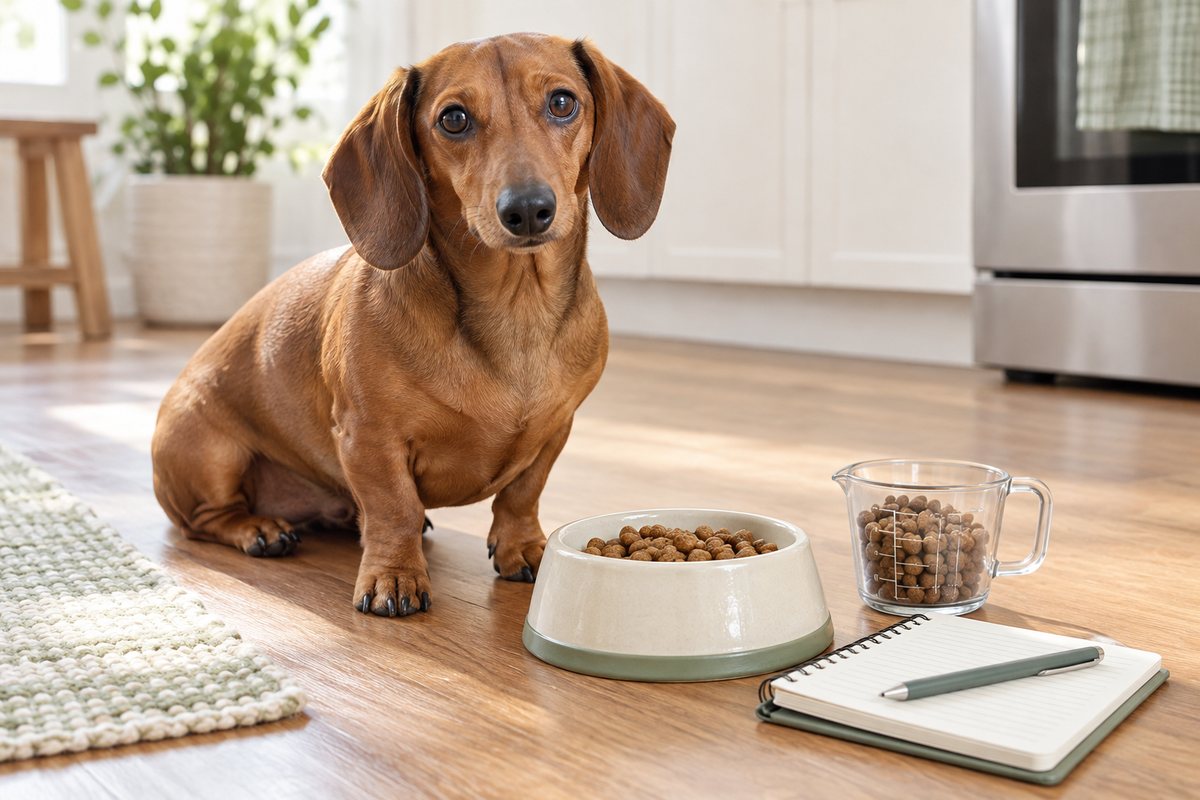
This guide is written for Dachshund owners, not giant-breed training classes. A five-calorie treat may sound small, but it adds up quickly for a small dog doing 30 to 60 repetitions in a day. Use the picks below as categories first, then choose the exact flavor and protein your Dachshund tolerates best.
Table of Contents
Best treats for Dachshund training quick answer
The best treats for Dachshund training are pea-sized or smaller, soft enough to swallow quickly, around 1-4 calories per piece, easy to carry, and made with ingredients your dog tolerates. AKC recommends small treats for training because frequent rewards can add many calories, and soft treats keep the training session moving. VCA and UC Davis both advise keeping treats and extras within about 10% of daily calories.
For most Dachshunds, start with a low-calorie soft mini training treat for everyday cues, use part of your dog’s regular kibble for easy behaviors, and save higher-value treats like freeze-dried meat or tiny cheese/chicken pieces for hard distractions. If your Dachshund has pancreatitis history, allergies, obesity, kidney disease, or a prescription diet, ask your veterinarian before changing treats.
What to look for in a Dachshund training treat
Dachshunds are small, food-motivated, and often very persistent. That combination is useful for training, but it can also create weight creep if treats are too big. Use this checklist before buying.
- Small size: one reward should be pea-sized or smaller.
- Soft texture: your Dachshund should not need a long chew break.
- Low calories: aim for about 1-4 calories per training piece.
- Easy to split: larger treats should tear cleanly into tiny bits.
- High value: the treat should beat mild distractions.
- Digestive fit: no loose stool, vomiting, itching, or gas after use.
- Clear label: calories and ingredients should be easy to find.
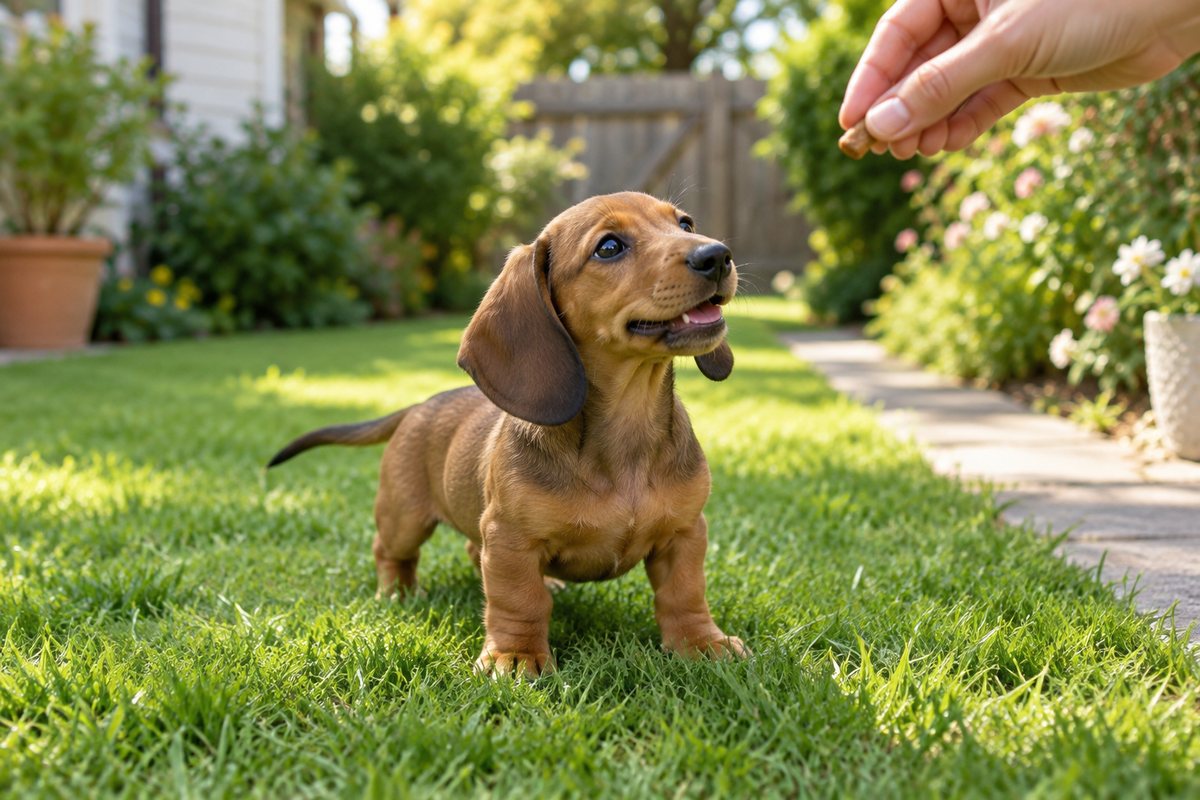
Best treats for Dachshund training: top picks by use case
These are practical categories rather than one-size-fits-all winners. Your Dachshund’s best treat is the one that works for their body and motivation level.
| Use case | Best treat type | Why it works for Dachshunds |
|---|---|---|
| Everyday training | Soft mini training treats, about 2-4 calories each | Fast to eat and easy to count during repeated lessons |
| Long sessions | Meal kibble or treats cut into tiny crumbs | Keeps calories controlled while you reward often |
| Hard distractions | Freeze-dried meat, chicken, or tiny cheese pieces | Higher smell and value for recall or leash work |
| Puppies | Soft puppy training bites or soaked kibble pieces | Gentler texture for baby teeth and short sessions |
| Sensitive stomach | Single-ingredient or limited-ingredient treats | Easier to track what your dog tolerates |
| Weight control | Low-calorie treats, vegetables approved by your vet, or part of meals | Supports training without adding hidden calories |
Examples from current official product pages include Zuke’s Mini Naturals at 2 calories per treat, Wellness soft training treats advertised at 3 calories per treat on the brand’s treats page, and Blue Buffalo’s BLUE Bits described as soft, chewy training treats made with salmon. Freeze-dried single-ingredient treats, such as chicken breast pieces, can be very high value, but you still need to break them small and count them.
Calorie math for small Dachshunds
Training works best when you can reward often. Dachshunds, however, have little bodies. Treat calories can quietly replace balanced food calories if you do not track them.
| Training reward | Calories each | 30 rewards | Best use |
|---|---|---|---|
| Half-piece mini treat | About 1 calorie | 30 calories | Puppy basics, indoor repetition |
| Small soft mini treat | 2 calories | 60 calories | Everyday training |
| Soft training bit | 4 calories | 120 calories | Shorter sessions or harder tasks |
| Cheese or meat chunk | Varies widely | Can climb fast | Emergency recall, vet handling, big distractions |
UC Davis gives a simple rule: treats and extra foods should not exceed 10% of daily calories. VCA gives similar guidance and notes that toys, praise, and lower-calorie rewards can replace some food treats after a pet understands a command. For a small Dachshund, this is not trivia. It is how you keep training from turning into overfeeding.
Best treats for Dachshund puppies
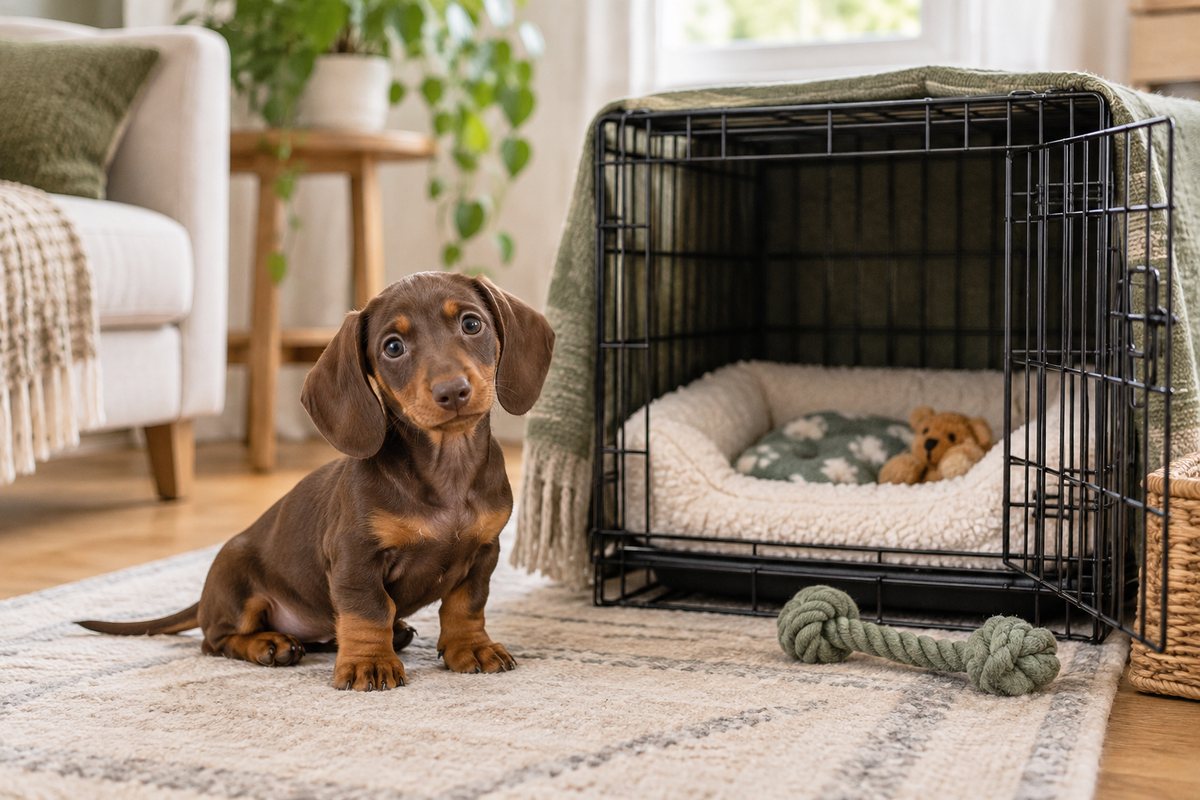
Dachshund puppies need tiny, soft, predictable rewards. Use treats that do not interrupt the lesson. If a puppy has to crunch a biscuit for 20 seconds, you lose the moment. For most puppies, the best choices are soft puppy training bites, part of the puppy’s daily kibble, or a tiny lick of wet food from a spoon during calm handling practice.
- Use tiny pieces for name response, sit, touch, and come.
- Use slightly higher-value treats for potty rewards outside.
- Keep new treats simple so stomach changes are easy to spot.
- Do not introduce five new treats in the same week.
- Reduce meal portions if training treats become a big part of the day.
If your puppy is learning commands, pair this article with Dachshund commands to teach. If your puppy is teething or biting, use Dachshund puppy teething and Dachshund puppy biting to separate training treats from chew outlets.
Treats for sensitive stomachs or picky dogs
If your Dachshund gets loose stool, itching, vomiting, or gas after treats, stop guessing. Simplify. Choose one protein and one treat type for a week, and talk with your veterinarian if symptoms continue.
- Single-ingredient freeze-dried treats: useful for dogs who tolerate that protein well.
- Regular kibble: low drama, easy to budget, and often enough for simple cues.
- Limited-ingredient soft treats: better when you need something tastier than kibble.
- Vet-approved vegetables: useful for some weight-control plans, but not all dogs value them.
Be careful with rich meats, fatty cheese, greasy treats, and large amounts of liver. They may be motivating, but some Dachshunds cannot handle them well. Dogs with pancreatitis history need veterinary guidance before using fatty high-value treats.
How to use treats without bribing
A treat is a reward when it comes after the behavior. It becomes a bribe when your Dachshund only listens after seeing food first. Start with food visible if needed, then fade it from your hand as quickly as your dog understands the cue.
- Say the cue once.
- Help your Dachshund succeed with a hand signal, lure, or easier setup.
- Mark the behavior with “yes” or a click.
- Reward quickly with a tiny treat.
- After several wins, hide the treat and reward from your pocket.
- Mix in praise, play, sniff breaks, and life rewards.
For leash work, recall, and distraction training, keep treat value flexible. A quiet kitchen may only need kibble. A sidewalk with dogs, squirrels, and loud trucks may need soft meatier rewards. This is not spoiling your Dachshund; it is paying fairly for harder work.
Treats to avoid or limit
Not every tasty food belongs in a treat pouch. Avoid or limit anything that is too large, too hard, too fatty, too salty, or unsafe for dogs.
- Large biscuits that must be chewed for a long time.
- Hard treats for fast-paced puppy training.
- High-fat cheese or sausage as an everyday reward.
- Unknown ingredient mixes if your dog has allergies.
- Cooked bones, chocolate, grapes, raisins, onions, garlic-heavy foods, and xylitol-containing products.
- Any treat that causes stomach upset or behavior changes.
For training, boring-but-safe often beats fancy-but-rich. Your Dachshund does not need a whole snack every time. They need clear timing, a reward they like, and a piece small enough to keep learning.
FAQ
What are the best treats for Dachshund training?
The best treats are tiny, soft, low-calorie, and easy to digest. For most Dachshunds, soft mini training treats, kibble pieces, and tiny high-value meat rewards cover most training needs.
How many training treats can a Dachshund have?
Keep treats and extras within about 10% of your Dachshund’s daily calories unless your veterinarian gives a different plan. Count training treats, chews, table food, and lick mats together.
Can I use kibble as Dachshund training treats?
Yes. Kibble is useful for easy indoor cues and long repetition sessions. Use higher-value treats when distractions are harder or the behavior is especially important.
Are freeze-dried treats good for Dachshund training?
They can be excellent high-value rewards if your dog tolerates the protein. Break pieces small and count them because freeze-dried meat can still add calories quickly.
Should Dachshund puppies get different training treats?
Puppies usually do best with very small, soft treats or part of their daily puppy food. Introduce new treats slowly and keep sessions short to protect digestion and attention.
Sources
- American Kennel Club: The Right Treats Make the Best Reward
- VCA Animal Hospitals: Choosing Healthy Treats for Dogs & Cats
- UC Davis Veterinary Medicine: Treats Guidelines for Dogs
- Zuke’s: Mini Naturals Dog Treats
- Blue Buffalo: BLUE Bits Salmon Recipe Training Treats
- Wellness Pet Food: Dog Wellness Treats
- Vital Essentials: Freeze-Dried Dog Treats