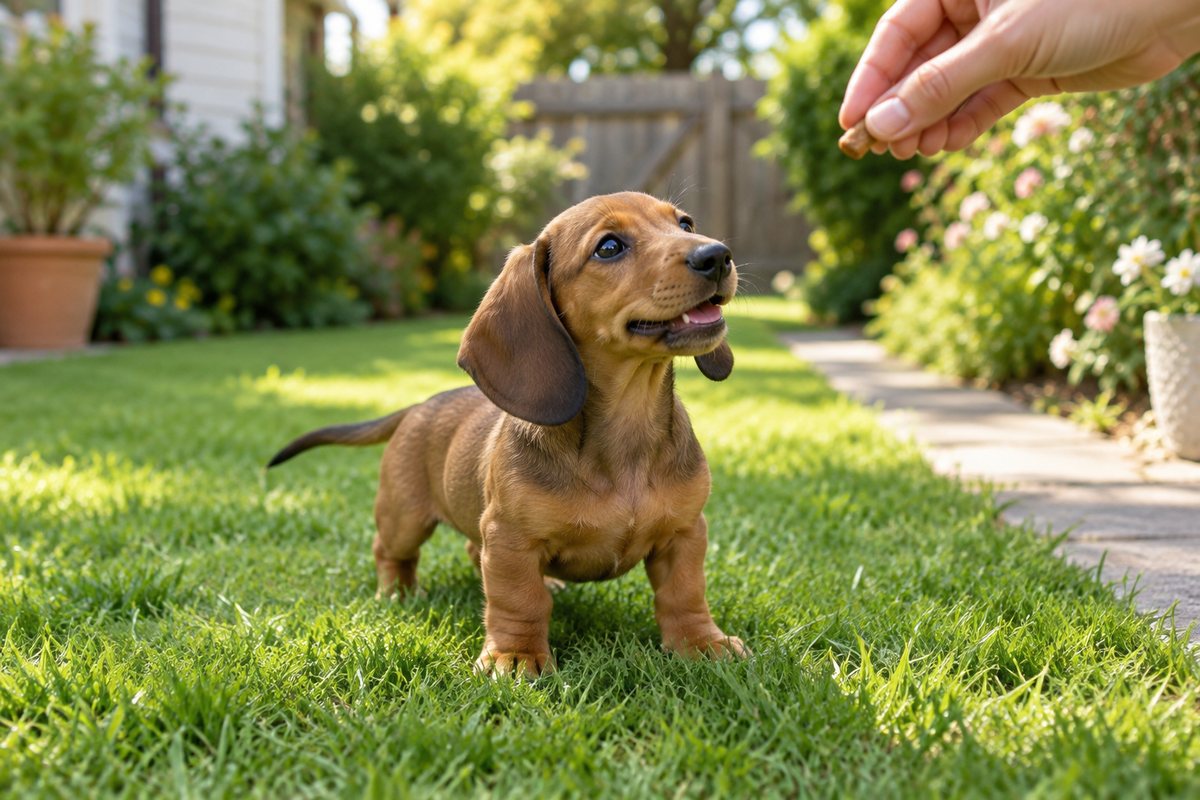
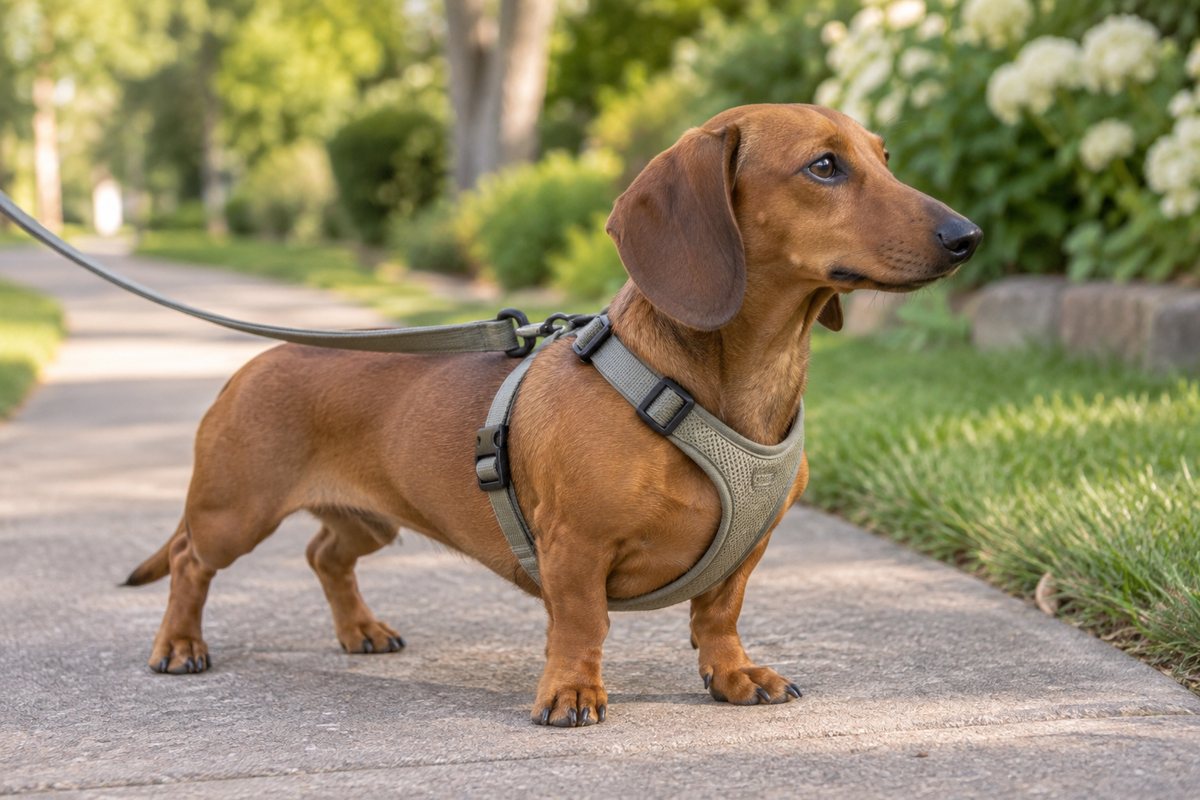
Dachshund puppy fear stages can feel sudden. One week your puppy trots past trash cans, strangers, umbrellas, and barking dogs. The next week that same puppy freezes at a plastic bag, backs away from a neighbor, barks at a stroller, or refuses to walk past a familiar corner. This does not always mean your Dachshund is becoming a fearful dog. Puppies can go through normal fear periods as their brain matures.

The key is how you respond. Dachshunds are clever, sensitive, and often very committed to their opinions. If you force them toward scary things, you can make the fear stronger. If you avoid everything forever, you can shrink their world. The sweet spot is calm support, distance, positive exposure, and short confidence-building wins.
Table of Contents
Dachshund puppy fear stages quick answer
Dachshund puppy fear stages are temporary windows when a puppy becomes more sensitive to new people, sounds, places, surfaces, or objects. AKC describes two common fear periods: the first around 8-11 weeks and a second during adolescence, often around 6-14 months. During these windows, your puppy may startle more easily, hesitate on walks, bark at unfamiliar things, hide, refuse treats, or cling to you.
Your job is not to prove that the scary thing is harmless. Your job is to keep your puppy feeling safe enough to learn. Increase distance, lower expectations, use food or play, and end sessions before your Dachshund feels overwhelmed. If the fear is intense, escalating, or tied to pain, talk with your veterinarian or a qualified behavior professional.
Dachshund puppy fear stages timeline
Fear stages do not follow a perfect calendar. Some puppies move through them quickly. Some have mild blips. Others seem to become suspicious overnight. Use the timeline below as a guide, not a diagnosis.
| Age range | What may happen | Owner priority |
|---|---|---|
| 3-16 weeks | Primary socialization window; puppy is learning what is normal | Use safe, positive exposure without overwhelming the puppy |
| 8-11 weeks | First fear period may appear near homecoming | Keep new experiences gentle, short, and successful |
| 12-24 weeks | Curiosity increases; teething and independence grow | Continue socialization, training, naps, and routine |
| 6-14 months | Second fear period may appear during adolescence | Lower criteria, avoid force, and rebuild confidence |
| 12-18 months | Emotional maturity continues, especially around triggers | Keep practicing calm exposure and reward recovery |
VCA describes the sensitive socialization period as a time when puppies are especially ready to accept new people, animals, and situations. AVSAB’s puppy socialization statement also emphasizes that the first three months are a primary window for safe exposure. That does not mean you should overwhelm a Dachshund puppy. It means safe, pleasant introductions matter.

Signs your puppy is in a fear stage
Fear does not always look like cowering. Many Dachshunds express uncertainty with barking, refusal, pulling backward, or frantic movement. Watch the whole body, not just the sound.
- Freezing, backing away, hiding, or trying to go home.
- Barking at a person, dog, bag, bike, stroller, statue, or sound.
- Refusing treats that your puppy normally loves.
- Tail tucked, ears back, lowered body, whale eye, or lip licking.
- Sudden suspicion of familiar objects or routes.
- Clinging to you, jumping up, or asking to be picked up.
- Panting, shaking, yawning, or sniffing frantically outside of normal context.
VCA notes that signs of fear can include cowering, urinating, and refusing food treats. If your Dachshund refuses food near a trigger, that is useful information. The puppy is probably too close or too stressed to learn well.
What to do during a fear stage
The right response is calm, practical, and boring in the best way. You are showing your Dachshund that scary things do not need drama.
- Pause and give your puppy space from the trigger.
- Use a cheerful voice, but do not drag the puppy forward.
- Reward looking at the trigger from a comfortable distance.
- Let your puppy choose to investigate if they relax.
- Move away if the puppy freezes, barks repeatedly, or refuses food.
- End with an easy win, such as a sit, hand target, or sniff break.
AKC’s training guidance recommends lowering training criteria during fear periods and keeping sessions short and fun. This is especially important for Dachshunds because pressure can create stubborn-looking behavior. Often, the puppy is not being stubborn; the puppy is worried.

What to avoid
A fear stage is a bad time for big dramatic lessons. Avoid anything that teaches your puppy that people ignore their fear.
| Avoid this | Why it backfires | Do this instead |
|---|---|---|
| Dragging the puppy toward the trigger | Can confirm that scary things are inescapable | Create distance and reward calm looking |
| Flooding with busy places | Too much exposure can overwhelm learning | Use quiet places and short sessions |
| Punishing barking or growling | May suppress warning signs without changing fear | Increase distance and reward quiet recovery |
| Picking up every time | May prevent the puppy from practicing confidence | Move away on leash when safe and reward following |
| Assuming it is defiance | Misses the emotional reason for the behavior | Treat fear as information, then adjust the plan |
If your puppy startles at something harmless, do not panic. Model calm. Give space. Let the puppy recover. Then make the next repetition easier.
Socialization without flooding
Socialization is not a checklist of crowded places. It is the process of helping your puppy form positive, safe associations with the world. VCA’s socialization guidance recommends starting at a comfortable distance, moving closer only if the puppy stays calm, and letting the puppy set the pace.
For a Dachshund puppy in a fear stage, good socialization may look quiet and simple: watching children from across the park, hearing traffic while eating treats in your car, sniffing a new surface in the driveway, or meeting one calm visitor instead of ten excited people.
- Pair new sights and sounds with high-value treats.
- Keep greetings short and optional.
- Choose calm adult dogs instead of chaotic dog parks.
- Use distance before your puppy reacts.
- Leave before your puppy melts down.
- Repeat easy exposures instead of chasing harder ones.
If your puppy becomes mouthy or destructive after scary outings, reduce intensity and use the routines in Dachshund puppy chewing everything and Dachshund puppy biting. Stress often comes out through teeth.
A confidence-building daily routine
A predictable routine helps a worried puppy recover. Use small daily repetitions instead of one huge weekend adventure.
- Morning potty and breakfast before any challenging outing.
- One tiny exposure: a sound, surface, person, object, or quiet location.
- Reward calm looking, sniffing, turning back to you, and taking food.
- Stop while your puppy is still successful.
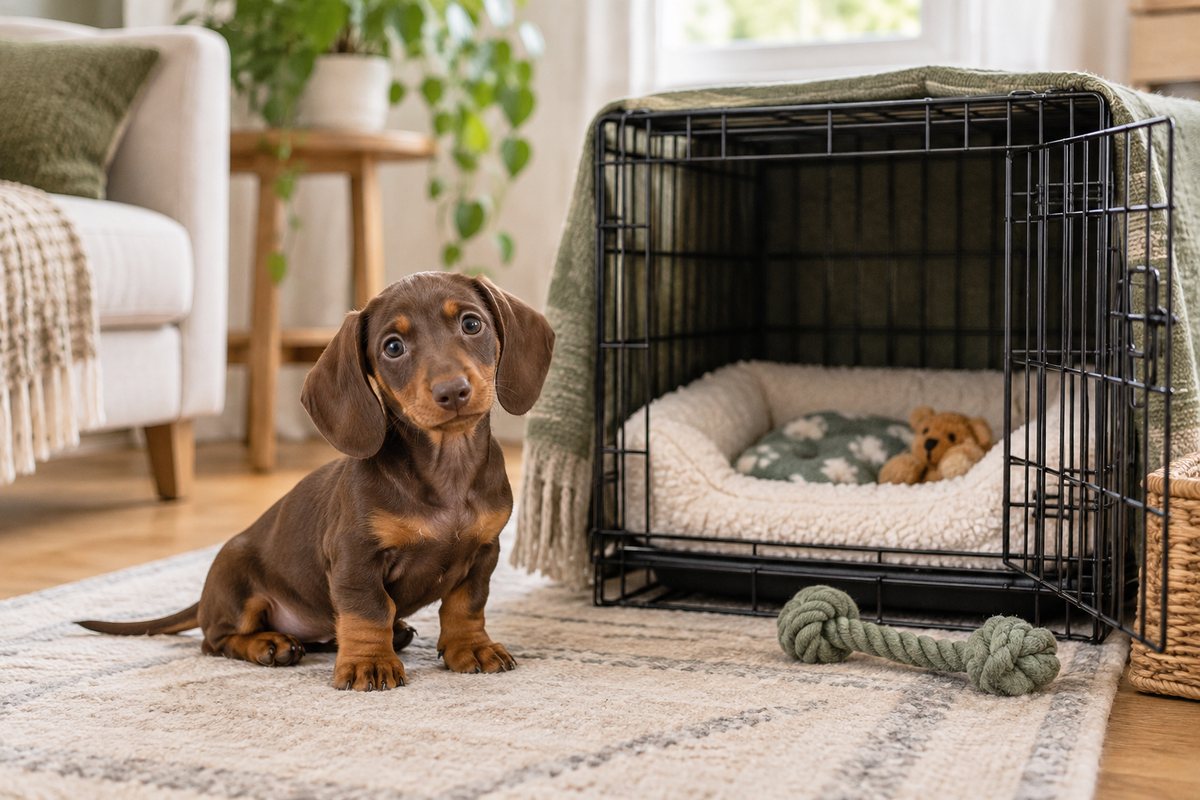
- Schedule a nap in a crate or safe pen.
- Use short play or training later, not another scary challenge.
The structure in Dachshund puppy schedule can help you place exposures between meals, potty breaks, and naps. If crate time is hard, use Dachshund crate training so the rest zone supports recovery instead of adding stress.
When to ask for help
Normal fear stages usually soften with time, distance, and positive exposure. Get help if your Dachshund puppy cannot recover after triggers, refuses walks for several days, growls or snaps, panics when left alone, stops eating, seems painful, or becomes more fearful each week.
Start with your veterinarian to rule out pain, illness, vision issues, hearing issues, or medication concerns. For ongoing behavior support, look for a qualified positive-reinforcement trainer or a veterinary behavior professional. Fear is easier to help when it is handled early and gently.
FAQ
What age are Dachshund puppy fear stages?
Many puppies show a first fear period around 8-11 weeks and a second during adolescence, often somewhere from 6-14 months. Timing varies, so watch behavior more than the exact calendar.
Why is my Dachshund puppy suddenly scared of everything?
Your puppy may be in a fear period, overwhelmed, under-socialized, tired, sick, or reacting to a bad experience. If the change is intense or sudden, check with your veterinarian.
Should I force my puppy to face scary things?
No. Forcing can make fear stronger. Use distance, treats, play, and short sessions so your puppy can notice the trigger without feeling trapped.
Can I comfort my Dachshund puppy when they are scared?
Yes. Calm support is not the same as rewarding fear. Speak softly, create distance, and help your puppy feel safe enough to recover and try again later.
Do puppy fear stages go away?
Most normal fear stages pass, but the experiences your puppy has during them matter. Gentle, positive exposure can build confidence; frightening or forced experiences can create longer-term problems.
Sources
- American Kennel Club: Puppy Fear Periods
- American Kennel Club: Train Your Puppy Through Fear Periods
- American Kennel Club: Puppy Growth Timeline
- VCA Animal Hospitals: Puppy Behavior and Training Basics
- VCA Animal Hospitals: Socialization and Fear Prevention
- AVSAB: Puppy Socialization Position Statement