Author: Sk Raju

  • Can Dachshunds Sleep in your Bed? Safety, Risks & Practical Advice

    Can Dachshunds Sleep in your Bed? Safety, Risks & Practical Advice

    Dachshunds can sleep in your bed if it is safe, clean, and not worsening behavior, allergies, sleep quality, or back risk. The biggest Dachshund-specific concern is jumping on and off the bed. A dog that launches from a high bed every day may be better sleeping in a dog bed, crate, pen, or on the bed only with a ramp and rules.
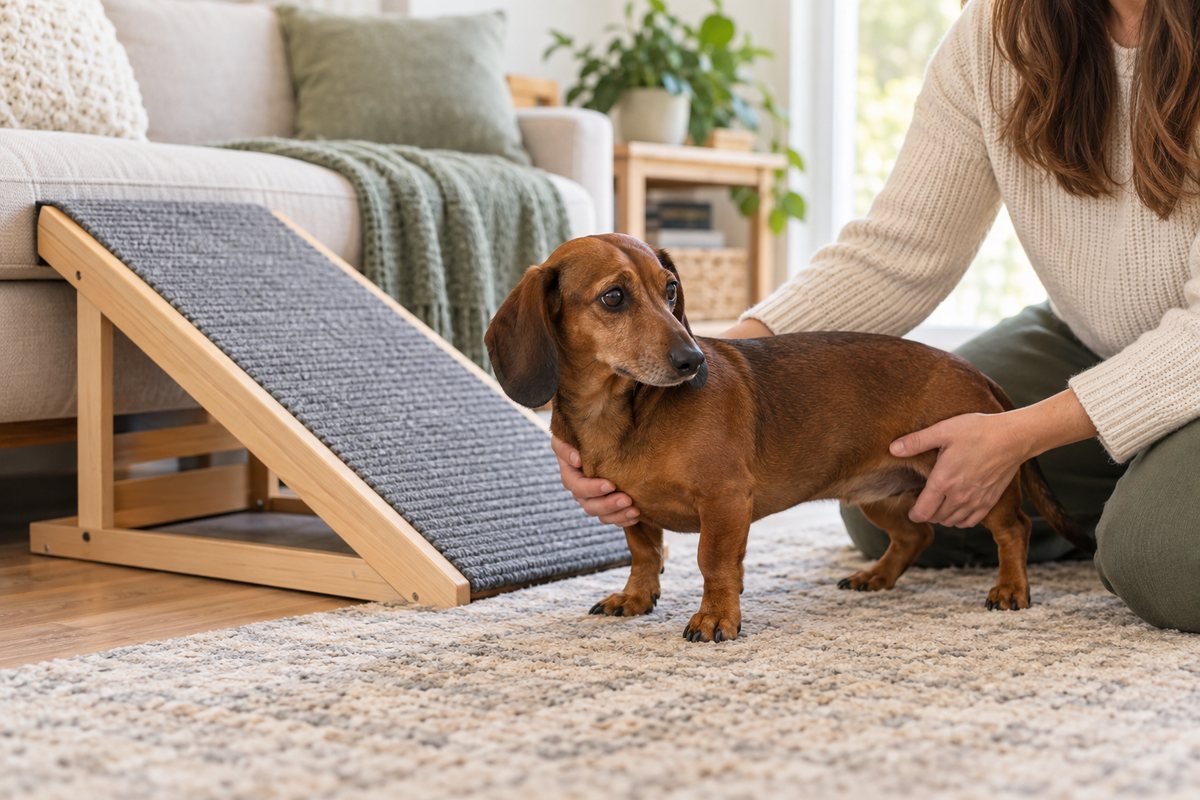
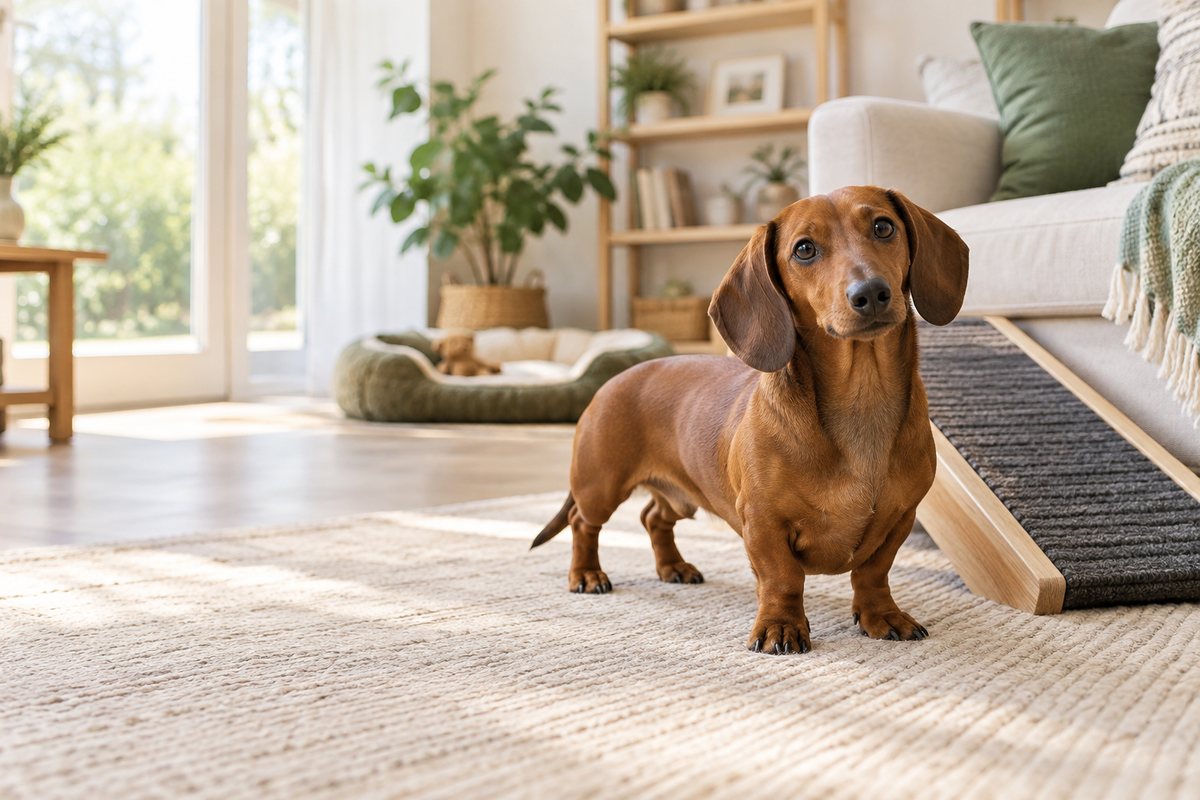
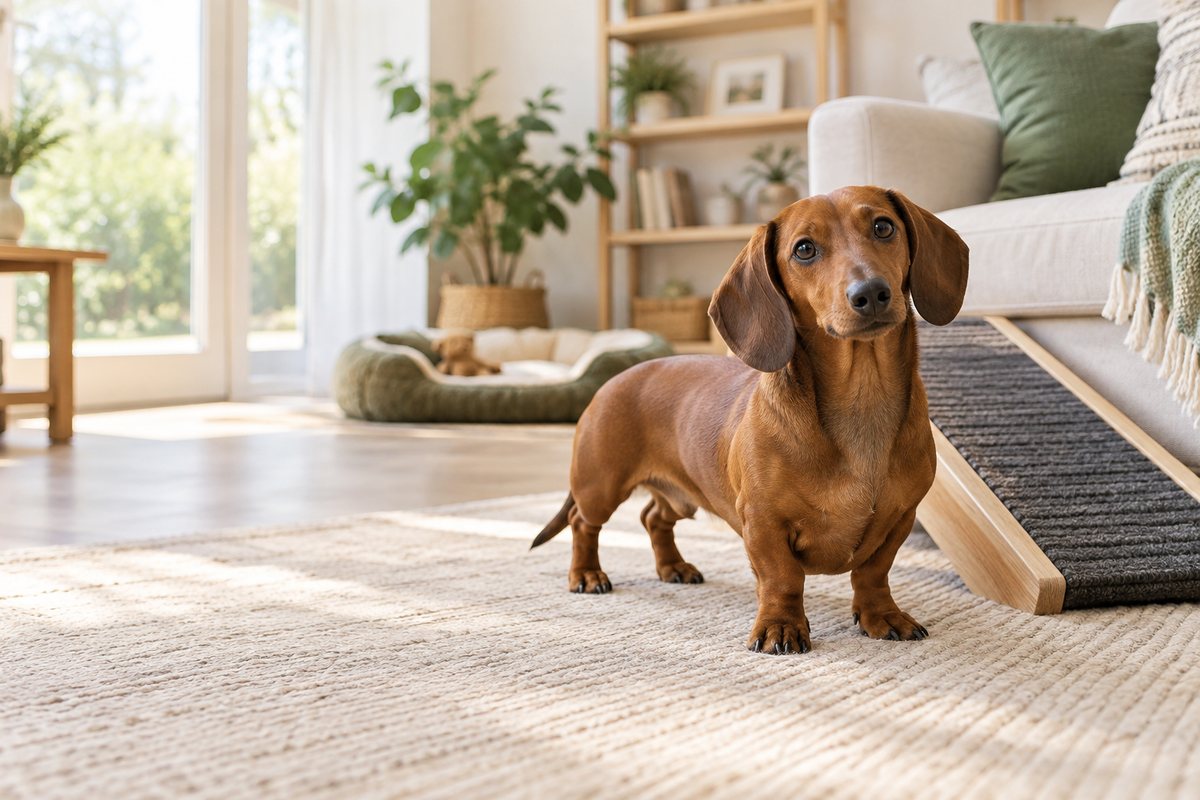
    Dachshund bed safety with ramp instead of jumping

    Can Dachshunds sleep in your bed?

    Yes, many adult Dachshunds can sleep in bed with their owners. AKC notes that bed sharing may be fine when allergies, sleep disruption, and safety are not problems, but puppies should generally sleep somewhere safer until housebroken and mature enough to avoid risky jumping. For Dachshunds, a ramp, low bed, or separate dog bed beside yours can reduce jumping.

    SituationBed sharing?Better setup
    Housebroken adultUsually possibleUse ramp and rules
    Young puppyUsually not yetCrate or pen near bed
    Back pain historyUse cautionFloor bed or ramp-only access
    Allergies/asthmaMay be a problemSeparate dog bed
    Guarding/growlingNo until trainedBehavior plan and own bed
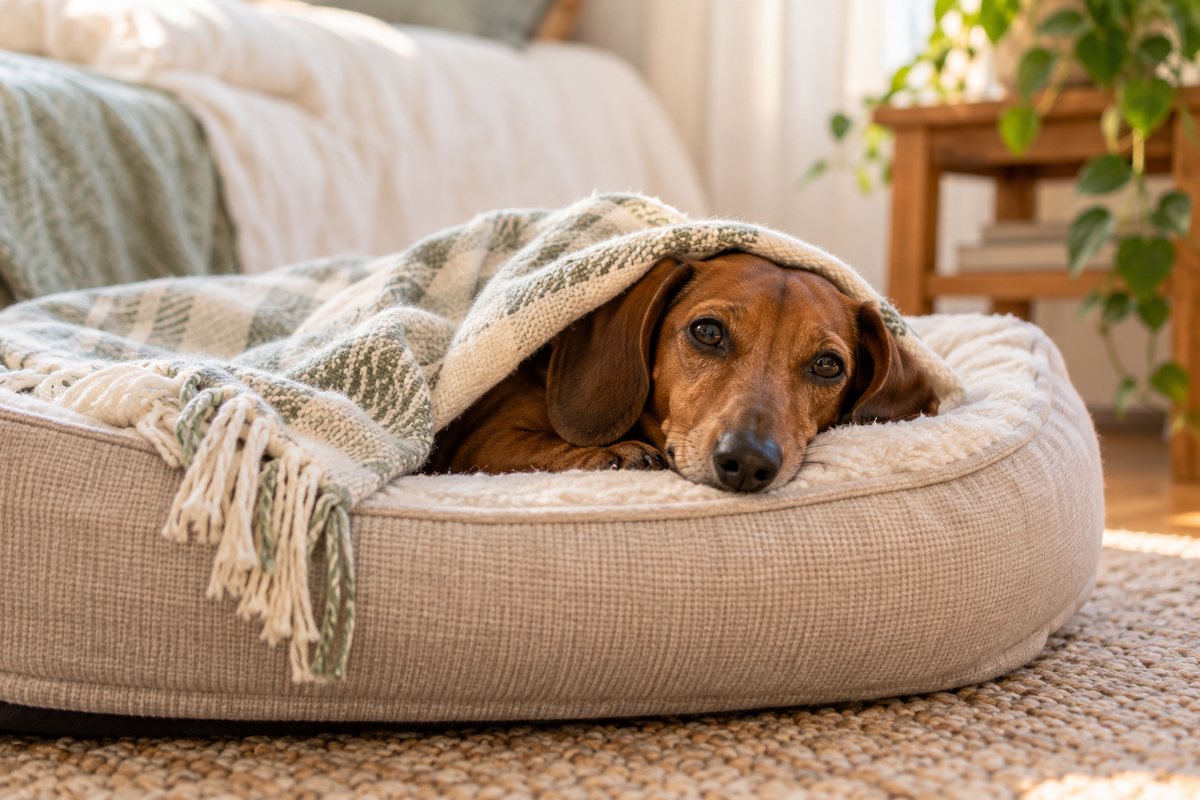
    Dachshund calmly sleeping near owner with safe bedtime routine

    Bed rules for Dachshunds

    • No jumping on or off the bed.
    • Use a ramp or lift carefully if your vet approves.
    • Keep a washable blanket for hygiene.
    • Do not allow growling or guarding space.
    • Move to a floor bed if sleep quality suffers.
    • Use crate training for puppies that are not ready.

    For ramp selection, see best dog ramp for Dachshunds. For back warning signs, see Dachshund back pain signs.
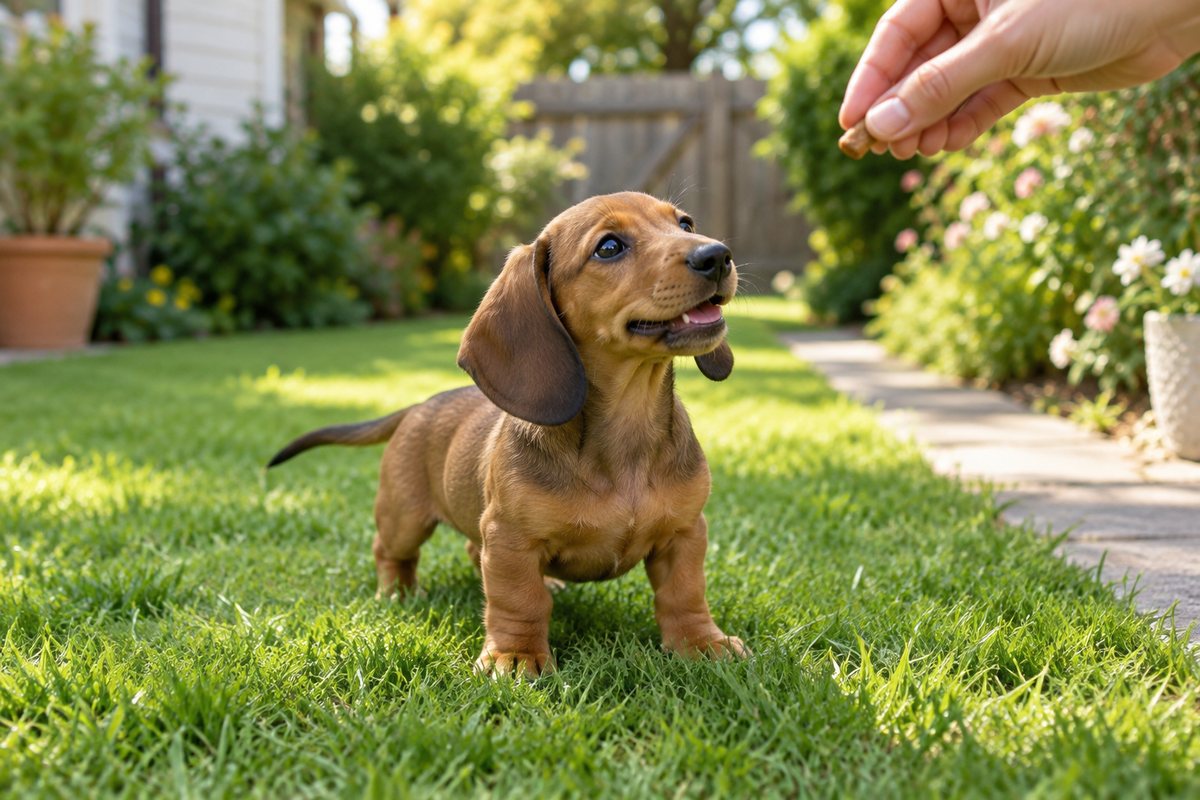
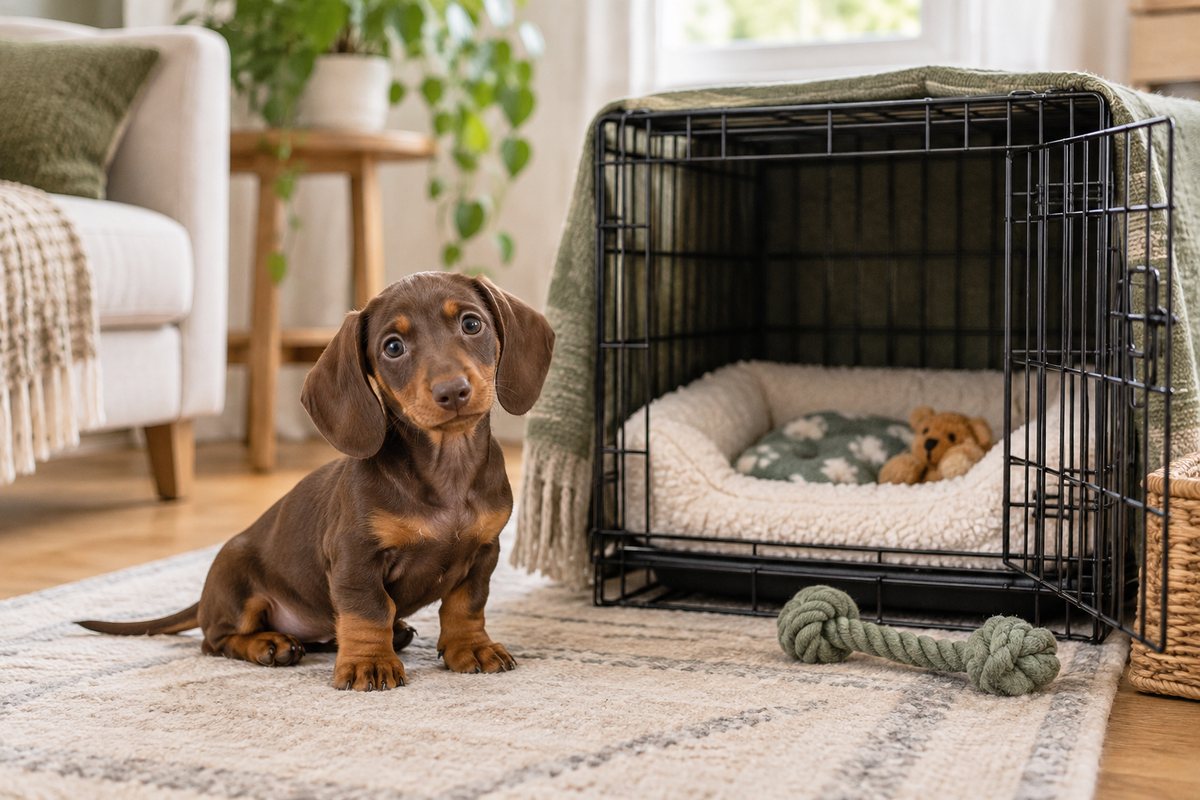
    Dachshund puppy bedtime crate routine before bed sharing

    When your Dachshund should not sleep in your bed

    • Your puppy is not house trained yet.
    • Your Dachshund jumps on and off a high bed.
    • Your dog growls, guards pillows, or snaps when moved.
    • You have allergies or asthma that worsen overnight.
    • Your sleep is poor because your dog wakes, licks, barks, or crowds you.
    • Your veterinarian recommended restricted movement because of back pain.

    A separate bed does not mean your Dachshund is less loved. Many dogs sleep better in a predictable spot beside the bed, especially if that spot has a soft surface, warmth, and a consistent bedtime routine.

    How to transition to a dog bed

    1. Place the dog bed close to your bed at first.
    2. Reward your Dachshund for stepping onto it.
    3. Add a chew or safe bedtime enrichment item.
    4. Use the same bedtime cue every night.
    5. Block bed access if jumping is the problem.
    6. Move the dog bed gradually only after the routine is calm.

    Dachshund-specific bed sharing risks

    The biggest breed-specific risk is not the sleeping itself. It is the jumping before and after sleep. A sleepy Dachshund may leap from the bed before you can help. A young dog may jump up and down many times per evening. A senior dog may misjudge the edge. If bed sharing leads to repeated jumping, the setup needs to change.

    RiskWhy it mattersSafer option
    Jumping downImpact and awkward landingRamp, low bed, or floor bed
    Night wakingPoor sleep for people and dogSeparate bed beside yours
    Resource guardingGrowling or snapping over spaceNo bed access until behavior plan
    Puppy accidentsHouse training setbackCrate or pen near bed
    AllergiesWorse sleep and symptomsWashable dog bed outside bed

    Back-safe bedtime routine

    • Final potty trip before bed.
    • Use the ramp every time, not only sometimes.
    • Block direct jumping paths if needed.
    • Keep water and bedding predictable.
    • Teach a cue for going to the dog bed.
    • Move restless dogs to a safer sleep spot before frustration builds.

    Should your Dachshund sleep in your bed?

    The answer depends on sleep quality, safety, and behavior. Bed sharing can be fine for a calm adult Dachshund who uses a ramp, sleeps through the night, and does not guard space. It is a poor choice for a puppy still having accidents, a dog who jumps off the bed repeatedly, or a dog who growls when moved.

    Good candidateWait or choose separate bed
    Uses ramp reliablyJumps on and off furniture
    House trainedStill has night accidents
    Settles calmlyPaces, whines, or guards space
    People sleep wellAllergies or broken sleep worsen
    No pain signsRecent back pain or mobility concern

    How to transition to a dog bed if needed

    If bed sharing is not working, make the new spot attractive before bedtime. Place the dog bed beside your bed, reward calm settling during the day, and use the same bedtime routine every night. Do not wait until everyone is exhausted to introduce the change.

    • Practice mat or bed settling before bedtime.
    • Use a low-value chew only if your dog does not guard it.
    • Keep the bed warm, stable, and easy to access.
    • Reward quiet moments before whining starts.
    • Move gradually farther away only after several calm nights.

    Dachshund bed sharing FAQ

    Is it bad for a Dachshund to sleep under the covers?

    Many Dachshunds like burrowing, but comfort and safety matter. Make sure your dog can move freely, does not overheat, and is not trapped under heavy bedding. If your dog pants, struggles, or startles when touched under blankets, use a lighter blanket or a separate dog bed.

    Will bed sharing cause separation anxiety?

    Bed sharing does not automatically cause separation anxiety. Problems are more likely when a dog cannot settle anywhere else, panics when alone, or receives no independence practice. Teach your Dachshund to relax on a dog bed, in a crate, or behind a gate during the day even if they sleep near you at night.

    What is the safest setup if I allow bed sharing?

    Use a stable ramp, block jumping paths, keep the bed surface uncluttered, and teach a calm up-and-down routine. If your dog has back pain history, mobility concerns, or night restlessness, ask your veterinarian whether a floor-level dog bed is safer.

    Rules that make bed sharing safer

    Bed sharing is a lifestyle choice, not an automatic training failure. The risk comes from jumping on and off the bed, poor sleep boundaries, guarding, or a dog who cannot settle anywhere else. A safe setup matters more than the simple yes-or-no answer.

    If your Dachshund sleeps in your bed, make the path predictable. Use a ramp, block jump routes, and teach a cue for where your dog sleeps. If your dog has back pain history or nighttime restlessness, a floor-level bed may be the kinder option.

    SituationWhat it suggestsBest next step
    High mattressJump impactUse ramp and block shortcuts
    Restless sleeperFalls or startled reactionsOffer separate dog bed nearby
    Resource guardingTension around spaceUse management and training help
    PuppyPotty and chewing riskUse crate or pen until reliable
    Senior dogMobility and comfortChoose low, supportive sleeping setup

    can Dachshunds sleep in your bed: practical checklist

    1. Decide whether bed access is always allowed or invitation-only.
    2. Add a stable ramp before bed sharing becomes routine.
    3. Teach a bed cue for your dog's spot.
    4. Keep nighttime exits calm and supervised.
    5. Practice daytime independence even if nights are shared.
    6. Move to a separate bed if guarding, falls, or pain signs appear.

    When to change course

    If bed sharing leads to worse separation distress, poor sleep, guarding, or unsafe jumping, change the setup gradually instead of waiting for a crisis.

    can Dachshunds sleep in your bed: owner scenarios and fixes

    The final step for can Dachshunds sleep in your bed is matching the advice to the exact situation in front of you. Dachshunds are small, persistent, routine-sensitive dogs, so a plan that looks correct on paper can fail if the room setup, timing, gear, reward value, or health context is wrong. Before changing everything, choose the one pattern that happens most often and work there first.

    This also helps prevent mixed signals. If you sometimes reward the unwanted pattern, sometimes interrupt it, and sometimes ignore it, your Dachshund may keep trying the behavior because the rules are unclear. A simple plan that everyone in the home follows for one week is usually more useful than a complicated plan that changes every day.

    Owner situationHow to handle it
    When the main issue is high mattressStart with the practical fix: use ramp and block shortcuts. Give it several calm repetitions before adding a second change.
    When the pattern looks like restless sleeperAssume the setup is slightly wrong for your Dachshund and adjust the environment before expecting better behavior.
    When you see resource guardingSlow the plan down. Dachshunds often improve faster when the next step is easier, clearer, and more predictable.
    When puppy keeps returningLook for a trigger that happens before the problem. Changing that trigger usually works better than reacting afterward.
    When senior dog is involvedTreat it as a sign to re-check fit, comfort, schedule, or health rather than assuming your dog is ignoring you.

    How to make the plan easier for your Dachshund

    If progress stalls, make the next repetition easier instead of louder or longer. For can Dachshunds sleep in your bed, easier can mean more distance, a shorter session, a lower height, a quieter room, softer handling, smaller rewards, or fewer choices. The easier version should let your dog succeed while still practicing the skill you want.

    Watch recovery time. A Dachshund who can return to sniffing, eating, resting, or walking normally is usually in a workable zone. A dog who stays frantic, stiff, avoidant, or obsessed with the trigger is telling you the setup is too difficult. That is useful information, not a training failure.

    7-day improvement plan

    1. Day 1: write down when the can Dachshunds sleep in your bed problem happens, where it happens, and what happened right before it.
    2. Day 2: remove the easiest trigger or setup mistake connected to high mattress.
    3. Day 3: practice the first checklist step: decide whether bed access is always allowed or invitation-only..
    4. Day 4: repeat the same plan at an easier level instead of adding a new rule.
    5. Day 5: add one support step from the checklist: add a stable ramp before bed sharing becomes routine..
    6. Day 6: ask whether your dog recovers faster than earlier in the week.
    7. Day 7: keep what improved, drop what confused your dog, and decide whether health or professional support is needed.

    This seven-day plan will not solve every case of can Dachshunds sleep in your bed, but it gives you cleaner information. If the pattern improves, keep building gradually. If it stays the same or worsens, the cause may be discomfort, fear, poor fit, too much freedom, or a trigger that needs a different article-specific plan.

    Quality check before you rely on the advice

    The safest version of the advice should be specific, observable, and easy to repeat. You should know what you are changing, what success looks like, and when to stop. For Dachshunds, stop signs include pain, limping, yelping, frantic barking, snapping, refusal to eat rewards, vomiting, repeated accidents, or sudden behavior changes.

    When in doubt, choose the lower-risk version: more distance, better traction, shorter sessions, calmer rewards, clearer routines, and earlier veterinary input. That keeps the can Dachshunds sleep in your bed plan helpful without pushing a small long-backed dog through stress, pain, or confusion.

    Sources


    Related Dachshund guides

  • Standard Dachshund Size: Complete Dachshund Owner Guide

    Standard Dachshund Size: Complete Dachshund Owner Guide

    Standard Dachshund size is usually 16 to 32 pounds as an adult, with a height of about 8 to 9 inches at the shoulder according to AKC breed information. Standards are larger than miniatures, but they should still look long, low, balanced, and athletic rather than heavy or bulky.

    Standard Dachshund size and long low body proportions

    Standard Dachshund size: quick answer

    MeasurementStandard Dachshund
    Adult weightUsually 16 to 32 pounds
    HeightAbout 8 to 9 inches at the shoulder
    Coat typesSmooth, long-haired, wire-haired
    Breed groupHound Group
    Life expectancyOften listed around 12 to 16 years

    AKC’s official Dachshund standard states that the standard size is usually between 16 and 32 pounds, while miniature Dachshunds compete in a class division for 11 pounds and under at 12 months of age and older.

    Standard Dachshund body condition and back-aware care

    Healthy size vs overweight

    A standard Dachshund over 16 pounds is not automatically overweight, and a smaller Dachshund is not automatically healthier. Look at body condition: visible waist from above, ribs that can be felt under light cover, and comfortable movement. Extra weight can make daily movement and back comfort harder.

    For comparison, see miniature Dachshund vs standard Dachshund, mini Dachshund size, and Dachshund size chart.

    Standard Dachshund feeding portions for healthy adult weight

    When does a standard Dachshund reach full size?

    Many Dachshunds are close to adult height before they are fully mature in muscle and body condition. The official miniature class is assessed at 12 months and older, but healthy adult shape continues to depend on diet, exercise, neuter status, and genetics. If your young standard Dachshund looks narrow or lanky, ask your veterinarian about growth and body condition instead of trying to force weight gain.

    Care differences for standard Dachshunds

    • Use ramps and back-safe habits even though the dog is larger.
    • Choose harnesses by chest girth and body length.
    • Measure food because standards can still become overweight.
    • Keep nails short for traction and posture.
    • Watch for reluctance to jump, stairs, or walk normally.

    Standard size vs overweight

    A standard Dachshund is naturally larger than a miniature, but larger does not mean unlimited weight. A healthy standard should still have a visible waist from above and ribs that can be felt under light cover. If your Dachshund is above the usual range, your veterinarian can help decide whether your dog is a large-framed standard, overweight, or both.

    CheckHealthy signConcern sign
    WaistVisible from aboveStraight or bulging sides
    RibsEasy to feel under light coverHard to feel
    MovementComfortable walking and risingReluctance, stiffness, or panting
    FoodMeasured portionsFree feeding and many treats
    Back comfortNo pain signsHunched posture or yelping

    Why standard size changes shopping and care

    Standard Dachshunds often need sturdier ramps, larger harnesses, and more careful lifting than miniatures. They may also need different food portions, but portion size should still be measured. Bigger Dachshunds can gain weight just as easily when treats, chews, and table scraps are not counted.

    • Check ramp weight ratings and width.
    • Measure harness girth instead of guessing medium or large.
    • Use back-safe lifting with chest and rear support.
    • Keep nails trimmed for traction.
    • Review food portions after activity or neuter changes.

    How to judge standard Dachshund size correctly

    Standard Dachshunds can look surprisingly different from one another. Some are long and lean, while others have heavier bone and a broader chest. Start with adult weight, then look at body condition and movement. A dog that is within the common range can still be overweight, and a dog above the range may need an individual veterinary target.

    For practical care, measurements matter more than labels. Measure girth for harnesses, back length for coats, and furniture height for ramps. A standard Dachshund that jumps from a high bed many times a day may need more environmental support than a smaller dog with a lower couch.

    Standard Dachshund care checklist

    • Use a sturdy ramp with enough width for confident turning.
    • Choose harnesses with adjustable neck and chest points.
    • Keep treats small even though the dog is larger than a mini.
    • Support both chest and rear when lifting.
    • Keep nails short so the dog has traction on hard floors.
    • Ask your vet for an ideal weight range after growth is complete.

    This article should support the general size-chart article, not compete with it. The focus here is standard-specific care: what changes when the Dachshund is the larger recognized size, how to shop for gear, and how to avoid confusing “standard” with “overweight.”

    Standard Dachshund size FAQ

    How big is a standard Dachshund compared with a mini?

    Standard Dachshunds are the larger recognized size and are commonly listed around 16 to 32 pounds, while miniatures are 11 pounds and under at maturity. Height and length vary, so use weight class plus body condition, not appearance alone.

    Can a standard Dachshund still be too heavy?

    Yes. A standard Dachshund can be naturally larger and still carry excess weight. Because the breed has a long back and short legs, keeping a healthy body condition matters. If ribs are hard to feel, the waist is gone, or movement becomes harder, ask your veterinarian about a weight plan.

    Does standard size change training?

    The training principles are the same, but handling can feel different. A larger Dachshund may pull harder, need sturdier gear, and be harder to lift safely. Use the same reward-based training approach, but choose equipment and home setup for the dog’s actual size.

    Final standard-size tip

    When in doubt, treat the size label as a starting point and your dog’s measurements as the truth. A standard Dachshund needs gear, food portions, ramps, and lifting habits chosen for their actual body, not for a generic size name.

    How to use standard Dachshund size in real life

    Standard Dachshund size matters most when it helps you make better daily choices: food portions, harness size, crate length, ramp strength, and healthy weight conversations with your veterinarian. The label by itself is less useful than a lean body, easy movement, and gear that actually fits.

    A standard Dachshund can be naturally larger than a mini and still be healthy. They can also be overweight while still falling inside a familiar size range. Use the size category as context, then check body condition, waist shape, rib feel, and energy.

    SituationWhat it suggestsBest next step
    Harness shoppingWeight alone is incompleteMeasure girth and neck base
    Crate setupToo small limits comfortChoose standing, turning, and lying room
    Ramp choiceLarger dogs need stronger supportCheck weight rating and wobble
    FeedingPortions vary by body conditionTrack waist and vet guidance
    Health watchExtra pounds stress movementRespond early to stiffness or reluctance

    standard Dachshund size: practical checklist

    1. Record current weight and date.
    2. Take chest, neck, and back length measurements.
    3. Photograph your dog from side and above for body condition comparison.
    4. Check whether gear still fits after weight changes.
    5. Use a ramp or lifted setup for high furniture when needed.
    6. Ask your vet for a target range if ribs are hard to feel.

    When to change course

    If your standard Dachshund gains weight quickly, avoids jumping, tires faster, or looks stiff after rest, treat that as a health and comfort signal rather than a normal size difference.

    standard Dachshund size: owner scenarios and fixes

    The final step for standard Dachshund size is matching the advice to the exact situation in front of you. Dachshunds are small, persistent, routine-sensitive dogs, so a plan that looks correct on paper can fail if the room setup, timing, gear, reward value, or health context is wrong. Before changing everything, choose the one pattern that happens most often and work there first.

    This also helps prevent mixed signals. If you sometimes reward the unwanted pattern, sometimes interrupt it, and sometimes ignore it, your Dachshund may keep trying the behavior because the rules are unclear. A simple plan that everyone in the home follows for one week is usually more useful than a complicated plan that changes every day.

    Owner situationHow to handle it
    When the main issue is harness shoppingStart with the practical fix: measure girth and neck base. Give it several calm repetitions before adding a second change.
    When the pattern looks like crate setupAssume the setup is slightly wrong for your Dachshund and adjust the environment before expecting better behavior.
    When you see ramp choiceSlow the plan down. Dachshunds often improve faster when the next step is easier, clearer, and more predictable.
    When feeding keeps returningLook for a trigger that happens before the problem. Changing that trigger usually works better than reacting afterward.
    When health watch is involvedTreat it as a sign to re-check fit, comfort, schedule, or health rather than assuming your dog is ignoring you.

    How to make the plan easier for your Dachshund

    If progress stalls, make the next repetition easier instead of louder or longer. For standard Dachshund size, easier can mean more distance, a shorter session, a lower height, a quieter room, softer handling, smaller rewards, or fewer choices. The easier version should let your dog succeed while still practicing the skill you want.

    Watch recovery time. A Dachshund who can return to sniffing, eating, resting, or walking normally is usually in a workable zone. A dog who stays frantic, stiff, avoidant, or obsessed with the trigger is telling you the setup is too difficult. That is useful information, not a training failure.

    7-day improvement plan

    1. Day 1: write down when the standard Dachshund size problem happens, where it happens, and what happened right before it.
    2. Day 2: remove the easiest trigger or setup mistake connected to harness shopping.
    3. Day 3: practice the first checklist step: record current weight and date..
    4. Day 4: repeat the same plan at an easier level instead of adding a new rule.
    5. Day 5: add one support step from the checklist: take chest, neck, and back length measurements..
    6. Day 6: ask whether your dog recovers faster than earlier in the week.
    7. Day 7: keep what improved, drop what confused your dog, and decide whether health or professional support is needed.

    This seven-day plan will not solve every case of standard Dachshund size, but it gives you cleaner information. If the pattern improves, keep building gradually. If it stays the same or worsens, the cause may be discomfort, fear, poor fit, too much freedom, or a trigger that needs a different article-specific plan.

    Quality check before you rely on the advice

    The safest version of the advice should be specific, observable, and easy to repeat. You should know what you are changing, what success looks like, and when to stop. For Dachshunds, stop signs include pain, limping, yelping, frantic barking, snapping, refusal to eat rewards, vomiting, repeated accidents, or sudden behavior changes.

    When in doubt, choose the lower-risk version: more distance, better traction, shorter sessions, calmer rewards, clearer routines, and earlier veterinary input. That keeps the standard Dachshund size plan helpful without pushing a small long-backed dog through stress, pain, or confusion.

    Sources


    Related Dachshund guides

  • Mini Dachshund Size: Complete Dachshund Owner Guide

    Mini Dachshund Size: Complete Dachshund Owner Guide

    Mini Dachshund size is usually defined by adult weight, not puppy guesses. In AKC terms, miniature Dachshunds are 11 pounds and under at 12 months of age and older. AKC lists miniature Dachshunds at 5 to 6 inches tall and 11 pounds or under, while standard Dachshunds are usually 16 to 32 pounds.

    Mini Dachshund size compared with standard Dachshund proportions

    Mini Dachshund size: quick answer

    MeasurementMini Dachshund
    Adult weight11 pounds and under
    HeightAbout 5 to 6 inches at the shoulder
    Age for size class12 months and older
    Coat typesSmooth, long-haired, wire-haired
    Unofficial middle sizeOften called tweenie by owners, not an AKC size class

    For direct comparison, see miniature Dachshund vs standard Dachshund and Dachshund size chart.

    Mini Dachshund weight management and measured food portions

    Can you predict mini size from a puppy?

    You can estimate, but you cannot know with certainty until maturity. Parent size, breeder records, growth rate, and body condition help, but some Dachshunds land between common owner expectations. If your dog is over 11 pounds as an adult, they may not fit the AKC miniature class even if sold as a mini.

    Mini Dachshund wellness check for healthy adult size

    Mini size vs healthy weight

    A miniature Dachshund can be small and still overweight. Size class tells you weight category, not body condition. You should be able to feel the ribs under light cover, see a waist from above, and notice comfortable movement. If your mini is over 11 pounds, the question is not only label accuracy. The question is whether your veterinarian considers the body condition healthy.

    Owner checks

    • Track weight monthly during puppy growth.
    • Ask your vet for ideal adult weight range.
    • Use measured meals rather than free feeding.
    • Choose harnesses by girth, not by weight label.
    • Compare size with standards, but judge health by body condition.

    Mini Dachshund size chart context

    Mini Dachshund size is best understood as an adult classification, not a promise about a young puppy. A puppy may look tiny at 8 weeks and still mature above 11 pounds. Another puppy may grow quickly early and then level off. Breeders can estimate from parent size and past litters, but adult weight is the clearer measurement.

    AgeWhat you can knowWhat you cannot know yet
    8 to 12 weeksCurrent weight and body conditionFinal class with certainty
    4 to 6 monthsGrowth directionExact adult weight
    9 to 12 monthsCloser adult estimateFinal muscle and body condition
    12 months and olderMore reliable size classFuture weight changes from diet

    Why mini size matters for daily care

    Mini size affects more than labels. Harnesses need smaller neck and girth adjustment. Food portions need tighter measuring. Ramps and stairs should have traction for shorter legs. Dental care matters because small mouths can crowd teeth. Training treats should be tiny because a few extra calories matter more for a small dog.

    • Choose harnesses by chest girth, not by the word mini.
    • Measure food instead of guessing from bowl size.
    • Use small training rewards or pieces of daily kibble.
    • Watch weight gain after neutering or activity changes.
    • Ask your veterinarian for a body condition score, not just a scale number.

    How to measure a mini Dachshund at home

    Use a home scale for regular weight checks and your veterinarian’s scale for the most reliable number. For height, measure from the floor to the top of the shoulder, not to the head. For harnesses and clothing, measure chest girth behind the front legs because two mini Dachshunds with the same weight can have very different ribcage shapes.

    1. Weigh yourself, then weigh yourself holding your Dachshund.
    2. Subtract the first number from the second number.
    3. Measure chest girth with a soft tape while your dog is standing.
    4. Measure neck only for collars and some harness styles.
    5. Write the date, weight, and body condition notes together.

    Mini Dachshund size myths

    A mini Dachshund is not healthier just because the scale number is low. Very small puppies still need normal growth, muscle, dental care, and safe exercise. A heavier mini is not automatically overweight either, because frame, muscle, and body condition matter. The useful question is whether your dog is at a healthy weight for their body, not whether the label sounds cute.

    MythBetter answer
    All minis stay tiny foreverAdult size varies and may pass 11 pounds
    A mini needs very little exerciseThey still need daily movement and enrichment
    Small means fragile onlyUse safe handling, but build normal confidence
    Weight alone proves healthUse body condition, movement, and vet guidance

    Mini Dachshund size FAQ

    Is a 12-pound Dachshund still miniature?

    Under AKC classification, miniature Dachshunds are 11 pounds and under at 12 months and older. A 12-pound adult is just above that line. In everyday life, the more important question is whether your dog is healthy, lean, mobile, and at an appropriate weight for their frame.

    What is a tweenie Dachshund?

    Owners often use “tweenie” for Dachshunds that fall between miniature and standard expectations. It is a common informal term, not an official AKC size class. If your dog is a tweenie, shop by actual measurements and ask your vet for a healthy target weight instead of relying on the label.

    Does coat type change mini Dachshund size?

    Coat type can change how big a dog appears, especially with long hair, but it does not change the size class. A fluffy long-haired mini may look larger than a smooth mini of the same weight. Use the scale, girth measurement, and body condition rather than visual fluff.

    Final mini-size tip

    For owners, the mini label is useful only when it leads to better care: smaller treats, careful weight control, correctly fitted gear, and safer furniture access. A healthy mini Dachshund should still be active, confident, and well muscled.

    Mini Dachshund size in daily decisions

    Mini Dachshund size is useful when it guides safer choices: carrier size, harness fit, ramp slope, calorie control, and puppy growth expectations. A mini can be small but sturdy, or tiny and delicate, so actual measurements matter more than the label on a product page.

    Because mini Dachshunds are close to the floor and have long bodies, small changes in weight or muscle can be noticeable. A one-pound gain on a small dog can affect waist shape, stamina, and how easily you can feel the ribs.

    SituationWhat it suggestsBest next step
    HarnessTiny neck and deeper chestMeasure girth before buying
    CarrierLength mattersDog should turn without curling tightly
    RampShort legs make steep slopes harderUse gentle incline and traction
    FoodSmall calorie marginMeasure meals and treats
    GrowthPuppies change quicklyRe-check fit often

    mini Dachshund size: practical checklist

    1. Track weight monthly for adults and more often for puppies.
    2. Measure chest girth, neck base, and back length.
    3. Choose gear by measurements, not only mini labels.
    4. Watch waist shape from above.
    5. Adjust treats when training increases.
    6. Ask your vet if your mini is above size expectations but lean.

    When to change course

    If your mini Dachshund is over the breed-size line but has a visible waist and good body condition, the label matters less than health. If ribs are hard to feel, the conversation shifts from size to weight management.

    mini Dachshund size: owner scenarios and fixes

    The final step for mini Dachshund size is matching the advice to the exact situation in front of you. Dachshunds are small, persistent, routine-sensitive dogs, so a plan that looks correct on paper can fail if the room setup, timing, gear, reward value, or health context is wrong. Before changing everything, choose the one pattern that happens most often and work there first.

    This also helps prevent mixed signals. If you sometimes reward the unwanted pattern, sometimes interrupt it, and sometimes ignore it, your Dachshund may keep trying the behavior because the rules are unclear. A simple plan that everyone in the home follows for one week is usually more useful than a complicated plan that changes every day.

    Owner situationHow to handle it
    When the main issue is harnessStart with the practical fix: measure girth before buying. Give it several calm repetitions before adding a second change.
    When the pattern looks like carrierAssume the setup is slightly wrong for your Dachshund and adjust the environment before expecting better behavior.
    When you see rampSlow the plan down. Dachshunds often improve faster when the next step is easier, clearer, and more predictable.
    When food keeps returningLook for a trigger that happens before the problem. Changing that trigger usually works better than reacting afterward.
    When growth is involvedTreat it as a sign to re-check fit, comfort, schedule, or health rather than assuming your dog is ignoring you.

    How to make the plan easier for your Dachshund

    If progress stalls, make the next repetition easier instead of louder or longer. For mini Dachshund size, easier can mean more distance, a shorter session, a lower height, a quieter room, softer handling, smaller rewards, or fewer choices. The easier version should let your dog succeed while still practicing the skill you want.

    Watch recovery time. A Dachshund who can return to sniffing, eating, resting, or walking normally is usually in a workable zone. A dog who stays frantic, stiff, avoidant, or obsessed with the trigger is telling you the setup is too difficult. That is useful information, not a training failure.

    7-day improvement plan

    1. Day 1: write down when the mini Dachshund size problem happens, where it happens, and what happened right before it.
    2. Day 2: remove the easiest trigger or setup mistake connected to harness.
    3. Day 3: practice the first checklist step: track weight monthly for adults and more often for puppies..
    4. Day 4: repeat the same plan at an easier level instead of adding a new rule.
    5. Day 5: add one support step from the checklist: measure chest girth, neck base, and back length..
    6. Day 6: ask whether your dog recovers faster than earlier in the week.
    7. Day 7: keep what improved, drop what confused your dog, and decide whether health or professional support is needed.

    This seven-day plan will not solve every case of mini Dachshund size, but it gives you cleaner information. If the pattern improves, keep building gradually. If it stays the same or worsens, the cause may be discomfort, fear, poor fit, too much freedom, or a trigger that needs a different article-specific plan.

    Quality check before you rely on the advice

    The safest version of the advice should be specific, observable, and easy to repeat. You should know what you are changing, what success looks like, and when to stop. For Dachshunds, stop signs include pain, limping, yelping, frantic barking, snapping, refusal to eat rewards, vomiting, repeated accidents, or sudden behavior changes.

    When in doubt, choose the lower-risk version: more distance, better traction, shorter sessions, calmer rewards, clearer routines, and earlier veterinary input. That keeps the mini Dachshund size plan helpful without pushing a small long-backed dog through stress, pain, or confusion.

    Sources


    Related Dachshund guides

  • Long Haired Dachshund Haircut: Complete Dachshund Owner Guide

    Long Haired Dachshund Haircut: Complete Dachshund Owner Guide

    A long haired Dachshund haircut should keep the coat tidy, comfortable, and mat-free without removing more hair than necessary. Most long-haired Dachshunds do not need dramatic haircuts. They usually need regular brushing, paw trimming, sanitary trimming, light shaping around ears and feathering, and professional help when mats or heavy coat maintenance become difficult.

    Long haired Dachshund with tidy feathering and trimmed paws

    This guide explains common haircut options, what to trim, what to avoid, and how to decide between home maintenance and a professional groomer. If your Dachshund has mats tight to the skin, irritated skin, sores, ear odor, or pain when handled, do not try to cut the coat at home. Ask a groomer or veterinarian for help.

    Long haired Dachshund haircut: quick answer

    Most long-haired Dachshunds need tidy trims, not full haircuts. Keep feathering brushed, trim paw hair for traction, keep the sanitary area clean, and lightly shape long ear or leg hair if it drags or mats. Avoid shaving the coat short unless mats, medical needs, or a groomer/veterinarian make it necessary.

    VCA grooming guidance emphasizes regular brushing for long coats and warns that tangles should be brushed out before bathing because water can make them harder to remove. A haircut is not a replacement for brushing. It is a maintenance tool.

    Does a long-haired Dachshund need a haircut?

    Some long-haired Dachshunds need only brushing and small trims. Others need professional grooming because their coat mats quickly, they wear sweaters or harnesses often, or they dislike home handling. The right answer depends on coat texture, lifestyle, weather, and owner maintenance.

    • Trim paw hair if your dog slips on floors.
    • Trim sanitary areas if hair collects urine or stool.
    • Shape feathering if it drags, mats, or catches debris.
    • Leave protective coat length unless there is a clear reason to shorten it.
    • Use a groomer for mats, sensitive dogs, or style cuts.

    For daily coat care, read how to brush a long haired Dachshund once live. For winter-specific coat handling, use Dachshund winter coat care.

    Haircut and trim options

    Trim optionBest forWatch-out
    Paw pad trimTraction and cleanlinessUse caution around pads
    Sanitary trimHygieneProfessional help is safer if dog wiggles
    Feathering tidyLegs, chest, belly, and tail neatnessDo not over-thin or chop unevenly
    Ear trimReducing tangles and food debrisComb first and protect ear leather
    Outline trimNatural neat shapeKeep breed-appropriate look
    Full shave-downSevere mats or medical needUse only when necessary

    If you want a low-maintenance style, ask a groomer for a neat outline trim rather than trying to invent a cut at home. Bring photos and explain your real maintenance routine honestly.

    Long haired Dachshund coat checked under harness areas before trimming

    What owners can maintain at home

    Owners can often maintain brushing, combing, gentle paw checks, and bath prep at home. Trimming depends on your comfort, tools, and your dog’s ability to stand calmly.

    1. Brush and comb the coat before trimming.
    2. Use good lighting and a non-slip surface.
    3. Trim tiny amounts at a time.
    4. Keep one hand aware of skin location.
    5. Stop if your dog wiggles, sits, or pulls away.
    6. Reward cooperation and keep sessions short.
    7. Use a professional for close work near skin, paws, ears, and sanitary areas if unsure.

    Do not trim because you are frustrated with mats. Mats change how skin sits under the coat, and cutting into a mat can cut the dog.

    What to avoid

    • Avoid shaving a long-haired Dachshund short just because it is summer.
    • Avoid cutting mats close to the skin with household scissors.
    • Avoid bathing before removing tangles.
    • Avoid trimming ears without knowing where the ear leather is.
    • Avoid forcing a painful dog to stand through grooming.
    • Avoid letting harness friction create hidden mats.

    Regular grooming matters for comfort, but sudden sensitivity to brushing can also signal pain. If your Dachshund reacts strongly when you touch the back, neck, belly, or legs, consider a veterinary check. See Dachshund back pain signs.

    Mats and shave-downs

    Mats are not just messy hair. They can pull skin, trap moisture, hide irritation, and make movement uncomfortable. A groomer may recommend shaving a matted area because brushing it out would be painful or damaging. That is not a style failure. It can be the kindest option.

    Mat levelHome responseProfessional help?
    Small loose tangleDetangling spray, brush, combOptional
    Repeated tanglesIncrease brushing scheduleHelpful for tool advice
    Tight matDo not yank or cut closeYes
    Skin irritationStop grooming that areaVet or groomer
    Widespread mattingDo not bathe firstYes, likely shave-down

    Grooming schedule

    A practical schedule for many long-haired Dachshunds is a quick brush several times per week, a deeper comb-through weekly, and a professional trim every 6 to 12 weeks depending on coat, lifestyle, and owner maintenance. Dogs that mat easily may need a shorter interval.

    • After walks: check belly, legs, and tail for debris.
    • Several times weekly: brush and comb mat-prone areas.
    • Monthly: check paw hair, nails, ears, and sanitary area.
    • Every 6 to 12 weeks: groomer trim if needed.
    • Before winter clothing season: reduce friction mats with a tidy trim.
    Long haired Dachshund skin and coat check before haircut

    FAQ

    Should long-haired Dachshunds be shaved?

    Usually no. Shaving may be needed for severe mats or medical reasons, but routine care usually means brushing, combing, paw trims, sanitary trims, and light shaping.

    What is the best haircut for a long-haired Dachshund?

    For most pets, a natural outline trim with tidy paws, sanitary area, ears, and feathering is the best balance of comfort and coat protection.

    How often should long-haired Dachshunds go to the groomer?

    Many do well every 6 to 12 weeks, but it depends on coat texture, matting, weather, and how much brushing you do at home.

    How to choose a long-haired Dachshund trim

    A long-haired Dachshund haircut should improve comfort and maintenance without removing coat protection unnecessarily. Most owners need tidy trims around feet, sanitary areas, ears, and feathering rather than a dramatic shave.

    Before asking for a cut, decide what problem you are solving. Is your dog matting behind the ears, dragging belly hair through wet grass, collecting burrs, or overheating in a specific climate? The answer should shape the trim.

    SituationWhat it suggestsBest next step
    Mats behind earsFriction and fine hairComb often and ask for tidy ear trim
    Slippery pawsHair between padsTrim paw pads carefully
    Dirty bellyLow body heightUse light belly tidy, not full shave
    Sanitary messLong rear featheringAsk for sanitary trim
    Heavy coatSeasonal maintenanceBrush and de-shed before cutting short

    long haired Dachshund haircut: practical checklist

    1. Brush out tangles before the grooming appointment if possible.
    2. Bring photos of the trim length you want.
    3. Ask the groomer to preserve natural coat function.
    4. Avoid shaving to the skin unless medically needed.
    5. Check ears, armpits, and tail feathering weekly.
    6. Use a comb, not only a brush, to find hidden mats.

    When to change course

    If mats are tight to the skin, painful, or widespread, do not cut them out at home with scissors. A groomer or vet clinic can remove them more safely.

    long haired Dachshund haircut: owner scenarios and fixes

    The final step for long haired Dachshund haircut is matching the advice to the exact situation in front of you. Dachshunds are small, persistent, routine-sensitive dogs, so a plan that looks correct on paper can fail if the room setup, timing, gear, reward value, or health context is wrong. Before changing everything, choose the one pattern that happens most often and work there first.

    This also helps prevent mixed signals. If you sometimes reward the unwanted pattern, sometimes interrupt it, and sometimes ignore it, your Dachshund may keep trying the behavior because the rules are unclear. A simple plan that everyone in the home follows for one week is usually more useful than a complicated plan that changes every day.

    Owner situationHow to handle it
    When the main issue is mats behind earsStart with the practical fix: comb often and ask for tidy ear trim. Give it several calm repetitions before adding a second change.
    When the pattern looks like slippery pawsAssume the setup is slightly wrong for your Dachshund and adjust the environment before expecting better behavior.
    When you see dirty bellySlow the plan down. Dachshunds often improve faster when the next step is easier, clearer, and more predictable.
    When sanitary mess keeps returningLook for a trigger that happens before the problem. Changing that trigger usually works better than reacting afterward.
    When heavy coat is involvedTreat it as a sign to re-check fit, comfort, schedule, or health rather than assuming your dog is ignoring you.

    How to make the plan easier for your Dachshund

    If progress stalls, make the next repetition easier instead of louder or longer. For long haired Dachshund haircut, easier can mean more distance, a shorter session, a lower height, a quieter room, softer handling, smaller rewards, or fewer choices. The easier version should let your dog succeed while still practicing the skill you want.

    Watch recovery time. A Dachshund who can return to sniffing, eating, resting, or walking normally is usually in a workable zone. A dog who stays frantic, stiff, avoidant, or obsessed with the trigger is telling you the setup is too difficult. That is useful information, not a training failure.

    7-day improvement plan

    1. Day 1: write down when the long haired Dachshund haircut problem happens, where it happens, and what happened right before it.
    2. Day 2: remove the easiest trigger or setup mistake connected to mats behind ears.
    3. Day 3: practice the first checklist step: brush out tangles before the grooming appointment if possible..
    4. Day 4: repeat the same plan at an easier level instead of adding a new rule.
    5. Day 5: add one support step from the checklist: bring photos of the trim length you want..
    6. Day 6: ask whether your dog recovers faster than earlier in the week.
    7. Day 7: keep what improved, drop what confused your dog, and decide whether health or professional support is needed.

    This seven-day plan will not solve every case of long haired Dachshund haircut, but it gives you cleaner information. If the pattern improves, keep building gradually. If it stays the same or worsens, the cause may be discomfort, fear, poor fit, too much freedom, or a trigger that needs a different article-specific plan.

    Quality check before you rely on the advice

    The safest version of the advice should be specific, observable, and easy to repeat. You should know what you are changing, what success looks like, and when to stop. For Dachshunds, stop signs include pain, limping, yelping, frantic barking, snapping, refusal to eat rewards, vomiting, repeated accidents, or sudden behavior changes.

    When in doubt, choose the lower-risk version: more distance, better traction, shorter sessions, calmer rewards, clearer routines, and earlier veterinary input. That keeps the long haired Dachshund haircut plan helpful without pushing a small long-backed dog through stress, pain, or confusion.

    Sources


    Related Dachshund guides

  • How Often to Brush Dachshund Teeth? A Simple Schedule

    How Often to Brush Dachshund Teeth? A Simple Schedule

    Most Dachshunds should have their teeth brushed daily if possible. If daily brushing is not realistic yet, aim for several times per week while you train toward a daily habit. Small dogs are prone to dental crowding and tartar buildup, and Dachshunds can be stubborn about mouth handling, so the best schedule is the one you can repeat calmly and consistently.

    Dachshund dental care routine with toothbrush and veterinary checkup

    This guide explains how often to brush Dachshund teeth, how to start, what tools to use, what dental chews can and cannot do, and when bad breath should lead to a veterinary exam. It does not replace professional dental care. If your Dachshund has loose teeth, bleeding gums, facial swelling, trouble eating, pawing at the mouth, or sudden bad breath, call your veterinarian.

    How often to brush Dachshund teeth: quick answer

    Brush daily if your Dachshund allows it. If you are building the habit, start with short sessions several times per week, then increase. AVMA states that regular tooth brushing is the single most effective thing owners can do to keep pet teeth healthy between professional cleanings. VCA also recommends pet-safe toothbrushes and toothpaste, not human toothpaste or baking soda.

    The outside cheek surfaces of the teeth matter most because plaque and tartar often accumulate there. VOHC notes that plaque and tartar accumulate rapidly on the cheek surfaces of upper teeth in dogs and cats, making those areas a practical brushing target.

    Best brushing schedule

    GoalScheduleBest for
    Ideal routineDaily brushingMost adult Dachshunds
    Training phase3 to 5 short sessions per weekDogs learning mouth handling
    Puppy habitDaily gentle handling, short brushing practicePuppies before resistance develops
    Dental disease historyVet-directed planDogs with extractions, gum disease, or frequent cleanings
    Cannot brush yetVet-approved alternatives plus trainingDogs with fear or handling issues

    Brushing once a month is not enough to control plaque. If your Dachshund resists, do not force a full mouth session. Train the behavior in tiny steps and brush one small area at a time.

    Why Dachshund teeth need care

    Dachshunds are small dogs with relatively small mouths, and many live long enough for dental problems to become a major comfort issue. Bad breath is not just cosmetic. Dental disease can cause pain, infection, loose teeth, and difficulty eating.

    • Small mouths can crowd teeth.
    • Food and plaque can collect near the gum line.
    • Chewing alone does not clean every tooth surface.
    • Dental pain can show up as picky eating or behavior change.
    • Veterinary cleanings may still be needed even with home care.

    If your Dachshund becomes reluctant to eat hard food, drops food, chews on one side, or has strong odor from the mouth, schedule a veterinary dental exam.

    Dachshund food and dental routine connected to healthy teeth

    Tools to use

    ToolUseImportant note
    Dog toothbrushDaily brushingChoose a small head for Dachshunds
    Finger brushBeginner handlingUse carefully if your dog may bite
    Dog toothpasteFlavor and safetyNever use human toothpaste
    Dental wipesStarter optionBetter than nothing but not identical to brushing
    VOHC-accepted productsAdjunct dental careUse as support, not a brushing replacement
    Tiny treatsTraining rewardCount calories

    Human toothpaste can contain ingredients that are not meant to be swallowed by dogs. Use products designed for pets, and ask your veterinary team if your Dachshund has mouth pain or a history of dental disease.

    Step-by-step training

    1. Touch the side of your Dachshund’s muzzle and reward.
    2. Lift the lip briefly and reward.
    3. Let your dog taste dog toothpaste.
    4. Touch one front tooth with the brush and reward.
    5. Brush a few cheek-side teeth for a few seconds.
    6. Gradually increase time over days or weeks.
    7. Keep sessions calm and stop before your dog struggles.

    VCA’s toothbrushing guidance emphasizes training and using dog-safe toothpaste. For Dachshunds, patience matters. If every session becomes a fight, the dog learns to avoid the brush.

    Dental chews and water additives

    Dental chews, diets, wipes, and water additives may help some dogs, especially if they carry VOHC acceptance, but they do not replace veterinary exams or a brushing habit. They also add calories, which matters for Dachshunds.

    • Choose size-appropriate chews.
    • Supervise chewing.
    • Avoid very hard items that may damage teeth.
    • Count chews as calories.
    • Ask your vet before using products after dental surgery.

    For treat calories, see best treats for Dachshund training. For diet and weight control, see best food for Dachshunds.

    Measured Dachshund food and dental chew calories

    Warning signs

    SignPossible meaningWhat to do
    Bad breath that persistsDental disease or infectionSchedule a vet exam
    Bleeding gumsInflammation, trauma, or diseaseCall your veterinarian
    Loose or missing teethAdvanced dental disease or injuryVet care needed
    Dropping foodPain or chewing difficultyDental exam
    Pawing at mouthPain or foreign bodyPrompt veterinary advice

    FAQ

    Is brushing Dachshund teeth once a week enough?

    Once a week is better than never, but daily brushing is the better goal. If your dog resists, build gradually from short, frequent sessions.

    Can I use human toothpaste?

    No. Use dog toothpaste. Human toothpaste and baking soda are not meant for dogs to swallow.

    Do dental chews replace brushing?

    No. They can support dental care, but brushing and veterinary dental exams remain important.

    4-week starter schedule

    If your Dachshund hates toothbrushing, start smaller than you think. The first goal is not a perfect full-mouth cleaning. The first goal is teaching your dog that mouth handling is safe and predictable.

    WeekGoalPractice
    1Muzzle and lip comfortTouch, reward, stop
    2Toothpaste acceptanceTaste dog toothpaste
    3Brush contactTouch one or two teeth
    4Short brushingBrush cheek-side teeth briefly

    When brushing is not enough

    Home brushing helps prevent buildup, but it cannot remove all existing tartar under the gumline. If your Dachshund already has bad breath, red gums, loose teeth, swelling, or pain, schedule a veterinary dental exam. Starting a brushing routine is still useful, but painful mouths need professional care.

    A realistic Dachshund toothbrushing frequency plan

    Daily brushing is the ideal goal for many dogs, but the best routine is the one you can keep without turning every evening into a wrestling match. Dachshunds often respond well to tiny steps: taste toothpaste, touch lips, lift lip, brush one tooth, then build from there.

    Frequency also depends on your dog’s mouth, age, diet, chew habits, and veterinary dental history. Bad breath, red gums, drooling, pawing at the mouth, or difficulty chewing should not wait for the next routine brushing attempt.

    SituationWhat it suggestsBest next step
    New to brushingNeeds handling practiceStart with toothpaste taste and lip lifts
    Tolerates brushReady for routineAim for short daily sessions
    Heavy tartarHome care not enoughAsk vet about dental exam
    Senior dogPain may hideWatch chewing and breath changes
    Busy weekRoutine slippingBrush several times rather than quitting

    how often to brush Dachshund teeth: practical checklist

    1. Use dog toothpaste, not human toothpaste.
    2. Reward before and after mouth handling.
    3. Brush the outside surfaces first.
    4. Keep early sessions under one minute.
    5. Pair brushing with a daily cue such as bedtime.
    6. Schedule vet care for pain, bleeding, loose teeth, or severe odor.

    When to change course

    If your Dachshund clamps the mouth shut, yelps, bleeds, or suddenly refuses food, stop brushing and check for dental pain instead of pushing harder.

    how often to brush Dachshund teeth: owner scenarios and fixes

    The final step for how often to brush Dachshund teeth is matching the advice to the exact situation in front of you. Dachshunds are small, persistent, routine-sensitive dogs, so a plan that looks correct on paper can fail if the room setup, timing, gear, reward value, or health context is wrong. Before changing everything, choose the one pattern that happens most often and work there first.

    This also helps prevent mixed signals. If you sometimes reward the unwanted pattern, sometimes interrupt it, and sometimes ignore it, your Dachshund may keep trying the behavior because the rules are unclear. A simple plan that everyone in the home follows for one week is usually more useful than a complicated plan that changes every day.

    Owner situationHow to handle it
    When the main issue is new to brushingStart with the practical fix: start with toothpaste taste and lip lifts. Give it several calm repetitions before adding a second change.
    When the pattern looks like tolerates brushAssume the setup is slightly wrong for your Dachshund and adjust the environment before expecting better behavior.
    When you see heavy tartarSlow the plan down. Dachshunds often improve faster when the next step is easier, clearer, and more predictable.
    When senior dog keeps returningLook for a trigger that happens before the problem. Changing that trigger usually works better than reacting afterward.
    When busy week is involvedTreat it as a sign to re-check fit, comfort, schedule, or health rather than assuming your dog is ignoring you.

    How to make the plan easier for your Dachshund

    If progress stalls, make the next repetition easier instead of louder or longer. For how often to brush Dachshund teeth, easier can mean more distance, a shorter session, a lower height, a quieter room, softer handling, smaller rewards, or fewer choices. The easier version should let your dog succeed while still practicing the skill you want.

    Watch recovery time. A Dachshund who can return to sniffing, eating, resting, or walking normally is usually in a workable zone. A dog who stays frantic, stiff, avoidant, or obsessed with the trigger is telling you the setup is too difficult. That is useful information, not a training failure.

    7-day improvement plan

    1. Day 1: write down when the how often to brush Dachshund teeth problem happens, where it happens, and what happened right before it.
    2. Day 2: remove the easiest trigger or setup mistake connected to new to brushing.
    3. Day 3: practice the first checklist step: use dog toothpaste, not human toothpaste..
    4. Day 4: repeat the same plan at an easier level instead of adding a new rule.
    5. Day 5: add one support step from the checklist: reward before and after mouth handling..
    6. Day 6: ask whether your dog recovers faster than earlier in the week.
    7. Day 7: keep what improved, drop what confused your dog, and decide whether health or professional support is needed.

    This seven-day plan will not solve every case of how often to brush Dachshund teeth, but it gives you cleaner information. If the pattern improves, keep building gradually. If it stays the same or worsens, the cause may be discomfort, fear, poor fit, too much freedom, or a trigger that needs a different article-specific plan.

    Quality check before you rely on the advice

    The safest version of the advice should be specific, observable, and easy to repeat. You should know what you are changing, what success looks like, and when to stop. For Dachshunds, stop signs include pain, limping, yelping, frantic barking, snapping, refusal to eat rewards, vomiting, repeated accidents, or sudden behavior changes.

    When in doubt, choose the lower-risk version: more distance, better traction, shorter sessions, calmer rewards, clearer routines, and earlier veterinary input. That keeps the how often to brush Dachshund teeth plan helpful without pushing a small long-backed dog through stress, pain, or confusion.

    Sources


    Related Dachshund guides

  • Best Food for Dachshund Puppies: What to Look For + Top Picks

    Best Food for Dachshund Puppies: What to Look For + Top Picks

    The best food for Dachshund puppies is a complete and balanced puppy food, or an all-life-stages food labeled for growth, that supports steady development without excess weight gain. Dachshund puppies need more than a cute small-breed kibble. They need the right life-stage statement, measured meals, tiny training rewards, and a feeding schedule that works with potty training, crate training, naps, and growth.

    Measured puppy food portions for a Dachshund puppy feeding plan

    This guide explains how to choose Dachshund puppy food, how often to feed, when to switch to adult food, whether wet food is useful, and what mistakes to avoid. It is for healthy Dachshund puppies. If your puppy is not eating, has vomiting or diarrhea, is underweight, is gaining too fast, has parasites, has a medical diagnosis, or came home very young, ask your veterinarian for a specific feeding plan.

    Best food for Dachshund puppies: quick answer

    Choose a puppy food with an AAFCO nutritional adequacy statement for growth, or an all-life-stages food that includes growth. Small-breed puppy food often works well because the kibble is easier to chew and the feeding chart fits smaller bodies. The best food for Dachshund puppies should help your puppy grow steadily, keep stools normal, maintain good energy, and support a lean body condition.

    Do not feed adult maintenance food to a young puppy unless your veterinarian specifically recommends it. Puppies need a diet designed for growth. Merck Veterinary Manual notes that puppies need special puppy food with enough calories, fat, protein, vitamins, and minerals for development. VCA also advises checking the label for an AAFCO statement that the food is complete and balanced for growth.

    What to look for in Dachshund puppy food

    Start with life stage, not flavor. Puppy nutrition is less forgiving than adult feeding because growth requires the right nutrient balance. AAFCO explains that pet food labels use nutritional adequacy statements to show whether a food is complete and balanced for a life stage such as growth or adult maintenance.

    Label checkWhy it mattersDachshund puppy note
    Growth or all-life-stages statementShows the food is intended for puppiesAdult maintenance alone is not the normal puppy choice
    Calories per cup or canHelps you measure and compare foodsSmall puppies can be overfed quickly
    Feeding directions for growthGives an age and weight starting pointAdjust with your vet as your puppy grows
    Small kibble or soft textureSupports chewing comfortUseful for miniature puppies and young pups
    Manufacturer quality controlShows whether the company can support reliable nutritionImportant when food is the main diet every day
    Veterinary guidance for problemsProtects puppies with poor growth or symptomsDo not guess through chronic vomiting or diarrhea

    A food can be expensive and still be a poor fit if the life-stage statement is wrong, the calories are hard to manage, or the company cannot answer basic nutrition questions. WSAVA’s nutrition toolkit encourages owners and veterinary teams to consider formulation expertise, quality control, and nutrient information rather than choosing by marketing language alone.

    Dachshund puppy beside a measured bowl of puppy food and safe treats

    Best puppy food types by need

    There is no single best product for every Dachshund puppy. The right choice depends on your puppy’s age, expected adult size, appetite, stool quality, chewing comfort, and veterinary history. Use this table to narrow the category first.

    Puppy needBest food typeWhat to prioritize
    Typical healthy puppySmall-breed puppy foodGrowth adequacy statement, small kibble, clear calories
    Miniature puppySmall-breed puppy or growth food with tiny portionsChew size and precise measuring
    Standard puppyPuppy or all-life-stages growth foodSteady lean growth, not rapid weight gain
    Picky puppyComplete wet food, softened kibble, or mixed feedingTotal calories and consistency
    Sensitive stomachConsistent growth diet with slow transitionVet help if symptoms persist
    Underweight puppyVeterinarian-guided calorie planParasite check, growth tracking, meal frequency
    Medical issueVeterinary therapeutic or directed dietDiagnosis before diet experiments

    If you are comparing puppy food to adult food, remember the job is different. Adult food maintains an already-grown dog. Puppy food supports growth. That difference is why the life-stage statement matters more than the ingredient photo on the front.

    Dachshund puppy feeding schedule

    A Dachshund puppy feeding schedule should support digestion, potty predictability, training, and sleep. Merck’s puppy feeding schedule lists four daily meals for young puppies around 6 to 12 weeks. Small-breed puppies may need more frequent meals than larger puppies, especially when very young. Your veterinarian can adjust this if your puppy is tiny, underweight, or has blood sugar concerns.

    Age rangeTypical meals per dayOwner focus
    8 to 12 weeks3 to 4 mealsConsistent schedule, stool, appetite, potty timing
    3 to 6 months3 mealsTraining rewards counted from daily food
    6 to 12 months2 to 3 mealsBody condition and transition planning
    Adult stageUsually 2 mealsAdult maintenance portions

    Food timing is also training timing. Meals often predict potty needs, and a hungry puppy may struggle to settle in a crate. Pair this article with the Dachshund puppy schedule, Dachshund potty training, and Dachshund crate training guides.

    Miniature vs standard Dachshund puppies

    Miniature and standard Dachshund puppies both need growth nutrition, but portions differ. A miniature puppy has less room for extra calories. A standard puppy may eat more total food, but still should grow lean, not heavy. In both cases, the goal is steady development and a visible waist as your puppy matures.

    • Use the food’s growth feeding chart for current age and weight.
    • Weigh your puppy regularly during early growth.
    • Ask your veterinarian whether growth and body condition look appropriate.
    • Do not use chunky appearance as proof of health.
    • Keep high-calorie chews and training treats controlled.

    For adult size context, use the Dachshund size chart and miniature Dachshund vs standard Dachshund comparison. Size expectations help you choose portions, but your puppy’s body condition still matters more than a number alone.

    Wet, dry, or mixed puppy food

    Dry puppy food is convenient, easy to measure, and useful for training. Wet puppy food can help with aroma and chewing comfort. Mixed feeding can work well if you calculate the total calories instead of giving a full serving of each food.

    Food styleProsWatch-outs
    Dry puppy foodEasy to measure, store, and use as rewardsSome kibble may be too large for tiny puppies
    Wet puppy foodSoft texture and strong smellCalories per can must be counted
    Softened kibbleUseful during transition or for young puppiesDiscard uneaten moistened food promptly
    Mixed feedingCan improve interest and flexibilityEasy to overfeed if not measured
    Homemade puppy dietCan be tailored when professionally formulatedHigh risk if not made by a veterinary nutritionist

    Do not use toppers to solve every feeding issue. If your puppy is healthy and simply distracted, routine may help. If your puppy repeatedly refuses food, vomits, has diarrhea, seems weak, or fails to gain appropriately, call your veterinarian.

    Dachshund puppy feeding routine connected to potty training schedule

    How to switch puppy food

    When a puppy comes home, keep food changes gentle unless your veterinarian says otherwise. A new home is already a lot: new people, new smells, new schedule, and new training expectations. Sudden food changes can add stomach upset.

    DaysCurrent foodNew puppy food
    1 to 275%25%
    3 to 450%50%
    5 to 625%75%
    7+0%100%

    Some puppies need a slower transition. If your puppy has persistent diarrhea, blood in stool, repeated vomiting, poor appetite, weight loss, lethargy, or a painful belly, stop experimenting and contact your veterinarian.

    When to switch to adult food

    Many small and medium-size dogs stay on a growth diet until around one year of age, but the exact timing should match your puppy’s growth, body condition, and veterinarian’s advice. AAHA notes that for small and medium-size dogs, growth diets are typically fed until approximately one year of age. Merck also notes that after a dog reaches about 90% of expected adult weight, a less nutrient-dense diet is generally recommended.

    Do not switch just because your puppy looks adult. Dachshunds can look long and sturdy before they are fully mature. Ask at a wellness visit when to move from puppy food to adult maintenance food, then transition gradually.

    What to avoid

    The wrong puppy-feeding habits can create avoidable problems. Most mistakes come from using adult food too early, giving too many treats, changing food repeatedly, or letting table food replace balanced nutrition.

    • Avoid adult maintenance food as the main diet for a young puppy unless your veterinarian directs it.
    • Avoid unbalanced homemade puppy diets without a board-certified veterinary nutritionist.
    • Avoid raw diets without discussing food-safety and growth-balance risks.
    • Avoid letting treats exceed the small daily treat budget.
    • Avoid high-fat scraps, cooked bones, chocolate, grapes, raisins, xylitol, onion, garlic, alcohol, and heavily seasoned food.
    • Avoid rapid growth through overfeeding. Lean, steady growth is the goal.

    For safe extras, see what Dachshunds can eat. For toxic and unsafe foods, see what Dachshunds should not eat. For choosing food once your puppy becomes an adult, use best food for Dachshunds.

    FAQ

    Do Dachshund puppies need small-breed puppy food?

    Small-breed puppy food is often a good fit because the kibble is smaller and the feeding directions may be easier to use for smaller bodies. It is not the only possible choice. The food should be complete and balanced for growth and should fit your puppy’s chewing comfort, stool quality, and body condition.

    Can a Dachshund puppy eat adult dog food?

    Adult maintenance food is not the normal main diet for a growing puppy. Choose puppy food or all-life-stages food labeled for growth unless your veterinarian recommends something different.

    How many times a day should I feed a Dachshund puppy?

    Many young puppies eat three to four meals per day, then move toward fewer meals as they mature. Very young or tiny puppies may need more careful scheduling. Ask your veterinarian if your puppy is miniature, underweight, weak, or not eating consistently.

    Is wet food okay for Dachshund puppies?

    Yes, if it is complete and balanced for growth. Wet food can help with chewing comfort and appetite, but calories still count. If you mix wet and dry food, reduce each amount so the total daily calories stay appropriate.

    What if my Dachshund puppy has soft stool after switching food?

    Slow the transition and check that treats, chews, and table foods are not causing the problem. If soft stool persists, becomes watery, contains blood, or comes with vomiting, poor appetite, or low energy, call your veterinarian.

    Sources


    Related Dachshund guides

  • Best Treats for Dachshund Training: What to Look For

    Best Treats for Dachshund Training: What to Look For

    Best treats for Dachshund training are tiny, soft, easy to chew, low enough in calories for repeated rewards, and exciting enough that your dog chooses you over smells, barking triggers, dropped food, or the neighbor walking past the window. For Dachshunds, the best training treat is not always the fanciest bag. It is the reward your dog can eat fast, digest well, and work for without gaining unnecessary weight.

    Best treats for Dachshund training in small low calorie pieces

    This guide is written for Dachshund owners, not giant-breed training classes. A five-calorie treat may sound small, but it adds up quickly for a small dog doing 30 to 60 repetitions in a day. Use the picks below as categories first, then choose the exact flavor and protein your Dachshund tolerates best.

    Best treats for Dachshund training quick answer

    The best treats for Dachshund training are pea-sized or smaller, soft enough to swallow quickly, around 1-4 calories per piece, easy to carry, and made with ingredients your dog tolerates. AKC recommends small treats for training because frequent rewards can add many calories, and soft treats keep the training session moving. VCA and UC Davis both advise keeping treats and extras within about 10% of daily calories.

    For most Dachshunds, start with a low-calorie soft mini training treat for everyday cues, use part of your dog’s regular kibble for easy behaviors, and save higher-value treats like freeze-dried meat or tiny cheese/chicken pieces for hard distractions. If your Dachshund has pancreatitis history, allergies, obesity, kidney disease, or a prescription diet, ask your veterinarian before changing treats.

    What to look for in a Dachshund training treat

    Dachshunds are small, food-motivated, and often very persistent. That combination is useful for training, but it can also create weight creep if treats are too big. Use this checklist before buying.

    • Small size: one reward should be pea-sized or smaller.
    • Soft texture: your Dachshund should not need a long chew break.
    • Low calories: aim for about 1-4 calories per training piece.
    • Easy to split: larger treats should tear cleanly into tiny bits.
    • High value: the treat should beat mild distractions.
    • Digestive fit: no loose stool, vomiting, itching, or gas after use.
    • Clear label: calories and ingredients should be easy to find.
    Dachshund puppy receiving a tiny training treat outside

    Best treats for Dachshund training: top picks by use case

    These are practical categories rather than one-size-fits-all winners. Your Dachshund’s best treat is the one that works for their body and motivation level.

    Use caseBest treat typeWhy it works for Dachshunds
    Everyday trainingSoft mini training treats, about 2-4 calories eachFast to eat and easy to count during repeated lessons
    Long sessionsMeal kibble or treats cut into tiny crumbsKeeps calories controlled while you reward often
    Hard distractionsFreeze-dried meat, chicken, or tiny cheese piecesHigher smell and value for recall or leash work
    PuppiesSoft puppy training bites or soaked kibble piecesGentler texture for baby teeth and short sessions
    Sensitive stomachSingle-ingredient or limited-ingredient treatsEasier to track what your dog tolerates
    Weight controlLow-calorie treats, vegetables approved by your vet, or part of mealsSupports training without adding hidden calories

    Examples from current official product pages include Zuke’s Mini Naturals at 2 calories per treat, Wellness soft training treats advertised at 3 calories per treat on the brand’s treats page, and Blue Buffalo’s BLUE Bits described as soft, chewy training treats made with salmon. Freeze-dried single-ingredient treats, such as chicken breast pieces, can be very high value, but you still need to break them small and count them.

    Calorie math for small Dachshunds

    Training works best when you can reward often. Dachshunds, however, have little bodies. Treat calories can quietly replace balanced food calories if you do not track them.

    Training rewardCalories each30 rewardsBest use
    Half-piece mini treatAbout 1 calorie30 caloriesPuppy basics, indoor repetition
    Small soft mini treat2 calories60 caloriesEveryday training
    Soft training bit4 calories120 caloriesShorter sessions or harder tasks
    Cheese or meat chunkVaries widelyCan climb fastEmergency recall, vet handling, big distractions

    UC Davis gives a simple rule: treats and extra foods should not exceed 10% of daily calories. VCA gives similar guidance and notes that toys, praise, and lower-calorie rewards can replace some food treats after a pet understands a command. For a small Dachshund, this is not trivia. It is how you keep training from turning into overfeeding.

    Dachshund puppy settling in crate after treat based training

    Best treats for Dachshund puppies

    Dachshund puppies need tiny, soft, predictable rewards. Use treats that do not interrupt the lesson. If a puppy has to crunch a biscuit for 20 seconds, you lose the moment. For most puppies, the best choices are soft puppy training bites, part of the puppy’s daily kibble, or a tiny lick of wet food from a spoon during calm handling practice.

    • Use tiny pieces for name response, sit, touch, and come.
    • Use slightly higher-value treats for potty rewards outside.
    • Keep new treats simple so stomach changes are easy to spot.
    • Do not introduce five new treats in the same week.
    • Reduce meal portions if training treats become a big part of the day.

    If your puppy is learning commands, pair this article with Dachshund commands to teach. If your puppy is teething or biting, use Dachshund puppy teething and Dachshund puppy biting to separate training treats from chew outlets.

    Treats for sensitive stomachs or picky dogs

    If your Dachshund gets loose stool, itching, vomiting, or gas after treats, stop guessing. Simplify. Choose one protein and one treat type for a week, and talk with your veterinarian if symptoms continue.

    • Single-ingredient freeze-dried treats: useful for dogs who tolerate that protein well.
    • Regular kibble: low drama, easy to budget, and often enough for simple cues.
    • Limited-ingredient soft treats: better when you need something tastier than kibble.
    • Vet-approved vegetables: useful for some weight-control plans, but not all dogs value them.

    Be careful with rich meats, fatty cheese, greasy treats, and large amounts of liver. They may be motivating, but some Dachshunds cannot handle them well. Dogs with pancreatitis history need veterinary guidance before using fatty high-value treats.

    How to use treats without bribing

    A treat is a reward when it comes after the behavior. It becomes a bribe when your Dachshund only listens after seeing food first. Start with food visible if needed, then fade it from your hand as quickly as your dog understands the cue.

    1. Say the cue once.
    2. Help your Dachshund succeed with a hand signal, lure, or easier setup.
    3. Mark the behavior with “yes” or a click.
    4. Reward quickly with a tiny treat.
    5. After several wins, hide the treat and reward from your pocket.
    6. Mix in praise, play, sniff breaks, and life rewards.

    For leash work, recall, and distraction training, keep treat value flexible. A quiet kitchen may only need kibble. A sidewalk with dogs, squirrels, and loud trucks may need soft meatier rewards. This is not spoiling your Dachshund; it is paying fairly for harder work.

    Dachshund checking in during treat based leash training

    Treats to avoid or limit

    Not every tasty food belongs in a treat pouch. Avoid or limit anything that is too large, too hard, too fatty, too salty, or unsafe for dogs.

    • Large biscuits that must be chewed for a long time.
    • Hard treats for fast-paced puppy training.
    • High-fat cheese or sausage as an everyday reward.
    • Unknown ingredient mixes if your dog has allergies.
    • Cooked bones, chocolate, grapes, raisins, onions, garlic-heavy foods, and xylitol-containing products.
    • Any treat that causes stomach upset or behavior changes.

    For training, boring-but-safe often beats fancy-but-rich. Your Dachshund does not need a whole snack every time. They need clear timing, a reward they like, and a piece small enough to keep learning.

    FAQ

    What are the best treats for Dachshund training?

    The best treats are tiny, soft, low-calorie, and easy to digest. For most Dachshunds, soft mini training treats, kibble pieces, and tiny high-value meat rewards cover most training needs.

    How many training treats can a Dachshund have?

    Keep treats and extras within about 10% of your Dachshund’s daily calories unless your veterinarian gives a different plan. Count training treats, chews, table food, and lick mats together.

    Can I use kibble as Dachshund training treats?

    Yes. Kibble is useful for easy indoor cues and long repetition sessions. Use higher-value treats when distractions are harder or the behavior is especially important.

    Are freeze-dried treats good for Dachshund training?

    They can be excellent high-value rewards if your dog tolerates the protein. Break pieces small and count them because freeze-dried meat can still add calories quickly.

    Should Dachshund puppies get different training treats?

    Puppies usually do best with very small, soft treats or part of their daily puppy food. Introduce new treats slowly and keep sessions short to protect digestion and attention.

    Sources


    Related Dachshund guides

  • Dachshund Bell Training Potty: 7 Easy Steps

    Dachshund Bell Training Potty: 7 Easy Steps

    Dachshund bell training potty is a simple way to teach your dog a clear signal for going outside. Instead of barking, scratching the door, staring at you, or having accidents near the exit, your Dachshund learns one polite action: ring the bell, go to the potty spot, and earn a reward for eliminating in the right place.

    Dachshund bell training potty routine before an outdoor walk

    The bell is not magic by itself. It works best when it is connected to a real potty schedule, close supervision, small rewards, and quick trips outside. Dachshunds are smart and persistent, so they may also learn to ring the bell for attention, sniffing, or play. This guide shows you how to teach the signal, prevent false alarms, and use bell training without confusing your dog.

    Dachshund bell training potty quick answer

    For Dachshund bell training potty success, first teach your dog to touch the bell for a treat. Then move the bell to the door, cue the ring before every scheduled potty trip, take your dog straight to the potty spot, and reward only after your Dachshund actually pees or poops outside. If your dog rings the bell just for fun, make the response boring: leash on, potty spot only, short wait, then back inside.

    Bell training is a communication tool, not a replacement for house training. Puppies still need frequent outings, crate or pen management, accident cleanup, and a consistent routine. Adult Dachshunds may learn the bell quickly, but they still need the same rule: ring means potty trip, not a free adventure.

    Before you start

    Pick one bell system and one door. A hanging strap bell works for many Dachshunds because it sits low enough for a nose or paw touch. A floor button can also work, but it should be stable and easy to press. Put the bell at nose height or lower so your Dachshund does not have to jump.

    • Bell: hanging bell, wall bell, or floor button.
    • Treats: tiny, soft rewards your dog can eat quickly.
    • Leash: clip on before opening the door.
    • Potty phrase: one cue such as “go potty.”
    • Cleaner: enzymatic cleaner for indoor accidents.
    • Management: crate, pen, baby gate, or close supervision.

    The American Kennel Club’s bell-training guidance recommends teaching the dog to ring the bell first, then pairing that sound with going outside. VCA’s housetraining guidance also notes that a bell by the door can help a puppy signal without scratching. The key is sequence: ring, go out, potty, reward.

    Small treats for Dachshund bell training potty practice

    7 step bell training plan

    1. Teach a simple nose touch

    Hold the bell near your Dachshund’s nose. When your dog sniffs or touches it, say “yes” and give a tiny treat. Repeat until your Dachshund is confidently moving toward the bell. Keep sessions short: five to ten easy repetitions is enough. If your dog is nervous about the sound, muffle the bell at first and reward any calm investigation.

    2. Add the word “bell”

    Once your Dachshund touches the bell willingly, say “bell” right before presenting it. Mark and reward the touch. You are not asking for potty yet. You are building a clean behavior your dog understands. Dachshunds often offer behaviors repeatedly when they pay well, so do not leave the bell available for free practice during this stage.

    3. Move the bell to the potty door

    Hang the bell at the door you will use for potty trips. Cue “bell,” wait for the touch, mark it, then immediately clip the leash and go outside. At this stage, reward the bell lightly, but save the best reward for successful potty outside. The bell should predict a potty opportunity, not become the main event.

    Dachshund bell training potty trip with an outdoor reward

    4. Ring before every scheduled potty trip

    Use the bell before normal potty times: after waking, after meals, after play, after crate time, and before bedtime. If your Dachshund is a puppy, do not wait for the bell to replace your schedule. Prompt the bell, go out, and reward the outdoor potty. Connect this with your core Dachshund potty training plan.

    5. Reward the potty, not just the ring

    This is where many owners accidentally train the wrong thing. If every ring earns a treat, attention, and play, your Dachshund may ring constantly. Instead, the ring opens the chance to potty. The jackpot comes after your dog eliminates in the correct place. Praise calmly, give a treat outside, and then decide whether the trip becomes a short walk or returns indoors.

    6. Make false alarms boring

    If your Dachshund rings five minutes after a successful potty break, still respond at first, but keep it dull. Leash on, go to the potty spot, wait two or three minutes, no play, no greeting neighbors, no long sniff walk. If nothing happens, return inside. This teaches that the bell is always respected, but it does not unlock entertainment.

    7. Fade prompts slowly

    After one to two weeks of consistent pairing, pause near the door and wait a moment before cueing “bell.” If your Dachshund rings independently, go out immediately. If not, prompt once and continue the routine. Do not rush this stage. Dachshund bell training potty works best when the signal grows out of predictable trips, not desperation.

    Puppy and adult routines

    Puppies and adult Dachshunds can both learn bell training, but they need different management. A puppy may understand the bell before the body is mature enough to hold it long. An adult rescue may be physically capable but confused by the new home routine.

    DogBell training focusPotty management
    8-12 week puppyPrompt the bell before scheduled tripsVery frequent outings and close supervision
    3-6 month puppyBuild independent rings slowlyAfter meals, naps, play, crate time, and bedtime
    Adult new to your homePair bell with one clear door and routeTreat like a beginner for the first weeks
    Senior DachshundKeep bell easy to reach and hearMore frequent trips and vet check for new accidents
    Apartment DachshundRing early before elevator or hallway delaysUse a leash and consistent potty location

    If you are raising a puppy, match the bell with a daily rhythm from Dachshund puppy schedule. If your Dachshund is still learning confinement, use Dachshund crate training to prevent unsupervised accidents between trips.

    Crate routine supporting Dachshund bell training potty success

    False alarms and over-ringing

    A smart Dachshund may discover that the bell controls people. That is normal. Your job is to keep the meaning narrow. The bell means a potty chance. It does not mean chase, snacks indoors, attention wrestling, or a twenty-minute sniff tour every time.

    • If the bell rings, calmly leash your dog.
    • Go to the potty spot without play.
    • Use your potty cue once.
    • Reward only if your Dachshund eliminates.
    • If nothing happens, return inside quietly.
    • Offer play, walks, and attention at separate times so your dog does not need to ring for fun.

    Do not punish the bell. If you scold your Dachshund for ringing too much, you may teach your dog that asking to go out is risky. Keep the response consistent and boring instead. If accidents continue despite a good routine, talk with your veterinarian, especially for sudden changes in a previously trained dog.

    Apartment bell training

    For apartments, start earlier than you think you need to. Your Dachshund may have to wait through a leash clip, hallway, elevator, lobby, and sidewalk before reaching the potty spot. That delay can be too long for a puppy. Bell training helps, but the schedule still has to respect the building layout.

    Use the same door, leash, elevator routine, and outdoor location. If your dog rings the bell during a high-distraction time, carry young puppies if needed and move directly to the potty area. Pair this routine with Dachshund apartment training so hallway manners and potty timing support each other.

    Back safe door routine for Dachshund bell training potty practice

    Common mistakes

    MistakeWhat happensBetter choice
    Treating every ring indoorsThe dog rings for snacksReward the outdoor potty instead
    Waiting for a young puppy to askAccidents happen before the signalPrompt the bell on a schedule
    Using different doorsThe signal becomes unclearUse one potty door at first
    Turning every bell into a walkThe dog rings for adventurePotty spot first, walk separately
    Letting the dog jump at the bellBad habit and back stressHang the bell low for nose touches

    Bell training also pairs well with polite door behavior. If your Dachshund jumps on you when you reach for the leash, review how to train Dachshund not to jump and ask for four paws before the door opens.

    Training timeline

    Many dogs understand the bell sound within a few days, but reliable potty communication takes longer. Do not judge the plan by one lucky ring. Look for a pattern of fewer accidents, faster trips to the potty spot, and more independent rings at realistic potty times.

    • Day 1: teach nose touch and reward calm bell contact.
    • Days 2-3: move the bell to the door and cue it before scheduled outings.
    • Week 1: ring before every potty trip and reward outdoor success.
    • Week 2: pause near the door so your Dachshund can offer the ring.
    • Weeks 3-4: reduce prompts and keep false alarms boring.
    • Ongoing: refresh the routine after travel, illness, weather changes, or moving homes.

    Use very small treats so frequent training does not overload calories. For reward ideas, see best treats for Dachshund training.

    FAQ

    Is bell training good for Dachshunds?

    Yes, bell training can be good for Dachshunds because it gives them a clear, polite signal for potty trips. It works best with a schedule, supervision, crate or pen management, and rewards for outdoor elimination.

    How long does Dachshund bell training potty take?

    Many Dachshunds learn to touch the bell in a day or two, but reliable potty signaling often takes several weeks. Puppies need extra time because bladder control and house manners are still developing.

    What if my Dachshund rings the bell constantly?

    Respond calmly, but make the trip boring. Go to the potty spot only, wait briefly, reward only if your dog goes, and return inside. Add more play, sniff walks, and enrichment at separate times.

    Should I use a bell with pee pads?

    You can use a bell for an indoor potty station, but keep the target consistent. If your final goal is outdoor potty, avoid changing between pads, balconies, and outside too often because mixed rules can slow progress.

    Should I wake my puppy to ring the bell at night?

    No. For nighttime breaks, keep the routine quiet and simple. Carry or leash your puppy, go to the potty spot, reward success, and return to sleep. Bell practice is usually better during daytime sessions.

    Sources

    Affiliate disclosure: If you buy through links on this page, I may earn a commission at no extra cost to you.

    For owners who want a structured, positive-reinforcement training plan at home, Brain Training for Dogs is an online course that can pair well with short daily Dachshund training sessions.


    Related Dachshund guides

  • Why Do Dachshunds Lick So Much? Causes, Meaning & What to Do

    Why Do Dachshunds Lick So Much? Causes, Meaning & What to Do

    Dachshunds may lick so much because licking feels rewarding, gets attention, relieves stress, explores taste and scent, or soothes an itchy, painful, or irritated area. Occasional licking is normal. Persistent licking of paws, skin, objects, air, bedding, or people can signal boredom, anxiety, allergies, parasites, pain, nausea, dental discomfort, or a habit that has been reinforced.

    Dachshund health check for excessive licking causes

    This article focuses on excessive licking. If your dog mainly licks you during greetings or cuddles, read why Dachshunds lick people once live.

    Why do Dachshunds lick so much?

    Dachshunds may lick excessively for behavioral or medical reasons. AKC notes that dogs lick for communication, grooming, exploration, and attention. PetMD notes that persistent licking, chewing, or grooming that causes irritation, hair loss, or behavior change usually deserves veterinary evaluation because allergies, infections, parasites, pain, and nausea can all be involved.

    Licking targetPossible causeWhat to check
    PawsAllergy, irritation, pain, habitRedness, odor, swelling, wounds
    One body spotPain, wound, insect biteLocalized tenderness or hair loss
    Air or lipsNausea, dental issue, stressDrooling, appetite, vomiting
    Objects or beddingAnxiety, boredom, compulsionPattern and ability to interrupt
    PeopleAttention, taste, affectionWhether your response reinforces it

    Medical causes to rule out

    • Allergies or itchy skin.
    • Fleas, mites, or other parasites.
    • Paw irritation from surfaces or chemicals.
    • Dental discomfort or mouth pain.
    • Nausea or gastrointestinal upset.
    • Back, joint, or localized pain.
    • Wounds, hot spots, or infections.

    If licking creates redness, sores, hair loss, odor, bleeding, or swelling, call your veterinarian. Do not cover the problem with bitter spray while ignoring the cause.

    Dachshund licking linked to food tolerance or nausea questions

    Behavior and stress licking

    Some Dachshunds lick because it calms them or because it has become a habit. More enrichment, predictable routines, and teaching alternate behaviors can help when medical causes have been ruled out.

    • Offer sniffing games and food puzzles.
    • Use lick mats for controlled licking if your vet approves.
    • Teach settle on a mat.
    • Increase calm exercise and training.
    • Reduce triggers that create stress.

    For enrichment ideas, see best games for Dachshunds. For food safety, see what Dachshunds can eat.

    Dachshund using calm owner check-in instead of repetitive licking

    FAQ

    Is excessive licking anxiety?

    It can be, but do not assume anxiety until medical causes such as itch, pain, nausea, parasites, or dental discomfort are considered.

    When should I call the vet?

    Call if licking is sudden, intense, focused on one spot, causes skin damage, comes with vomiting or appetite changes, or cannot be interrupted.

    Use a licking log before guessing

    A simple log helps you separate habit from health clues. Write down where your Dachshund licks, when it happens, what happened before, and whether you can interrupt it. Bring photos or video to your veterinarian if there is skin damage, paw redness, or air licking that looks unusual.

    What to trackWhy it helpsExample
    LocationPoints to itch or painLeft front paw only
    TimingShows routine or triggerAfter meals or bedtime
    Skin changesSupports vet diagnosisRedness, odor, hair loss
    InterruptibilityBehavior vs compulsion clueStops for treat or cannot stop
    Other symptomsFinds medical patternsVomiting, ear odor, limping

    Safe ways to reduce licking

    • Use veterinary treatment for itch, infection, pain, or nausea first.
    • Add enrichment if boredom is part of the pattern.
    • Use a cone or recovery suit only when needed to protect damaged skin.
    • Teach settle and mat work for stress licking.
    • Keep paws clean and dry after walks.
    • Avoid punishment because it can increase stress and hide symptoms.

    If licking is medical, training alone will not fix it. If licking is stress-based, medical treatment alone may not teach a new coping pattern. Many dogs need both the cause addressed and a new routine.

    Health licking vs behavior licking

    The key difference is pattern. Behavior licking often appears in predictable social moments: greeting, bedtime, boredom, or after you stop giving attention. Health-related licking may focus on one paw, one joint, the belly, the air, or the lips. It may come with redness, odor, limping, vomiting, appetite change, or restlessness.

    ClueMore behavioralMore medical
    LocationHands, face, blanketOne paw, belly, lips, air
    TimingWhen bored or greetingAfter meals, at night, after walks
    SkinNormalRed, wet, smelly, thinning hair
    InterruptsStops for cue or treatReturns immediately or cannot stop
    Other signsNormal energyPain, nausea, itch, anxiety signs

    A practical plan for heavy licking

    1. Check skin, paws, ears, mouth, appetite, and stool.
    2. Book a vet visit for sudden, severe, or body-focused licking.
    3. Add predictable enrichment before the licking usually starts.
    4. Teach a replacement behavior such as mat, chin rest, or chew time.
    5. Avoid rewarding pushy licking with instant attention every time.

    Excessive Dachshund licking FAQ

    Why does my Dachshund lick paws so much?

    Paw licking can come from allergies, irritation, injury, yeast, boredom, anxiety, or pain. Check between the toes, nails, pads, and fur for redness, odor, swelling, burrs, or broken nails. If one paw is targeted or the skin changes, a vet check is the safer next step.

    Why does my Dachshund lick the air?

    Air licking can happen with stress or anticipation, but it can also appear with nausea, dental discomfort, or other medical issues. If it is new, frequent, or paired with drooling, swallowing, appetite change, or vomiting, record a video and contact your veterinarian.

    Can I use a cone to stop licking?

    A cone or recovery collar can prevent damage temporarily, but it does not solve the cause. Use it only as management while you address itch, pain, wounds, anxiety, or habit. If licking has already caused sores or hair loss, get veterinary guidance.

    How to separate normal licking from a problem

    Some licking is normal communication and grooming. The concern starts when licking becomes repetitive, hard to interrupt, focused on one body part, or linked with redness, hair loss, odor, stomach signs, or anxiety. Excessive licking is a pattern, not a single behavior.

    Track where the licking happens. Paw licking can suggest irritation, allergies, or habit. Lip licking can show stress or nausea. Blanket licking may be self-soothing or learned. Owner licking is often social, but it can become demanding if it always earns attention.

    SituationWhat it suggestsBest next step
    PawsIrritation, allergy, habitCheck redness and contact your vet if persistent
    LipsStress, nausea, anticipationLook for drooling or appetite changes
    BlanketsComfort or repetitive habitAdd enrichment and interrupt gently
    Air lickingNausea or discomfort possibleTrack frequency and other symptoms
    PeopleAttention or affectionReward calm alternatives

    why do Dachshunds lick so much: practical checklist

    1. Identify the exact target of the licking.
    2. Photograph irritated skin so changes are easier to see.
    3. Wash bedding and remove possible irritants.
    4. Add a chew, sniff game, or settle mat before peak licking times.
    5. Teach a cue for chin rest or mat instead of licking for attention.
    6. Book a vet check if skin, ears, mouth, or stomach signs appear.

    When to change course

    If licking leaves wet spots, sores, brown staining, limping, or interrupted sleep, treat it as a welfare issue. Redirecting alone will not solve itch, pain, dental trouble, or nausea.

    why do Dachshunds lick so much: owner scenarios and fixes

    The final step for why do Dachshunds lick so much is matching the advice to the exact situation in front of you. Dachshunds are small, persistent, routine-sensitive dogs, so a plan that looks correct on paper can fail if the room setup, timing, gear, reward value, or health context is wrong. Before changing everything, choose the one pattern that happens most often and work there first.

    This also helps prevent mixed signals. If you sometimes reward the unwanted pattern, sometimes interrupt it, and sometimes ignore it, your Dachshund may keep trying the behavior because the rules are unclear. A simple plan that everyone in the home follows for one week is usually more useful than a complicated plan that changes every day.

    Owner situationHow to handle it
    When the main issue is pawsStart with the practical fix: check redness and contact your vet if persistent. Give it several calm repetitions before adding a second change.
    When the pattern looks like lipsAssume the setup is slightly wrong for your Dachshund and adjust the environment before expecting better behavior.
    When you see blanketsSlow the plan down. Dachshunds often improve faster when the next step is easier, clearer, and more predictable.
    When air licking keeps returningLook for a trigger that happens before the problem. Changing that trigger usually works better than reacting afterward.
    When people is involvedTreat it as a sign to re-check fit, comfort, schedule, or health rather than assuming your dog is ignoring you.

    How to make the plan easier for your Dachshund

    If progress stalls, make the next repetition easier instead of louder or longer. For why do Dachshunds lick so much, easier can mean more distance, a shorter session, a lower height, a quieter room, softer handling, smaller rewards, or fewer choices. The easier version should let your dog succeed while still practicing the skill you want.

    Watch recovery time. A Dachshund who can return to sniffing, eating, resting, or walking normally is usually in a workable zone. A dog who stays frantic, stiff, avoidant, or obsessed with the trigger is telling you the setup is too difficult. That is useful information, not a training failure.

    7-day improvement plan

    1. Day 1: write down when the why do Dachshunds lick so much problem happens, where it happens, and what happened right before it.
    2. Day 2: remove the easiest trigger or setup mistake connected to paws.
    3. Day 3: practice the first checklist step: identify the exact target of the licking..
    4. Day 4: repeat the same plan at an easier level instead of adding a new rule.
    5. Day 5: add one support step from the checklist: photograph irritated skin so changes are easier to see..
    6. Day 6: ask whether your dog recovers faster than earlier in the week.
    7. Day 7: keep what improved, drop what confused your dog, and decide whether health or professional support is needed.

    This seven-day plan will not solve every case of why do Dachshunds lick so much, but it gives you cleaner information. If the pattern improves, keep building gradually. If it stays the same or worsens, the cause may be discomfort, fear, poor fit, too much freedom, or a trigger that needs a different article-specific plan.

    Quality check before you rely on the advice

    The safest version of the advice should be specific, observable, and easy to repeat. You should know what you are changing, what success looks like, and when to stop. For Dachshunds, stop signs include pain, limping, yelping, frantic barking, snapping, refusal to eat rewards, vomiting, repeated accidents, or sudden behavior changes.

    When in doubt, choose the lower-risk version: more distance, better traction, shorter sessions, calmer rewards, clearer routines, and earlier veterinary input. That keeps the why do Dachshunds lick so much plan helpful without pushing a small long-backed dog through stress, pain, or confusion.

    Sources


    Related Dachshund guides

  • Why Does my Dachshund Bark at Night? Causes, Meaning & What to Do

    Why Does my Dachshund Bark at Night? Causes, Meaning & What to Do

    A Dachshund may bark at night because they hear outdoor sounds, feel unsettled, need to potty, want attention, are under-exercised, are anxious when separated, or have discomfort that shows up when the house gets quiet. Night barking is frustrating, but the fix depends on the cause. A puppy who needs a potty trip needs a different plan from an adult Dachshund barking at hallway noise.

    Dachshund alert at night because of household sounds

    This guide covers nighttime barking patterns, bedtime routines, puppy schedules, crate concerns, alert barking, and when a health check is needed. For broad barking causes, read why Dachshunds bark so much.

    Why does my Dachshund bark at night?

    Your Dachshund may bark at night because the environment is quiet enough for small sounds to stand out, or because barking has learned value. VCA’s barking guidance recommends a predictable routine with exercise, play, training, and taught settle times. For dogs barking when alone, VCA’s separation anxiety guidance also notes that nighttime or absence-related distress can require a specific behavior plan.

    Common nighttime causes

    PatternPossible causeFirst step
    Puppy wakes and barksPotty need or crate adjustmentQuiet potty trip, then back to bed
    Barks at windowsOutdoor sounds or movementBlock view and add white noise
    Barks when aloneSeparation distressRecord behavior and seek help if intense
    Barks after low activity dayUnmet needsAdd daytime scent games and training
    Sudden new night barkingPain, illness, sensory changeVet check
    Dachshund puppy bedtime potty routine to reduce night barking

    Bedtime routine

    1. Offer a final potty break.
    2. Use a calm, predictable bedtime cue.
    3. Keep the sleeping area comfortable and safe.
    4. Use white noise if outdoor sounds trigger barking.
    5. Block window views at night.
    6. Reward quiet settling before lights out.
    7. Keep nighttime responses boring and consistent.

    For puppies, connect night barking to the whole day. See Dachshund puppy schedule and Dachshund crate training.

    What not to do

    • Do not yell from bed; that can become attention.
    • Do not ignore a young puppy who may need a potty trip.
    • Do not punish fear or separation distress.
    • Do not add wild play right before bedtime.
    • Do not assume sudden new barking is behavioral.

    If your Dachshund seems painful, restless, confused, or unable to get comfortable, consider health causes. Read Dachshund health problems and contact your veterinarian.

    Dachshund settling calmly near owner at bedtime

    FAQ

    Is ignoring night barking a good idea?

    It depends. A puppy may need a quiet potty trip. An adult demanding attention may need a different response. Sudden new barking deserves a health and environment check.

    Will white noise help?

    It can help if outside sounds trigger alert barking. It will not solve potty needs, pain, or separation distress by itself.

    7-night reset plan

    A short reset can reveal whether the barking is schedule, sound, attention, or distress. Keep notes each night. Do not change everything at once after night one. Give the new routine enough consistency to show a pattern.

    NightFocusWhat to track
    1Final potty and bedtime timeWhen barking starts
    2White noise and covered windowsSound triggers
    3More daytime sniffingEvening restlessness
    4Calm pre-bed routineExcitement before bed
    5Sleeping locationDistance from owner
    6Response consistencyWhether attention fuels barking
    7Review patternPotty, sound, anxiety, or health clue

    Puppy vs adult night barking

    Puppies often bark because they need help with potty timing, sleep routines, and new-home adjustment. Adult Dachshunds are more likely to bark from habit, alert triggers, separation distress, discomfort, or schedule changes. Senior dogs may bark at night because of pain, sensory changes, or confusion. Sudden new barking in an adult or senior deserves more caution than predictable puppy adjustment.

    • Puppy: check potty first and keep the response boring.
    • Adult: review sound triggers, exercise, and attention patterns.
    • Senior: consider pain, vision, hearing, and cognitive changes.

    Night barking checklist

    Night barking improves fastest when you identify the reason instead of only trying to stop the noise. A Dachshund may bark because they hear hallway sounds, need potty, feel under-exercised, react to outdoor animals, or have discomfort. Seniors may also bark more when vision, hearing, pain, or confusion changes.

    QuestionWhat to try
    Does barking happen at the same time?Adjust potty, meals, or evening routine
    Is the dog near windows?Block views and use white noise
    Is the dog restless before bed?Add sniff walk and calm enrichment
    Is the dog older?Ask vet about pain or cognitive changes
    Does attention make it worse?Reward quiet before barking starts

    Quiet bedtime routine

    • Take a final potty trip at a predictable time.
    • Use a calm sniff activity rather than rough play.
    • Close curtains before outdoor triggers increase.
    • Set up the crate, bed, or pen before your dog is overtired.
    • Reward settling before the first bark, not after a long barking episode.

    Night barking FAQ

    Should I ignore Dachshund barking at night?

    First rule out real needs: potty, pain, fear, temperature, or a noise trigger. Ignoring every bark can miss those problems. Once needs are handled, reward quiet settling and prevent predictable triggers before they start. Consistency matters more than simply waiting out the noise.

    Why did my older Dachshund start barking at night?

    New night barking in a senior dog can be connected to pain, hearing or vision changes, anxiety, needing to potty more often, or cognitive changes. A vet check is smart if the behavior is sudden, increasing, or paired with pacing, confusion, accidents, or appetite changes.

    Can more exercise fix night barking?

    More activity can help if boredom is the cause, but too much late rough play can make barking worse. Use a balanced evening routine: potty trip, calm sniffing, quiet enrichment, and a predictable sleep setup. Avoid turning bedtime into a high-energy event.

    Night barking troubleshooting map

    Night barking is easier to solve when you separate needs from habits. A puppy may need a boring potty trip. An adult may be reacting to outside sounds. A senior may be uncomfortable, confused, or more sensitive to household changes after dark.

    For one week, keep the response calm and repeatable. If every bark brings lights, talking, snacks, or play, the pattern can grow. If you ignore a genuine potty or pain signal, the problem also grows. The middle path is quiet assessment and consistent follow-through.

    SituationWhat it suggestsBest next step
    First hour after bedtimeNot settled or overstimulatedAdd calmer wind-down routine
    Middle of night puppy barkPotty need likelyCarry out, no play, return to bed
    Barking toward windowOutdoor triggerBlock view and add white noise
    Barking when aloneSeparation distress possibleRecord video and reduce difficulty
    Sudden senior barkingPain or confusion possibleSchedule a vet discussion

    why does my Dachshund bark at night: practical checklist

    1. Use the same last potty time for several nights.
    2. Keep the sleeping area dark, safe, and comfortable.
    3. Move food, wild play, and exciting games earlier in the evening.
    4. Use white noise if outdoor sounds trigger alert barking.
    5. Keep night potty trips silent and boring.
    6. Record one night if you cannot tell what starts the barking.

    When to change course

    If night barking appears suddenly with pacing, panting, stiffness, accidents, coughing, or appetite changes, pause the training plan and check health first.

    why does my Dachshund bark at night: owner scenarios and fixes

    The final step for why does my Dachshund bark at night is matching the advice to the exact situation in front of you. Dachshunds are small, persistent, routine-sensitive dogs, so a plan that looks correct on paper can fail if the room setup, timing, gear, reward value, or health context is wrong. Before changing everything, choose the one pattern that happens most often and work there first.

    This also helps prevent mixed signals. If you sometimes reward the unwanted pattern, sometimes interrupt it, and sometimes ignore it, your Dachshund may keep trying the behavior because the rules are unclear. A simple plan that everyone in the home follows for one week is usually more useful than a complicated plan that changes every day.

    Owner situationHow to handle it
    When the main issue is first hour after bedtimeStart with the practical fix: add calmer wind-down routine. Give it several calm repetitions before adding a second change.
    When the pattern looks like middle of night puppy barkAssume the setup is slightly wrong for your Dachshund and adjust the environment before expecting better behavior.
    When you see barking toward windowSlow the plan down. Dachshunds often improve faster when the next step is easier, clearer, and more predictable.
    When barking when alone keeps returningLook for a trigger that happens before the problem. Changing that trigger usually works better than reacting afterward.
    When sudden senior barking is involvedTreat it as a sign to re-check fit, comfort, schedule, or health rather than assuming your dog is ignoring you.

    How to make the plan easier for your Dachshund

    If progress stalls, make the next repetition easier instead of louder or longer. For why does my Dachshund bark at night, easier can mean more distance, a shorter session, a lower height, a quieter room, softer handling, smaller rewards, or fewer choices. The easier version should let your dog succeed while still practicing the skill you want.

    Watch recovery time. A Dachshund who can return to sniffing, eating, resting, or walking normally is usually in a workable zone. A dog who stays frantic, stiff, avoidant, or obsessed with the trigger is telling you the setup is too difficult. That is useful information, not a training failure.

    7-day improvement plan

    1. Day 1: write down when the why does my Dachshund bark at night problem happens, where it happens, and what happened right before it.
    2. Day 2: remove the easiest trigger or setup mistake connected to first hour after bedtime.
    3. Day 3: practice the first checklist step: use the same last potty time for several nights..
    4. Day 4: repeat the same plan at an easier level instead of adding a new rule.
    5. Day 5: add one support step from the checklist: keep the sleeping area dark, safe, and comfortable..
    6. Day 6: ask whether your dog recovers faster than earlier in the week.
    7. Day 7: keep what improved, drop what confused your dog, and decide whether health or professional support is needed.

    This seven-day plan will not solve every case of why does my Dachshund bark at night, but it gives you cleaner information. If the pattern improves, keep building gradually. If it stays the same or worsens, the cause may be discomfort, fear, poor fit, too much freedom, or a trigger that needs a different article-specific plan.

    Quality check before you rely on the advice

    The safest version of the advice should be specific, observable, and easy to repeat. You should know what you are changing, what success looks like, and when to stop. For Dachshunds, stop signs include pain, limping, yelping, frantic barking, snapping, refusal to eat rewards, vomiting, repeated accidents, or sudden behavior changes.

    When in doubt, choose the lower-risk version: more distance, better traction, shorter sessions, calmer rewards, clearer routines, and earlier veterinary input. That keeps the why does my Dachshund bark at night plan helpful without pushing a small long-backed dog through stress, pain, or confusion.

    Sources


    Related Dachshund guides