Author: Sk Raju

  • Why Does my Dachshund Bark at Other Dogs? Causes, Meaning & What to Do

    Why Does my Dachshund Bark at Other Dogs? Causes, Meaning & What to Do

    A Dachshund may bark at other dogs because of leash frustration, fear, excitement, lack of social skills, territorial behavior, or past bad experiences. The bark may sound bold, but many small dogs bark because the leash makes them feel trapped. The goal is not to force dog greetings. The goal is to help your Dachshund notice other dogs calmly and recover before barking takes over.
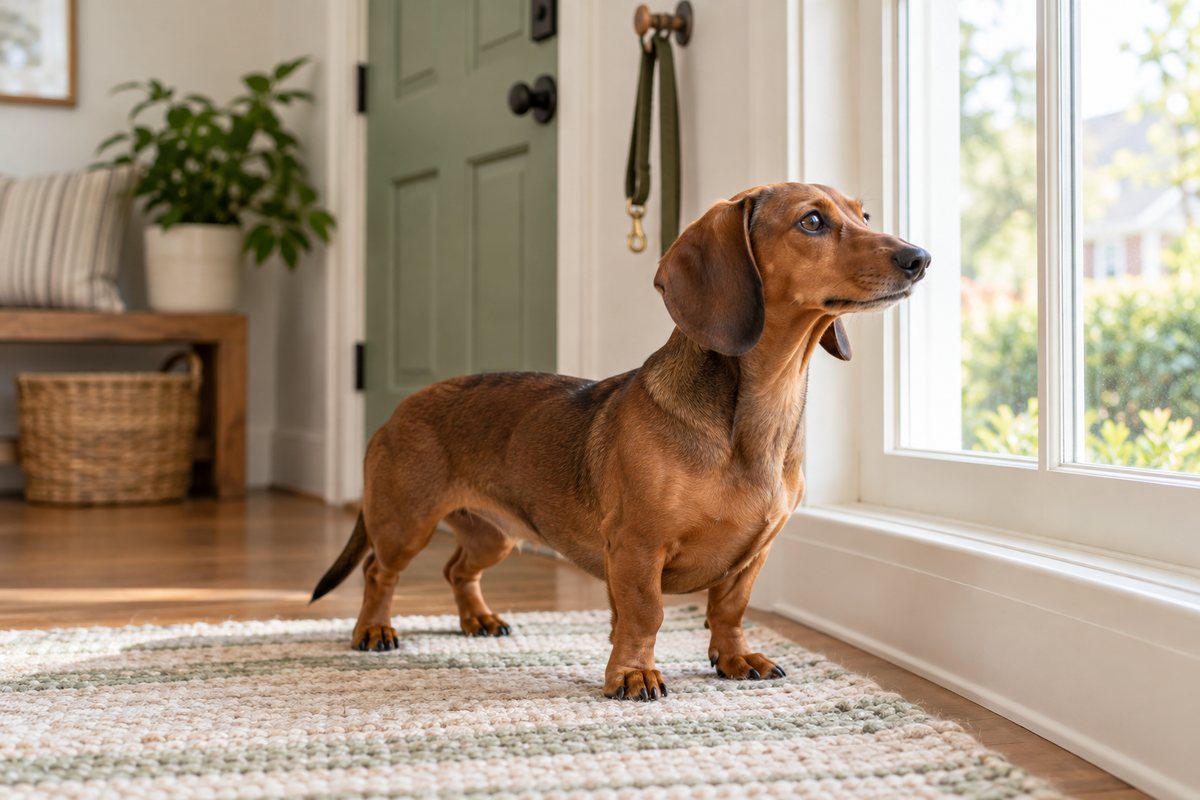
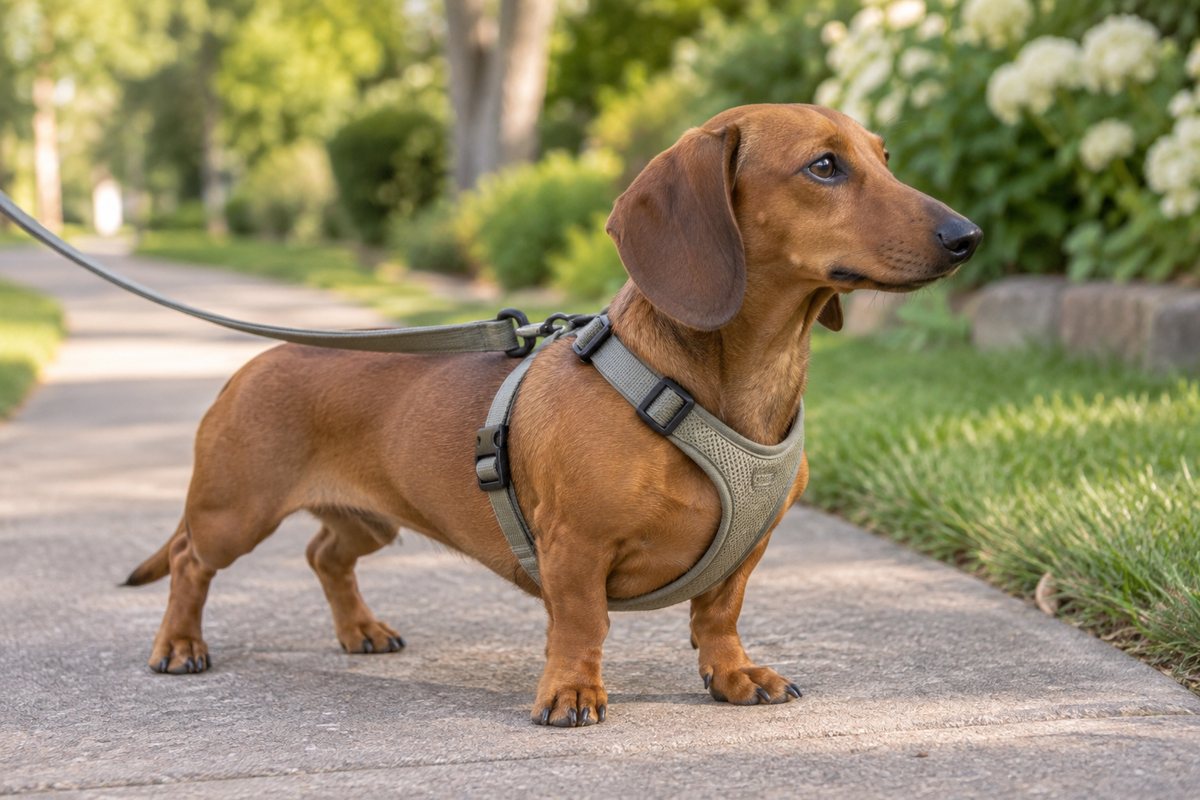
    Dachshund barking at another dog during a leashed walk

    This article focuses on barking at other dogs. For stranger barking, see why Dachshunds bark at strangers once live. For overall barking, use why Dachshunds bark so much.

    Why does my Dachshund bark at other dogs?

    Your Dachshund may bark at other dogs because the sight of a dog predicts excitement, worry, or blocked access. ASPCA lists social facilitation, frustration, and alarm barking among common barking categories. AKC also emphasizes that understanding the reason for barking is the first step in changing it.

    Common patterns

    PatternLikely causeBest first step
    Pulls and barks toward dogsFrustrated greetingReward calm looking, not greetings
    Barks and hides behind youFearAdd distance
    Barks at fence lineTerritorial rehearsalBlock access and train recall
    Barks after another dog barksSocial facilitationInterrupt early and move away
    Stiff body and hard stareHigh arousal or aggression riskGet professional help
    Dachshund on leash practicing calm behavior around other dogs

    Training plan

    1. Find a distance where your Dachshund can see another dog and still eat.
    2. Mark and reward the moment they look calmly.
    3. Reward turning back to you.
    4. Move away before barking starts.
    5. Practice with calm dogs at a distance.
    6. Slowly reduce distance only when your dog stays relaxed.

    Do not walk straight toward another dog to “socialize” a barking Dachshund. That can flood the dog and make the behavior worse. VCA territorial guidance warns that constant exposure to anxiety-provoking stimuli can heighten fear rather than fix it.

    Management while training

    • Walk during quieter times.
    • Cross the street before your dog explodes.
    • Use parked cars or hedges as visual breaks.
    • Avoid tight leash pressure and head-on approaches.
    • Use a secure harness that your dog cannot slip.
    • Skip dog parks until leash reactivity improves.

    For pulling management, see no pull harness for Dachshunds. For escape risk, see escape proof harness for Dachshunds.

    Mistakes to avoid

    • Letting your Dachshund greet every dog while pulling.
    • Using dog parks as “socialization” for a reactive dog.
    • Yanking the leash when your dog sees another dog.
    • Waiting too close before rewarding calm behavior.
    • Assuming small dog barking is harmless.
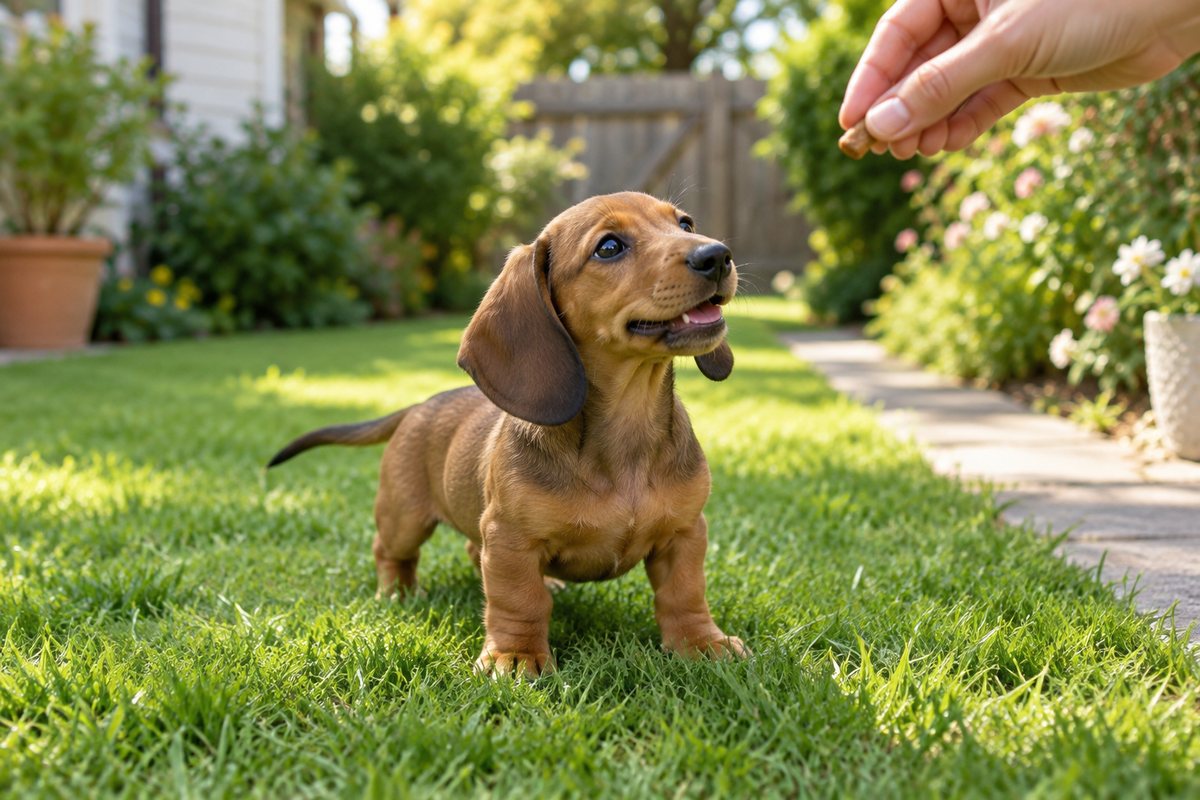
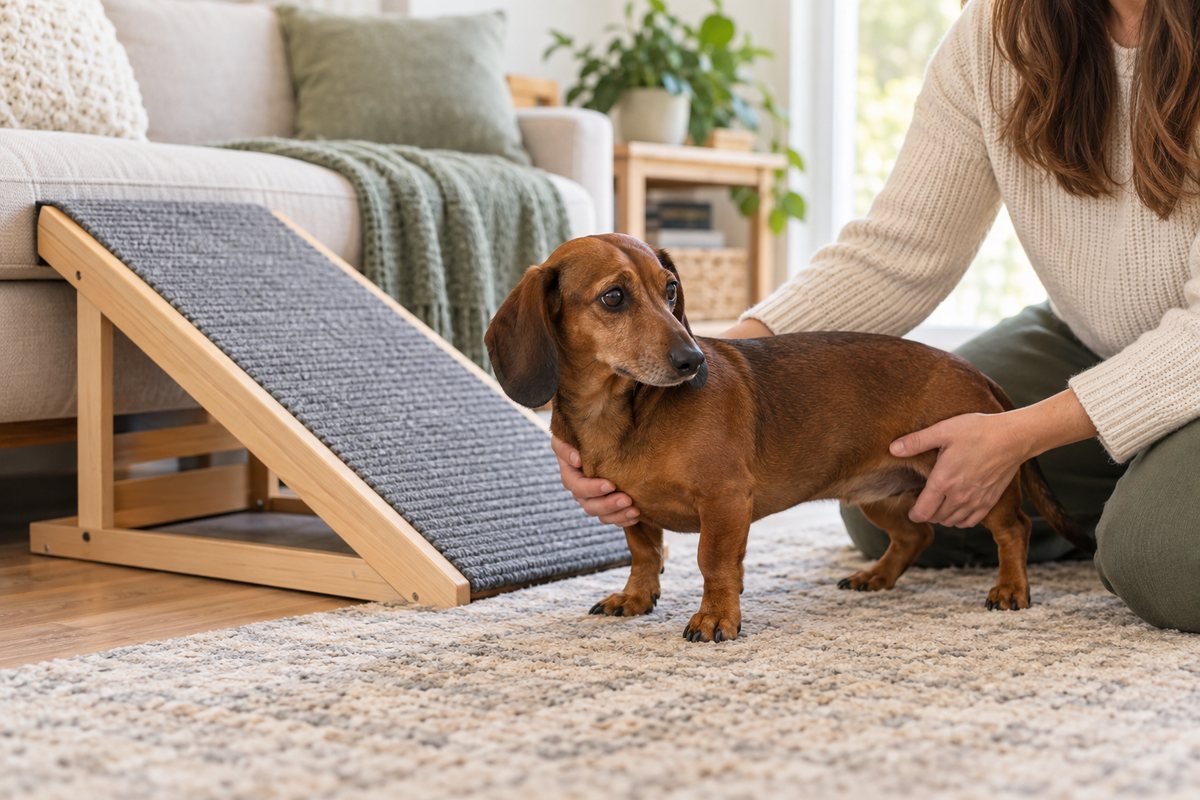
    Dachshund practicing calm leash training near dog distractions

    FAQ

    Does barking at dogs always mean aggression?

    Not necessarily. Barking can come from fear, frustration, or excitement. Stiff body, lunging, snapping, or inability to recover means you should get qualified help.

    Should I allow a greeting during barking?

    Not while barking and pulling. Teach calm observation first. Greeting should be optional, calm, and well-managed.

    Find your Dachshund’s working distance

    The right training distance is where your Dachshund can notice another dog and still eat, sniff, respond to their name, or turn back to you. If they cannot do any of those things, you are too close. More distance is not failure. It is the setup that lets learning happen.

    Dog’s responseMeaningOwner move
    Looks and eats treatGood working distanceReward and continue
    Stares and stiffensClose to thresholdMove farther away
    Barks and lungesOver thresholdCreate distance immediately
    Hides behind youFearfulDo not force greeting
    Pulls to greetFrustratedReward calm check-ins first

    When parallel walks help

    Some Dachshunds improve with parallel walks beside a calm, neutral dog at a comfortable distance. The dogs do not need to greet. They simply move in the same direction while staying under threshold. This can be safer than face-to-face greetings because head-on approaches often increase tension.

    • Choose a calm helper dog.
    • Start far apart.
    • Walk in the same direction, not directly toward each other.
    • Reward check-ins and loose leash movement.
    • End before either dog escalates.

    A simple training plan for barking at dogs

    The goal is not to make your Dachshund greet every dog. The goal is to help your dog notice another dog and stay able to think. Start at a distance where your Dachshund can still eat and respond. Reward the moment they see the dog, then reward turning back to you. Move away before barking takes over.

    1. Choose a quiet place with enough distance.
    2. Let your Dachshund notice the other dog.
    3. Mark and reward before barking begins.
    4. Turn away or create distance after a few successful looks.
    5. Repeat on easy setups before trying busier places.

    Mistakes that increase dog barking

    Pulling straight toward other dogs, tightening the leash suddenly, or forcing greetings can make the problem worse. Many Dachshunds are small enough to feel vulnerable, but bold enough to bark loudly. Give them distance, predictable handling, and rewards for calm choices.

    MistakeWhy it backfires
    Close sidewalk passesDog goes over threshold
    Face-to-face greetingsToo intense for many dogs
    Leash correctionsAdds stress around dogs
    Training only in busy areasNo chance to practice calmly

    Barking at other dogs FAQ

    Is my Dachshund aggressive if they bark at dogs?

    Not always. Barking can come from fear, frustration, excitement, poor social experiences, or leash pressure. The important question is whether your Dachshund can recover, take food, move away, and stay safe. If barking includes snapping, biting, or intense lunging, get professional help.

    Should I let my Dachshund meet more dogs?

    More greetings are not always the cure. If your dog is already over threshold, greetings may make the pattern worse. Practice calm observation at a distance first. When greetings happen, choose calm dogs, loose body language, and short interactions, then move away before tension builds.

    What should I do during a surprise dog encounter?

    Create distance quickly and calmly. Turn down a driveway, cross the street, step behind a car, or use a treat scatter to redirect your Dachshund’s nose. Avoid tightening the leash and standing still while the other dog approaches head-on.

    Distance plan for barking at other dogs

    Barking at other dogs is often a distance problem. Your Dachshund may be afraid, frustrated, excited, or over threshold on leash. The fix starts before the bark: notice the other dog earlier and move to a distance where your Dachshund can still think.

    Repeated close encounters can train the behavior you do not want. If every walk includes barking at the same fence, corner, or narrow path, change the route temporarily while you teach calmer observation.

    SituationWhat it suggestsBest next step
    Barks then hidesFear likelyIncrease distance and avoid greetings
    Barks while pulling forwardFrustration or excitementReward disengagement before approach
    Barks at fencesBarrier rehearsalChange route and reward quiet passing
    Barks only on leashLeash tension and restrictionPractice wider arcs and loose leash
    Cannot take treatsToo closeRetreat before training

    why does my Dachshund bark at other dogs: practical checklist

    1. Carry high-value treats on dog-heavy routes.
    2. Cross the street before your dog explodes.
    3. Reward looking at the dog and then back at you.
    4. Use U-turns without apology when space is too tight.
    5. Avoid nose-to-nose leash greetings.
    6. Practice with calm dogs at planned distances when possible.

    When to change course

    If barking includes snapping, redirected bites, or repeated lunging, use a certified trainer or behavior professional. Safety and distance are part of good training, not failure.

    why does my Dachshund bark at other dogs: owner scenarios and fixes

    The final step for why does my Dachshund bark at other dogs is matching the advice to the exact situation in front of you. Dachshunds are small, persistent, routine-sensitive dogs, so a plan that looks correct on paper can fail if the room setup, timing, gear, reward value, or health context is wrong. Before changing everything, choose the one pattern that happens most often and work there first.

    This also helps prevent mixed signals. If you sometimes reward the unwanted pattern, sometimes interrupt it, and sometimes ignore it, your Dachshund may keep trying the behavior because the rules are unclear. A simple plan that everyone in the home follows for one week is usually more useful than a complicated plan that changes every day.

    Owner situationHow to handle it
    When the main issue is barks then hidesStart with the practical fix: increase distance and avoid greetings. Give it several calm repetitions before adding a second change.
    When the pattern looks like barks while pulling forwardAssume the setup is slightly wrong for your Dachshund and adjust the environment before expecting better behavior.
    When you see barks at fencesSlow the plan down. Dachshunds often improve faster when the next step is easier, clearer, and more predictable.
    When barks only on leash keeps returningLook for a trigger that happens before the problem. Changing that trigger usually works better than reacting afterward.
    When cannot take treats is involvedTreat it as a sign to re-check fit, comfort, schedule, or health rather than assuming your dog is ignoring you.

    How to make the plan easier for your Dachshund

    If progress stalls, make the next repetition easier instead of louder or longer. For why does my Dachshund bark at other dogs, easier can mean more distance, a shorter session, a lower height, a quieter room, softer handling, smaller rewards, or fewer choices. The easier version should let your dog succeed while still practicing the skill you want.

    Watch recovery time. A Dachshund who can return to sniffing, eating, resting, or walking normally is usually in a workable zone. A dog who stays frantic, stiff, avoidant, or obsessed with the trigger is telling you the setup is too difficult. That is useful information, not a training failure.

    7-day improvement plan

    1. Day 1: write down when the why does my Dachshund bark at other dogs problem happens, where it happens, and what happened right before it.
    2. Day 2: remove the easiest trigger or setup mistake connected to barks then hides.
    3. Day 3: practice the first checklist step: carry high-value treats on dog-heavy routes..
    4. Day 4: repeat the same plan at an easier level instead of adding a new rule.
    5. Day 5: add one support step from the checklist: cross the street before your dog explodes..
    6. Day 6: ask whether your dog recovers faster than earlier in the week.
    7. Day 7: keep what improved, drop what confused your dog, and decide whether health or professional support is needed.

    This seven-day plan will not solve every case of why does my Dachshund bark at other dogs, but it gives you cleaner information. If the pattern improves, keep building gradually. If it stays the same or worsens, the cause may be discomfort, fear, poor fit, too much freedom, or a trigger that needs a different article-specific plan.

    Quality check before you rely on the advice

    The safest version of the advice should be specific, observable, and easy to repeat. You should know what you are changing, what success looks like, and when to stop. For Dachshunds, stop signs include pain, limping, yelping, frantic barking, snapping, refusal to eat rewards, vomiting, repeated accidents, or sudden behavior changes.

    When in doubt, choose the lower-risk version: more distance, better traction, shorter sessions, calmer rewards, clearer routines, and earlier veterinary input. That keeps the why does my Dachshund bark at other dogs plan helpful without pushing a small long-backed dog through stress, pain, or confusion.

    Sources


    Related Dachshund guides

  • Why Does my Dachshund Bark at Strangers? Causes, Meaning & What to Do

    Why Does my Dachshund Bark at Strangers? Causes, Meaning & What to Do

    A Dachshund may bark at strangers because they feel protective, uncertain, excited, frustrated, under-socialized, or trapped by the leash. Some Dachshunds bark when strangers enter the home. Others bark at people on walks, delivery drivers, neighbors, or anyone who looks unusual. The right plan depends on whether your dog is scared, territorial, overexcited, or asking for distance.

    Dachshund barking at a stranger from a safe distance

    This guide focuses on strangers specifically. For overall barking, read why Dachshunds bark so much. For dogs that bark at nearly every trigger, see why Dachshunds bark at everything once live.

    Why does my Dachshund bark at strangers?

    Your Dachshund may bark at strangers because strangers are unpredictable. AKC notes that barking at people can come from fear, territorial behavior, excitement, or a lack of appropriate social experience. VCA’s territorial aggression guidance also warns that mild barking can escalate when dogs rehearse territorial displays without management and training.

    Why strangers trigger barking

    PatternLikely reasonBest first step
    Barks and backs awayFear or uncertaintyAdd distance, do not force greetings
    Barks at door or fenceTerritorial alertBlock rehearsals and teach place cue
    Barks and pulls toward peopleFrustrated greetingReward calm approach skills
    Barks at unusual clothing or movementLow exposure or startle responseCountercondition at safe distance
    Barks when strangers touch themHandling discomfortStop forced petting

    Do not let strangers feed, touch, or lean over a barking Dachshund. That can make fear worse. The dog should have enough distance to notice the person and still respond to you.

    Read body language

    • Fear: tucked tail, lowered body, backing up, whale eye, trembling.
    • Territorial arousal: forward posture, stiff body, hard staring, repeated alarm bark.
    • Frustrated greeting: loose body, pulling forward, whining, high excitement.
    • Over threshold: cannot eat, cannot look away, escalating bark volume.

    Body language tells you whether to add distance, slow greetings, or work on impulse control. A one-size command like “quiet” is not enough.

    Dachshund looking back at owner calmly near a stranger trigger

    Walk training plan

    1. Start at a distance where your Dachshund notices a person but can still eat.
    2. Mark and reward looking at the person calmly.
    3. Reward turning back to you.
    4. Move away before barking starts.
    5. Gradually reduce distance over sessions.
    6. Skip greetings until your dog can stay relaxed.

    Use a secure harness and keep distance. For walking gear, see best harness for Dachshunds.

    Home and visitor plan

    For door and visitor barking, management matters. Use gates, leashes, a mat, or a quiet room before the stranger enters. Do not let your Dachshund rush the door and practice barking at every arrival.

    • Teach a mat cue away from the door.
    • Use curtains or window film for street triggers.
    • Ask visitors to ignore your dog at first.
    • Reward quiet check-ins from behind a barrier.
    • Use a trainer if barking includes lunging or snapping.

    Mistakes to avoid

    • Forcing strangers to give treats from their hand.
    • Letting people lean over or reach for your dog.
    • Correcting fear with leash jerks.
    • Allowing window barking all day.
    • Waiting until your Dachshund is already screaming to train.
    Dachshund practicing calm mat behavior during visitor training

    FAQ

    Is barking at strangers aggression?

    Not always. It can be fear, frustration, alerting, or excitement. But barking with lunging, growling, snapping, or inability to recover deserves professional help.

    Should strangers give my Dachshund treats?

    Usually not at first. It can pressure a fearful dog to approach. It is often better for you to feed your dog while the stranger ignores them from a safe distance.

    Training setups for stranger barking

    Real strangers are unpredictable, so practice with controlled setups when possible. Ask a helper to stand far away, ignore your dog, and avoid direct eye contact. Reward your Dachshund for noticing the person and turning back to you. End the session before barking builds.

    SetupGoalRule
    Helper across streetCalm lookingNo greeting
    Visitor behind gateQuiet check-insVisitor ignores dog
    Person walking pastRecovery after movementKeep distance large
    Delivery simulationGo to matReward before barking

    Why forced greetings backfire

    Many owners try to fix stranger barking by asking strangers to offer treats or pet the dog. This can backfire because the dog wants the food but is still scared of the person. They move closer than they can handle, then bark or snap when pressure rises. It is usually safer for you to feed your dog while the stranger stays neutral and distant.

    • Let your Dachshund choose distance.
    • Do not let strangers reach over the head.
    • Reward calm observation.
    • Skip greetings when body language is stiff or worried.
    • Use a trainer if barking includes lunging or snapping.

    Visitor protocol for Dachshunds that bark at strangers

    Do not make the doorway the training test. Doorways are tight, loud, and exciting. Set your Dachshund up before the visitor enters. Use a leash, gate, crate, or mat so your dog cannot rush the person. Ask the visitor to ignore the dog at first: no reaching, staring, bending over, or high-pitched greeting.

    1. Prepare treats before the doorbell or knock.
    2. Move your Dachshund behind a gate, on leash, or to a mat.
    3. Let the visitor enter calmly and ignore the dog.
    4. Reward your Dachshund for looking and checking back with you.
    5. Allow greeting only if the body is loose and the dog chooses to approach.

    Safety notes

    If barking includes lunging, snapping, or cornering people, treat it as a safety issue, not a manners issue. Use management first and consider a qualified reward-based trainer. A small dog can still scare visitors, rehearse aggressive-looking behavior, and put themselves at risk if someone reacts badly.

    A stranger-barking plan that keeps distance first

    Stranger barking is usually about distance, prediction, and safety. Many Dachshunds feel brave when they can alert from behind a window, leash, fence, or owner’s legs. The goal is not to make your dog love every stranger; the goal is to help them notice people without exploding.

    Start by changing the setup before you train the bark itself. A Dachshund who is already lunging, screaming, or refusing food is too close. Move farther away, block window access, or create a quieter route so your dog can learn at a workable intensity.

    SituationWhat it suggestsBest next step
    Window barkingPeople appear and disappearBlock view and reward quiet check-ins
    Doorway barkingEntry feels invasiveUse leash, mat, and distance from the door
    Walk barkingStranger is too closeCross early and reward looking back
    Guest barkingHome territory pressureUse a gate and calm treat tosses
    Sudden increasePain, fear, or bad eventReview health and recent triggers

    why does my Dachshund bark at strangers: practical checklist

    1. Choose one trigger location to work on first.
    2. Find the distance where your dog can still eat.
    3. Reward one look at the stranger, then one look back at you.
    4. End the session before barking escalates.
    5. Prevent rehearsal at windows while training is new.
    6. Do not let strangers reach over your dog's head.

    When to change course

    If barking includes growling, snapping, hiding, shaking, or redirected bites, use management and get qualified behavior help. Punishing the bark can remove the warning while leaving the fear underneath.

    why does my Dachshund bark at strangers: owner scenarios and fixes

    The final step for why does my Dachshund bark at strangers is matching the advice to the exact situation in front of you. Dachshunds are small, persistent, routine-sensitive dogs, so a plan that looks correct on paper can fail if the room setup, timing, gear, reward value, or health context is wrong. Before changing everything, choose the one pattern that happens most often and work there first.

    This also helps prevent mixed signals. If you sometimes reward the unwanted pattern, sometimes interrupt it, and sometimes ignore it, your Dachshund may keep trying the behavior because the rules are unclear. A simple plan that everyone in the home follows for one week is usually more useful than a complicated plan that changes every day.

    Owner situationHow to handle it
    When the main issue is window barkingStart with the practical fix: block view and reward quiet check-ins. Give it several calm repetitions before adding a second change.
    When the pattern looks like doorway barkingAssume the setup is slightly wrong for your Dachshund and adjust the environment before expecting better behavior.
    When you see walk barkingSlow the plan down. Dachshunds often improve faster when the next step is easier, clearer, and more predictable.
    When guest barking keeps returningLook for a trigger that happens before the problem. Changing that trigger usually works better than reacting afterward.
    When sudden increase is involvedTreat it as a sign to re-check fit, comfort, schedule, or health rather than assuming your dog is ignoring you.

    How to make the plan easier for your Dachshund

    If progress stalls, make the next repetition easier instead of louder or longer. For why does my Dachshund bark at strangers, easier can mean more distance, a shorter session, a lower height, a quieter room, softer handling, smaller rewards, or fewer choices. The easier version should let your dog succeed while still practicing the skill you want.

    Watch recovery time. A Dachshund who can return to sniffing, eating, resting, or walking normally is usually in a workable zone. A dog who stays frantic, stiff, avoidant, or obsessed with the trigger is telling you the setup is too difficult. That is useful information, not a training failure.

    7-day improvement plan

    1. Day 1: write down when the why does my Dachshund bark at strangers problem happens, where it happens, and what happened right before it.
    2. Day 2: remove the easiest trigger or setup mistake connected to window barking.
    3. Day 3: practice the first checklist step: choose one trigger location to work on first..
    4. Day 4: repeat the same plan at an easier level instead of adding a new rule.
    5. Day 5: add one support step from the checklist: find the distance where your dog can still eat..
    6. Day 6: ask whether your dog recovers faster than earlier in the week.
    7. Day 7: keep what improved, drop what confused your dog, and decide whether health or professional support is needed.

    This seven-day plan will not solve every case of why does my Dachshund bark at strangers, but it gives you cleaner information. If the pattern improves, keep building gradually. If it stays the same or worsens, the cause may be discomfort, fear, poor fit, too much freedom, or a trigger that needs a different article-specific plan.

    Quality check before you rely on the advice

    The safest version of the advice should be specific, observable, and easy to repeat. You should know what you are changing, what success looks like, and when to stop. For Dachshunds, stop signs include pain, limping, yelping, frantic barking, snapping, refusal to eat rewards, vomiting, repeated accidents, or sudden behavior changes.

    When in doubt, choose the lower-risk version: more distance, better traction, shorter sessions, calmer rewards, clearer routines, and earlier veterinary input. That keeps the why does my Dachshund bark at strangers plan helpful without pushing a small long-backed dog through stress, pain, or confusion.

    Sources


    Related Dachshund guides

  • Why Does my Dachshund Bark at Everything? Causes, Meaning & What to Do

    Why Does my Dachshund Bark at Everything? Causes, Meaning & What to Do

    If your Dachshund barks at everything, the usual reason is not one single problem. It is often a mix of alert barking, excitement, frustration, fear, boredom, habit, and a very sensitive watchdog brain. Dachshunds notice sounds, movement, visitors, dogs, delivery trucks, hallway noise, and tiny changes in routine. The fix starts with identifying what your dog is barking at and what happens right after the bark.

    Dachshund alert barking at everyday sounds and movement

    This guide focuses on Dachshunds that seem to bark at every trigger, not one specific situation. For the broader breed overview, start with why Dachshunds bark so much. Here, we will narrow the problem into patterns you can actually change.

    Why does my Dachshund bark at everything?

    Your Dachshund may bark at everything because barking has become their default response to uncertainty, movement, sound, excitement, or attention. ASPCA explains that dogs bark for different reasons, including alarm, attention, greeting, compulsion, social facilitation, and frustration. Cornell also notes that the first step is identifying why the dog is barking before choosing a training plan.

    Common reasons

    Barking patternPossible reasonFirst response
    Window barkingAlert or territorial barkingBlock view and reward quiet check-ins
    Barking at small soundsNoise sensitivity or habitAdd background sound and train settle
    Barking when ignoredAttention seekingReward calm, not demanding
    Barking during walksFrustration, fear, or reactivityAdd distance and reward calm noticing
    Barking when aloneSeparation distress or outside triggersRecord pattern and ask for help if intense
    Barking with stiff bodyFear or threat responseDo not punish; reduce pressure

    Do not treat every bark as stubbornness. A scared Dachshund and an excited Dachshund may both bark, but they need different help.

    Find the barking pattern

    1. Write down the trigger.
    2. Note where it happens.
    3. Watch body language: loose, stiff, forward, hiding, or frantic.
    4. Track what you do after the bark.
    5. Notice whether barking gets the dog distance, attention, access, or excitement.
    6. Change one trigger at a time.

    VCA’s barking guidance emphasizes routine, exercise, training, and teaching settle periods instead of reinforcing attention-seeking barking. That is especially useful for Dachshunds who bark because they have learned barking makes people move.

    Dachshund checking in with owner instead of barking at every trigger

    Training plan

    • Teach a marker word such as “yes.”
    • Reward your Dachshund for looking at a trigger without barking.
    • Practice at a distance where your dog can still eat and think.
    • Teach “go to mat” for door and window triggers.
    • Use a white-noise machine or curtains while training.
    • Give scent games and food puzzles before high-bark times.

    Keep sessions short. A barking Dachshund who is already over threshold is not ready to learn a complex lesson. Move farther away, lower the trigger intensity, and reward the first quiet second you can get.

    Home management

    TriggerManagementTraining goal
    Window trafficFilm, curtains, baby gateQuiet check-in
    DoorbellPractice recordings at low volumeGo to mat
    Hallway noiseWhite noiseSettle on bed
    Neighbor dogsBring indoors before barking startsRecall from yard
    BoredomFood puzzle or scent gameCalm independent activity

    For safe enrichment, see best games for Dachshunds. For core training, see Dachshund commands to teach.

    Dachshund training routine to reduce barking at everything

    When to get help

    Get professional help if barking includes lunging, snapping, panic, destruction, separation distress, or inability to recover. ASPCA recommends professional behavior help when barking plans are not working or when the behavior is complex. Avoid punishment-heavy approaches that suppress warning signals without changing the underlying emotion.

    FAQ

    Will my Dachshund grow out of barking at everything?

    Usually no. Some puppies become calmer with maturity, but repeated barking can become a habit if triggers and rewards stay the same.

    Should I use a bark collar?

    Talk with a veterinarian or qualified behavior professional first. Bark collars may suppress noise without solving fear, anxiety, or reactivity.

    Do a 3-day trigger audit

    When it feels like your Dachshund barks at everything, write it down for three days. Most owners discover patterns. Maybe the worst barking is at windows after 4 p.m. Maybe it happens before dinner. Maybe hallway sounds, not all sounds, are the real trigger. A trigger audit prevents you from trying to train every problem at once.

    TrackExampleWhy it matters
    Time5:30 p.m.Finds routine patterns
    TriggerDog outside windowIdentifies target
    LocationLiving room couchGuides management
    Owner responseYelled quietShows reinforcement
    Recovery time4 minutesMeasures progress

    Fix barking in priority order

    1. Manage the easiest trigger first.
    2. Block rehearsals at windows and fences.
    3. Teach one replacement behavior such as mat or check-in.
    4. Add enrichment before predictable barking times.
    5. Work on harder triggers only after the first pattern improves.

    This keeps the plan humane and realistic. A Dachshund that barks at twenty things does not need twenty commands. They need fewer rehearsals, clearer routines, and repeated rewards for calmer choices.

    Foundation plan for a Dachshund that barks at everything

    Start by reducing rehearsal. Close curtains during peak trigger times, add white noise for hallway sounds, move beds away from windows, and prevent fence racing. This is not avoiding training. It lowers the number of explosions so your Dachshund has more chances to practice quiet behaviors.

    Next, pick one replacement behavior. A mat cue works well for door sounds. A name check-in works well on walks. A find-it scatter works well when your dog needs to disengage from a trigger. Use one or two tools consistently before adding more.

    Trigger typeManagementReplacement behavior
    Window triggersBlock viewFind-it away from window
    Door soundsWhite noise or gateGo to mat
    Walk triggersCreate distanceName check-in
    Yard triggersSupervised outingsRecall and reward
    Boredom barkingRoutine enrichmentSniff game or chew

    How to narrow down barking at everything

    When it feels like your Dachshund barks at everything, the first job is sorting triggers into categories. Door sounds, windows, people, dogs, boredom, pain, and separation distress need different plans. One blanket correction rarely fixes all of them.

    Make a short bark log for three days. Write what happened right before the bark, where your dog was, how intense the bark was, and how long recovery took. Patterns usually appear faster than owners expect.

    SituationWhat it suggestsBest next step
    Door or hallway soundsAlert barkingAdd white noise and a mat cue
    People outsideVisual triggersBlock window rehearsal
    Other dogsLeash frustration or fearUse distance-based training
    Barking when boredUnmet activity needsAdd sniff work and training games
    Sudden new barkingHealth or stress changeCheck pain and routine changes

    why does my Dachshund bark at everything: practical checklist

    1. Pick the top two triggers instead of chasing every bark.
    2. Prevent easy rehearsal at windows and fences.
    3. Teach a calm place cue when the house is quiet.
    4. Reward noticing a sound before the bark starts.
    5. Increase daytime sniffing, chewing, and short training.
    6. Call for help if barking includes panic, aggression, or distress.

    When to change course

    If your dog cannot recover after triggers, refuses food, or escalates to lunging and snapping, the plan should focus on safety and professional support rather than louder corrections.

    why does my Dachshund bark at everything: owner scenarios and fixes

    The final step for why does my Dachshund bark at everything is matching the advice to the exact situation in front of you. Dachshunds are small, persistent, routine-sensitive dogs, so a plan that looks correct on paper can fail if the room setup, timing, gear, reward value, or health context is wrong. Before changing everything, choose the one pattern that happens most often and work there first.

    This also helps prevent mixed signals. If you sometimes reward the unwanted pattern, sometimes interrupt it, and sometimes ignore it, your Dachshund may keep trying the behavior because the rules are unclear. A simple plan that everyone in the home follows for one week is usually more useful than a complicated plan that changes every day.

    Owner situationHow to handle it
    When the main issue is door or hallway soundsStart with the practical fix: add white noise and a mat cue. Give it several calm repetitions before adding a second change.
    When the pattern looks like people outsideAssume the setup is slightly wrong for your Dachshund and adjust the environment before expecting better behavior.
    When you see other dogsSlow the plan down. Dachshunds often improve faster when the next step is easier, clearer, and more predictable.
    When barking when bored keeps returningLook for a trigger that happens before the problem. Changing that trigger usually works better than reacting afterward.
    When sudden new barking is involvedTreat it as a sign to re-check fit, comfort, schedule, or health rather than assuming your dog is ignoring you.

    How to make the plan easier for your Dachshund

    If progress stalls, make the next repetition easier instead of louder or longer. For why does my Dachshund bark at everything, easier can mean more distance, a shorter session, a lower height, a quieter room, softer handling, smaller rewards, or fewer choices. The easier version should let your dog succeed while still practicing the skill you want.

    Watch recovery time. A Dachshund who can return to sniffing, eating, resting, or walking normally is usually in a workable zone. A dog who stays frantic, stiff, avoidant, or obsessed with the trigger is telling you the setup is too difficult. That is useful information, not a training failure.

    7-day improvement plan

    1. Day 1: write down when the why does my Dachshund bark at everything problem happens, where it happens, and what happened right before it.
    2. Day 2: remove the easiest trigger or setup mistake connected to door or hallway sounds.
    3. Day 3: practice the first checklist step: pick the top two triggers instead of chasing every bark..
    4. Day 4: repeat the same plan at an easier level instead of adding a new rule.
    5. Day 5: add one support step from the checklist: prevent easy rehearsal at windows and fences..
    6. Day 6: ask whether your dog recovers faster than earlier in the week.
    7. Day 7: keep what improved, drop what confused your dog, and decide whether health or professional support is needed.

    This seven-day plan will not solve every case of why does my Dachshund bark at everything, but it gives you cleaner information. If the pattern improves, keep building gradually. If it stays the same or worsens, the cause may be discomfort, fear, poor fit, too much freedom, or a trigger that needs a different article-specific plan.

    Quality check before you rely on the advice

    The safest version of the advice should be specific, observable, and easy to repeat. You should know what you are changing, what success looks like, and when to stop. For Dachshunds, stop signs include pain, limping, yelping, frantic barking, snapping, refusal to eat rewards, vomiting, repeated accidents, or sudden behavior changes.

    When in doubt, choose the lower-risk version: more distance, better traction, shorter sessions, calmer rewards, clearer routines, and earlier veterinary input. That keeps the why does my Dachshund bark at everything plan helpful without pushing a small long-backed dog through stress, pain, or confusion.

    Sources


    Related Dachshund guides

  • How to Brush a Long Haired Dachshund: Step-by-Step Guide

    How to Brush a Long Haired Dachshund: Step-by-Step Guide

    To brush a long haired Dachshund, work in small sections, lift the coat in layers, brush gently from the skin outward, and finish each section with a metal comb to catch hidden tangles. The most important areas are behind the ears, armpits, chest, belly, backs of the legs, tail feathering, and anywhere a harness or sweater rubs. Short, calm sessions beat one long wrestling match.

    Long haired Dachshund being brushed in small coat sections

    This step-by-step guide explains tools, brushing order, mat prevention, how often to brush, and what not to do. If your Dachshund already has tight mats, irritated skin, sores, or pain when touched, ask a professional groomer or veterinarian for help instead of pulling through the mats at home.

    How to brush a long haired Dachshund: quick answer

    Use a slicker brush or pin brush gently, then check with a stainless-steel comb. Brush in layers instead of only smoothing the top coat. Keep one hand on the skin near the hair you are brushing so you do not tug. Reward often and stop before your Dachshund becomes frustrated.

    VCA grooming guidance says dogs with long, silky, or curly coats may need daily brushing to prevent tangles and mats, especially around ears, armpits, and backs of legs. Long-haired Dachshunds commonly mat in exactly those spots.

    Tools you need

    ToolUseTip
    Slicker brushLifts loose hair and small tanglesUse light pressure, not scraping
    Pin brushGentle brushing for featheringUseful for sensitive dogs
    Metal combChecks whether the coat is tangle-freeIf the comb catches, brush that section again
    Detangling sprayHelps reduce tuggingUse dog-safe product only
    TreatsBuilds cooperationUse tiny pieces to avoid overfeeding
    Non-slip matImproves comfort and safetyEspecially useful for low-backed dogs

    Avoid scissors near the skin unless you are trained. Mats can pull skin upward, making accidental cuts more likely. If a mat is tight, close to the skin, or painful, professional help is safer.

    Step-by-step brushing routine

    1. Place your Dachshund on a non-slip surface.
    2. Start with calm touch and reward.
    3. Brush one small area at a time.
    4. Lift the coat so you can brush near the skin, not just the top layer.
    5. Hold the hair close to the skin to reduce pulling.
    6. Brush in the direction the coat grows.
    7. Use the comb to check the section before moving on.
    8. Pause if your dog pulls away, scratches, or tenses.
    9. End with praise and a small reward.

    If your Dachshund is new to grooming, make the first sessions almost too easy. Brush for one minute, reward, and stop. Build duration gradually.

    Long haired Dachshund harness area checked for coat tangles

    Mat-prone areas

    Long-haired Dachshunds often look smooth on top while tangles hide underneath. Check friction areas every time.

    AreaWhy it matsHow to manage it
    Behind earsFine hair and scratchingComb gently in small sections
    ArmpitsLeg movement and harness frictionLift leg gently and use light brushing
    Chest and bellyLow body collects moisture and debrisDry after walks, then brush
    Back legsFeathering tangles from movementComb after brushing
    TailLong feathering catches burrsStart at ends and work inward
    Harness strapsFriction compresses coatBrush after walks and adjust fit

    Harness friction is common. For gear that fits the Dachshund body better, see best harness for Dachshunds.

    How often to brush

    Many long-haired Dachshunds need a quick brush several times per week and a deeper line-brushing session weekly. Dogs with soft coats, winter clothing, wet walks, or easy matting may need daily attention in problem areas.

    • Daily: ears, armpits, belly, and harness areas if your dog mats easily.
    • Several times weekly: full-body brush for most long-haired Dachshunds.
    • Before baths: remove tangles first.
    • After wet walks: dry and brush feathering.
    • After grooming appointments: maintain the coat before mats return.

    What to do about mats

    Small loose tangles may come out with detangling spray, gentle brushing, and a comb. Tight mats are different. They can pull skin, hide irritation, and become painful. VCA warns that brushing burrs and tangles before bathing matters because water can make tangles harder to remove.

    • Do not yank through a mat.
    • Do not bathe a matted coat first.
    • Do not cut close mats with household scissors.
    • Ask a groomer if mats are tight, widespread, or close to skin.
    • Call your veterinarian if skin is red, bleeding, smelly, or painful.
    Dachshund skin and coat check during long haired brushing routine

    FAQ

    Do long haired Dachshunds need daily brushing?

    Some do, especially around ears, armpits, belly, and tail feathering. Others do well with several brush sessions per week. If mats form between sessions, brush more often.

    Should I brush before or after a bath?

    Brush before bathing. Water can tighten tangles and make mats harder to remove.

    What brush is best for a long haired Dachshund?

    Many owners use a slicker brush or pin brush plus a metal comb. The comb is important because it confirms whether hidden tangles remain near the skin.

    Line brushing for long-haired Dachshunds

    Line brushing means you do not just brush the outside of the coat. You lift a small layer of hair, brush from the base outward, then let down the next layer. This matters for long-haired Dachshunds because the top can look smooth while mats form underneath around the chest, belly, ears, and legs.

    1. Start at a small area such as one side of the chest.
    2. Lift the top layer with your fingers.
    3. Brush the lower layer gently.
    4. Comb that section to check for snags.
    5. Move to the next small layer.
    6. Stop if the skin looks red or your dog is uncomfortable.

    Post-walk coat check

    After wet or muddy walks, check the belly, armpits, tail, and feathering before the coat dries into tangles. Remove burrs and debris gently. If your Dachshund wears a harness, comb under the straps after long walks because friction can start mats even when the rest of the coat looks fine.

    A long-haired Dachshund brushing system

    Long-haired Dachshunds need brushing that reaches the coat areas most likely to tangle: behind the ears, under the collar, armpits, chest feathering, belly, tail, and rear legs. A quick surface brush can make the coat look nice while leaving small mats underneath.

    Use calm, short sessions. Put your dog on a non-slip surface, reward stillness, and work in sections. If your Dachshund hates brushing, start with the easiest area and stop before frustration builds.

    SituationWhat it suggestsBest next step
    Behind earsFine hair mats quicklyComb gently in small sections
    ArmpitsHarness frictionLift leg only as comfortable
    Tail featheringDebris and tanglesHold base to avoid pulling skin
    BellyLow to ground dirtCheck after wet walks
    PawsBurrs and matsTrim pad hair if needed

    how to brush a long haired Dachshund: practical checklist

    1. Mist lightly if the coat has static or small tangles.
    2. Brush with the coat, then check with a comb.
    3. Hold hair near the skin when working through tangles.
    4. Reward after each small section.
    5. Do not yank mats loose.
    6. Schedule a groomer if mats are tight or painful.

    When to change course

    If your dog suddenly resists brushing in one area, check for skin irritation, burrs, sores, ear pain, or harness rubbing before continuing.

    how to brush a long haired Dachshund: owner scenarios and fixes

    The final step for how to brush a long haired Dachshund is matching the advice to the exact situation in front of you. Dachshunds are small, persistent, routine-sensitive dogs, so a plan that looks correct on paper can fail if the room setup, timing, gear, reward value, or health context is wrong. Before changing everything, choose the one pattern that happens most often and work there first.

    This also helps prevent mixed signals. If you sometimes reward the unwanted pattern, sometimes interrupt it, and sometimes ignore it, your Dachshund may keep trying the behavior because the rules are unclear. A simple plan that everyone in the home follows for one week is usually more useful than a complicated plan that changes every day.

    Owner situationHow to handle it
    When the main issue is behind earsStart with the practical fix: comb gently in small sections. Give it several calm repetitions before adding a second change.
    When the pattern looks like armpitsAssume the setup is slightly wrong for your Dachshund and adjust the environment before expecting better behavior.
    When you see tail featheringSlow the plan down. Dachshunds often improve faster when the next step is easier, clearer, and more predictable.
    When belly keeps returningLook for a trigger that happens before the problem. Changing that trigger usually works better than reacting afterward.
    When paws is involvedTreat it as a sign to re-check fit, comfort, schedule, or health rather than assuming your dog is ignoring you.

    How to make the plan easier for your Dachshund

    If progress stalls, make the next repetition easier instead of louder or longer. For how to brush a long haired Dachshund, easier can mean more distance, a shorter session, a lower height, a quieter room, softer handling, smaller rewards, or fewer choices. The easier version should let your dog succeed while still practicing the skill you want.

    Watch recovery time. A Dachshund who can return to sniffing, eating, resting, or walking normally is usually in a workable zone. A dog who stays frantic, stiff, avoidant, or obsessed with the trigger is telling you the setup is too difficult. That is useful information, not a training failure.

    7-day improvement plan

    1. Day 1: write down when the how to brush a long haired Dachshund problem happens, where it happens, and what happened right before it.
    2. Day 2: remove the easiest trigger or setup mistake connected to behind ears.
    3. Day 3: practice the first checklist step: mist lightly if the coat has static or small tangles..
    4. Day 4: repeat the same plan at an easier level instead of adding a new rule.
    5. Day 5: add one support step from the checklist: brush with the coat, then check with a comb..
    6. Day 6: ask whether your dog recovers faster than earlier in the week.
    7. Day 7: keep what improved, drop what confused your dog, and decide whether health or professional support is needed.

    This seven-day plan will not solve every case of how to brush a long haired Dachshund, but it gives you cleaner information. If the pattern improves, keep building gradually. If it stays the same or worsens, the cause may be discomfort, fear, poor fit, too much freedom, or a trigger that needs a different article-specific plan.

    Quality check before you rely on the advice

    The safest version of the advice should be specific, observable, and easy to repeat. You should know what you are changing, what success looks like, and when to stop. For Dachshunds, stop signs include pain, limping, yelping, frantic barking, snapping, refusal to eat rewards, vomiting, repeated accidents, or sudden behavior changes.

    When in doubt, choose the lower-risk version: more distance, better traction, shorter sessions, calmer rewards, clearer routines, and earlier veterinary input. That keeps the how to brush a long haired Dachshund plan helpful without pushing a small long-backed dog through stress, pain, or confusion.

    Sources


    Related Dachshund guides

  • How to Groom a Dachshund: Step-by-Step Guide

    How to Groom a Dachshund: Step-by-Step Guide

    To groom a Dachshund, match the routine to the coat type: smooth, long-haired, or wire-haired. All Dachshunds need brushing, nail care, ear checks, dental care, paw checks, and skin monitoring. Long-haired Dachshunds need more tangle prevention, wire-haired Dachshunds need coat-specific maintenance, and smooth Dachshunds still need regular brushing and skin checks even though their coat is short.

    Dachshund grooming routine for coat paws ears and teeth

    How to groom a Dachshund: quick answer

    Brush smooth Dachshunds weekly, long-haired Dachshunds several times per week, and wire-haired Dachshunds according to coat texture and groomer guidance. Check nails every 1 to 2 weeks, brush teeth daily if possible, clean ears only when needed, and inspect paws and belly after walks. VCA grooming guidance notes that long coats may need frequent brushing to prevent mats, while AKC recommends regular at-home grooming checks for skin, coat, nails, ears, and teeth.

    TaskTypical scheduleDachshund note
    BrushingWeekly to daily depending on coatLong-haired coats mat fastest
    NailsEvery 1 to 2 weeks checkLong nails affect posture and traction
    TeethDaily goalSmall dogs often need dental care
    EarsCheck weeklyWatch odor, redness, debris
    PawsAfter walksLow bodies collect dirt and ice
    BathingAs neededBrush out tangles first
    Dachshund skin and coat health check during grooming

    Grooming by coat type

    • Smooth: use a soft brush or grooming mitt, wipe dirt from belly and paws, and monitor dry skin.
    • Long-haired: brush in layers and comb behind ears, armpits, chest, belly, legs, and tail.
    • Wire-haired: brush regularly and ask a groomer about hand-stripping or clipping based on coat and owner goals.

    For deeper coat-specific guides, see how to brush a long haired Dachshund, long haired Dachshund haircut, and Dachshund coat types.

    Step-by-step routine

    1. Set your Dachshund on a non-slip surface.
    2. Brush or comb the coat before bathing.
    3. Check skin for redness, bumps, odor, flakes, or sores.
    4. Inspect paws, nails, and between toes.
    5. Check ears for odor or debris.
    6. Brush teeth with dog toothpaste.
    7. Reward calm handling throughout.
    Dachshund harness areas checked for mats during grooming

    Common grooming mistakes

    • Bathing a long-haired Dachshund before brushing out tangles.
    • Ignoring harness friction behind the front legs.
    • Letting nails grow until they change posture or traction.
    • Using human toothpaste instead of dog toothpaste.
    • Cleaning ears deeply without veterinary direction.
    • Waiting until mats are painful before booking a groomer.

    Make grooming boring in the best way. Use the same mat, the same order, and tiny rewards. A Dachshund that learns grooming is predictable is much easier to handle than one who only gets touched when something is already tangled, sore, or urgent.

    When to call a groomer or veterinarian

    Call a groomer for tight mats, paw trims you are not comfortable doing, sanitary trims, and coat shaping. Call a veterinarian for red skin, odor, ear pain, bleeding nails, sudden sensitivity, bald patches, or any lump or sore you find during grooming. Grooming is also a useful early-warning system for health problems.

    Coat-specific grooming tools

    The best grooming tool depends on the coat. Smooth Dachshunds usually need a soft brush, grooming mitt, or rubber curry. Long-haired Dachshunds need a slicker or pin brush plus a comb. Wire-haired Dachshunds may need a slicker, comb, and professional guidance for coat texture. Using the wrong tool can irritate skin or miss tangles near the skin.

    CoatHelpful toolsMain goal
    SmoothSoft brush, grooming mittLoose hair and skin check
    Long-hairedSlicker or pin brush, metal combPrevent mats and tangles
    Wire-hairedSlicker, comb, groomer supportMaintain texture and remove debris
    All coatsNail trimmer, dog toothbrushComfort and preventive care

    Handling training for grooming

    Grooming goes better when handling is trained outside grooming emergencies. Touch one paw, reward, and stop. Lift an ear, reward, and stop. Touch the toothbrush to one tooth, reward, and stop. These small rehearsals teach your Dachshund that handling predicts calm rewards, not a long struggle.

    • Practice when your dog is calm, not when you are rushed.
    • Use a non-slip surface for confidence.
    • Keep sessions under a few minutes at first.
    • Reward cooperation before your dog tries to leave.
    • Stop if you find pain, swelling, odor, or bleeding.

    Weekly Dachshund grooming routine

    A simple weekly routine prevents most grooming from becoming a crisis. Smooth coats may need only a quick brush and skin check. Long-haired Dachshunds need more combing around friction areas. Wire-haired Dachshunds may need a groomer who understands the coat type. All Dachshunds need nail, ear, tooth, and body checks.

    TaskHow often to checkWhy it matters
    Brush coatWeekly or more for long hairRemoves loose hair and tangles
    Comb ears and featheringSeveral times weekly for long hairPrevents mats
    Trim nailsAs neededImproves traction and posture
    Check earsWeeklyFinds odor, redness, debris
    Brush teethDaily if possibleSupports dental health

    Grooming warning signs

    • Red skin, sores, hot spots, or strong odor.
    • Mats that pull on the skin.
    • Ear odor, head shaking, or discharge.
    • Nails curling, splitting, or changing gait.
    • Pain when touched or sudden grooming resistance.

    Dachshund grooming FAQ

    How often should I bathe a Dachshund?

    Bathe when your Dachshund is dirty, smelly, or your vet recommends it for skin care. Many dogs do not need frequent full baths. Over-bathing can dry the skin, especially if you use harsh shampoo. Use dog-safe shampoo and rinse thoroughly.

    Do long-haired Dachshunds need professional grooming?

    Some owners manage long coats at home with brushing, combing, nail trims, and sanitary cleanup. Professional grooming helps when mats form, the dog resists handling, or the coat needs shaping. The key is not waiting until tangles become painful.

    Should wire-haired Dachshunds be shaved?

    Wire coats can require different care than smooth or long coats. Before shaving or clipping, ask a groomer familiar with wire-haired Dachshunds how it may affect coat texture. If your dog has mats or skin problems, comfort and veterinary guidance come first.

    A complete Dachshund grooming rhythm

    A good Dachshund grooming routine is short, predictable, and built around coat type. Smooth coats need simple brushing and skin checks. Long coats need combing where feathering tangles. Wire coats may need groomer guidance for coat texture and stripping decisions.

    The routine should also include nails, ears, teeth, paws, and body checks. Dachshunds are close to the ground, so belly dirt, paw irritation, and hidden skin spots can sneak up between baths.

    SituationWhat it suggestsBest next step
    Smooth coatLoose hair and skin checksBrush weekly and wipe when dirty
    Long coatMats behind ears and legsComb feathering several times weekly
    Wire coatTexture maintenanceAsk groomer about stripping vs clipping
    NailsPosture and tractionTrim before nails click loudly
    Ears and teethOdor and buildupCheck weekly and clean as needed

    how to groom a Dachshund: practical checklist

    1. Brush before bathing to remove loose hair and tangles.
    2. Use dog-safe shampoo and rinse thoroughly.
    3. Dry ears, belly, and armpits carefully.
    4. Reward paw handling before nail trims.
    5. Check teeth and gums while your dog is calm.
    6. Stop if your dog becomes painful or panicked.

    When to change course

    If grooming reveals odor, bald spots, heavy dandruff, ear redness, bleeding nails, or a painful reaction to touch, make the next step veterinary care rather than another product swap.

    how to groom a Dachshund: owner scenarios and fixes

    The final step for how to groom a Dachshund is matching the advice to the exact situation in front of you. Dachshunds are small, persistent, routine-sensitive dogs, so a plan that looks correct on paper can fail if the room setup, timing, gear, reward value, or health context is wrong. Before changing everything, choose the one pattern that happens most often and work there first.

    This also helps prevent mixed signals. If you sometimes reward the unwanted pattern, sometimes interrupt it, and sometimes ignore it, your Dachshund may keep trying the behavior because the rules are unclear. A simple plan that everyone in the home follows for one week is usually more useful than a complicated plan that changes every day.

    Owner situationHow to handle it
    When the main issue is smooth coatStart with the practical fix: brush weekly and wipe when dirty. Give it several calm repetitions before adding a second change.
    When the pattern looks like long coatAssume the setup is slightly wrong for your Dachshund and adjust the environment before expecting better behavior.
    When you see wire coatSlow the plan down. Dachshunds often improve faster when the next step is easier, clearer, and more predictable.
    When nails keeps returningLook for a trigger that happens before the problem. Changing that trigger usually works better than reacting afterward.
    When ears and teeth is involvedTreat it as a sign to re-check fit, comfort, schedule, or health rather than assuming your dog is ignoring you.

    How to make the plan easier for your Dachshund

    If progress stalls, make the next repetition easier instead of louder or longer. For how to groom a Dachshund, easier can mean more distance, a shorter session, a lower height, a quieter room, softer handling, smaller rewards, or fewer choices. The easier version should let your dog succeed while still practicing the skill you want.

    Watch recovery time. A Dachshund who can return to sniffing, eating, resting, or walking normally is usually in a workable zone. A dog who stays frantic, stiff, avoidant, or obsessed with the trigger is telling you the setup is too difficult. That is useful information, not a training failure.

    7-day improvement plan

    1. Day 1: write down when the how to groom a Dachshund problem happens, where it happens, and what happened right before it.
    2. Day 2: remove the easiest trigger or setup mistake connected to smooth coat.
    3. Day 3: practice the first checklist step: brush before bathing to remove loose hair and tangles..
    4. Day 4: repeat the same plan at an easier level instead of adding a new rule.
    5. Day 5: add one support step from the checklist: use dog-safe shampoo and rinse thoroughly..
    6. Day 6: ask whether your dog recovers faster than earlier in the week.
    7. Day 7: keep what improved, drop what confused your dog, and decide whether health or professional support is needed.

    This seven-day plan will not solve every case of how to groom a Dachshund, but it gives you cleaner information. If the pattern improves, keep building gradually. If it stays the same or worsens, the cause may be discomfort, fear, poor fit, too much freedom, or a trigger that needs a different article-specific plan.

    Quality check before you rely on the advice

    The safest version of the advice should be specific, observable, and easy to repeat. You should know what you are changing, what success looks like, and when to stop. For Dachshunds, stop signs include pain, limping, yelping, frantic barking, snapping, refusal to eat rewards, vomiting, repeated accidents, or sudden behavior changes.

    When in doubt, choose the lower-risk version: more distance, better traction, shorter sessions, calmer rewards, clearer routines, and earlier veterinary input. That keeps the how to groom a Dachshund plan helpful without pushing a small long-backed dog through stress, pain, or confusion.

    Sources


    Related Dachshund guides

  • Best Food for Dachshunds: What to Look For + Top Picks

    Best Food for Dachshunds: What to Look For + Top Picks

    The best food for Dachshunds is not one magic brand. It is a complete, balanced diet your dog digests well, measured in the right amount, and matched to life stage, body condition, and veterinary needs.

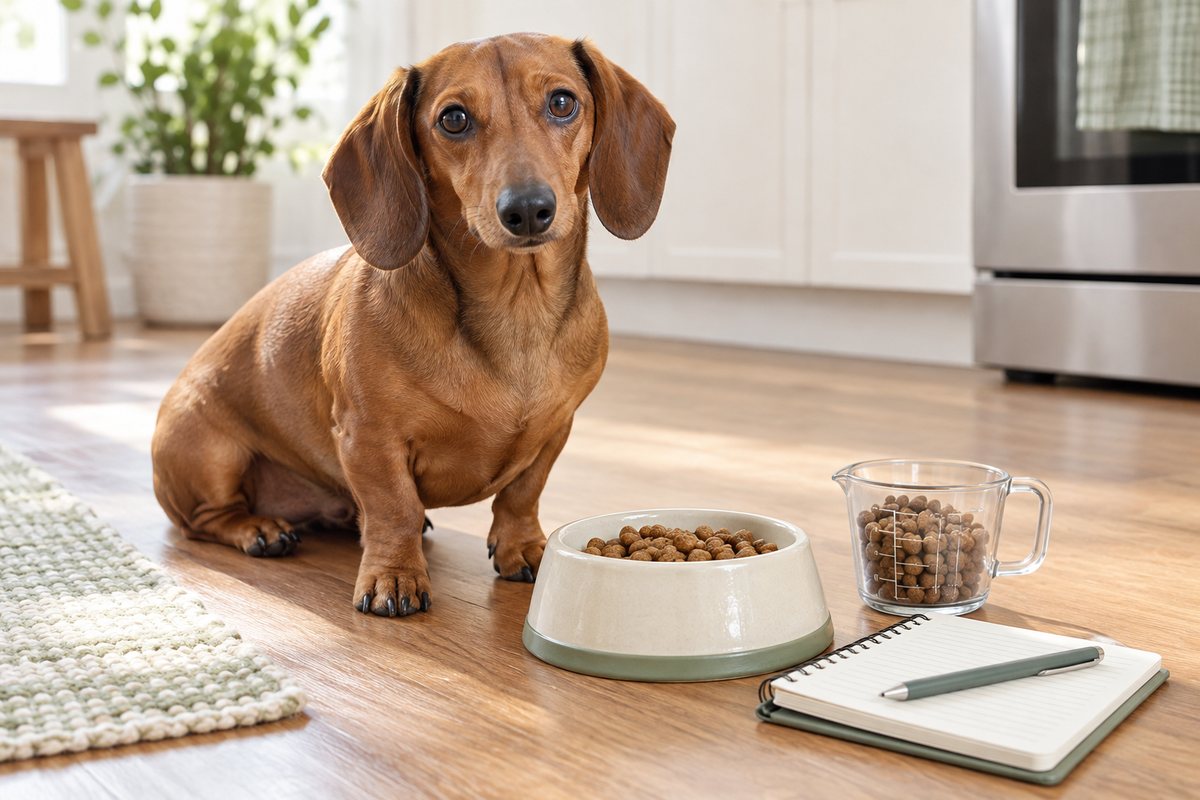
    Dachshund beside measured dog food portions

    Disclosure: This post may contain affiliate links in the future. If you buy through those links, Dachshund Compass may earn a commission at no extra cost to you.

    Quick answer

    Look for a complete and balanced food for your Dachshund’s life stage, calorie information you can measure accurately, a protein source your dog tolerates, and veterinary guidance if your dog has medical issues. For this breed, measured portions are just as important as ingredient quality.

    Key takeaways

    • Choose food by life stage first: puppy, adult, or senior.
    • Measure calories because Dachshunds can gain weight quickly.
    • Avoid choosing only by marketing words on the front of the bag.
    • Ask your vet before using specialty diets for allergies, weight loss, pancreatitis, kidney disease, or diabetes.

    What to look for in Dachshund food

    • Life-stage match for puppy, adult, or senior.
    • Clear calories per cup, can, or serving.
    • A feeding guide you can adjust based on body condition.
    • A company with quality control and nutrition expertise.
    • A texture your Dachshund can chew comfortably.
    • No constant high-fat toppers or table scraps.

    Dry food, wet food, or fresh food?

    Dry food

    Dry food is convenient, shelf-stable, and easy to measure. It can work well for many Dachshunds if your dog digests it comfortably and maintains a healthy body condition.

    Wet food

    Wet food can help dogs who need extra moisture or have chewing comfort issues. It may be easier to overfeed if portions are not measured, so watch calories.

    Dachshund with dog-safe food portions for meal planning

    Fresh or home-prepared food

    Fresh cooked diets can work when they are complete and balanced. Home-prepared diets should be designed with veterinary nutrition guidance so they do not miss key nutrients.

    Best food for Dachshund puppies

    Puppies need growth nutrition and frequent meals. A Dachshund puppy should not be pushed to become chubby. Ask your veterinarian when to transition from puppy food to adult food based on your dog’s size, body condition, and development.

    Best food for overweight Dachshunds

    Do not crash diet a dog. Start by measuring current food and treats, then speak with your veterinarian about a safe calorie target. Weight management foods may help some Dachshunds feel fuller while reducing calories.

    Simple buying checklist

    1. Pick the correct life stage.
    2. Check calories per serving.
    3. Measure portions for your dog’s target body condition.
    4. Change food gradually over several days unless your vet says otherwise.
    5. Track weight and adjust with your vet’s guidance.

    Related guides

    For safe extras and foods to avoid, read what Dachshunds can eat. For health context, read common Dachshund health problems.

    FAQ

    Should Dachshunds eat grain-free food?

    Do not choose grain-free automatically. Ask your veterinarian what is appropriate for your individual dog.

    Is wet food better than dry food?

    Neither is automatically better. The best choice is complete, balanced, digestible, and measured correctly for your dog.

    How do I know if my Dachshund is overweight?

    You should be able to feel ribs with light pressure and see a waist from above. Your veterinarian can help set an ideal target.

    Dachshund during a home wellness check related to nutrition

    Sources and further reading


    Related Dachshund guides

  • Dachshund Puppy Crying in Crate: Complete Dachshund Owner Guide

    Dachshund Puppy Crying in Crate: Complete Dachshund Owner Guide

    A Dachshund puppy crying in a crate may need to potty, feel lonely, be overtired, dislike confinement, have too much energy, or feel scared because crate training moved too fast. Some whining is normal during adjustment, but panic, nonstop distress, repeated accidents, vomiting, or attempts to escape mean the plan needs to slow down.

    Dachshund puppy crate routine connected to potty schedule

    Dachshund puppy crying in crate: quick answer

    First check potty needs, hunger, temperature, pain, and crate setup. Then teach the crate gradually with meals, chews, naps, short departures, and rewards for calm. AKC crate training guidance recommends making the crate comfortable and increasing time gradually. PetMD notes that puppies who are new to crate training may cry, whine, bark, or howl when left alone in the crate.

    Crying patternPossible causeResponse
    After 1 to 2 hoursPotty needQuiet potty trip
    Immediately franticToo much too soonShorter sessions
    At bedtimeLoneliness or routine changeCrate near bed temporarily
    After wild playOvertiredCalm wind-down first
    With accidentsSchedule or health issueMore potty trips or vet check
    Dachshund puppy learning calm crate independence near owner

    What to do tonight

    • Give a final potty trip before crate time.
    • Keep the crate comfortable but safe.
    • Place it near you at first if the puppy is scared.
    • Use a boring potty break if they wake crying.
    • Do not turn every cry into playtime.
    • Shorten crate sessions the next day and rebuild.

    For full crate setup, read Dachshund crate training and how to crate train a Dachshund puppy.

    Dachshund puppy meal timing before crate nap routine

    Daytime plan to reduce night crying

    Night crate crying often starts earlier in the day. A puppy that never practices calm crate time until bedtime may panic when the room goes dark. Add tiny daytime crate sessions after potty trips, meals, and calm play so the crate becomes normal before the night stretch.

    • Feed one meal near or inside the crate.
    • Practice 30-second door closes while you stay nearby.
    • Use crate naps after potty and play.
    • Keep pre-bedtime play calm.
    • Use boring nighttime potty trips if your puppy wakes.
    • Do not use the crate as punishment.

    Red flags

    Call your veterinarian if crying comes with vomiting, diarrhea, repeated crate accidents, coughing, weakness, poor appetite, or signs of pain. Ask a qualified trainer for help if your puppy panics, bites the crate, injures themselves, or cannot settle even with gradual training.

    Crate crying decision tree

    When your puppy cries, pause before reacting. The goal is to meet real needs without teaching that every noise creates play, food, or cuddles. A young puppy may truly need a potty break. A puppy who just went out may need help settling. A puppy who panics may need the training plan made easier.

    QuestionIf yesIf no
    Has it been long enough for potty?Quiet potty tripWait briefly and listen
    Did puppy just have wild play?Add calm wind-downCheck crate comfort
    Is crying frantic?Shorten future sessionsReward calm pauses
    Are there accidents or illness signs?Call veterinarianContinue gradual training

    Crate setup for Dachshund puppies

    The crate should be large enough for your puppy to stand, turn, and lie down, but not so large that one end becomes a bathroom. Place it where your puppy can settle. Some puppies do better near the bed at first. Others settle better in a quiet room after daytime practice. Keep bedding safe and remove anything your puppy shreds or swallows.

    • Use a divider if the crate is adult-sized.
    • Take collars or dangling tags off inside the crate if they can catch.
    • Keep the room temperature comfortable.
    • Use predictable nap and potty timing.
    • Practice calm crate time when you are home, not only when leaving.

    First-week night plan for crate crying

    The first week should be predictable. Take your puppy out for a quiet potty trip before bed, keep the crate close enough that you can hear real distress, and use boring nighttime potty breaks. No play, no big greetings, and no long cuddling sessions that wake the puppy fully.

    1. One final potty trip before lights out.
    2. Place the puppy in the crate with a calm cue.
    3. If crying starts, listen for a short moment before reacting.
    4. If potty is likely, carry or leash the puppy outside quietly.
    5. Return to the crate immediately after potty.
    6. Shorten daytime crate sessions if night panic repeats.

    Crate crying mistakes to avoid

    Do not use the crate only when you leave. That teaches the crate predicts isolation. Do not wait until bedtime to do the first practice. Do not ignore frantic panic for long periods. The goal is not to outlast the puppy. The goal is to build a crate routine that balances potty needs, sleep, and gradual confidence.

    MistakeBetter choice
    Only crating at nightPractice short daytime rests
    Playing during potty breaksKeep breaks boring
    Oversized crateUse divider for puppy size
    Ignoring panicMake the next session easier

    Dachshund puppy crate crying FAQ

    Should I ignore my Dachshund puppy crying in the crate?

    Do not use one rule for every cry. A young puppy may need potty, comfort, or an easier training step. Brief fussing after needs are met is different from frantic panic. Keep potty breaks boring, reward calm moments, and make daytime crate practice easier if night crying is intense.

    Where should the crate be at night?

    Many puppies settle better near the bed at first because they can smell and hear you. You can gradually move the crate farther away after the puppy is sleeping more reliably. A distant crate on the first night may work for some puppies, but it can be too abrupt for others.

    How long does crate crying last?

    Some puppies improve in a few nights. Others need several weeks of steady practice, especially if they are very young, newly rehomed, or had no crate exposure. Progress means shorter crying, faster settling, and fewer panic episodes, not instant silence.

    Crate crying decision tree

    Crate crying is not one single problem. A Dachshund puppy may cry because they need to potty, feel alone, are overtired, are under-exercised, dislike the crate setup, or have learned that crying brings a big response. Your first job is to identify which version you have.

    Use age, timing, and intensity. A young puppy crying after two hours at night may need a potty break. A puppy screaming the moment the door closes during the day may need easier crate games and more gradual independence practice.

    SituationWhat it suggestsBest next step
    Cries after wakingPotty need likelyQuiet trip outside, then back in
    Cries immediatelyCrate association too hardPractice open-door games
    Cries after wild playOvertiredUse calmer pre-crate routine
    Paws at door franticallyPanic or distressReduce difficulty and seek guidance
    Settles then restartsSchedule or sound triggerTrack timing and environment

    Dachshund puppy crying in crate: practical checklist

    1. Take a boring potty break before crate time.
    2. Put the crate near you at first if nights are difficult.
    3. Reward calm entries with the door open.
    4. Use short daytime sessions before expecting long nights.
    5. Avoid releasing during frantic peaks when needs are already met.
    6. Adjust the schedule before assuming defiance.

    When to change course

    If crying is panicked, paired with drooling, escape attempts, vomiting, or self-injury, stop pushing longer crate time and get professional help.

    Dachshund puppy crying in crate: owner scenarios and fixes

    The final step for Dachshund puppy crying in crate is matching the advice to the exact situation in front of you. Dachshunds are small, persistent, routine-sensitive dogs, so a plan that looks correct on paper can fail if the room setup, timing, gear, reward value, or health context is wrong. Before changing everything, choose the one pattern that happens most often and work there first.

    This also helps prevent mixed signals. If you sometimes reward the unwanted pattern, sometimes interrupt it, and sometimes ignore it, your Dachshund may keep trying the behavior because the rules are unclear. A simple plan that everyone in the home follows for one week is usually more useful than a complicated plan that changes every day.

    Owner situationHow to handle it
    When the main issue is cries after wakingStart with the practical fix: quiet trip outside, then back in. Give it several calm repetitions before adding a second change.
    When the pattern looks like cries immediatelyAssume the setup is slightly wrong for your Dachshund and adjust the environment before expecting better behavior.
    When you see cries after wild playSlow the plan down. Dachshunds often improve faster when the next step is easier, clearer, and more predictable.
    When paws at door frantically keeps returningLook for a trigger that happens before the problem. Changing that trigger usually works better than reacting afterward.
    When settles then restarts is involvedTreat it as a sign to re-check fit, comfort, schedule, or health rather than assuming your dog is ignoring you.

    How to make the plan easier for your Dachshund

    If progress stalls, make the next repetition easier instead of louder or longer. For Dachshund puppy crying in crate, easier can mean more distance, a shorter session, a lower height, a quieter room, softer handling, smaller rewards, or fewer choices. The easier version should let your dog succeed while still practicing the skill you want.

    Watch recovery time. A Dachshund who can return to sniffing, eating, resting, or walking normally is usually in a workable zone. A dog who stays frantic, stiff, avoidant, or obsessed with the trigger is telling you the setup is too difficult. That is useful information, not a training failure.

    7-day improvement plan

    1. Day 1: write down when the Dachshund puppy crying in crate problem happens, where it happens, and what happened right before it.
    2. Day 2: remove the easiest trigger or setup mistake connected to cries after waking.
    3. Day 3: practice the first checklist step: take a boring potty break before crate time..
    4. Day 4: repeat the same plan at an easier level instead of adding a new rule.
    5. Day 5: add one support step from the checklist: put the crate near you at first if nights are difficult..
    6. Day 6: ask whether your dog recovers faster than earlier in the week.
    7. Day 7: keep what improved, drop what confused your dog, and decide whether health or professional support is needed.

    This seven-day plan will not solve every case of Dachshund puppy crying in crate, but it gives you cleaner information. If the pattern improves, keep building gradually. If it stays the same or worsens, the cause may be discomfort, fear, poor fit, too much freedom, or a trigger that needs a different article-specific plan.

    Quality check before you rely on the advice

    The safest version of the advice should be specific, observable, and easy to repeat. You should know what you are changing, what success looks like, and when to stop. For Dachshunds, stop signs include pain, limping, yelping, frantic barking, snapping, refusal to eat rewards, vomiting, repeated accidents, or sudden behavior changes.

    When in doubt, choose the lower-risk version: more distance, better traction, shorter sessions, calmer rewards, clearer routines, and earlier veterinary input. That keeps the Dachshund puppy crying in crate plan helpful without pushing a small long-backed dog through stress, pain, or confusion.

    Sources


    Related Dachshund guides

  • How to Crate Train a Dachshund Puppy: Step-by-Step Guide

    How to Crate Train a Dachshund Puppy: Step-by-Step Guide

    Crate training can give a Dachshund puppy a safe place to sleep, rest, and decompress. It can also support potty training and make travel or vet visits less stressful. The crate should feel like a calm bedroom, not a punishment box.

    Dachshund puppy sitting calmly beside an open crate

    Dachshunds can be vocal and persistent, so rushing crate training often backfires. Go slowly, reward calm behavior, and build time in tiny steps.

    Quick answer

    Choose a correctly sized crate, keep it near normal family activity, feed meals inside, reward calm moments, and increase crate time gradually. Always give your puppy a potty break, movement, and connection before expecting them to settle.

    Key takeaways

    • The crate should be safe, comfortable, and predictable.
    • Start with the door open and build positive associations.
    • Crying can mean potty need, fear, boredom, or over-tiredness.
    • Never use the crate as punishment.

    Best crate setup for a Dachshund puppy

    • A crate large enough to stand, turn, and lie down.
    • A divider if the crate is too large for a small puppy.
    • Soft bedding if your puppy does not chew it.
    • A safe chew or food-stuffed toy for calm practice.
    • A location near people during the day and near your bedroom at night.

    Step-by-step crate training plan

    1. Leave the door open and toss treats inside.
    2. Feed meals in the crate with the door open.
    3. Close the door for one or two seconds during a meal, then open it before your puppy worries.
    4. Add short calm sessions after potty and play.
    5. Increase time slowly while rewarding quiet behavior.
    6. Practice leaving the room for a few seconds and returning calmly.

    Night crate training

    At night, keep the crate close enough that you can hear your puppy. If they wake after sleeping, take them out for a quiet potty break. Keep it boring: potty, calm praise, back to bed. Avoid turning every wake-up into playtime.

    If your Dachshund cries in the crate

    First check basic needs: potty, temperature, hunger, thirst, exercise, and comfort. If those needs are met, wait for even a tiny pause before opening the door. If the crying is frantic or panicked, make the next session easier and shorter.

    Dachshund puppy practicing potty breaks after crate naps

    What not to do

    • Do not shut the door and leave for a long period on day one.
    • Do not punish crate noise.
    • Do not ignore panic, drooling, frantic digging, or escape attempts.
    • Do not place the crate far away from people all day.

    Related guides

    Crate training supports Dachshund potty training. If noise is the main problem, read why Dachshunds bark so much.

    FAQ

    How long can a Dachshund puppy stay in a crate?

    It depends on age, bladder control, and training. Young puppies need frequent potty breaks and should not be crated for long stretches.

    Should the crate be in the bedroom?

    For many puppies, yes at first. Being near you can reduce panic and help you hear potty needs.

    What if my puppy hates the crate?

    Slow down. Use open-door meals, tiny sessions, and a pen or safe room if the crate is too stressful at first.

    Dachshund puppy resting in a cozy home training setup

    Sources and further reading


    Related Dachshund guides

  • How to Potty Train a Dachshund Puppy: Step-by-Step Guide

    How to Potty Train a Dachshund Puppy: Step-by-Step Guide

    Potty training a Dachshund puppy is completely possible, but it works best with structure. Dachshunds are small, clever, persistent puppies, and many accidents happen because they get too much freedom before they understand the routine.

    Dachshund puppy being rewarded during outdoor potty training

    The winning formula is simple: take your puppy out often, reward the outdoor potty immediately, supervise closely indoors, and prevent rehearsal of accidents.

    Quick answer

    To potty train a Dachshund puppy, take them out after sleep, meals, drinking, play, training, crate time, and before bed. Use one potty spot, reward right after they finish, and limit indoor freedom until your puppy is reliable.

    Key takeaways

    • Dachshund puppies need frequent potty trips and close supervision.
    • Reward outside, not after you come back indoors.
    • Crates, pens, gates, and leashes prevent accidents when you cannot watch.
    • Punishing accidents after the fact slows trust and does not teach the right habit.

    Best Dachshund potty training schedule

    • First thing in the morning
    • After every nap
    • After meals and water
    • After active play
    • Before and after crate time
    • Before bedtime
    • Any time your puppy sniffs, circles, whines, or wanders away

    Young puppies cannot hold their bladder for long. A predictable schedule protects them from practicing the wrong habit inside.

    Step-by-step plan

    1. Take your puppy to the same outdoor spot.
    2. Stand quietly and give them time to sniff.
    3. Use a short phrase like “go potty” once they start.
    4. Reward within two seconds after they finish.
    5. Give a few minutes of supervised freedom after success.
    6. Use a crate, pen, leash, or gated room when you cannot supervise.

    Why Dachshunds can be harder to potty train

    Dachshunds are low to the ground, quick to sneak behind furniture, and often opinionated about rain, cold, grass, or new surfaces. They may also be smart enough to learn your patterns without fully understanding the potty rule yet.

    Dachshund puppy beside an open crate between potty breaks

    Crate and pen setup

    A crate can support potty training because many puppies avoid soiling their sleeping area. The crate should be large enough for your Dachshund to stand, turn, and lie down, but not so large that one end becomes a bathroom. A playpen can also work during busy parts of the day.

    Common mistakes

    • Waiting for your puppy to ask before they understand the routine.
    • Giving full-house access too early.
    • Rewarding after coming back inside instead of outside.
    • Cleaning with ordinary soap instead of an enzymatic cleaner.
    • Expecting perfect progress during weather changes or growth stages.

    What to do after an accident

    Clean the area with an enzymatic cleaner and adjust the plan. Do not scold after the fact. Your puppy will not connect punishment to an old accident in a useful way. More supervision, more frequent trips, and better timing are the fix.

    Related guides

    Potty training pairs naturally with crate training. If your puppy barks during routines, read why Dachshunds bark so much.

    FAQ

    How long does Dachshund potty training take?

    Many puppies improve within a few weeks, but full reliability can take months. Progress depends on age, supervision, routine, and consistency.

    Are Dachshunds impossible to potty train?

    No. They can be trained, but they often need structure and less freedom at first.

    Should I use puppy pads?

    Pads can help in limited situations, but they can also teach indoor potty habits. If your goal is outdoor potty, focus on outdoor rewards whenever possible.

    Dachshund puppy learning a calm home routine

    Sources and further reading


    Related Dachshund guides

  • Why Are Dachshunds Hard to Potty Train? Causes, Meaning & What to Do

    Why Are Dachshunds Hard to Potty Train? Causes, Meaning & What to Do

    Dachshunds can be hard to potty train because they are small, low to the ground, stubborn about weather, quick to form habits, and easy to accidentally give too much freedom too soon. They are not impossible to train. They need a tighter schedule, better supervision, smaller success zones, and more consistency than many owners expect.

    Dachshund puppy potty training schedule and outdoor routine

    Why are Dachshunds hard to potty train?

    Dachshunds are often hard to potty train because owners miss early signals, allow unsupervised roaming, skip bad-weather practice, or rely on punishment after accidents. AKC puppy housetraining guidance emphasizes schedules, supervision, confinement, and rewarding outdoor potty promptly. Those basics matter even more with Dachshunds.

    ChallengeWhy it happensFix
    Rain refusalLow body and weather dislikeUse covered spot and reward heavily
    Hidden accidentsToo much freedomUse gates, crate, or leash supervision
    Frequent potty needsSmall puppy bladderSchedule more trips
    Repeat indoor spotsOdor remainsUse enzymatic cleaner
    Owner inconsistencyMixed rulesSame cue, same door, same reward

    For the full action plan, use Dachshund potty training and how to potty train a Dachshund puppy.

    Dachshund meal timing connected to potty training schedule

    What works

    • Take puppies out after waking, eating, playing, and training.
    • Reward outside potty within seconds.
    • Use a crate or pen when you cannot supervise.
    • Clean accidents with enzymatic cleaner.
    • Practice bad-weather potty before bad weather arrives.
    • Do not punish after-the-fact accidents.
    Dachshund owner supervising potty training to prevent hidden accidents

    The Dachshund weather problem

    Many Dachshunds dislike rain, wet grass, wind, cold, or deep snow. If the only potty option is unpleasant, some dogs learn to hold it outside and sneak away indoors later. Create a protected potty spot, use a jacket when needed, and reward outdoor potty heavily in bad weather instead of waiting for perfect conditions.

    How to reset after accidents

    1. Clean accidents with enzymatic cleaner.
    2. Reduce freedom for several days.
    3. Take your Dachshund out more often than you think they need.
    4. Reward immediately outside.
    5. Use a leash indoors if your dog sneaks away.
    6. Track accident time to find schedule gaps.

    The freedom problem

    Many Dachshunds struggle because they get freedom before they have earned it. A puppy who can wander behind furniture, into bedrooms, or down a hallway can practice indoor accidents quietly. Every hidden accident makes potty training slower because the indoor spot becomes part of the habit.

    StageFreedom levelGoal
    Accidents happeningLeash, crate, pen, or one small roomPrevent hidden potty
    One clean weekOne supervised roomBuild reliability
    Two clean weeksAdd one areaTest slowly
    Accident returnsReduce freedom againProtect the habit

    Adult Dachshunds that are still not trained

    Adult Dachshunds can still improve, but you must treat the problem like a full reset. Rule out urinary tract issues, pain, medication side effects, and age-related changes. Then go back to puppy-level supervision for a few weeks. Use a schedule, reward outdoor potty, clean old spots deeply, and remove access to favorite accident areas.

    • Use a vet check for sudden changes.
    • Track water, meals, naps, and accidents.
    • Reward outside potty every time at first.
    • Do not punish old accidents you find later.
    • Use belly bands or diapers only as management, not training.

    Common mistakes that make Dachshunds harder to potty train

    Most potty training problems are not caused by a Dachshund being impossible. They come from small gaps that repeat every day. The most common gap is waiting until the puppy asks to go out. Many Dachshund puppies do not give obvious signals at first. They sniff, wander, pause, or quietly leave the room. By the time they scratch the door, the habit may already be half built.

    Another mistake is using the yard as playtime before the potty habit is clear. If your Dachshund runs, sniffs, chases leaves, and then comes inside to pee, the trip was too unfocused. Use a leash, go to the same spot, wait quietly, reward the potty, then play after the success. This order teaches that outside potty opens the fun, not the other way around.

    MistakeWhat it teachesBetter habit
    Waiting for signalsOwner reacts too lateUse scheduled trips
    Free roamingHidden accidents are easyGate, crate, pen, or leash
    Long outdoor play firstPotty is optionalPotty first, play second
    Scolding accidentsDog hides the behaviorInterrupt, clean, reset
    Changing potty spotsRoutine stays unclearSame door and same area

    Realistic timeline for a stubborn Dachshund

    A good reset often takes two to four focused weeks before owners feel relief, and longer before freedom can expand across the whole home. A young puppy, a rescue dog, or a Dachshund with months of indoor accidents may need more time. Judge progress by fewer accidents, faster outdoor success, and better owner timing, not by perfection in the first week.

    • Week 1: prevent hidden accidents and reward every outdoor potty.
    • Week 2: identify schedule gaps and improve bad-weather practice.
    • Week 3: test one small area of supervised freedom.
    • Week 4: keep the routine while reducing rewards slowly.
    • Any accident: reduce freedom again for several clean days.

    A simple owner script for hard potty days

    On a difficult day, keep the routine almost boring. Clip the leash, walk to the same door, use the same potty cue, stand in the same area, and wait quietly. If your Dachshund goes, reward immediately and give a little freedom afterward. If nothing happens after a few minutes, go back inside to a crate, pen, or leash-supervised area, then try again soon. This prevents the puppy from treating “outside” as optional play and “inside” as the real bathroom.

    Do not stretch the schedule because the previous trip was successful. Many accidents happen right after owners think the dog finally understands. Keep the plan tight until your Dachshund has a clean streak across different weather, different times of day, and normal household distractions.

    Final potty-training check

    If the plan still feels hard, audit the environment before blaming the dog. Check whether old accident spots are truly cleaned, whether doors to hidden rooms are closed, whether the potty route is fast, and whether every family member uses the same cue and reward timing. Dachshunds learn patterns quickly, including patterns owners do not mean to teach.

    Where Dachshund potty training usually breaks down

    Dachshunds are often called hard to potty train because small mistakes become habits fast. Freedom comes too early, outdoor trips are not frequent enough, weather makes the yard unpleasant, and accidents leave scent clues indoors.

    The solution is usually less freedom, clearer timing, better rewards, and a realistic cleanup routine. A Dachshund who sneaks away to potty is not being spiteful; they have learned that indoor options are available.

    SituationWhat it suggestsBest next step
    Accidents in another roomToo much freedomUse gates, leash, or pen
    Accidents after coming insideTrip ended too soonWait longer and reward outside
    Rain refusalWeather discomfortUse covered potty area and coat
    Same indoor spotScent remainsUse enzymatic cleaner
    Puppy pees oftenAge and bladder capacityIncrease schedule frequency

    why are Dachshunds hard to potty train: practical checklist

    1. Take your dog out after sleep, meals, play, and excitement.
    2. Reward outside potty immediately, not after coming indoors.
    3. Supervise or confine between trips.
    4. Clean accidents with enzymatic cleaner.
    5. Track times for three days to find patterns.
    6. Rule out medical causes if a trained dog regresses.

    When to change course

    If accidents are sudden, frequent, painful, bloody, or paired with excessive drinking, stop treating it as a training problem and call your veterinarian.

    why are Dachshunds hard to potty train: owner scenarios and fixes

    The final step for why are Dachshunds hard to potty train is matching the advice to the exact situation in front of you. Dachshunds are small, persistent, routine-sensitive dogs, so a plan that looks correct on paper can fail if the room setup, timing, gear, reward value, or health context is wrong. Before changing everything, choose the one pattern that happens most often and work there first.

    This also helps prevent mixed signals. If you sometimes reward the unwanted pattern, sometimes interrupt it, and sometimes ignore it, your Dachshund may keep trying the behavior because the rules are unclear. A simple plan that everyone in the home follows for one week is usually more useful than a complicated plan that changes every day.

    Owner situationHow to handle it
    When the main issue is accidents in another roomStart with the practical fix: use gates, leash, or pen. Give it several calm repetitions before adding a second change.
    When the pattern looks like accidents after coming insideAssume the setup is slightly wrong for your Dachshund and adjust the environment before expecting better behavior.
    When you see rain refusalSlow the plan down. Dachshunds often improve faster when the next step is easier, clearer, and more predictable.
    When same indoor spot keeps returningLook for a trigger that happens before the problem. Changing that trigger usually works better than reacting afterward.
    When puppy pees often is involvedTreat it as a sign to re-check fit, comfort, schedule, or health rather than assuming your dog is ignoring you.

    How to make the plan easier for your Dachshund

    If progress stalls, make the next repetition easier instead of louder or longer. For why are Dachshunds hard to potty train, easier can mean more distance, a shorter session, a lower height, a quieter room, softer handling, smaller rewards, or fewer choices. The easier version should let your dog succeed while still practicing the skill you want.

    Watch recovery time. A Dachshund who can return to sniffing, eating, resting, or walking normally is usually in a workable zone. A dog who stays frantic, stiff, avoidant, or obsessed with the trigger is telling you the setup is too difficult. That is useful information, not a training failure.

    7-day improvement plan

    1. Day 1: write down when the why are Dachshunds hard to potty train problem happens, where it happens, and what happened right before it.
    2. Day 2: remove the easiest trigger or setup mistake connected to accidents in another room.
    3. Day 3: practice the first checklist step: take your dog out after sleep, meals, play, and excitement..
    4. Day 4: repeat the same plan at an easier level instead of adding a new rule.
    5. Day 5: add one support step from the checklist: reward outside potty immediately, not after coming indoors..
    6. Day 6: ask whether your dog recovers faster than earlier in the week.
    7. Day 7: keep what improved, drop what confused your dog, and decide whether health or professional support is needed.

    This seven-day plan will not solve every case of why are Dachshunds hard to potty train, but it gives you cleaner information. If the pattern improves, keep building gradually. If it stays the same or worsens, the cause may be discomfort, fear, poor fit, too much freedom, or a trigger that needs a different article-specific plan.

    Quality check before you rely on the advice

    The safest version of the advice should be specific, observable, and easy to repeat. You should know what you are changing, what success looks like, and when to stop. For Dachshunds, stop signs include pain, limping, yelping, frantic barking, snapping, refusal to eat rewards, vomiting, repeated accidents, or sudden behavior changes.

    When in doubt, choose the lower-risk version: more distance, better traction, shorter sessions, calmer rewards, clearer routines, and earlier veterinary input. That keeps the why are Dachshunds hard to potty train plan helpful without pushing a small long-backed dog through stress, pain, or confusion.

    Sources


    Related Dachshund guides